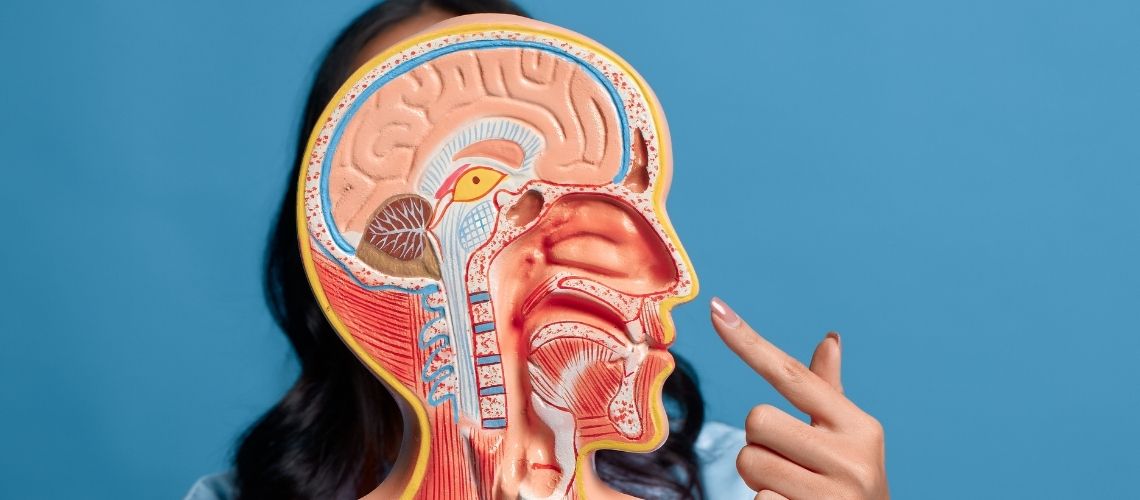
Drooping of the nasal tip can generally be corrected with surgical intervention. This condition occurs due to weakness of the cartilage structure, trauma, or loss of support related to aging. The goal of treatment is to strengthen the cartilage structures that support the nasal tip and to achieve a more aesthetically balanced appearance.
Nasal tip drooping surgery is performed using surgical techniques applied within the scope of rhinoplasty. During the operation, the cartilages that support the nasal tip are reshaped and, if necessary, reinforced with grafts. In this way, a permanent and controlled improvement is achieved both functionally and aesthetically.
Nasal tip lifting methods are planned according to the patient’s anatomical structure and expectations. Generally, the open technique is preferred to increase nasal projection and to adjust the nasolabial angle. This planning is carried out by considering facial proportions, with the aim of preserving a natural appearance.
Non-surgical nasal tip filler may be applied as a temporary alternative in mild cases of drooping. With hyaluronic acid–based fillers, the nasal tip is supported and a more elevated appearance is achieved. However, this method is not permanent and does not replace surgical treatment in advanced cases.
İçindekiler
What Is Nasal Tip Drooping?
Nasal tip drooping is the downward positioning of the nasal tip due to insufficiency of the cartilage structures (especially the lower lateral cartilages) and support mechanisms that form the nasal tip. Medically, this condition is referred to as “tip ptosis.”
Normally, there is a certain angle between the nasal tip and the upper lip. This angle is called the nasolabial angle. In women, an angle of approximately 95–105 degrees, and in men, 90–95 degrees, is considered aesthetically balanced. Narrowing of this angle may cause the nasal tip to appear droopy. However, aesthetic evaluation varies individually and according to facial proportions.
Why Does the Nasal Tip Droop?
Multiple factors may play a role in the development of nasal tip drooping:
- Structural (Congenital) Causes
In some individuals, structurally weak nasal tip cartilages or insufficient projection may lead to congenital tip ptosis. In these individuals, a drooping nasal tip appearance is usually present from a young age.
- Aging Process
With advancing age, loss of elasticity occurs in the connective tissue. Loosening of the skin and soft tissues may weaken the support mechanisms of the nasal tip. This process contributes to the downward orientation of the nasal tip over time.
- Trauma
Blows to the nose may cause displacement of the cartilage structures or damage to the supporting tissues. Shape changes developing after trauma may result in nasal tip drooping.
- Previous Surgical Interventions
Secondary nasal tip drooping may be observed, especially after rhinoplasty procedures in which support structures were not adequately preserved. This condition may create a complex clinical picture that can require revision surgery.
What Symptoms Does Nasal Tip Drooping Cause?
Nasal tip drooping is often noticed due to aesthetic concerns. The downward orientation of the nasal tip in profile view may affect facial expression. Some individuals report that the nasal tip droops even more while smiling.
From a functional perspective, especially in severe cases:
- Narrowing in the nasal valve area
- Difficulty breathing
- A sensation of nasal obstruction
may accompany the condition. However, not every case of nasal tip drooping causes breathing problems. Therefore, evaluation should be individualized.
How Does the Diagnostic Process Progress?
Evaluation of nasal tip drooping is performed by an ear, nose, and throat specialist or a plastic surgeon. During the evaluation process:
- Analysis of facial proportions
- Measurement of the nasolabial angle
- Palpation of the cartilage structure (manual assessment)
- Intranasal examination
- Endoscopic examination when necessary
may be carried out.
If there is an accompanying septal deviation (curvature of the nasal bone) or turbinate hypertrophy (enlargement of the nasal turbinates), these are also taken into consideration in treatment planning.
How Is Nasal Tip Drooping Corrected?
The treatment approach is determined according to the degree and cause of drooping, as well as the patient’s expectations. All surgical and medical decisions require individualized evaluation.
Surgical Correction (Rhinoplasty)
The most frequently preferred method for permanent correction of nasal tip drooping is surgical intervention. This procedure is generally performed within the scope of rhinoplasty.
During surgery:
- The lower lateral cartilages may be reshaped.
- Nasal tip projection may be increased.
- If necessary, cartilage grafts (additional cartilage pieces for support) may be used.
- The nasolabial angle may be readjusted.
In some cases, limited interventions focused only on the nasal tip may be sufficient, while in some patients, the nasal dorsum and septum may also need to be evaluated together.
The choice of surgical technique (open or closed rhinoplasty) is determined according to the patient’s anatomical characteristics.
Filler Applications
In mild cases of nasal tip drooping, temporary support may be provided with hyaluronic acid–based filler applications in selected cases. This method may create a more balanced appearance by increasing nasal tip projection.
However, filler applications are not permanent and may not be suitable for every patient. In addition, the nasal area is a region that requires caution in terms of vascular structure. Therefore, it is important that the procedure be performed by experienced physicians.
What Is the Postoperative Process Like?
After surgery, edema (swelling) and mild bruising may occur. Complete resolution of edema in the nasal tip area may take time. The final shape may take months to fully emerge.
The healing process may vary depending on personal factors, skin structure, and the extent of the procedure performed. During this period, it is important to follow the physician’s recommendations.
Should Every Case of Nasal Tip Drooping Be Treated?
Nasal tip drooping does not always constitute a medical necessity. If there is no breathing problem and the individual is not aesthetically disturbed, intervention may not be required.
On the other hand, in cases of serious breathing difficulty, post-traumatic deformity, or significant aesthetic concern, specialist evaluation is important. The decision-making process requires a balanced consideration of the patient’s expectations and anatomical realities.

Prof. Dr. Murat Songu – Burun Estetiği (Rinoplasti) Uzmanı
Prof. Dr. Murat Songu, 1976 yılında İzmir’de doğmuş, tıp eğitimini Ege Üniversitesi Tıp Fakültesi’nde tamamladıktan sonra Celal Bayar Üniversitesi Kulak Burun Boğaz Anabilim Dalı’nda uzmanlık eğitimini tamamlamıştır. 2005–2006 yıllarında Fransa’nın Bordeaux kentinde Prof. Vincent Darrouzet ve Dr. Guy Lacher gibi rinoloji alanının önde gelen cerrahlarıyla çalışarak rinoplasti, fonksiyonel burun cerrahisi ve kafa tabanı cerrahisi üzerine ileri eğitim almıştır.
Burun estetiğinde doğal görünüm, nefes fonksiyonunun korunması ve yüz estetiği dengesini ön planda tutan Prof. Dr. Songu, açık teknik rinoplasti, piezo (ultrasonik) rinoplasti, revizyon rinoplasti, burun ucu estetiği ve fonksiyonel septorinoplasti operasyonlarında ulusal ve uluslararası düzeyde tanınan bir cerrahtır. Yurt içi ve yurt dışında çok sayıda rinoplasti kongresinde eğitici ve konuşmacı olarak yer almış; yüz estetiği ve burun cerrahisinde modern tekniklerin yaygınlaşmasına öncülük etmiştir.
100’den fazla bilimsel yayını, kitap bölümü yazarlıkları ve 1700’ü aşkın uluslararası atfıyla rinoplasti alanında Türkiye’nin en saygın akademisyenlerinden biri olan Prof. Dr. Murat Songu, doğal, yüzle uyumlu ve fonksiyonel sonuçlar hedefleyen cerrahi yaklaşımıyla hem bilimsel hem estetik başarıları bir araya getirmektedir.