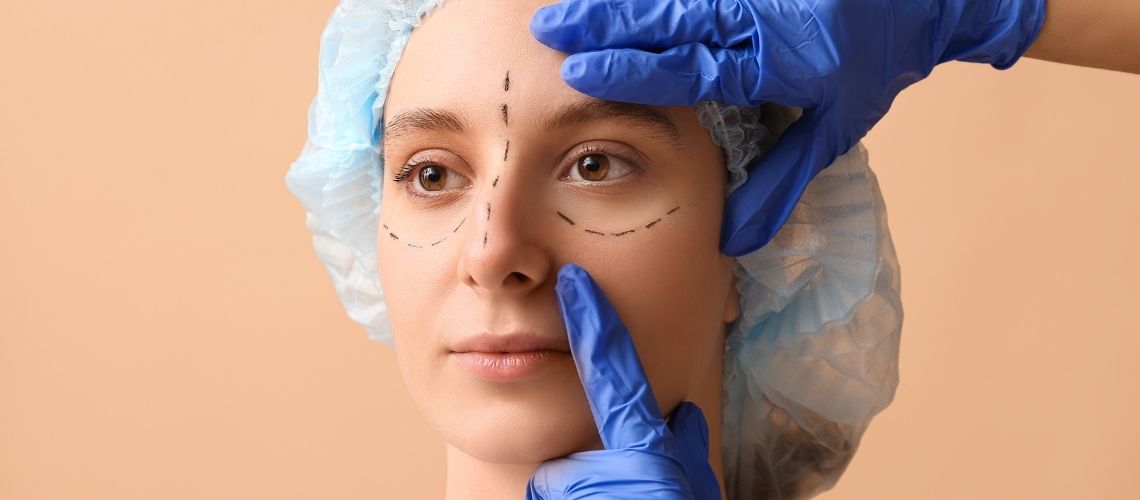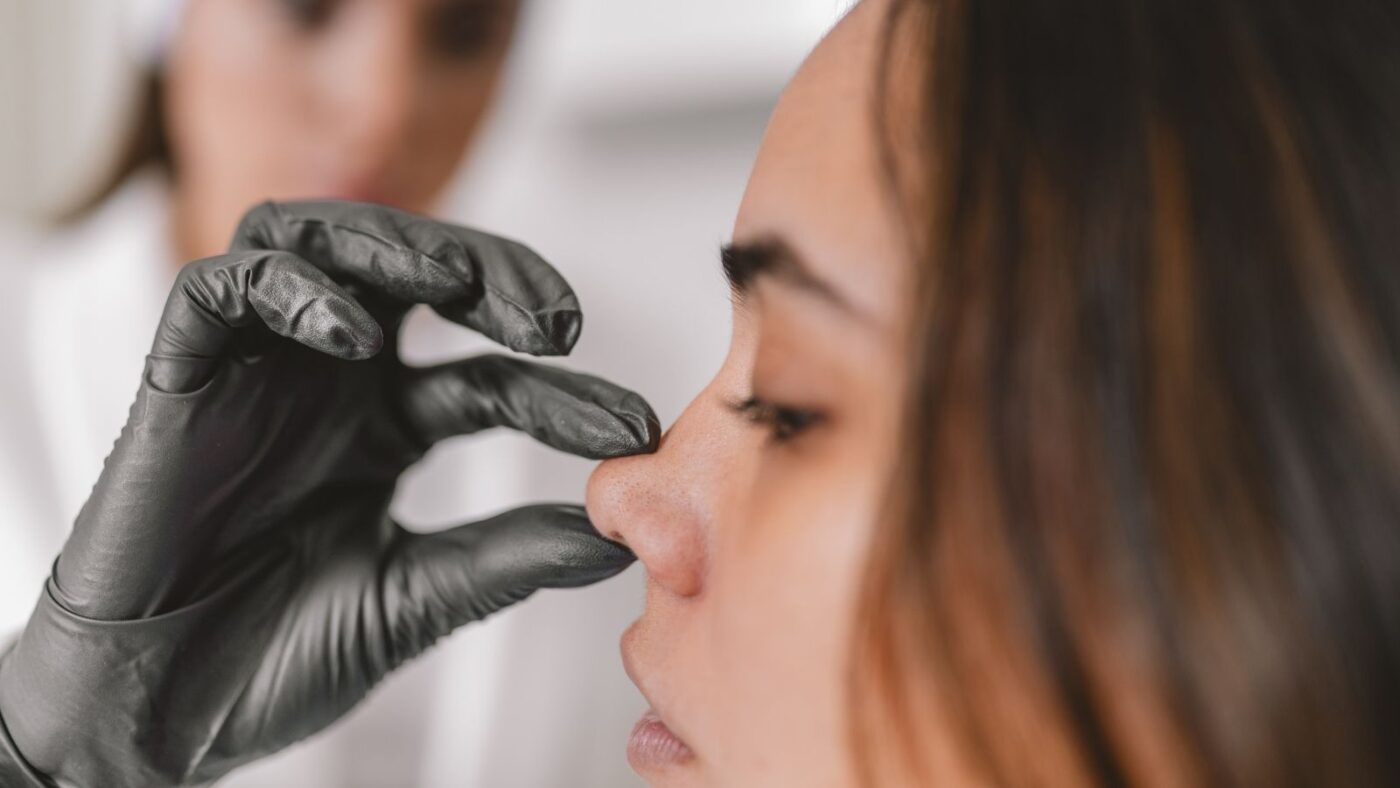
Columella drooping is a condition in which the thin vertical bridge located exactly in the middle of our nose, separating the nostrils from each other, sags downward more than normal. This condition can cause discomfort both aesthetically and, in some cases, functionally. So, what exactly is the columella and why is it important?
Columella means “small column” in Latin, and it truly is a structure that extends like a column under our nose, separating the nostrils (nasal vestibule) from each other. This thin bridge extending between the tip of your nose and your upper lip actually has a complex anatomical structure. It contains cartilage structures called the medial crura, soft tissue, and skin. This area plays a much more critical role in the overall appearance of the nose and facial aesthetics than is commonly thought.
In a normal nose, there is a certain proportion considered “ideal” between the columella and the nostrils. When viewed from the side profile, it is considered aesthetically balanced for the columella to be slightly visible (approximately 2-4 mm) below the lower margin of the nostrils. However, in cases of columella drooping, this structure extends much further downward than normal and disrupts the appearance of the nostrils. This condition becomes especially noticeable in the side profile and affects the overall harmony of the nose.
Columella drooping is not just a matter of appearance. This anatomical condition can change a person’s facial expression, affect smile aesthetics, and in some patients, lead to a feeling of nasal obstruction or difficulty breathing. Especially during laughing or speaking, the excessive prominence of the columella may cause individuals to feel self-conscious and uncomfortable in social environments.
İçindekiler
What Are the Causes of Columella Drooping and Contributing Factors?
Columella drooping is not caused by a single reason; it is generally a condition that arises from the combination of multiple factors. Understanding these causes is vital in determining the correct treatment approach and ensuring proper preoperative planning.
- Congenital Causes
In some individuals, columella drooping is present from birth. This condition may result from developmental differences in the nasal cartilages. Particularly, congenitally long medial crura (the cartilage structures forming the columella) or abnormal angulation may cause the columella to appear more prominent. Additionally, columella drooping is frequently observed in congenital anomalies such as cleft lip and palate.
- Age-Related Changes
As we age, nasal structures, like all tissues in our face, undergo changes. Loss of skin elasticity, the effect of gravity, and structural changes in cartilage tissues may cause the columella to droop more over time. Especially after the age of 40, columella drooping may become more pronounced along with the downward rotation of the nasal tip. This aging process varies from person to person and is also influenced by genetic factors.
- Trauma and Injuries
Blows to the nose, sports injuries, or accidents may damage the cartilage structures supporting the columella. Such traumas can disrupt the normal position of the columella and cause it to droop. Sometimes, small cartilage injuries that are not noticed at the time of trauma may lead to columella drooping over time.
- Complications of Previous Nasal Surgeries
After rhinoplasty (nose aesthetic surgery), especially if excessive intervention has been performed on the nasal tip cartilages or if the structures supporting the columella have not been adequately preserved, columella drooping may develop. This condition, which may require revision rhinoplasty, can occur as a result of excessive tissue removal or weakening of support structures during the first surgery.
- Anatomical Variations
Every person’s nasal anatomy is unique. Some individuals may naturally have longer nasal tip cartilages, thicker skin structure, or a more pronounced nasolabial angle (nose-lip angle). These anatomical variations may cause the columella to appear more prominent and increase the tendency for drooping over time.
Factors contributing to columella drooping include skin thickness, the structure of nasal cartilages, upper lip length, nose-lip angle, and overall facial structure. Additionally, habits such as smoking may worsen this condition by affecting skin elasticity. Each of these factors may influence the normal position and appearance of the columella, contributing to the development or progression of drooping.
Who Is a Suitable Candidate for Columella Drooping Surgery?
Columella drooping surgery is not a suitable option for every patient. For this surgery to yield successful results, patients must meet certain criteria and have realistic expectations. Before making a surgical decision, the patient’s general health condition, anatomical features, and expectations should be thoroughly evaluated.
Suitable Candidates for Surgery
Ideal candidates for columella drooping surgery generally have the following characteristics:
- Individuals with pronounced columella drooping who experience aesthetic or functional discomfort due to it
- Patients in good general health with no medical contraindications for surgery
- Individuals over 18 years of age who have completed facial development
- Non-smokers or individuals who can quit smoking before and after surgery
- Patients with realistic expectations, seeking improvement rather than perfection
- Individuals who can comply with postoperative care instructions and attend necessary follow-up appointments
Especially in patients who have previously undergone nasal surgery and developed columella drooping, it is possible to correct this issue within the scope of revision rhinoplasty. Additionally, in patients experiencing breathing difficulties due to columella drooping, both functional and aesthetic improvement can be achieved.
Conditions Unsuitable for Surgery
In some cases, columella drooping surgery may not be recommended or may need to be postponed:
- Patients with uncontrolled chronic diseases (diabetes, hypertension, heart diseases)
- Individuals with blood clotting disorders or those using blood thinners
- Active smokers (as smoking delays healing and increases complication risk)
- Pregnant or breastfeeding women
- Patients prone to keloid or abnormal scar formation
- Individuals with unrealistic expectations
- Patients who are psychologically unprepared for surgery or have body dysmorphic disorder
When deciding on surgery, factors such as the patient’s age, overall health condition, nasal anatomy, skin structure, and previous surgeries should be taken into consideration. Especially in patients with heart-lung diseases, diabetes, hypertension, or immune system disorders, surgical risks and benefits should be evaluated more carefully.
How Does the Preoperative Consultation Process Work?
Before columella drooping surgery, a comprehensive consultation process takes place. This process is critically important for both the patient and the surgeon and directly affects the success of the surgery. A good consultation clarifies the patient’s expectations, enables the surgeon to choose the correct technique, and ensures that potential risks are evaluated in advance.
- Initial Examination and Evaluation
The consultation process begins with taking a detailed medical history. The surgeon thoroughly questions the patient’s general health condition, medications used, allergies, previous surgeries, and especially nasal-related complaints. Then the physical examination phase begins.
During the nasal examination, the surgeon evaluates the condition of the columella both externally and from inside the nose. Factors such as the degree of drooping, the appearance of the nostrils, the structure of the nasal tip cartilages, and the nose-lip angle are examined. Additionally, internal nasal structures are evaluated to check for issues such as septal deviation that may affect breathing.
During the examination, photographs are usually taken from different angles. These photographs are used for surgical planning and archived for “before-after” comparison. Some surgeons may use computer-assisted imaging systems to show the patient a possible postoperative appearance; however, it should be remembered that these do not guarantee exact results.
- Determining Expectations
Perhaps one of the most important stages of the consultation is clearly understanding the patient’s expectations. The surgeon listens in detail to how the patient is disturbed by the columella drooping, what kind of change is desired, and what is expected from the surgery.
At this stage, the surgeon evaluates whether the patient’s expectations are realistic and, if necessary, adjusts them to realistic limits. For example, the patient is informed that correcting only the columella drooping will not completely change the overall appearance of the nose and that additional interventions may be required in some cases.
This open communication between patient and surgeon directly affects postoperative satisfaction. Clearly defining expectations prevents possible disappointment and strengthens the patient-surgeon relationship.
- Surgical Planning
After the examination and evaluation of expectations, the surgeon plans the technique to be used to correct the columella drooping. This planning is personalized according to the patient’s anatomical features, the degree of drooping, and underlying causes.
The surgeon determines the surgical approach (open or closed technique), the cartilage interventions to be performed, the type of graft (tissue transfer) to be used if necessary, and the scope of the surgery. In some cases, correction of columella drooping may require intervention on the nasal tip or septum as well.
At this stage, the surgeon explains the planned procedures in clear language, using drawings or visuals if necessary. The patient’s questions are answered and all options are evaluated.
- Preoperative Preparations
After the decision for surgery is made, the patient enters the preparation phase. The following steps should be completed during this process:
- Necessary laboratory tests and radiological examinations (blood tests, ECG, chest X-ray if required)
- Evaluation by the anesthesiologist
- Stopping smoking and alcohol use at least 2 weeks before surgery
- Discontinuing aspirin and similar blood-thinning medications 10 days before surgery
- Learning the fasting period required on the day of surgery
- Obtaining necessary postoperative materials (nasal tape, cold compress, prescribed medications)
- Arranging for a companion to assist during the first postoperative days
The surgeon explains these preparations in detail and provides written instructions. Compliance with the preparation process directly affects the safety and success of the surgery.
- Informed Consent
The final stage of the consultation process is signing the informed consent form. This form includes written details of the surgery, expected results, possible risks and complications, the healing process, and alternative treatment options.
Before signing this form, the patient should read and understand all the information and ask the surgeon any questions if necessary. Informed consent is not only a legal requirement but also an important part of the trust relationship between patient and surgeon.
During the consultation process, the patient is provided with detailed information about the risks of the surgery, the healing process, postoperative restrictions, when results will be visible, and possible complications. This information enables the patient to make an informed decision about the surgery and helps establish realistic expectations.
What Surgical Techniques Are Used in Columella Drooping Surgery?
Various surgical techniques can be used to correct columella drooping. Since each patient’s anatomy and problem are different, a personalized approach is required. The chosen technique varies depending on the degree of drooping, underlying causes, the patient’s anatomical features, and the surgeon’s experience.
Basic Surgical Approaches
- Open Rhinoplasty Technique: In this approach, a small incision is made at the lower part of the columella to provide direct visualization of the nasal cartilages. This technique allows the surgeon to fully see the structures forming the columella and perform precise interventions. It is especially preferred in complex columella drooping cases.
- Closed Rhinoplasty Technique: In this method, all incisions are made inside the nose, leaving no visible external scar. Although it provides a more limited field of view, it can be successfully performed by experienced surgeons. It may be preferred in simple columella drooping cases.
- Cartilage Resection (Removal): The excess portions of the medial crura forming the columella can be removed to reduce drooping. This technique must be applied carefully, as excessive resection may lead to destabilization of the nasal tip.
- Support with Cartilage Grafts: Cartilage grafts may be used to correct the position of the columella. These grafts are usually taken from the septum (nasal septum), ear cartilage, or rib cartilage. Grafts strengthen the structure of the columella and correct its position.
- Suture Techniques: The position and shape of the cartilages can be changed using special suturing techniques. This method offers a minimally invasive approach and helps achieve natural results.
- V-Y Advancement Technique: A V-shaped incision is made at the base of the columella, and the tissue is closed in a Y shape. This technique is used to adjust the length and position of the columella.
- Composite Grafts: In some cases, especially in patients with post-traumatic columella loss, composite grafts containing skin and cartilage may be used. These grafts are usually harvested from the ear.
Factors Affecting Technique Selection
When deciding which technique to use, the surgeon considers the following factors:
- The degree and type of columella drooping
- Underlying anatomical causes (long medial crura, septal deviation, etc.)
- The patient’s skin thickness and tissue characteristics
- Previous nasal surgeries
- Other accompanying nasal problems (nasal tip drooping, septal deviation, etc.)
- The patient’s expectations and preferences
- The surgeon’s experience and area of expertise
For example, in a patient with mild columella drooping, minimally invasive suture techniques may be sufficient, whereas in a patient with severe drooping or previous unsuccessful surgery, an open technique and cartilage grafts may be required.
Combined Procedures
Correction of columella drooping is often performed not alone but in combination with other nasal procedures, as columella drooping is usually associated with other structural nasal problems. Other procedures that may be performed along with columella drooping surgery include:
- Septoplasty: Correction of deviation of the nasal septum
- Nasal Tip Plasty: Shaping and repositioning of the nasal tip
- Dorsal Hump Correction: Correction of bone or cartilage protrusions on the nasal bridge
- Nasal Valve Surgery: Widening of the nasal airways
- Full Rhinoplasty: Correction of all structural and aesthetic problems of the nose
These combined procedures provide more comprehensive improvement both functionally and aesthetically. The surgeon recommends the most appropriate combination according to the patient’s needs and expectations.
The Surgical Process: Step-by-Step Patient Experience from Preparation to Recovery
Columella drooping surgery is a comprehensive experience that begins with the patient’s arrival at the hospital on the day of surgery and continues through the recovery process at home. Let us examine this process step by step.
Surgery Day: Arrival at the Hospital and Preparation
On the day of surgery, the patient usually arrives at the hospital 1–2 hours before the procedure. After completing admission procedures, the patient is taken to the operating room preparation area. There, the patient is dressed in a surgical gown and an intravenous line is established. Final preoperative checks are performed:
- Confirmation that the patient is fasting (usually required after midnight)
- Review of medications used and allergies
- Measurement of vital signs (blood pressure, pulse, temperature)
- Marking of the surgical area if necessary
- Final evaluation by the anesthesiologist and surgeon
At this stage, the patient has the opportunity to speak one last time with the anesthesia team and surgeon and ask any final questions. A sedative medication may be administered before being taken to the operating room.
Anesthesia Administration
Columella drooping surgery may be performed using different anesthesia methods depending on the scope of the surgery and the patient’s preference:
- Local Anesthesia: Only the nasal area is numbed. The patient remains awake but does not feel pain. Generally preferred for simple cases.
- Local Anesthesia + Sedation: The nasal area is numbed and the patient is relaxed with sedative medications. The patient is awake but calm and comfortable.
- General Anesthesia: The patient is completely asleep. Preferred for more extensive surgeries or patients with high anxiety.
Regardless of the anesthesia method, the patient does not feel pain during surgery. The anesthesiologist closely monitors the patient’s vital signs throughout the procedure.
The Surgical Procedure
After anesthesia is administered, the surgical procedure begins. The duration of the surgery may vary between 1 and 3 hours depending on the technique used and the extent of the procedures performed. The procedure consists of the following stages:
- Preparation of the Surgical Field: The nose and surrounding area are cleaned with antiseptic solutions.
- Making Surgical Incisions: Incisions are made according to the preferred technique (open or closed).
- Access to the Columella: Cartilage and soft tissues are reached.
- Corrective Procedures: Depending on the cause of the drooping, cartilage resection, reshaping, graft placement, or suture techniques are applied.
- Additional Procedures: If necessary, additional procedures such as septoplasty or nasal tip plasty are performed.
- Closure of Incisions: Incisions are closed with fine sutures.
- Bandaging and Splinting: Nasal packing may be placed inside the nose, and an external cast or thermoplastic splint may be applied.
During surgery, the surgeon continuously checks the position of the columella and makes necessary adjustments. The goal is to achieve a natural appearance in harmony with the nostrils.
The First Hours After Surgery
After the surgery is completed, the patient is taken to the recovery room. There, the effects of anesthesia are allowed to wear off and vital signs are stabilized. During this process:
- The patient’s consciousness, breathing, and circulation are closely monitored
- Medications are administered for pain control
- Antiemetic medications are given if nausea occurs
- Cold compresses are applied around the nose to reduce swelling and bruising
- The patient’s ability to breathe comfortably is assessed
Once the patient is fully awake and stable, they are transferred to their room. In the first hours, it is recommended to keep the head elevated and avoid excessive movement. Nurses regularly check the patient, assessing for bleeding and pain levels.
Discharge and Returning Home
Columella drooping surgery is generally performed as a day-case procedure, meaning the patient may be discharged the same day. However, depending on the scope of the surgery, type of anesthesia, and the patient’s general condition, an overnight hospital stay may be required.
The following criteria must be met for discharge:
- The patient is fully conscious
- Vital signs are stable
- No active bleeding
- Pain is under control
- Minimal nausea and vomiting
- The patient can tolerate oral fluids
- The patient can walk
Before discharge, the surgeon or nurse provides detailed care instructions, which should also be given in written form. It is important for the patient to be accompanied by someone and not to drive when returning home.
First Week: Early Recovery Period
The first week after surgery is the most critical period of recovery. During this time, the patient may experience:
- Swelling and bruising around the nose and face
- Moderate pain and discomfort
- Nasal congestion (especially if packing was placed)
- Headache and a feeling of pressure in the face
- Difficulty sleeping
- Swelling and bruising around the eyes
During this period, the patient should:
- Sleep with the head elevated (using at least 2 pillows)
- Take prescribed painkillers and antibiotics regularly
- Apply cold compresses around the nose regularly (first 48 hours)
- Avoid heavy lifting, bending, and strenuous activities
- Avoid wiping or scratching the nose
- Avoid wearing glasses (support with special taping if necessary)
- Consume plenty of fluids and maintain a healthy diet
The first follow-up appointment is usually scheduled 5–7 days after surgery. During this visit, nasal packing (if present) is removed, sutures are taken out, and the splint or cast may be removed. The surgeon evaluates the healing process and provides further recommendations.
Continuation of the Recovery Process
After the first week, the recovery process continues as follows:
- Weeks 2–3: Swelling and bruising decrease significantly. The patient may return to daily activities but should avoid heavy sports.
- 1 Month: Most swelling subsides, and the nose begins to take on a more natural appearance. Light exercise may be resumed.
- 3 Months: Fine details become more apparent, and the new position of the columella becomes clearer. Most activities can be resumed.
- 6 Months – 1 Year: The final result becomes visible. All swelling resolves and tissues are fully healed.
During this process, the patient must attend the recommended follow-up appointments. If an unexpected situation occurs (excessive bleeding, severe pain, fever, extreme swelling, etc.), the surgeon should be contacted immediately.
In addition to physical symptoms, the patient may also experience emotional fluctuations during the surgical process. Especially in the first days after surgery, swelling and bruising may cause dissatisfaction with appearance. This is a normal process, and as healing progresses, these feelings usually turn positive. Patience is important, and at least 6–12 months should be allowed for the final result. During this period, protecting from the sun, avoiding smoking and alcohol, maintaining a healthy diet, and ensuring regular sleep positively influence recovery.
Recovery Process and Care After Columella Drooping Surgery
The recovery process is as important as the success of columella drooping surgery itself. Proper care and follow-up play a critical role in achieving optimal results and preventing complications. Although each patient’s recovery process varies individually, there is a general timeline and care protocol.
Recovery Timeline
First 24–48 Hours:
- Noticeable swelling and bruising around the face and nose
- Nasal congestion and difficulty breathing
- Moderate pain and discomfort
- Numbness in the nose and upper lip area
- Throat irritation (if nasal packing is present)
- Minimal bleeding or bloody discharge
3–7 Days:
- Peak swelling and bruising
- Pain begins to decrease
- Continued nasal congestion
- Removal of packing and sutures
- Removal of splint
- Persistent feeling of tightness in the face
1–2 Weeks:
- Swelling and bruising begin to decrease
- Improvement in nasal congestion
- Return to work or school (usually after 7–10 days)
- Mild swelling and firmness still present in the columella area
- Continued numbness in the nasal tip and columella
3–4 Weeks:
- Significant reduction in swelling
- Complete resolution of bruising
- Return to light physical activities
- The nose and columella begin to take on a more natural appearance
- Reduction in numbness
1–3 Months:
- 70–80% of swelling resolves
- The new position of the columella becomes more defined
- Return to most physical activities
- The nose gains a more natural look and feel
- Noticeable improvement compared to preoperative photographs
6–12 Months:
- All swelling resolves
- The final result becomes apparent
- The columella is fully healed and has a natural appearance
- Return to all activities
- Tissues fully soften and mature
It should not be forgotten that each patient’s recovery process is different. Factors such as age, skin type, extent of surgery, surgical technique, and the patient’s healing capacity affect this process. In some patients, the emergence of fine details and full recovery may take up to 1 year.
Postoperative Care Instructions
To achieve optimal results after columella drooping surgery, it is important for the patient to follow these care instructions:
Position and Rest:
- Sleep with your head elevated for the first 1–2 weeks (use at least 2–3 pillows)
- Avoid sudden head movements
- Rest as much as possible during the first week
- Avoid bending, heavy lifting, and strenuous activities
- Do not lie face down; be careful when lying on your side
Cold Application:
- Apply cold compresses regularly around the nose (including the eyes) during the first 48 hours
- Wrap ice packs in a clean towel; do not apply directly to the skin
- Apply for 10–15 minutes every hour, then take a break
- Cold compress helps reduce swelling and bruising
Medication Use:
- Use prescribed painkillers at the recommended dose and duration
- Complete the full course of antibiotics to reduce infection risk
- Use recommended anti-inflammatory medications to reduce swelling
- Avoid aspirin and similar blood thinners (unless specifically advised by your doctor)
- Consult your doctor before taking any over-the-counter medications
Nasal Care:
- Do not wipe your nose; gently dab if necessary
- Keep your mouth open when sneezing to reduce pressure
- Do not manipulate or attempt to clean inside the nose
- Use nasal sprays or drops recommended by your doctor
- Keep the nasal splint or bandage in place until removed by your doctor
- Do not attempt to remove sutures yourself
Nutrition and Fluid Intake:
- Drink plenty of water to stay hydrated
- Prefer soft and easy-to-chew foods in the first days
- Avoid salty foods (they may increase swelling)
- Avoid alcohol and smoking (they delay healing)
- Consume foods rich in vitamin C (they support healing)
Hygiene and Cleaning:
- Be careful not to touch your nose when washing your face
- Prevent water from hitting your nose directly while showering
- Avoid wearing makeup (until your doctor allows it)
- Do not tilt your head backward while washing your hair
- Be gentle when cleaning around the nose; do not rub
Clothing and Accessories:
- Do not wear glasses (support with special taping if necessary)
- Prefer button-down clothing instead of clothes pulled over the head
- Avoid accessories that may apply pressure to the nasal area
- Protect from the sun; wear a hat and use high-factor sunscreen
Return to Normal Activities
After columella drooping surgery, return to normal activities should be gradual. As a general guide:
- Work/School: Usually after 7–10 days. In physically demanding jobs, this period may extend to 2–3 weeks.
- Light Exercise (Walking): Can begin after 2 weeks.
- Moderate Exercise (Brisk Walking, Light Jogging): Can begin after 3–4 weeks.
- Heavy Exercise (Running, Weightlifting): Can begin after 6 weeks.
- Swimming: After 4–6 weeks (when the nose is fully healed).
- Contact Sports (Basketball, Football, etc.): At least after 3 months.
- Sexual Activity: After 2 weeks (being gentle).
- Alcohol Consumption: After 2 weeks (in small amounts).
- Smoking: Ideally not at all; wait at least 4–6 weeks.
- Makeup: After 2 weeks (being careful around the nose).
- Sun Exposure: Avoid direct sunlight for 3 months; afterward use high-factor sunscreen.
These timeframes are general guidelines and may vary for each patient. Following your surgeon’s recommendations is best.
Follow-Up Appointments
Regular follow-up appointments are very important for monitoring the healing process and early detection of possible complications. A typical follow-up schedule is:
- First Follow-Up (Day 5–7): Removal of packing and sutures, removal of splint, evaluation of early healing.
- Second Follow-Up (Week 2–3): Evaluation of swelling and bruising, review of early results.
- Third Follow-Up (Month 1–2): Assessment of healing, review of activity restrictions.
- Fourth Follow-Up (Month 6): Evaluation of mid-term results.
- Final Follow-Up (Year 1): Evaluation and documentation of the final result.
These appointments must be attended, and the surgeon’s recommendations should be followed carefully. In case of any concern or unexpected situation, contact the surgeon immediately without waiting for the scheduled appointment.
Potential Risks, Complications, and Limitations
As with any surgical procedure, columella drooping surgery has certain risks and limitations. Patients must be fully informed about these. Knowing the risks helps prevent them and strengthens the trust relationship between patient and surgeon.
General Surgical Risks
General risks that may occur in all surgical procedures, including columella drooping surgery, include:
- Anesthesia Risks: Allergic reactions, respiratory problems, nausea-vomiting
- Bleeding: Excessive bleeding during or after surgery
- Infection: Bacterial growth and infection at the surgical site
- Delayed Wound Healing: Slower-than-normal wound closure
- Scar Formation: A small scar may remain on the columella, especially if the open technique is used
- Pain and Discomfort: More severe or prolonged pain than expected
- Thrombosis (Blood Clot): Formation of blood clots in the leg veins or lungs (rare)
Surgery-Specific Complications
Potential complications specific to columella drooping surgery include:
- Asymmetry: The two sides of the columella not being completely symmetrical
- Overcorrection: Excessive elevation of the columella, making the nostrils overly visible
- Undercorrection: Inadequate correction of the drooping
- Recurrence: The columella drooping again over time
- Reduced Nasal Tip Support: Loss of support of the nasal tip due to excessive tissue removal
- Nostril Asymmetry: Differences in shape or size of the nostrils
- Skin Discoloration: Persistent redness or pigmentation in the columella area
- Loss or Change of Sensation: Numbness or tingling in the columella or nasal tip
- Breathing Problems: Narrowing or obstruction of the nasal airway
- Change in Sense of Smell: Temporary or permanent smell disorders (rare)
Long-Term Risks
Long-term risks that may appear months or years after surgery include:
- Tissue Contracture: Shrinkage of scar tissue over time affecting the shape of the columella
- Graft Problems: Resorption, displacement, or visibility of cartilage grafts over time
- Changes in Skin Quality: Thinning of the skin, loss of elasticity
- Aging-Related Changes: The aging process affecting surgical results
- Post-Traumatic Deformity: Deformation of the corrected columella due to impact or injury
Limitations of the Surgery
Columella drooping surgery has certain limitations, and patients’ expectations must be realistic:
- Perfect Symmetry May Not Be Achieved: The human face is naturally asymmetrical, and achieving complete symmetry surgically may not always be possible.
- Skin Quality Affects the Result: Thick, oily, or low-elasticity skin may limit optimal results.
- Previous Surgeries May Affect the Result: Previous nasal surgeries may limit results due to scar tissue formation.
- The Aging Process Continues: Surgery does not stop aging; new changes may occur over time.
- Functional Problems May Not Be Fully Resolved: Even if columella drooping is corrected, other accompanying nasal problems may persist.
- Psychological Expectations May Not Be Met: Surgery may increase self-confidence but does not resolve all psychological issues.
Factors Increasing Risk
Certain factors may increase the risk of complications:
- Smoking: Delays healing and increases infection risk
- Chronic Diseases: Diabetes, hypertension, immune system disorders
- Medication Use: Blood thinners, steroids, some herbal supplements
- Advanced Age: Decreased tissue elasticity, slower healing
- Skin Problems: Acne, rosacea, eczema
- Keloid Tendency: Tendency to form abnormal scars
- Unrealistic Expectations: Inadequate psychological preparation
If complications develop, early diagnosis and intervention are very important. Depending on the situation, the surgeon may apply medical treatment, injections, or revision surgery. Patients should immediately contact their doctor if they experience emergency symptoms such as severe pain, excessive bleeding, high fever, severe swelling or redness, or serious breathing difficulty.
Despite all these risks and limitations, with proper patient selection, good surgical planning, and an experienced surgeon, columella drooping surgery is a safe and effective procedure with high patient satisfaction. Having realistic expectations and following the surgeon’s recommendations are key to achieving successful results.
What Results Are Expected from Columella Drooping Surgery?
Having realistic expectations after surgery is critical for patient satisfaction. The results of columella drooping surgery may vary depending on various factors. Knowing what to expect helps patients feel more comfortable when making the surgical decision and during the recovery process.
Aesthetic Results
The aesthetic improvements expected from columella drooping surgery include:
- Balanced Profile: The columella achieving a natural position in harmony with the nostrils
- Improved Nostril Appearance: Nostrils that were hidden due to excessive columella visibility appearing more aesthetic
- Correction of the Nose-Lip Angle: A more aesthetic angle between the columella and upper lip
- More Balanced Nasal Tip Appearance: Improvement in the overall appearance of the nasal tip with columella correction
- Enhanced Facial Harmony: The nose becoming more harmonious with other facial features
Aesthetic results typically become fully apparent 6–12 months after surgery. Swelling and mild asymmetries seen in the first months improve over time. Most patients are satisfied with the new position of the columella and the improvement in the overall appearance of the nose.
Functional Improvements
Columella drooping may sometimes cause functional problems. Functional improvements expected after surgery include:
- Easier Breathing: Widening of the nasal airway narrowed due to columella drooping
- Reduction in Nasal Congestion: Especially if septal deviation accompanies columella drooping, improvement after correction
- Comfort During Speaking and Smiling: Elimination of discomfort caused by excessive columella visibility
- Improved Nasal Hygiene: Nostrils becoming more visible and accessible
Functional improvements are usually felt within the first few weeks as swelling subsides. Full functional recovery occurs within 1–3 months.
Factors Affecting Results
Various factors affect the results of columella drooping surgery:
- Patient’s Anatomy: Nasal structure, skin thickness, cartilage quality
- Degree of Drooping: Severity of initial columella drooping
- Surgeon’s Experience and Technique: Level of expertise and techniques used
- Postoperative Care: Patient’s compliance with recommendations and care instructions
- Healing Capacity: Age, general health, smoking status
- Accompanying Procedures: Other nasal surgeries performed together with columella correction
- Tissue Quality: Skin elasticity, cartilage strength
- Aging Process: Effects of aging after surgery
Since these factors vary for each patient, results also differ individually. The surgeon should explain the expected outcomes according to the patient’s specific condition during the preoperative consultation.
Patient Satisfaction
Patient satisfaction after columella drooping surgery is generally high. Studies in the literature report 80–90% patient satisfaction when proper patient selection and appropriate technique are used. Factors affecting satisfaction include:
- Realistic Expectations: Patients with realistic preoperative expectations report higher satisfaction
- Patient-Surgeon Communication: Good communication before and after surgery increases satisfaction
- Absence of Complications: Satisfaction is higher in patients without complications
- Aesthetic and Functional Improvement: Patients who experience improvement in both areas are more satisfied
- Social Feedback: Positive feedback from the social environment may increase satisfaction
- Psychological Factors: The patient’s overall psychological state and body image
To increase patient satisfaction, it is important for the surgeon to provide detailed preoperative information, establish realistic expectations, and patiently answer the patient’s questions.
Need for Revision
In some cases, revision (corrective) surgery may be required after the first operation. Situations requiring revision include:
- Undercorrection: Inadequate correction of columella drooping
- Overcorrection: Excessive elevation of the columella
- Asymmetry: Asymmetrical appearance of the columella or nostrils
- Graft Problems: Shifting, visibility, or resorption of grafts
- Scar Tissue Formation: Distortion of columella shape due to excessive scar tissue
- Functional Problems: Persistence of functional issues such as breathing difficulty
Revision surgery is generally planned at least 6–12 months after the first surgery. This period is necessary for complete tissue healing and the emergence of the final result. Revision surgeries are usually more complex than the initial operation and should be performed by experienced surgeons.
Postoperative Follow-Up and Long-Term Care Requirements
To maintain successful results after columella drooping surgery, regular follow-up and appropriate care are essential. Postoperative care includes not only the early healing period but also the preservation of results over many years.
Regular Follow-Ups
Regular follow-up visits are very important for monitoring healing and early detection of possible problems. During follow-ups, the following evaluations are made:
- Assessment of Wound Healing: Healing status of incisions, scar tissue formation
- Monitoring of Swelling and Bruising: Whether swelling and bruising decrease normally
- Evaluation of Columella Position: Monitoring the position and shape of the columella
- Functional Assessment: Checking breathing function
- Assessment of Patient Satisfaction: Patient’s level of satisfaction with results
- Photographs: Regular photographs for “before-after” comparison
Follow-up frequency is generally as follows: 1st week, 2–3rd week, 1st month, 3rd month, 6th month, and 1st year after surgery. Annual check-ups are recommended thereafter. However, this schedule may vary depending on the patient’s condition and the surgeon’s preference.
Long-Term Care Recommendations
To preserve results in the long term after columella drooping surgery, the following care recommendations should be considered:
- Sun Protection: Use high-factor sunscreen and wear a hat to protect the nose and columella from the sun
- Skin Care: Use appropriate skincare products to keep nasal skin moisturized and healthy
- Protection from Trauma: Avoid blows to the nose; use nasal protectors if necessary during contact sports
- Avoid Smoking and Alcohol: Avoid substances that negatively affect skin quality and accelerate aging
- Healthy Nutrition: Follow a diet rich in antioxidants that support skin health
- Adequate Hydration: Drink at least 2 liters of water daily to keep the skin hydrated
- Proper Nasal Hygiene: Gently clean the inside of the nose; use saline sprays if necessary to prevent dryness
Lifestyle Changes
Certain lifestyle changes are recommended to enhance the longevity of surgical results:
- Quit Smoking: Smoking reduces skin elasticity and accelerates aging
- Limit Alcohol Consumption: Excessive alcohol may cause swelling and inflammation
- Regular Exercise: Engage in regular exercise to improve overall health and circulation
- Stress Management: Apply stress management techniques to reduce the negative effects of chronic stress on skin health
- Sleep Routine: Adequate and quality sleep is important for tissue regeneration
- Weight Control: Avoid sudden weight gain or loss that may affect facial tissues
When to Consult a Doctor?
In the long term after surgery, consult your doctor immediately in the following situations:
- Change in Columella Position: The columella begins to droop again
- Deformity: Change in shape of the nasal tip or columella
- Breathing Difficulty: Newly developed or worsening breathing problems
- Trauma: Impact or injury to the nose
- Signs of Infection: Redness, swelling, pain, discharge
- Graft Problems: Visibility or displacement of grafts
- Changes in Scar Tissue: Thickening, redness, or itching of scar tissue
Early detection and intervention in these cases help prevent more serious problems.
Permanence of Results
The results of columella drooping surgery are generally permanent; however, the aging process and other factors may cause some changes over time. Factors affecting permanence include:
- Aging Process: Loss of skin elasticity and the effects of gravity with age
- Skin Type and Quality: Highly elastic skin provides more lasting results
- Surgical Technique Used: Techniques that strengthen structural support provide more permanent results
- Trauma or Injury: Blows to the nose may affect results
- Smoking: Smoking reduces tissue quality and longevity of results
- Genetic Factors: Genetic structure affects the aging process and tissue behavior
In general, columella drooping correction performed with proper surgical technique maintains its effect for many years despite the aging process. However, minimal changes related to aging may be seen after 10–15 years.
During the postoperative follow-up process, the surgeon closely monitors the patient’s recovery and provides necessary recommendations. Patients should attend the recommended follow-up appointments, comply with care instructions, and contact their surgeon in case of any concerns. Regular follow-up and appropriate care are the most important factors that increase the success and longevity of columella drooping surgery.

Prof. Dr. Murat Songu – Burun Estetiği (Rinoplasti) Uzmanı
Prof. Dr. Murat Songu, 1976 yılında İzmir’de doğmuş, tıp eğitimini Ege Üniversitesi Tıp Fakültesi’nde tamamladıktan sonra Celal Bayar Üniversitesi Kulak Burun Boğaz Anabilim Dalı’nda uzmanlık eğitimini tamamlamıştır. 2005–2006 yıllarında Fransa’nın Bordeaux kentinde Prof. Vincent Darrouzet ve Dr. Guy Lacher gibi rinoloji alanının önde gelen cerrahlarıyla çalışarak rinoplasti, fonksiyonel burun cerrahisi ve kafa tabanı cerrahisi üzerine ileri eğitim almıştır.
Burun estetiğinde doğal görünüm, nefes fonksiyonunun korunması ve yüz estetiği dengesini ön planda tutan Prof. Dr. Songu, açık teknik rinoplasti, piezo (ultrasonik) rinoplasti, revizyon rinoplasti, burun ucu estetiği ve fonksiyonel septorinoplasti operasyonlarında ulusal ve uluslararası düzeyde tanınan bir cerrahtır. Yurt içi ve yurt dışında çok sayıda rinoplasti kongresinde eğitici ve konuşmacı olarak yer almış; yüz estetiği ve burun cerrahisinde modern tekniklerin yaygınlaşmasına öncülük etmiştir.
100’den fazla bilimsel yayını, kitap bölümü yazarlıkları ve 1700’ü aşkın uluslararası atfıyla rinoplasti alanında Türkiye’nin en saygın akademisyenlerinden biri olan Prof. Dr. Murat Songu, doğal, yüzle uyumlu ve fonksiyonel sonuçlar hedefleyen cerrahi yaklaşımıyla hem bilimsel hem estetik başarıları bir araya getirmektedir.