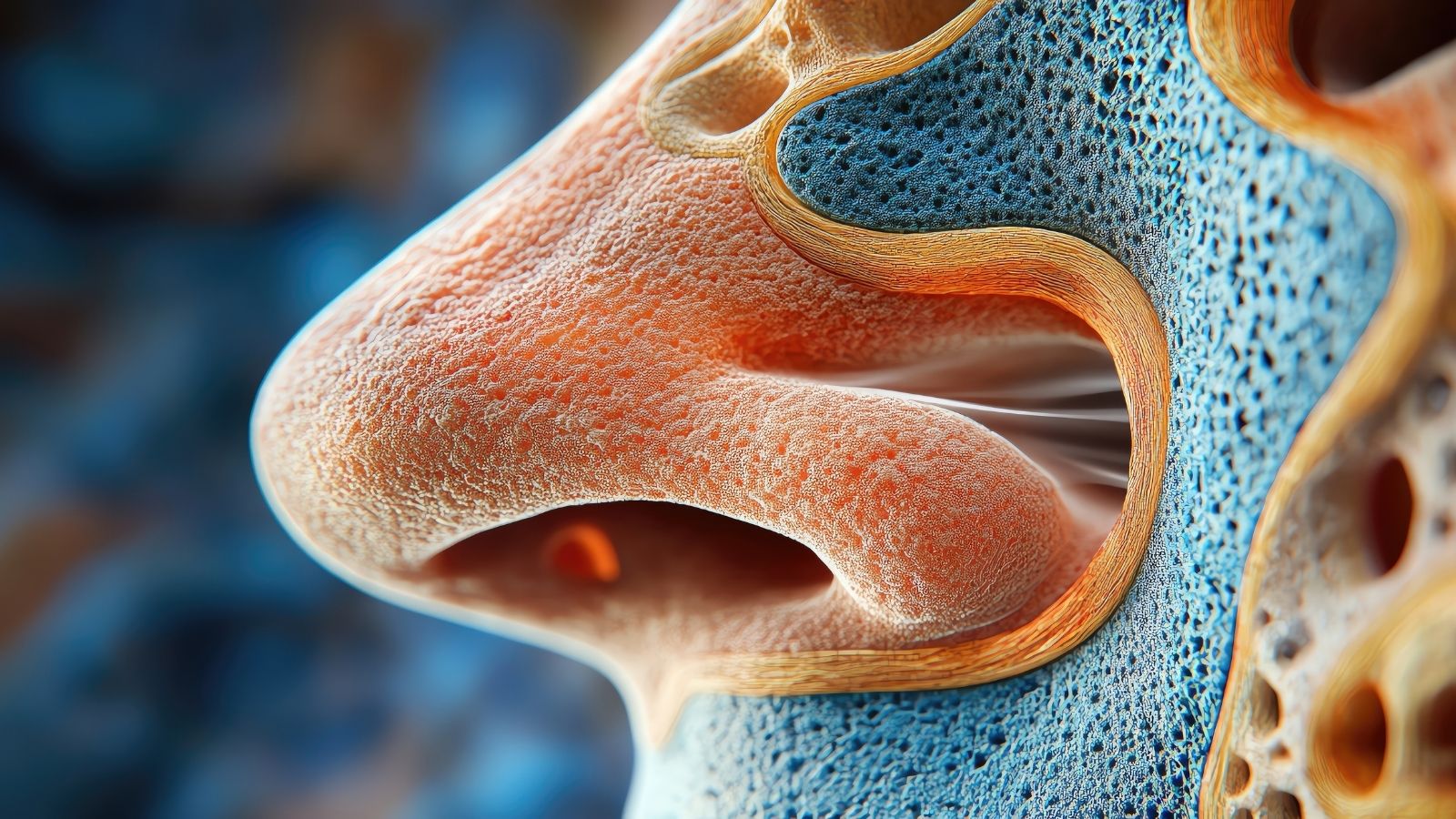
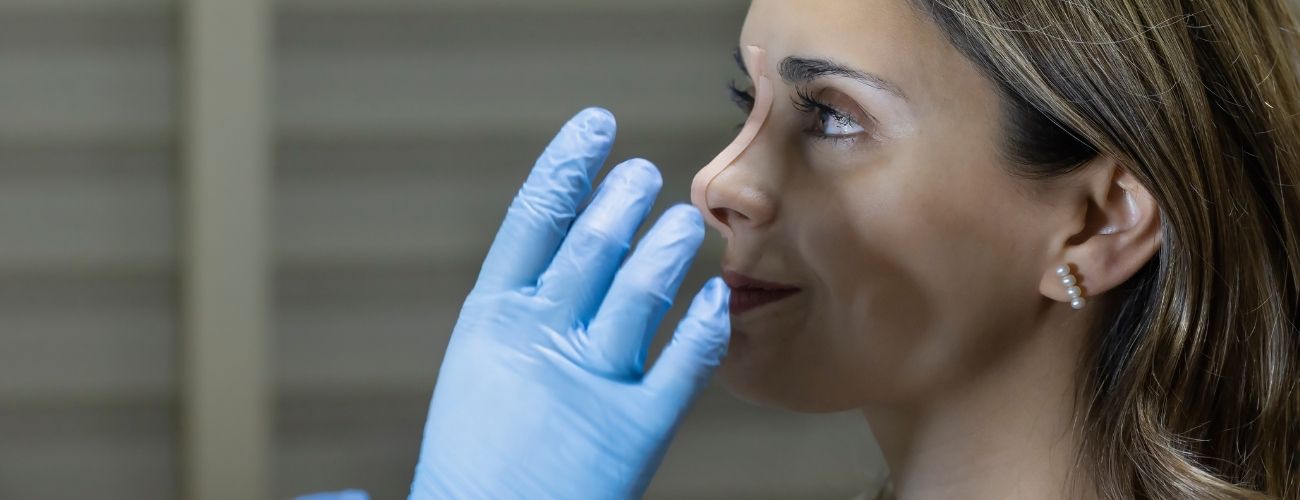
Rhinoplasty, also known as a “nose job,” is a common aesthetic treatment that can improve the nose’s look and function. Despite the fact that most rhinoplasty operations are successful, some patients may decide to have a revision rhinoplasty to address unresolved issues or complications from a prior operation. In this post, we’ll explore the topic of revision rhinoplasty, discussing if it’s a viable option and the things to consider before deciding.
| Definition | Revision rhinoplasty is a secondary (or subsequent) nose surgery performed to improve functional problems, correct cosmetic concerns, or address complications after a previous rhinoplasty. |
| Is It Worth It? | Whether revision rhinoplasty is worthwhile depends on the severity of the problems, the patient’s goals, the expected improvement, and the likelihood of achieving a satisfactory outcome. |
| Common Reasons for Revision | Persistent breathing difficulties, nasal asymmetry, irregularities of the bridge, tip deformities, collapse of nasal structures, over- or under-correction, scar tissue, or dissatisfaction with the initial cosmetic result. |
| Potential Benefits | Improved nasal function, enhanced facial harmony, correction of deformities, increased confidence, and greater satisfaction when realistic expectations are achieved. |
| Challenges | Revision surgery is generally more complex than primary rhinoplasty because of scar tissue, altered anatomy, reduced cartilage availability, and previous surgical changes. |
| Success Rate | Many patients experience meaningful improvement, but revision rhinoplasty typically has less predictable outcomes than primary rhinoplasty. Results depend on the specific problem and surgical complexity. |
| Cartilage Grafting | Additional cartilage from the nasal septum, ear, or rib may be required to rebuild support or correct deformities during revision surgery. |
| Recovery | Swelling often lasts longer than after primary rhinoplasty. Final results may take 12–18 months or longer to become fully apparent, especially for the nasal tip. |
| Risks | Bleeding, infection, persistent asymmetry, breathing problems, scarring, prolonged swelling, numbness, graft-related issues, or the possibility of requiring another revision procedure. |
| Patient Satisfaction | Satisfaction is generally highest when revision surgery addresses clearly defined functional or structural issues and when expectations are realistic regarding the degree of improvement. |
| Who May Benefit Most? | Individuals with significant functional impairment, noticeable structural deformities, or persistent cosmetic concerns that substantially affect quality of life despite adequate healing from the previous surgery. |
| When to Consider Revision | Revision rhinoplasty is usually recommended only after the nose has completely healed from the previous operation, which commonly requires at least 12 months unless urgent medical issues are present. |
| Decision Factors | The decision should consider the severity of the problem, potential benefits, surgical risks, recovery time, and the possibility that complete perfection cannot be guaranteed. |
| Overall Conclusion | Revision rhinoplasty can be worthwhile for appropriately selected patients with significant functional or cosmetic concerns, but it requires careful evaluation, realistic expectations, and an understanding that it is generally more technically demanding than primary rhinoplasty. |
What Is Revision Rhinoplasty?
Revision rhinoplasty, sometimes referred to as secondary rhinoplasty, is an operation done to fix or enhance the outcomes of an earlier rhinoplasty procedure. As the surgeon must deal with altered nasal architecture, scar tissue, and other difficulties brought on by the prior surgery, it is often more complicated than the initial procedure.
What Factors Should Be Considered In Revision Rhinoplasty?
Clear Goals and Expectations
People must have specific and reasonable expectations before choosing to have revision rhinoplasty. Although revision surgery frequently results in improvements, patients should be aware that perfection may not always be feasible. To ensure that expectations are in line with what can be accomplished realistically, effective communication with the surgeon is essential.
Qualified Surgeon Selection
It’s crucial to pick the best surgeon for a revision rhinoplasty. Revision procedures are frequently more difficult and necessitate a surgeon with substantial training and experience in intricate nose surgery. Patients should do their research and pick a revision rhinoplasty expert with a solid track record from a board-certified surgeon.
Evaluation of Complications
Revision rhinoplasty candidates should carefully consider any difficulties or issues they want to resolve. Asymmetry, breathing issues, severe scarring, or unhappiness with the aesthetic outcomes are common causes for revision. The development of an acceptable surgical strategy will be aided by a detailed conversation with the surgeon to help pinpoint the specific issues.
Psychological Impact
Revision rhinoplasty surgery can have a substantial psychological impact. Patients should think about how their nose has affected their sense of self-worth and general wellbeing. Assessing the emotional and psychological implications of the decision is just as important as attending to bodily considerations.
Recovery and Downtime
When compared to primary rhinoplasty, revision rhinoplasty frequently includes a lengthier and more difficult recovery period. Patients should be ready for probable edema, downtime, and transient discomfort. For the rehabilitation process to be successful, one must comprehend it and psychologically prepare for it.
Is Revision Rhinoplasty Worth It?
The individual’s particular circumstances and objectives ultimately determine if revision rhinoplasty is worthwhile. Here are some situations where revision rhinoplasty might be worthwhile to think about:
- Correcting Functional Issues: If a patient has breathing problems after a previous rhinoplasty, revision surgery can help to enhance nasal function and general quality of life.
- Addressing Aesthetic Concerns: Patients who have reasonable expectations and are dissatisfied with the aesthetic outcomes of their initial rhinoplasty may find revision surgery beneficial to obtain their desired appearance.
- Correcting Complications: Revision rhinoplasty might be a helpful alternative for people who are coping with deformities, asymmetry, or scarring resulting from a prior surgery.
- Boosting Self-Confidence: Revision surgery can offer a major psychological boost to people whose self-confidence has been negatively impacted by the outcomes of their initial rhinoplasty.
Outcome
Revision rhinoplasty is a highly personalized treatment that is both sophisticated and involved. The patient’s goals, the seriousness of the complications, and the surgeon’s experience are only a few of the variables that will determine if it is worthwhile to take into account. Despite the fact that it may be a good alternative for addressing functional issues, resolving aesthetic issues, or enhancing self-confidence, it is crucial that people make an informed choice after speaking with a trained and experienced surgeon. Revision rhinoplasty, in the hands of a trained expert, can produce better outcomes and a more pleasing outcome.
Frequently Asked Questions
Is revision rhinoplasty worth it for patients unhappy with their first nose surgery?
Who is the best candidate for revision rhinoplasty after an unsuccessful outcome?
What are the benefits of choosing revision rhinoplasty over living with unsatisfactory results?
What are the risks of revision rhinoplasty compared with primary rhinoplasty?
How long does recovery take after revision rhinoplasty surgery?
How long should I wait before deciding if revision rhinoplasty is worth it?
Can revision rhinoplasty improve breathing as well as cosmetic appearance?
How do I choose the right surgeon for revision rhinoplasty?
Are the results of revision rhinoplasty permanent once healing is complete?
What questions should I ask before deciding if revision rhinoplasty is worth it?
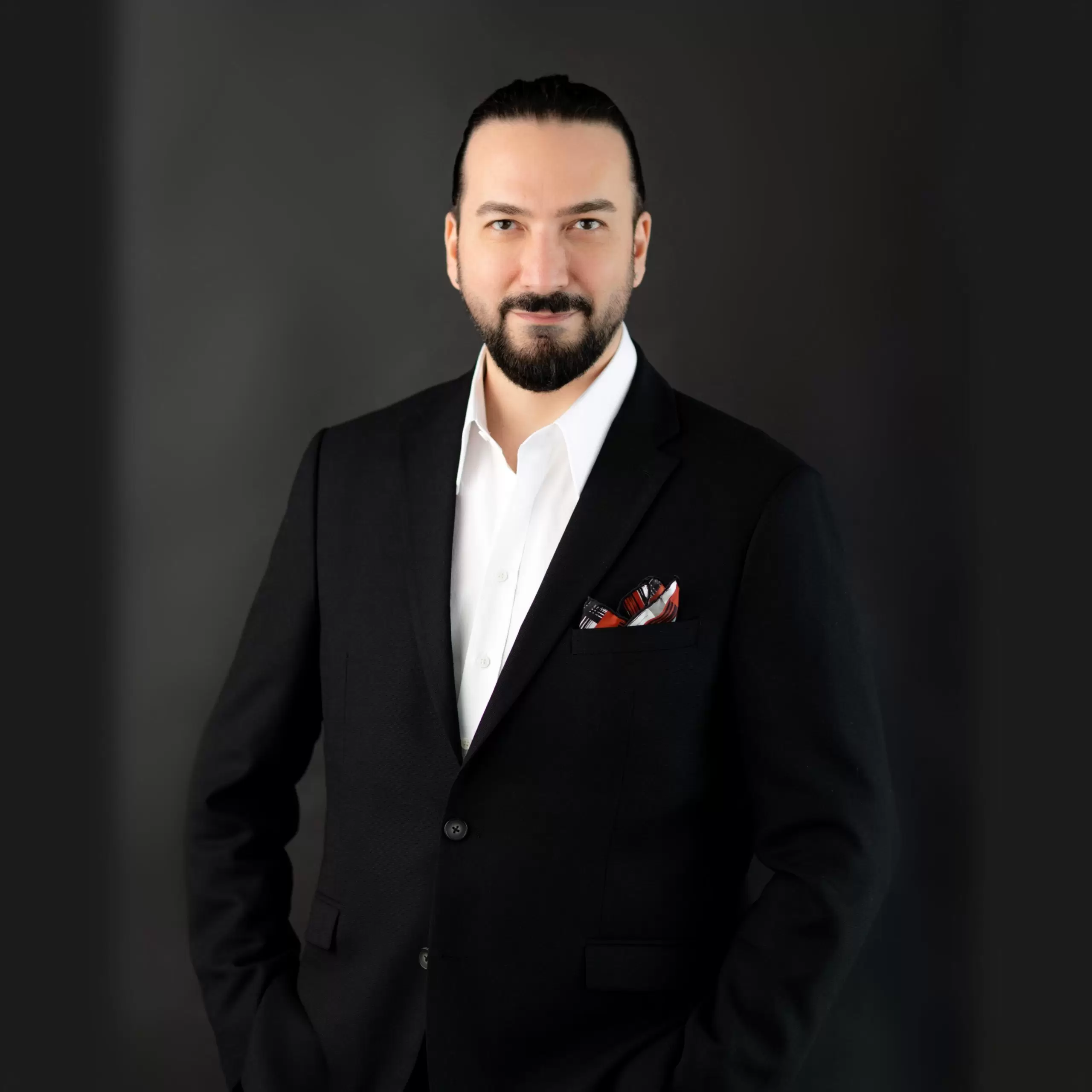
Prof. Dr. Murat Songu – Rhinoplasty (Nose Aesthetics) Specialist
Prof. Dr. Murat Songu was born in 1976 in Izmir and completed his medical education at the Ege University Faculty of Medicine. He then completed his residency training in the Department of Otorhinolaryngology at Celal Bayar University. Between 2005 and 2006, he received advanced training in rhinoplasty, functional nasal surgery, and skull base surgery in Bordeaux, France, working with leading rhinologists such as Prof. Vincent Darrouzet and Dr. Guy Lacher.
Prioritizing natural appearance, the preservation of breathing function, and facial aesthetic harmony, Prof. Dr. Songu is nationally and internationally recognized for his expertise in open rhinoplasty, piezo (ultrasonic) rhinoplasty, revision rhinoplasty, tipplasty, and functional septorhinoplasty. He has participated as an instructor and speaker at numerous rhinoplasty congresses worldwide.
With over 100 scientific publications, book chapters, and more than 1700 citations, Prof. Dr. Murat Songu is one of Türkiye’s most respected academics in the field of rhinoplasty, combining natural, facially harmonious, and functional results with scientific and aesthetic excellence.