Türkçe
 Deutsch
 Nederlands
 العربية
 Español
 Svenska
A person’s journey with rhinoplasty can be complex and challenging. When the first operation does not yield the expected results, further intervention may become necessary. In some cases, resorting to a third or even fourth nose surgery becomes unavoidable. However, each additional operation brings increased risks and difficulties. Every surgical procedure performed after the initial intervention is more arduous due to tissue damage and the complexity of the healing process. Therefore, when making such a decision, the opinion and recommendations of a surgeon specialized in revisions are of great importance. Patients should carefully evaluate this process and consider the possible risks.
| Purpose | A third rhinoplasty is usually performed to correct persistent breathing problems, structural deformities, nasal collapse, asymmetry, or unsatisfactory cosmetic results following previous surgeries. |
| Technical Difficulty | Third-time rhinoplasty is significantly more complex than primary or first revision rhinoplasty because of scar tissue, altered anatomy, and reduced available cartilage. |
| Safety | The procedure can be safe when carefully planned and performed on an appropriate candidate. However, the risks are generally higher than with earlier rhinoplasty procedures. |
| Cartilage Grafts | Additional cartilage is commonly required to rebuild nasal support. It may be harvested from the nasal septum (if available), the ear, or the rib. |
| Potential Benefits | Possible benefits include improved breathing, better structural support, correction of deformities, enhanced facial balance, and increased patient satisfaction. |
| Potential Risks | Risks include infection, bleeding, prolonged swelling, scar tissue formation, skin thinning, graft complications, persistent asymmetry, breathing difficulties, and the possibility of additional surgery. |
| Recovery | Healing is often slower than after previous operations. Swelling may continue for 12–24 months before the final result becomes fully apparent. |
| Success Factors | Outcomes depend on the condition of the nasal tissues, skin quality, severity of existing problems, availability of cartilage for grafting, surgical planning, and realistic expectations. |
| Timing | A third rhinoplasty is generally recommended only after complete healing from the previous surgery, which usually requires at least 12 months, unless urgent functional problems require earlier intervention. |
| Ideal Candidates | Individuals with significant functional impairment, structural collapse, or clearly defined cosmetic concerns that have not improved after previous surgeries may be suitable candidates. |
| Expectation Management | The goal is usually substantial improvement rather than perfection. Achieving complete symmetry or an idealized appearance may not be possible after multiple surgeries. |
| Overall Conclusion | Yes, a third rhinoplasty is possible and can provide meaningful functional and aesthetic improvement in selected patients. Because it is one of the most technically demanding facial plastic procedures, careful evaluation and realistic expectations are essential. |
Differences Between Revision Nose Surgeries and Initial Operations
Revision nose surgeries require a much more specialized approach compared to previous operations. Structural problems that may have arisen or already exist from initial interventions are thoroughly examined during the revision process. In this process, it is essential that the doctor has deep knowledge and experience in the field. Correcting complications that have occurred or are present after the initial surgeries constitutes the focal point of the revision surgery.
- Removal of adhesions resulting from previous surgeries,
- Correction of intranasal structural deformities,
- Making aesthetic and functional improvements,
Elements like these are carefully addressed in revision surgeries. Moreover, during these operations, the doctor is expected to use special techniques and methods to overcome the difficulties arising from previous surgeries. Thus, the aim is to achieve the best possible result for the patient. In conclusion, revision rhinoplasty is a much more complex and attention-requiring process compared to initial operations. Therefore, it is of great importance that doctors performing such surgeries are well-equipped in terms of both experience and knowledge in revisions.
How Is It Performed?
In a third nose surgery, the loss of support in the nasal dorsum and nasal tip is primarily addressed. Especially if the cartilage in the nasal tip and behind it is damaged, this can make breathing difficult. Therefore, during the surgery, the breathing function is improved. Additionally, problems such as excessive elevation or drooping of the nasal tip position are corrected.
- Repairing the loss of support in the nasal dorsum and nasal tip.
- Improving the breathing process by repairing damaged cartilage.
- Correcting excessively elevated or drooping nasal tip positions.
- Lifting a slightly elevated nasal tip.
- Eliminating deformities in the nasal wings.
Thus, the aim is for the patient to achieve a better nasal structure both aesthetically and functionally. The surgery is tailored to the individual’s specific needs following a detailed evaluation and planning process. In this way, even third, fourth, or fifth nose surgeries can yield successful results.
The Path to Achieving the Ideal Result
Undergoing a third nose surgery is possible when the right steps are taken. Initially, it is essential for the person to aim for a nose shape suitable for their facial structure. Then, to achieve this goal, a surgeon experienced in revisions should be selected. It is important that the chosen doctor is knowledgeable about previous surgeries and integrates this information into your new intervention plan. Additionally, maximum attention and care must be given at every step of the medical processes. In this process, communication between the patient and the doctor plays a highly critical role. Openness in communication ensures that expectations are clearly expressed and understood. Finally, these decisions can be listed as follows:
- Determining a nose shape suitable for the facial structure.
- Selecting an experienced and knowledgeable surgeon.
- Paying attention and care to medical processes.
- Open communication between the patient and the doctor.
These steps are the keys to the success of a third nose surgery. Each has an important place within the overall process and should not be neglected.
Limits and Possibilities
It is possible for a person to have multiple rhinoplasty surgeries. However, each additional operation increases the risks. Especially a third nose surgery brings along the difficulties and potential complications caused by previous interventions. Experts emphasize that such operations need to be planned extremely carefully.
- After the first surgery, each additional operation increases risks.
- Surgeries performed more than three times significantly increase the risk of complications.
- Expert doctors agree on keeping the number of revision operations limited.
Therefore, open communication between patients and doctors is very important. The potential benefits and risks of each operation should be balanced with the patient’s expectations. A wise choice can lead to results that require fewer revisions in the long term. Thus, when making a decision about revision rhinoplasty, all these factors should be considered.
When Is It Necessary?
For patients considering revision surgery, the decision-making process requires careful evaluation. First, noticeable issues in the appearance of the nose play a significant role in deciding. If you have a serious curvature or drooping in your nose that is noticeable to everyone, revision surgery may be considered. However, aside from these situations, it is not advisable to take surgical risks for minor aesthetic concerns. Especially if your nose is generally beautiful but you desire very small changes, not having surgery might be a healthier choice. Because:
- Revision surgeries carry higher risks compared to initial surgeries.
- It is not logical to take major health risks for small aesthetic corrections.
- Each surgery creates permanent changes in tissues and can complicate the healing process.
In conclusion, when considering revision surgery, existing aesthetic and health risks should be carefully evaluated. Patients should question whether it is truly necessary and shape their decisions accordingly. This process is of critical importance for the patient’s long-term satisfaction and health.
Frequently Asked Questions
Is it possible to have nose surgery for the third time safely?
Who is a suitable candidate for third-time nose surgery?
Why is third-time nose surgery more complex than the first procedure?
How long should I wait before having nose surgery for the third time?
Can third-time nose surgery improve breathing problems after previous rhinoplasty?
What are the main risks of having nose surgery for the third time?
What techniques are used during third-time revision nose surgery?
How long is recovery after nose surgery for the third time?
Are the results of third-time nose surgery permanent?
How do I choose the right surgeon for third-time nose surgery?
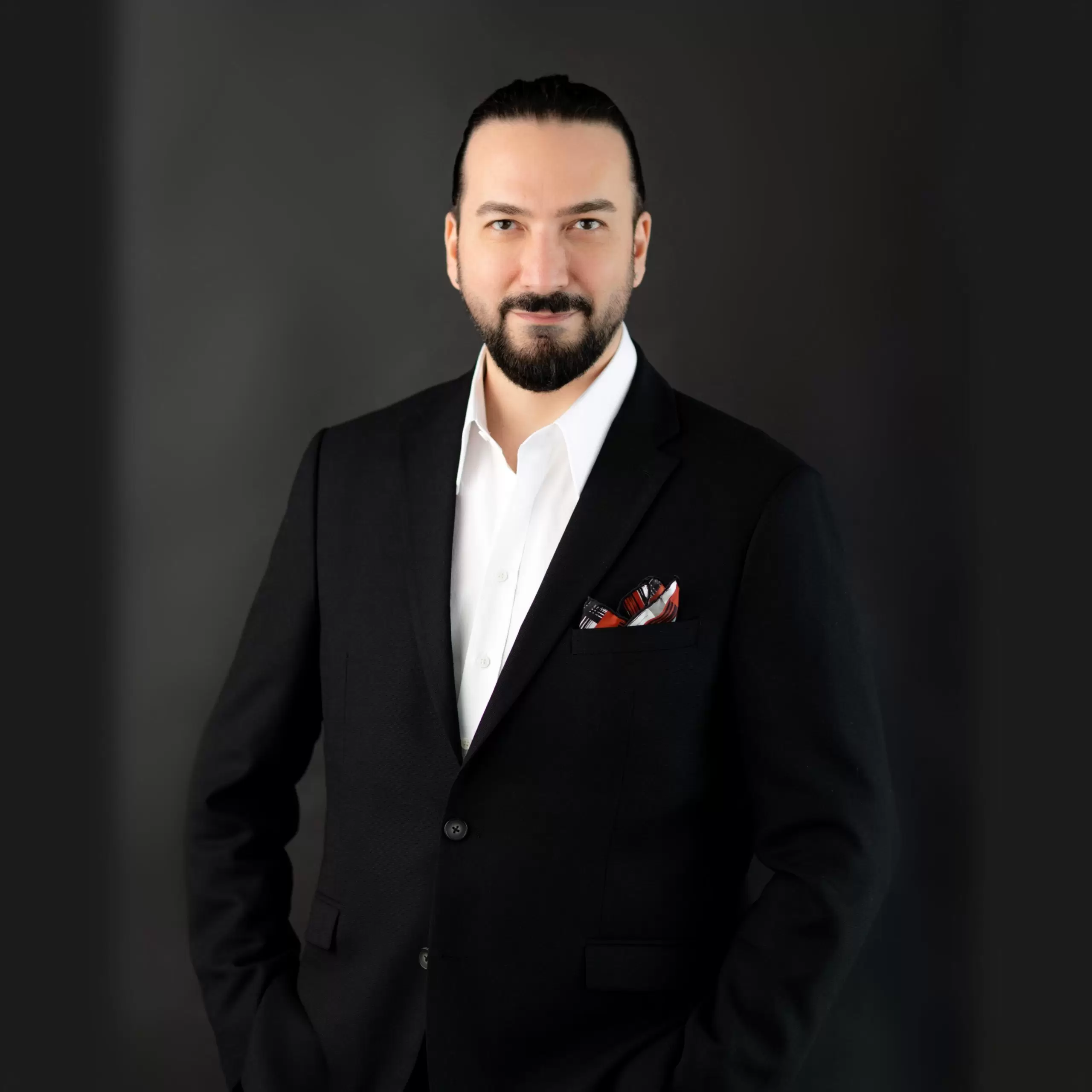
Prof. Dr. Murat Songu – Rhinoplasty (Nose Aesthetics) Specialist
Prof. Dr. Murat Songu was born in 1976 in Izmir and completed his medical education at the Ege University Faculty of Medicine. He then completed his residency training in the Department of Otorhinolaryngology at Celal Bayar University. Between 2005 and 2006, he received advanced training in rhinoplasty, functional nasal surgery, and skull base surgery in Bordeaux, France, working with leading rhinologists such as Prof. Vincent Darrouzet and Dr. Guy Lacher.
Prioritizing natural appearance, the preservation of breathing function, and facial aesthetic harmony, Prof. Dr. Songu is nationally and internationally recognized for his expertise in open rhinoplasty, piezo (ultrasonic) rhinoplasty, revision rhinoplasty, tipplasty, and functional septorhinoplasty. He has participated as an instructor and speaker at numerous rhinoplasty congresses worldwide.
With over 100 scientific publications, book chapters, and more than 1700 citations, Prof. Dr. Murat Songu is one of Türkiye’s most respected academics in the field of rhinoplasty, combining natural, facially harmonious, and functional results with scientific and aesthetic excellence.