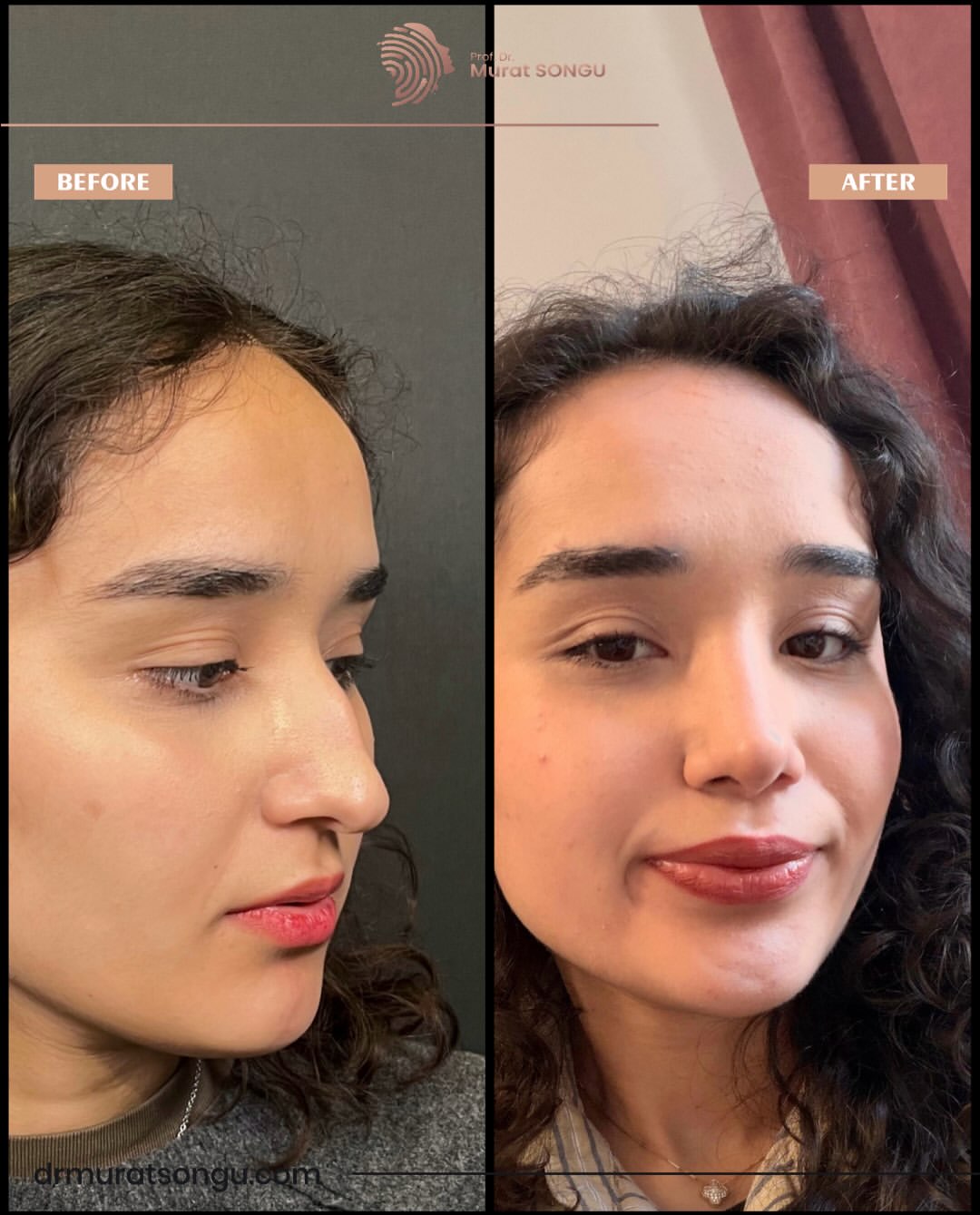
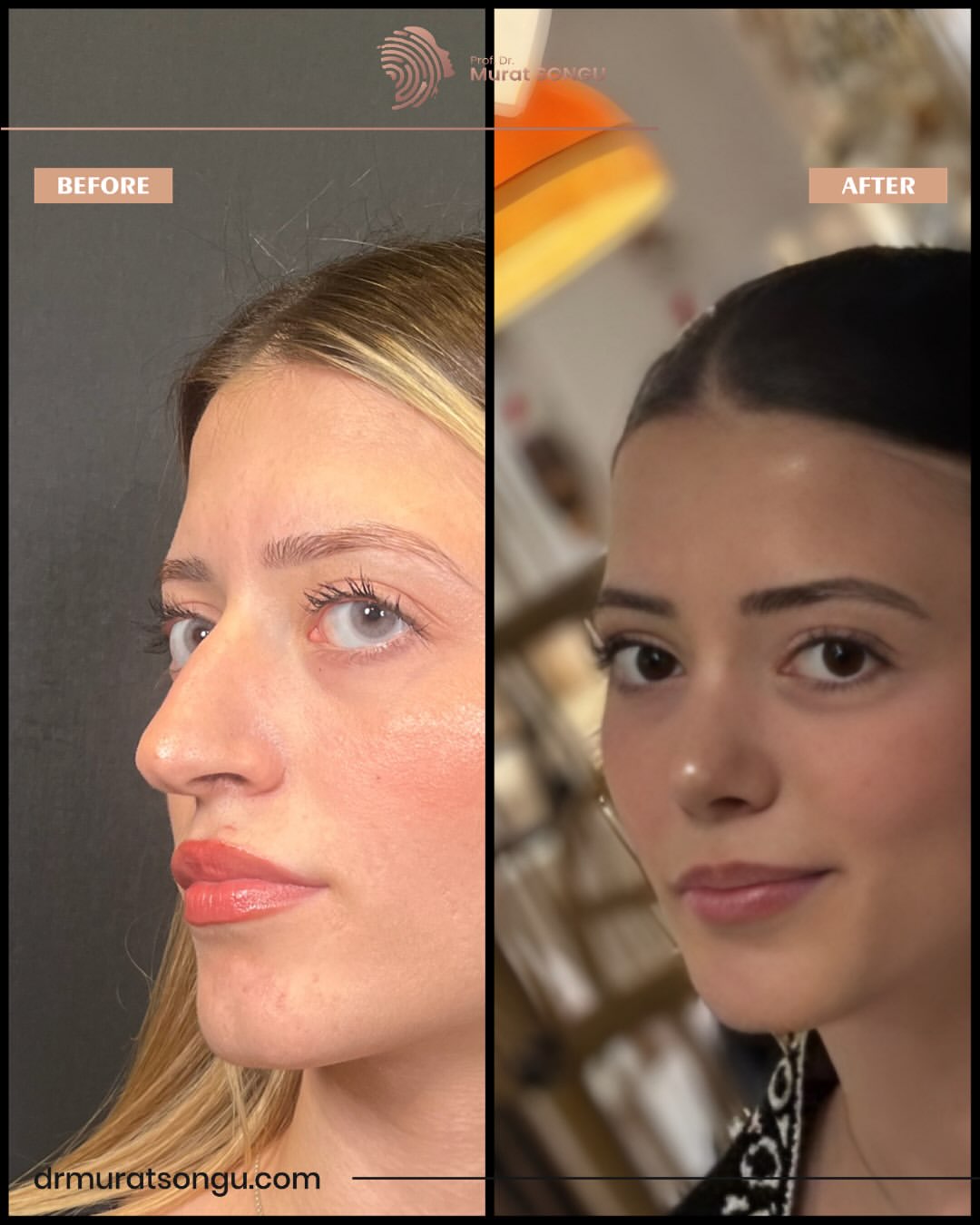
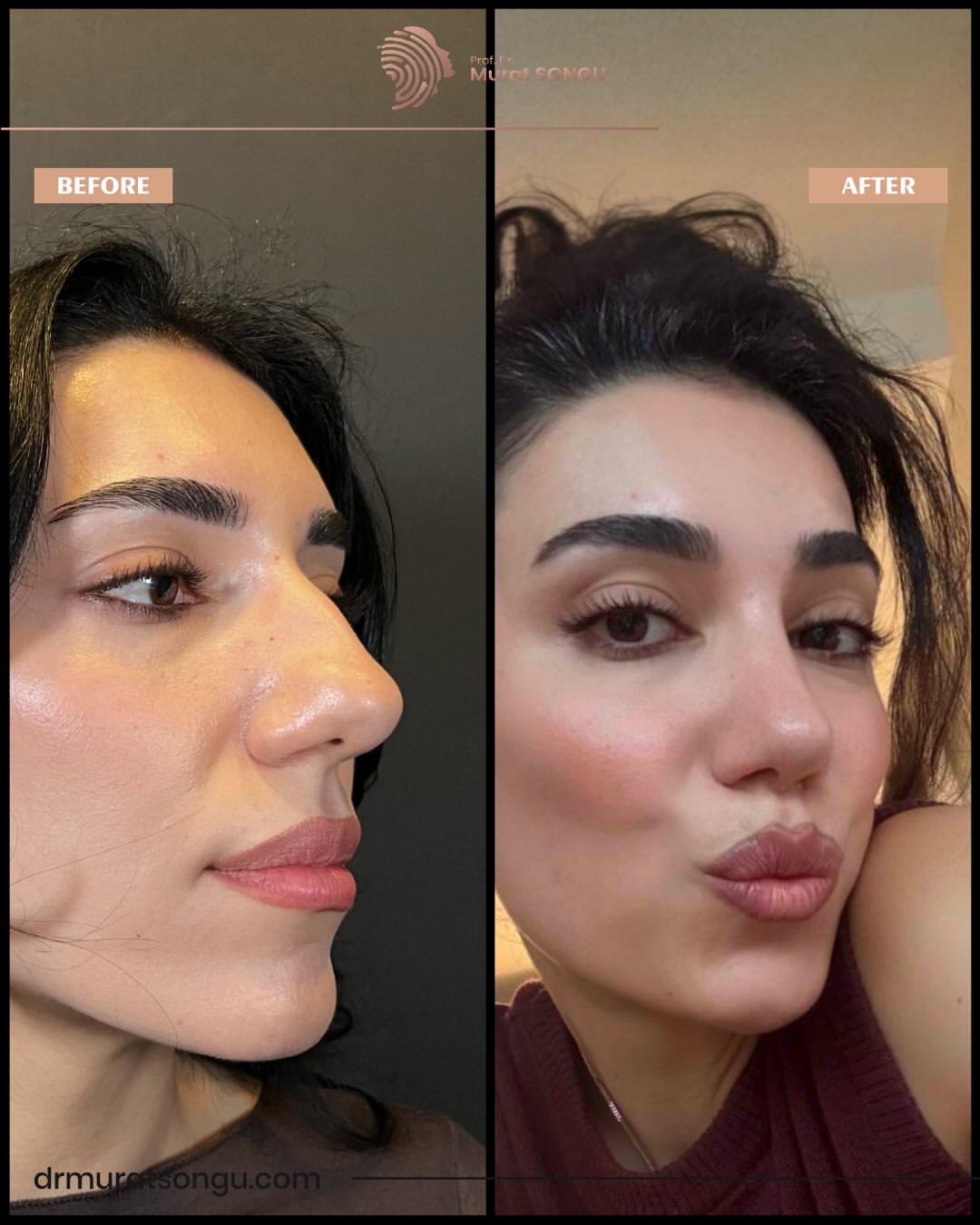
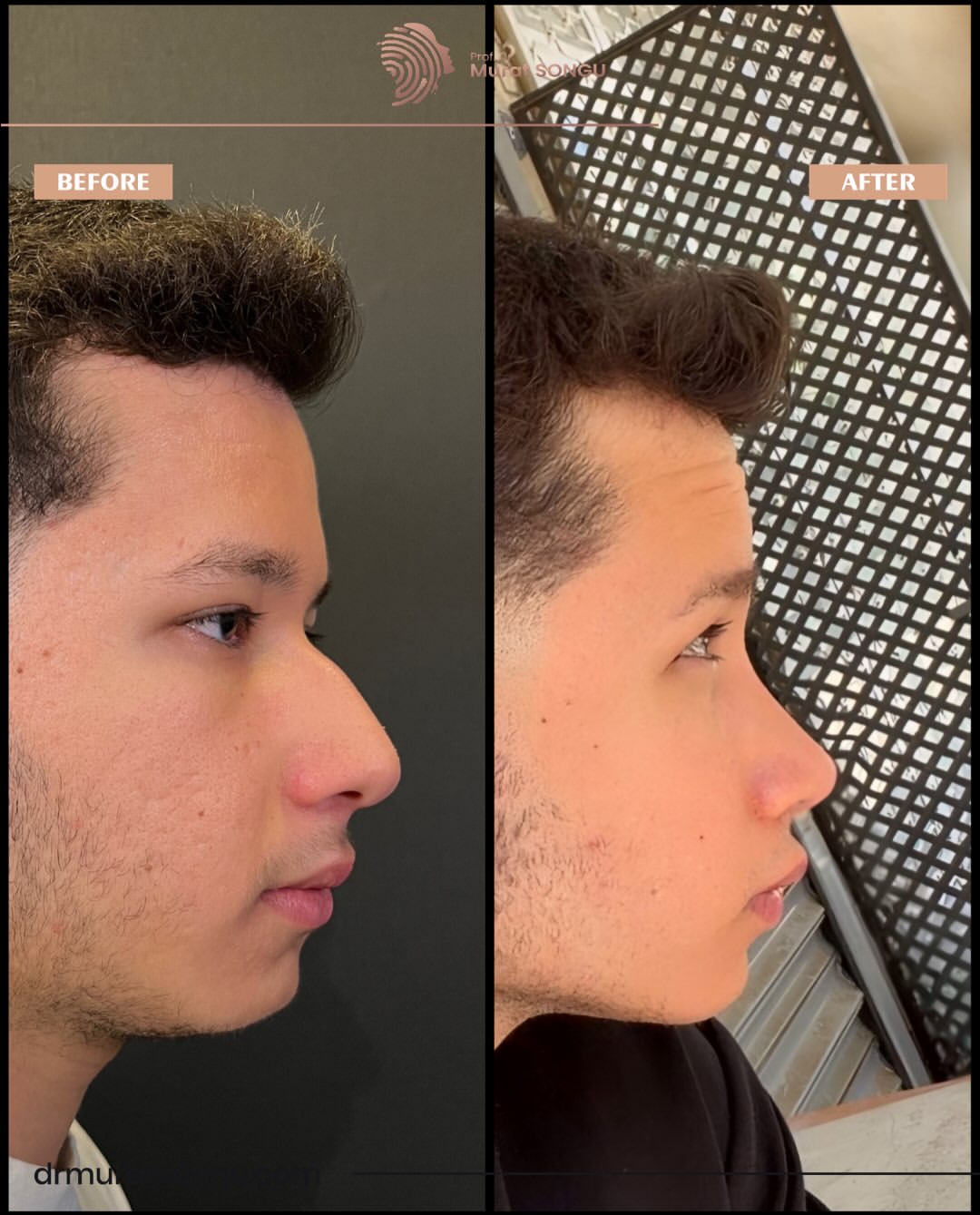
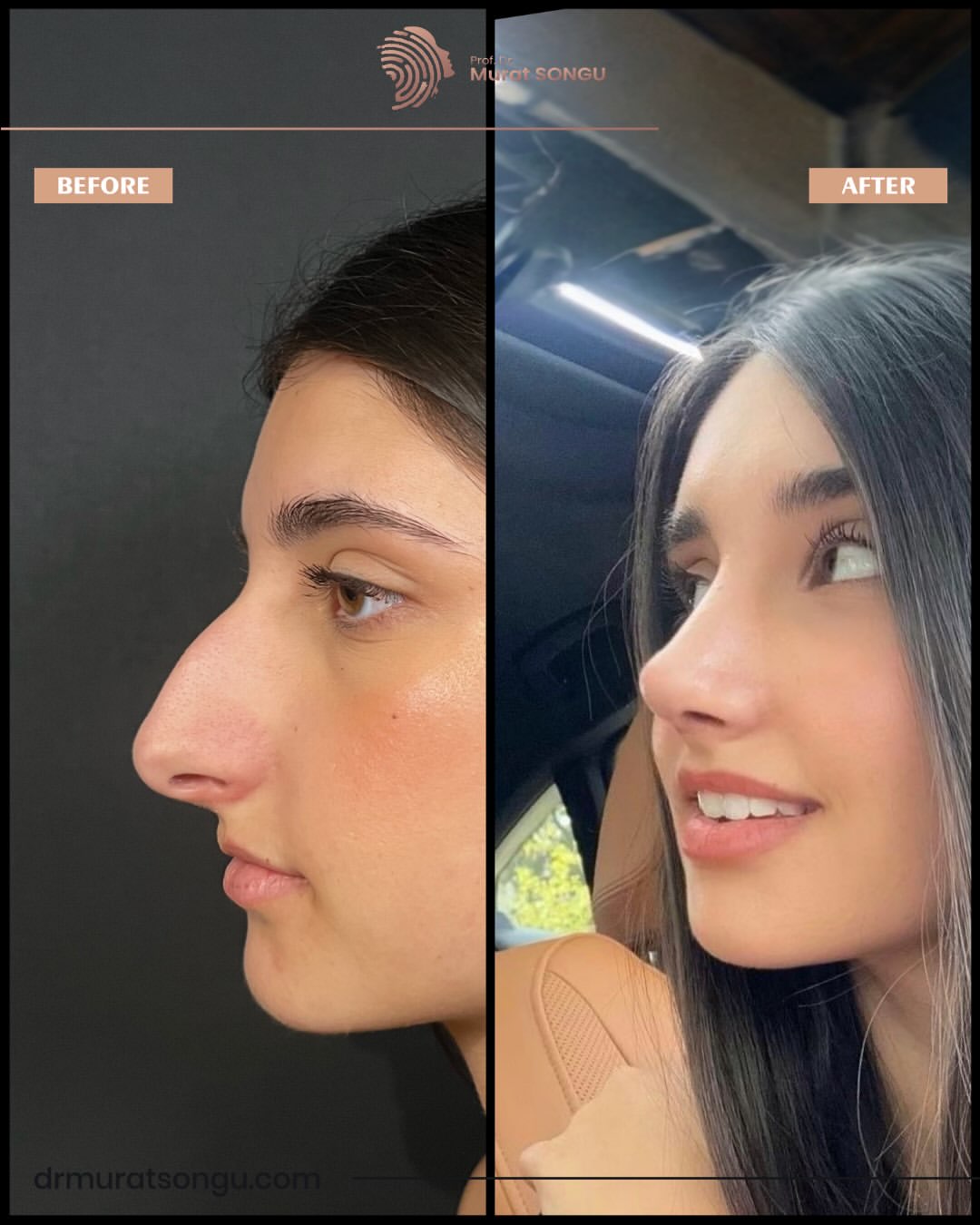
Crooked nose rhinoplasty is performed to improve a nose that appears visibly deviated, asymmetric, or off-center from the frontal view. A crooked nose may develop because of congenital anatomy, previous trauma, uneven growth of the nasal bones and cartilage, or prior nasal surgery. In some patients, the deviation may also be associated with functional breathing problems caused by internal septal deviation.
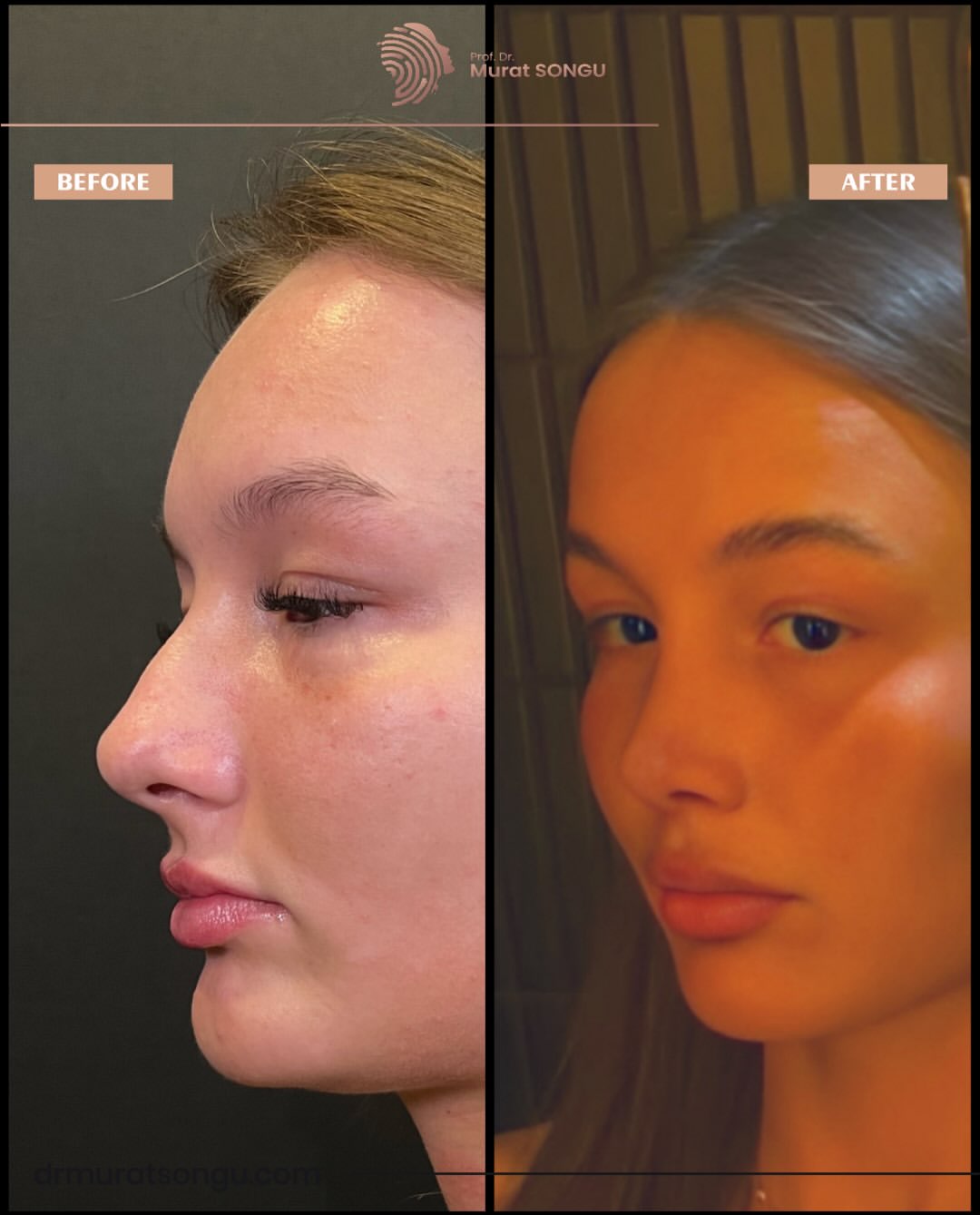
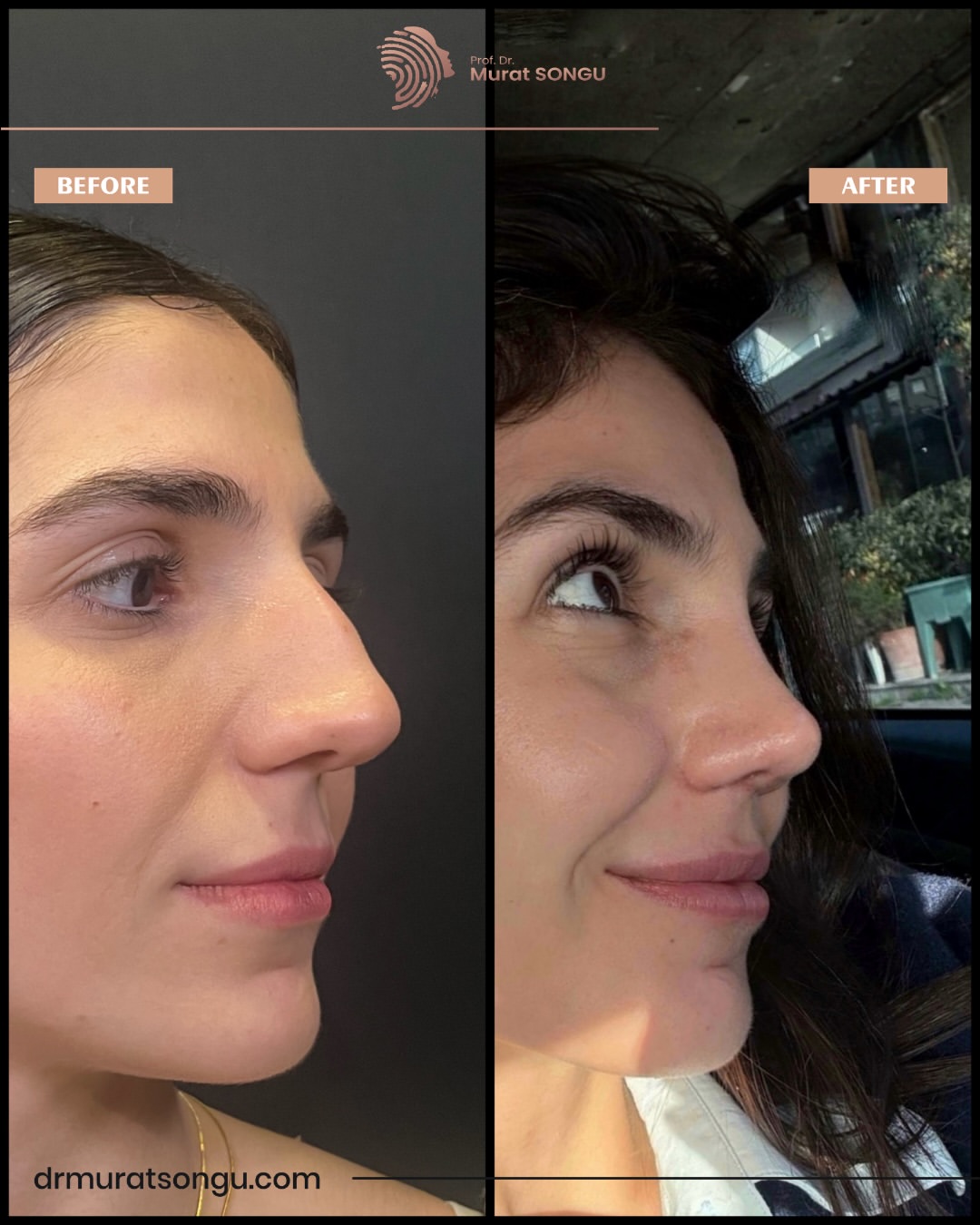
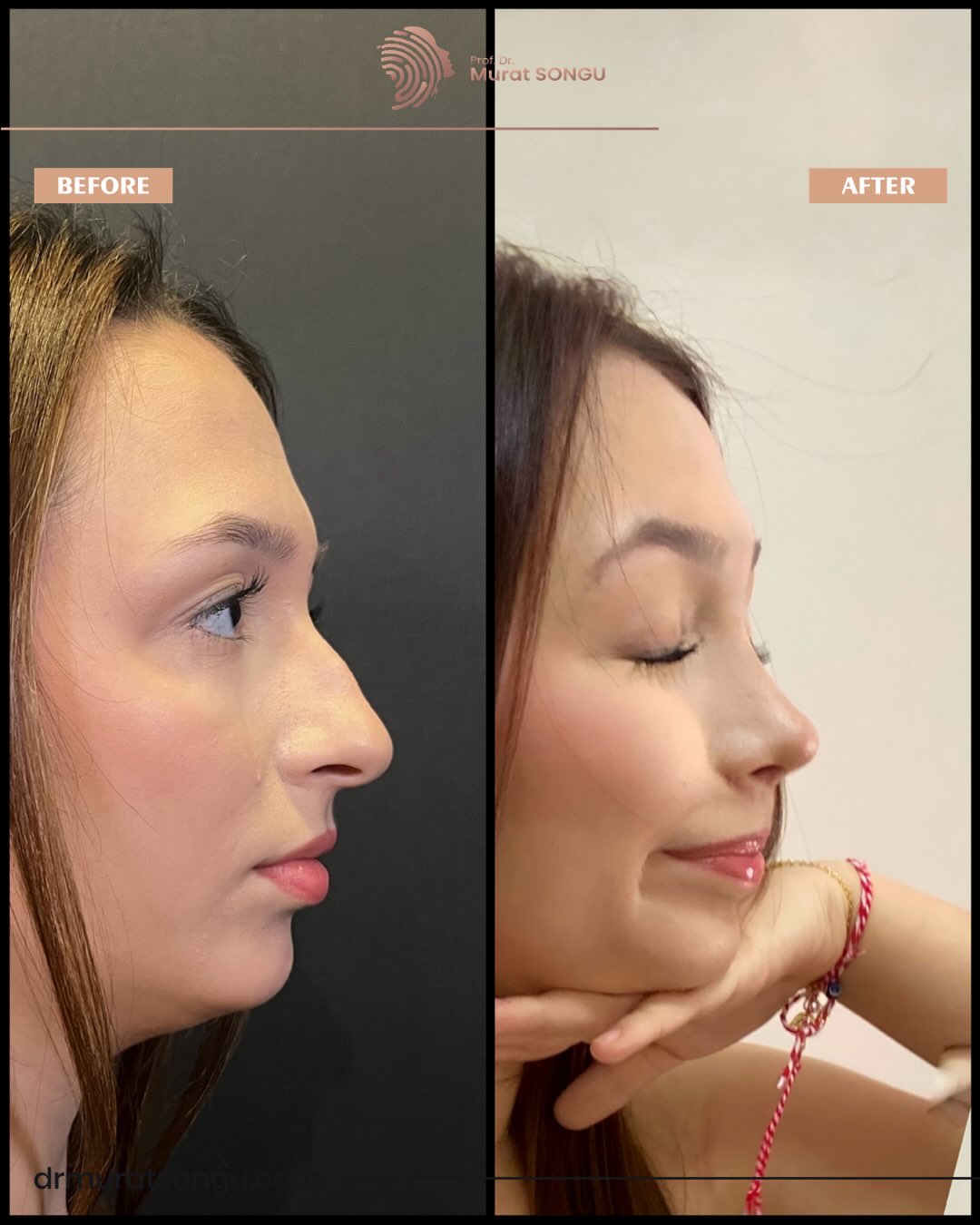
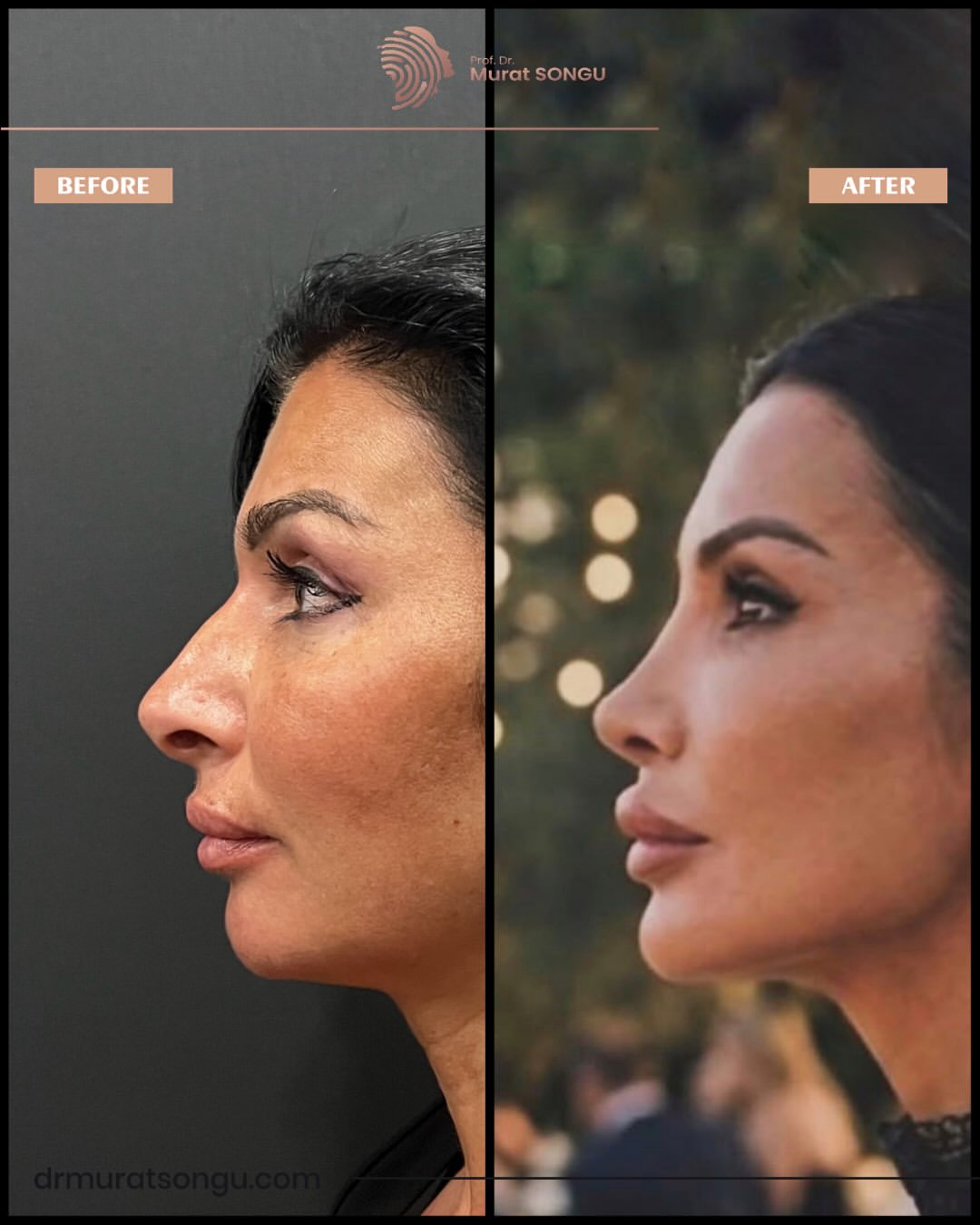
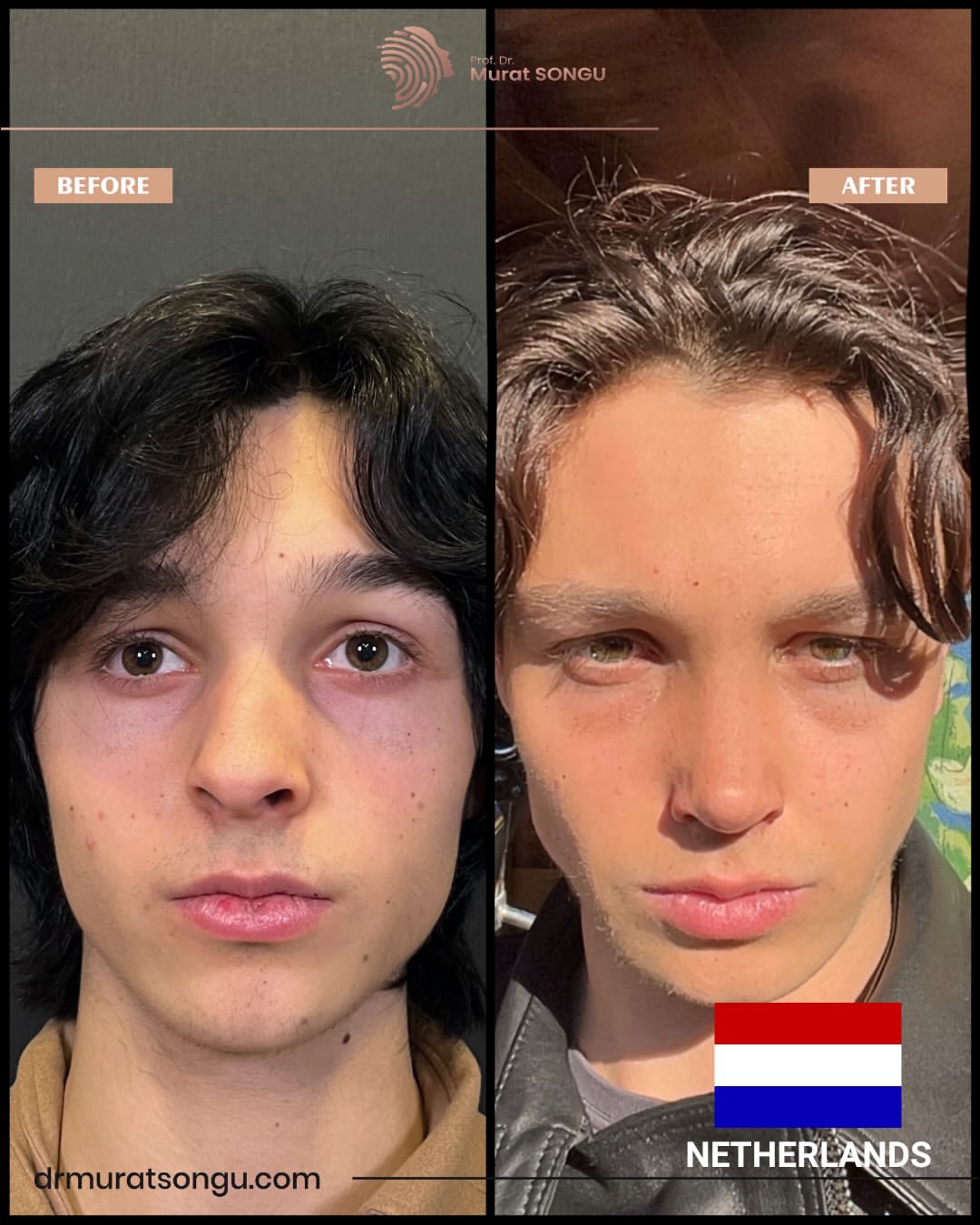
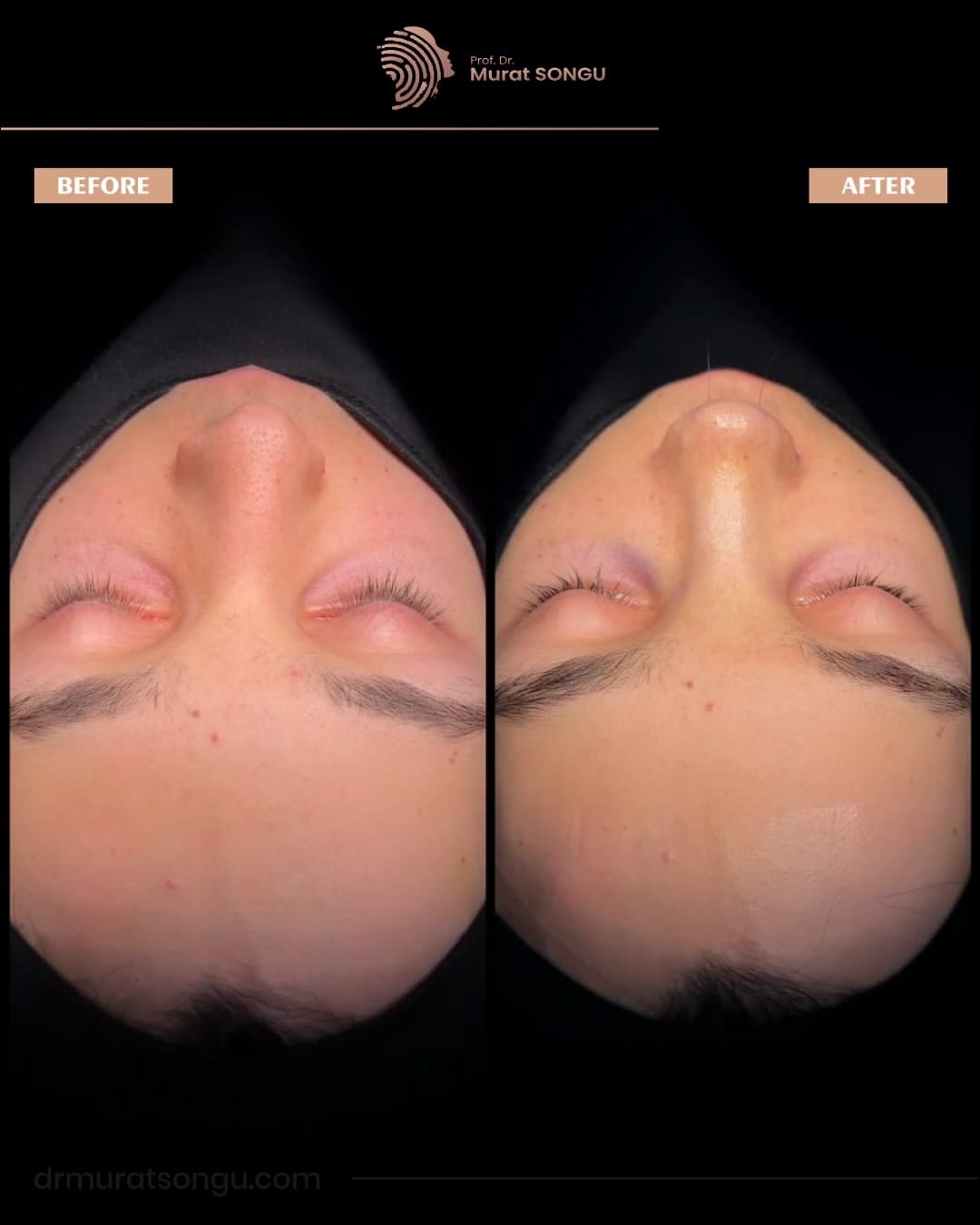
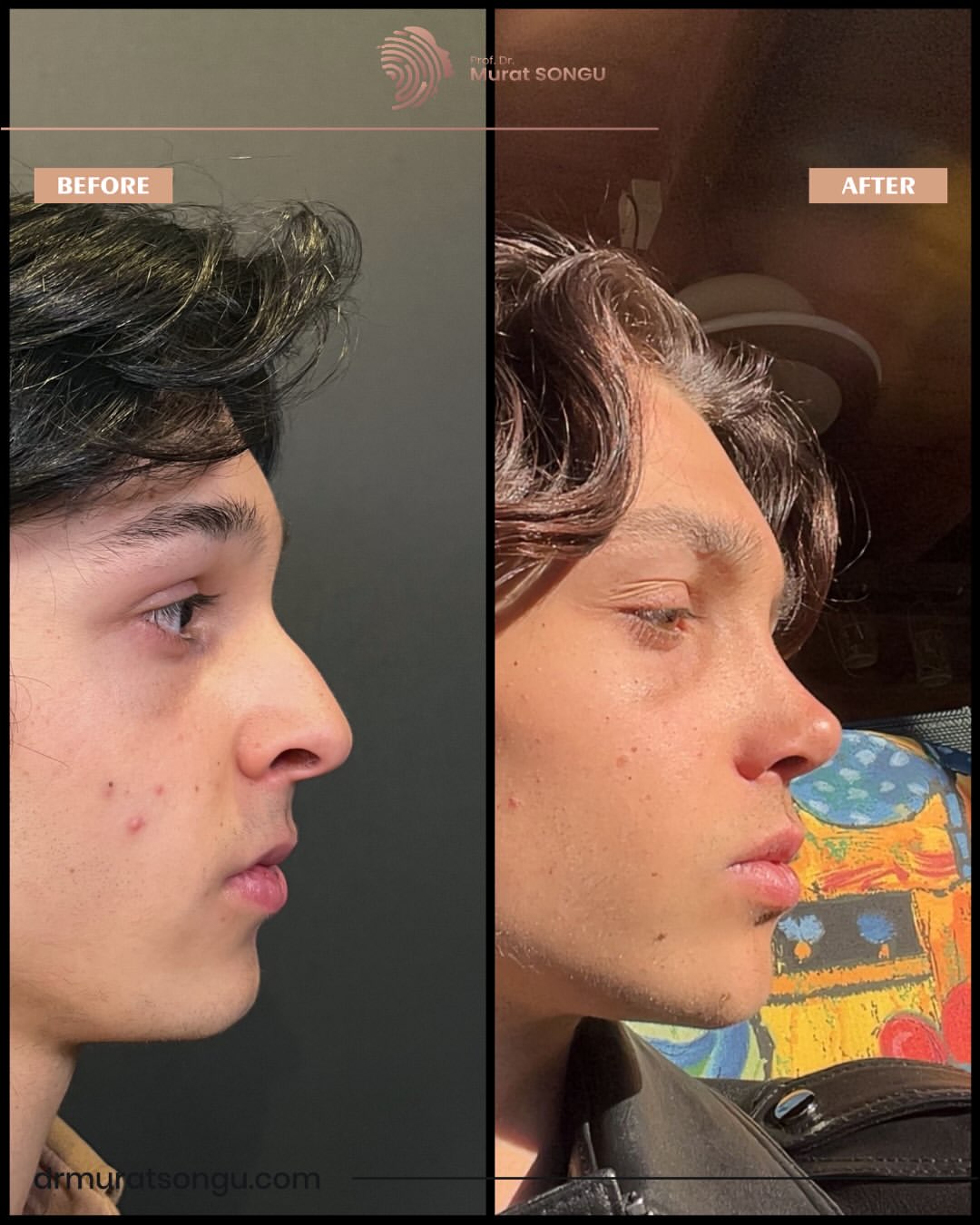
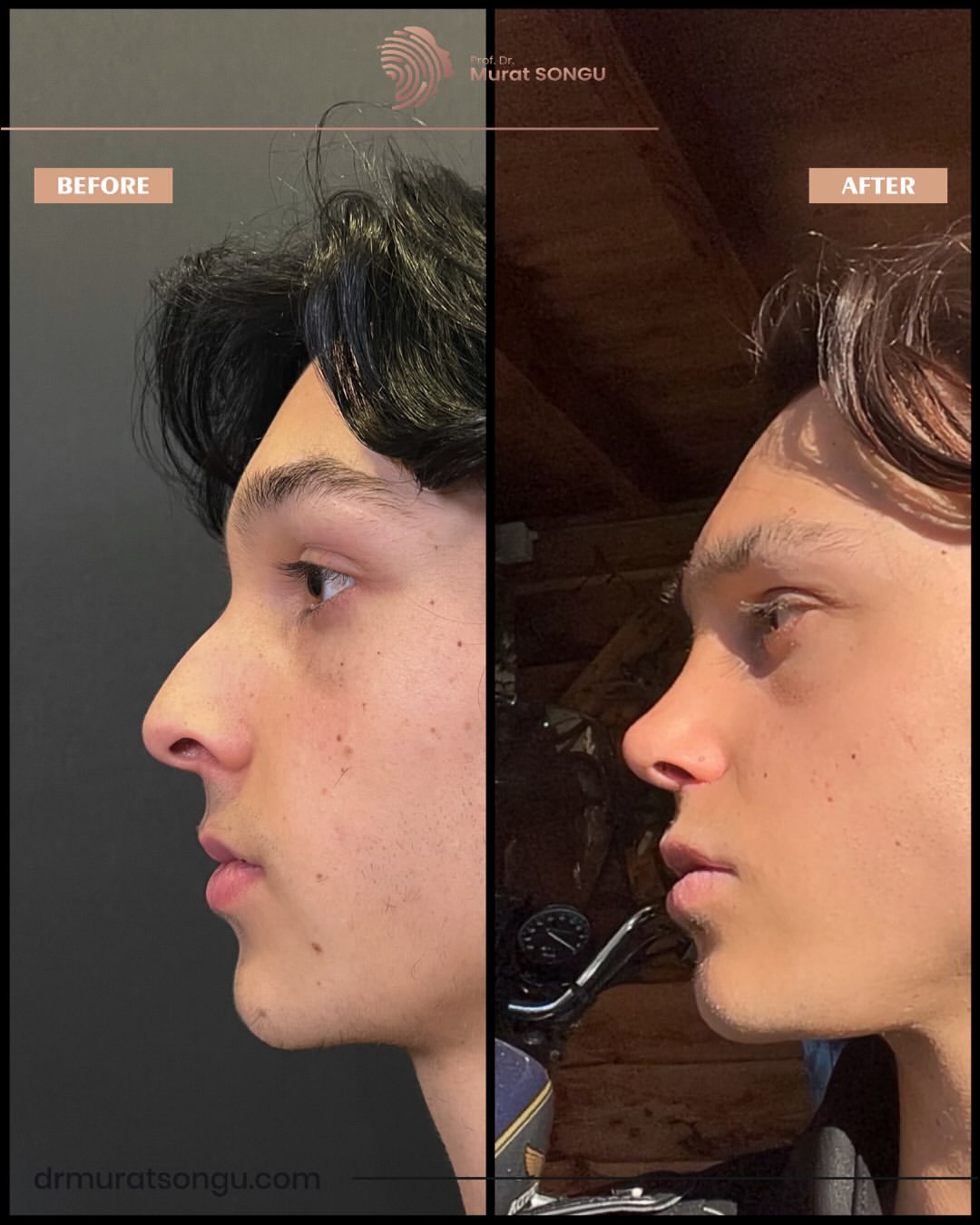
Crooked nose rhinoplasty before and after photos can help demonstrate how nasal alignment and overall facial balance may change following surgery. Before treatment, the nasal bridge may lean to one side, the tip may appear displaced from the facial midline, or the nostrils may look asymmetric. From certain angles, the nose may also show irregular contour lines or unequal width between the right and left sides.
Surgical correction is tailored to the individual anatomy. Depending on the cause and severity of the deviation, rhinoplasty may involve repositioning the nasal bones, reshaping cartilage, correcting the septum, reinforcing structural support, or adjusting the nasal tip. In more complex cases, cartilage grafts may be used to improve stability and help maintain a straighter contour.
The goal of crooked nose rhinoplasty is not always to create perfect mathematical symmetry. Natural faces are rarely completely symmetrical, and the surgical aim is generally to achieve a visibly straighter, more balanced nose that fits harmoniously with the rest of the face while preserving or improving nasal function.
Swelling after surgery can temporarily make asymmetry appear more noticeable, especially during the early healing period. As swelling decreases, the nasal contour gradually becomes more defined. Final refinement may continue for several months and, in some patients, up to a year or longer.
The crooked nose rhinoplasty before and after photos below are shared to illustrate real patient outcomes and the types of alignment improvements that may be achieved. Individual results vary depending on the degree of deviation, nasal anatomy, skin thickness, surgical technique, and the healing process.

Prof. Dr. Murat Songu – Burun Estetiği (Rinoplasti) Uzmanı
Prof. Dr. Murat Songu, 1976 yılında İzmir’de doğmuş, tıp eğitimini Ege Üniversitesi Tıp Fakültesi’nde tamamladıktan sonra Celal Bayar Üniversitesi Kulak Burun Boğaz Anabilim Dalı’nda uzmanlık eğitimini tamamlamıştır. 2005–2006 yıllarında Fransa’nın Bordeaux kentinde Prof. Vincent Darrouzet ve Dr. Guy Lacher gibi rinoloji alanının önde gelen cerrahlarıyla çalışarak rinoplasti, fonksiyonel burun cerrahisi ve kafa tabanı cerrahisi üzerine ileri eğitim almıştır.
Burun estetiğinde doğal görünüm, nefes fonksiyonunun korunması ve yüz estetiği dengesini ön planda tutan Prof. Dr. Songu, açık teknik rinoplasti, piezo (ultrasonik) rinoplasti, revizyon rinoplasti, burun ucu estetiği ve fonksiyonel septorinoplasti operasyonlarında ulusal ve uluslararası düzeyde tanınan bir cerrahtır. Yurt içi ve yurt dışında çok sayıda rinoplasti kongresinde eğitici ve konuşmacı olarak yer almış; yüz estetiği ve burun cerrahisinde modern tekniklerin yaygınlaşmasına öncülük etmiştir.
100’den fazla bilimsel yayını, kitap bölümü yazarlıkları ve 1700’ü aşkın uluslararası atfıyla rinoplasti alanında Türkiye’nin en saygın akademisyenlerinden biri olan Prof. Dr. Murat Songu, doğal, yüzle uyumlu ve fonksiyonel sonuçlar hedefleyen cerrahi yaklaşımıyla hem bilimsel hem estetik başarıları bir araya getirmektedir.