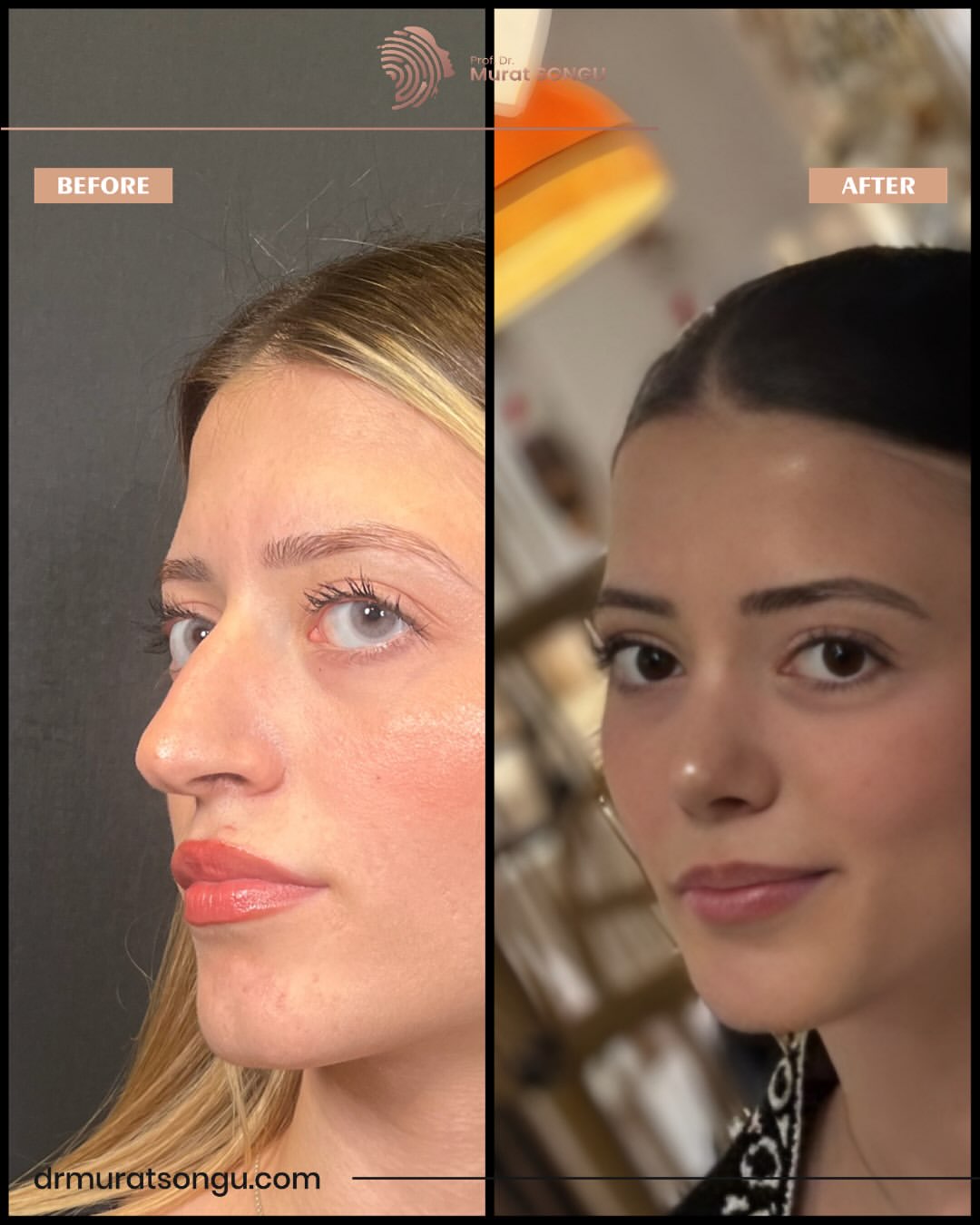
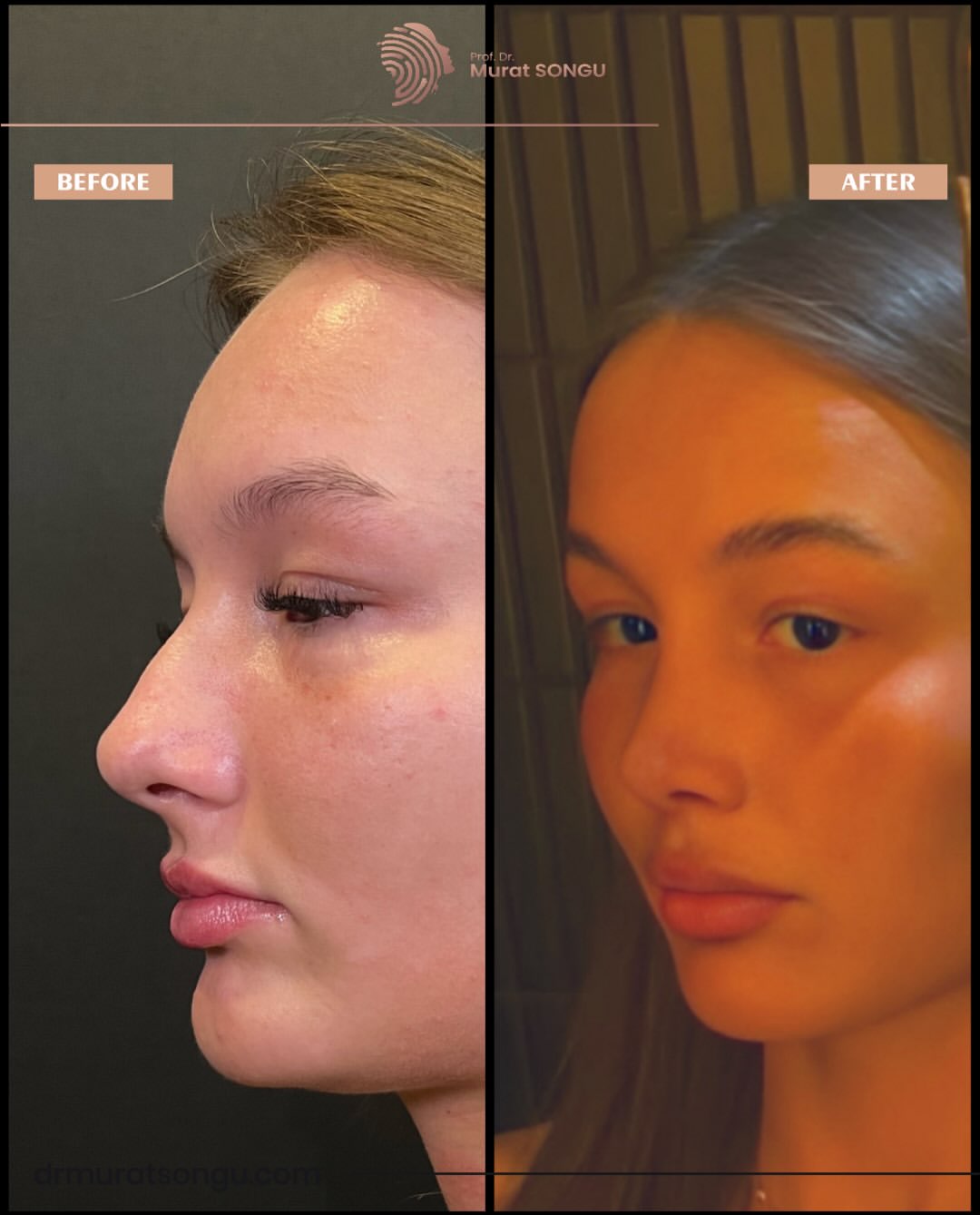
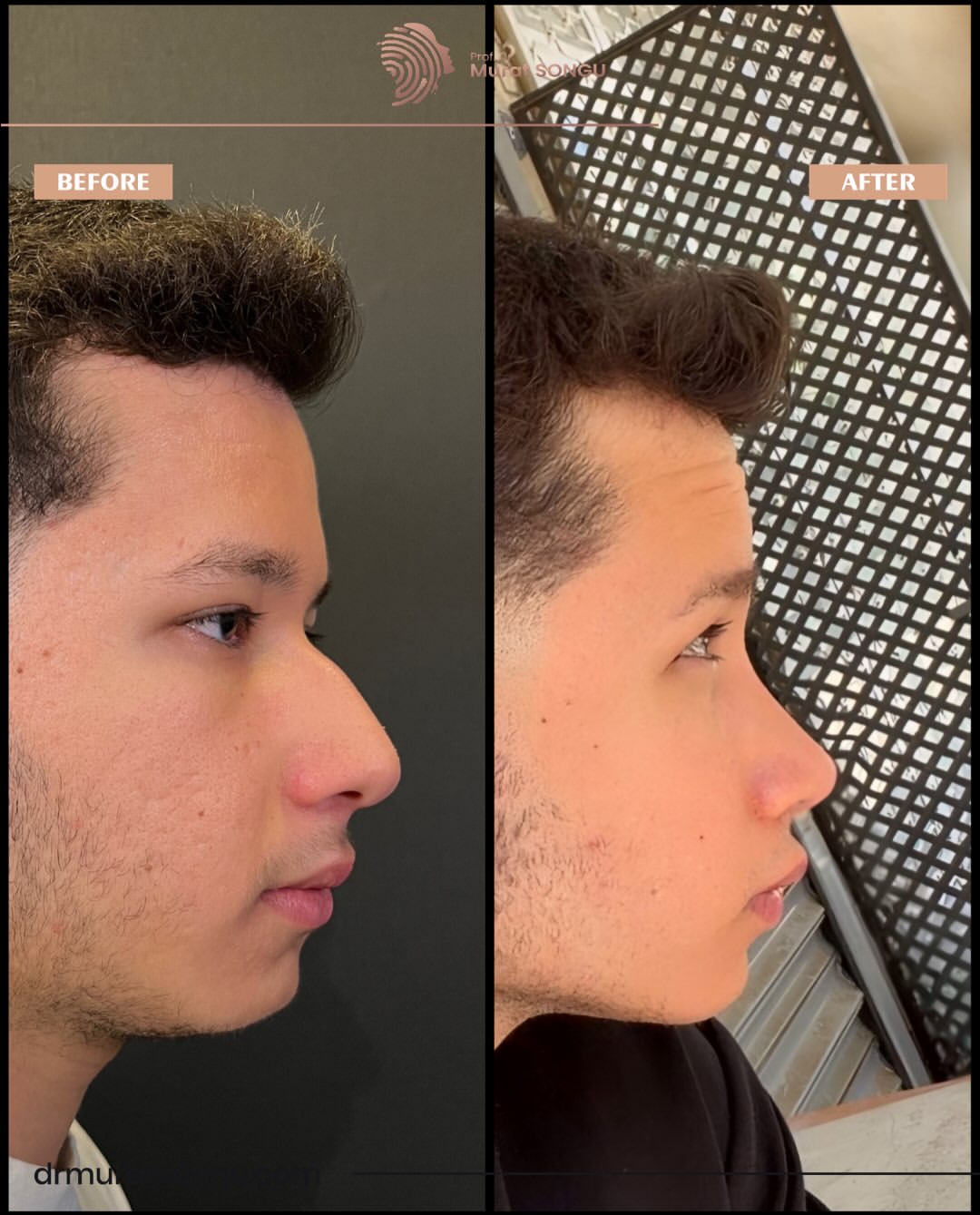
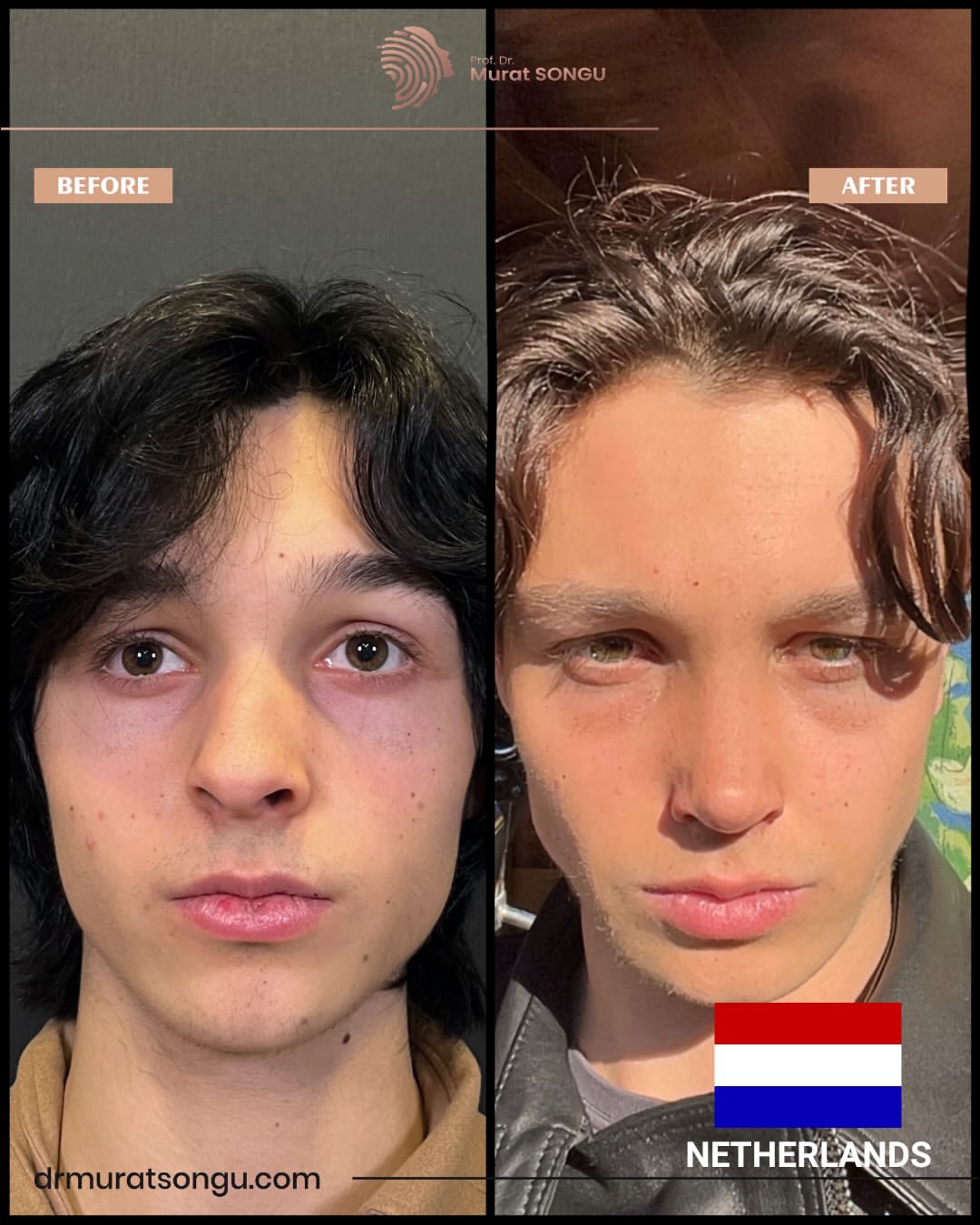
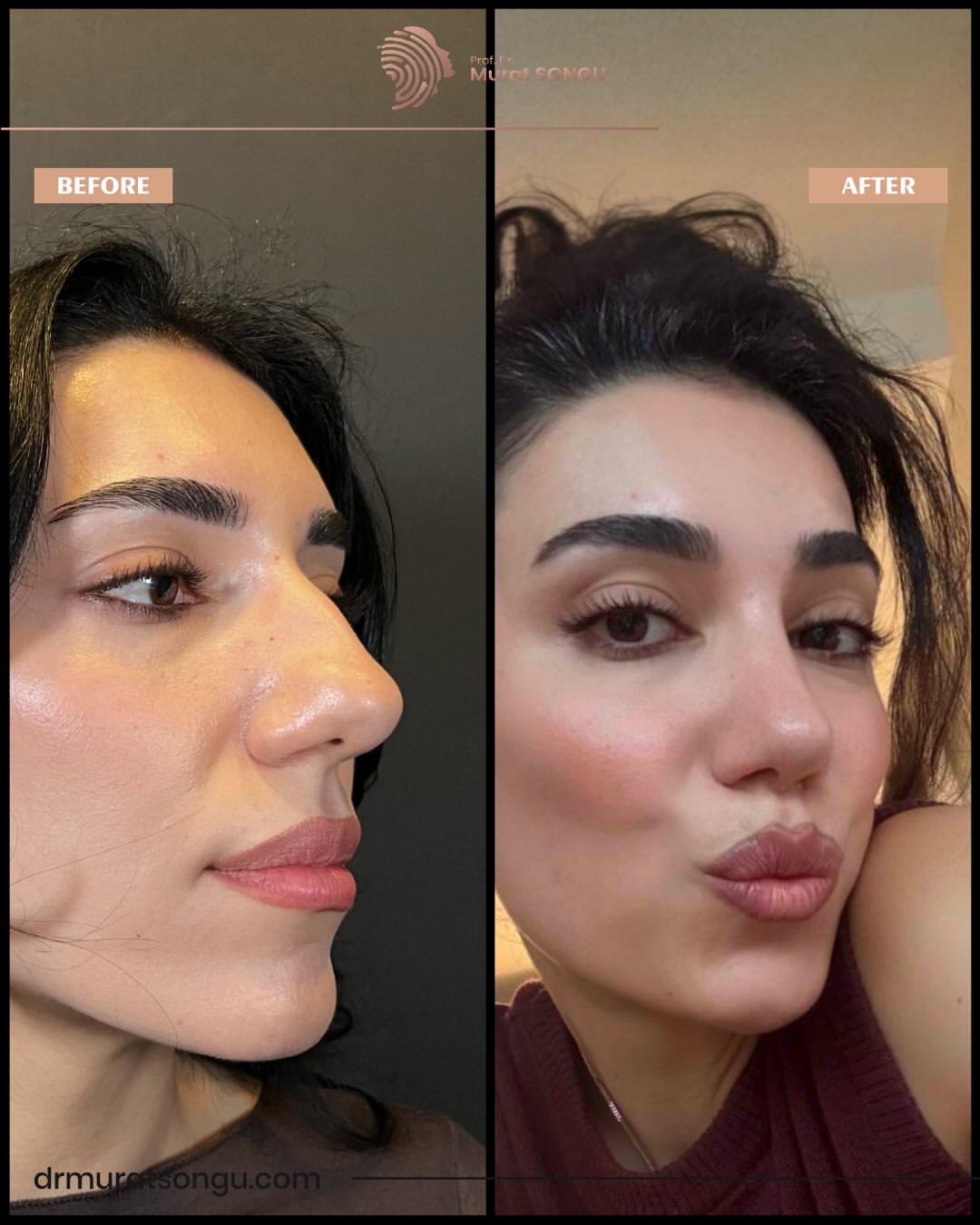
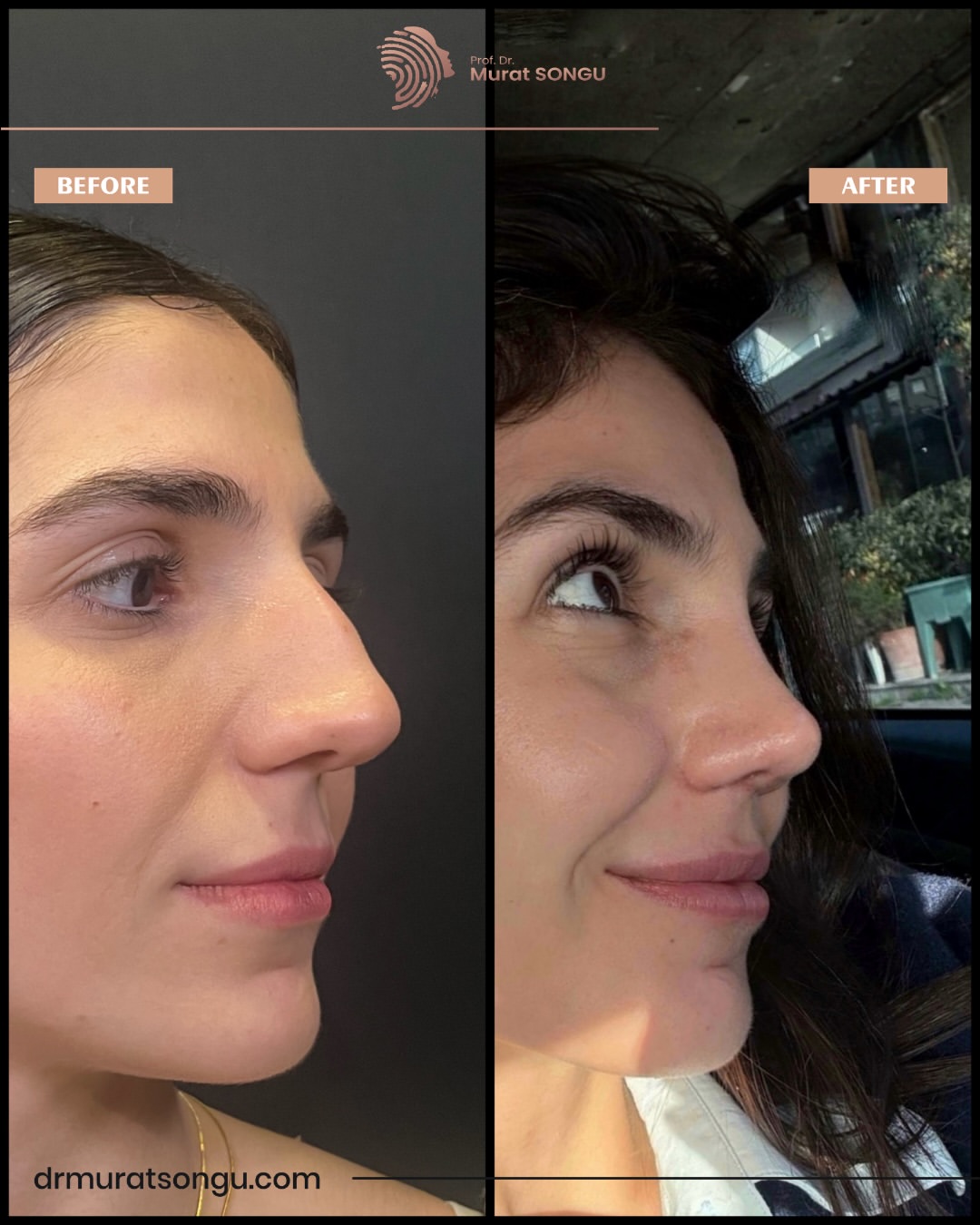
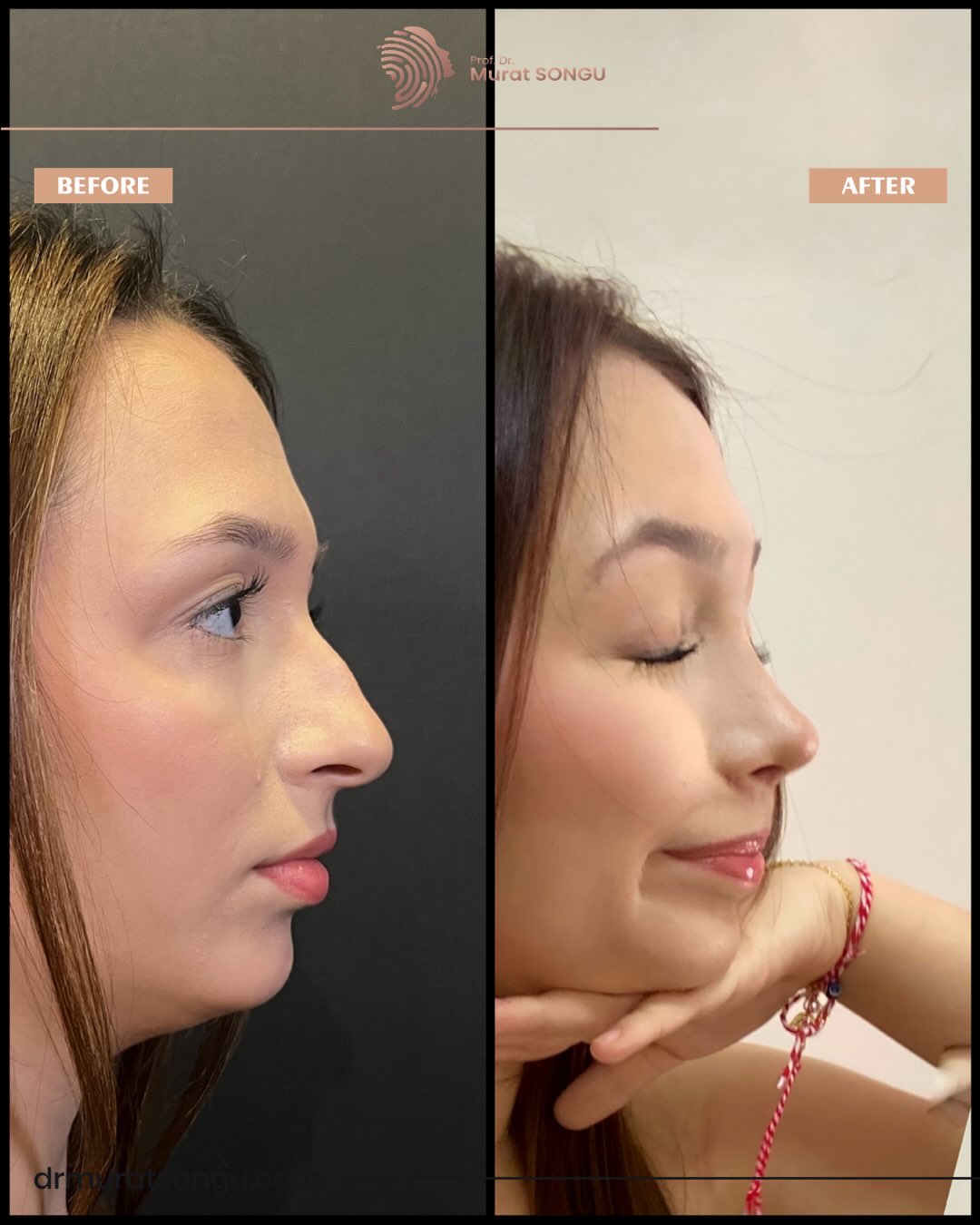
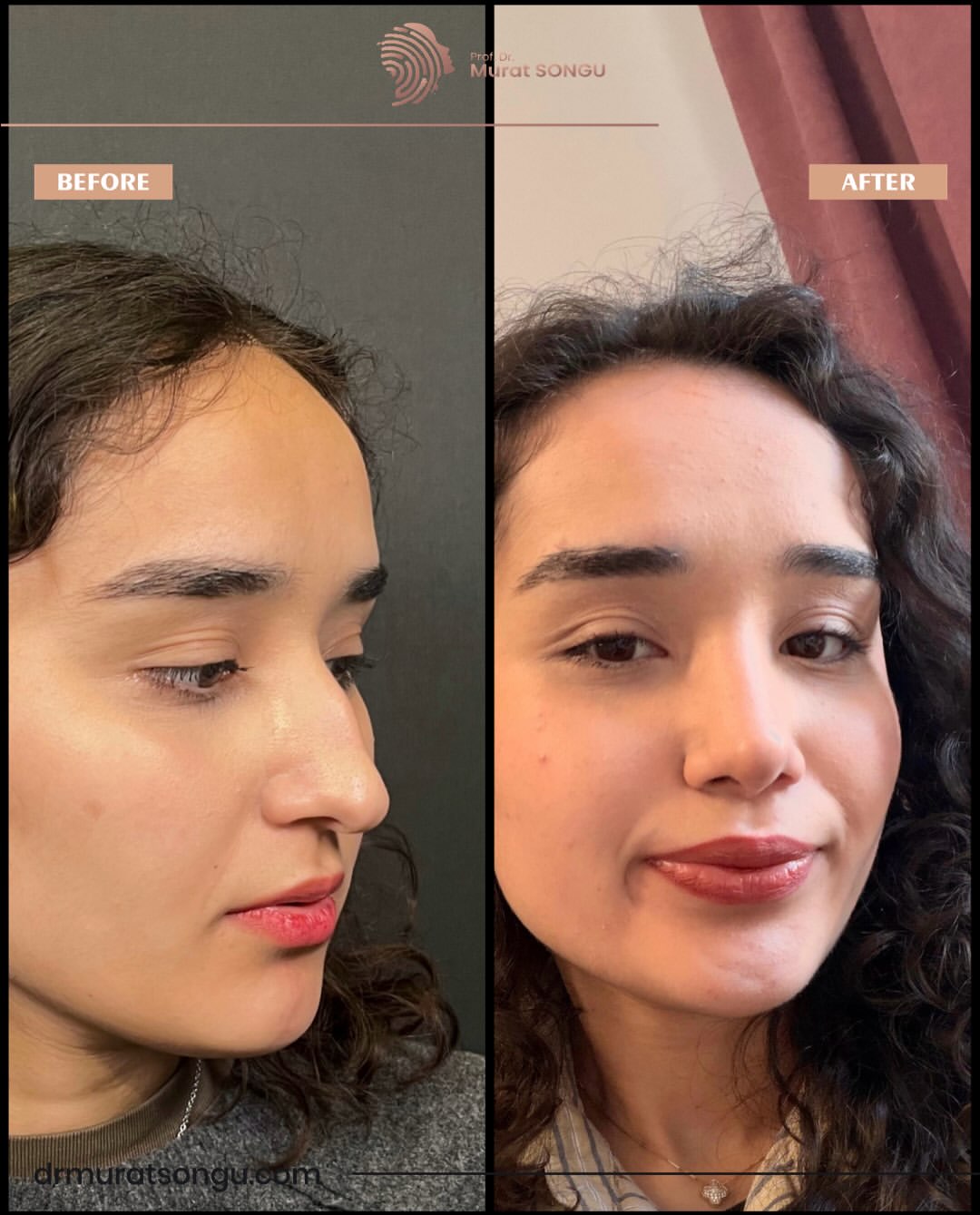
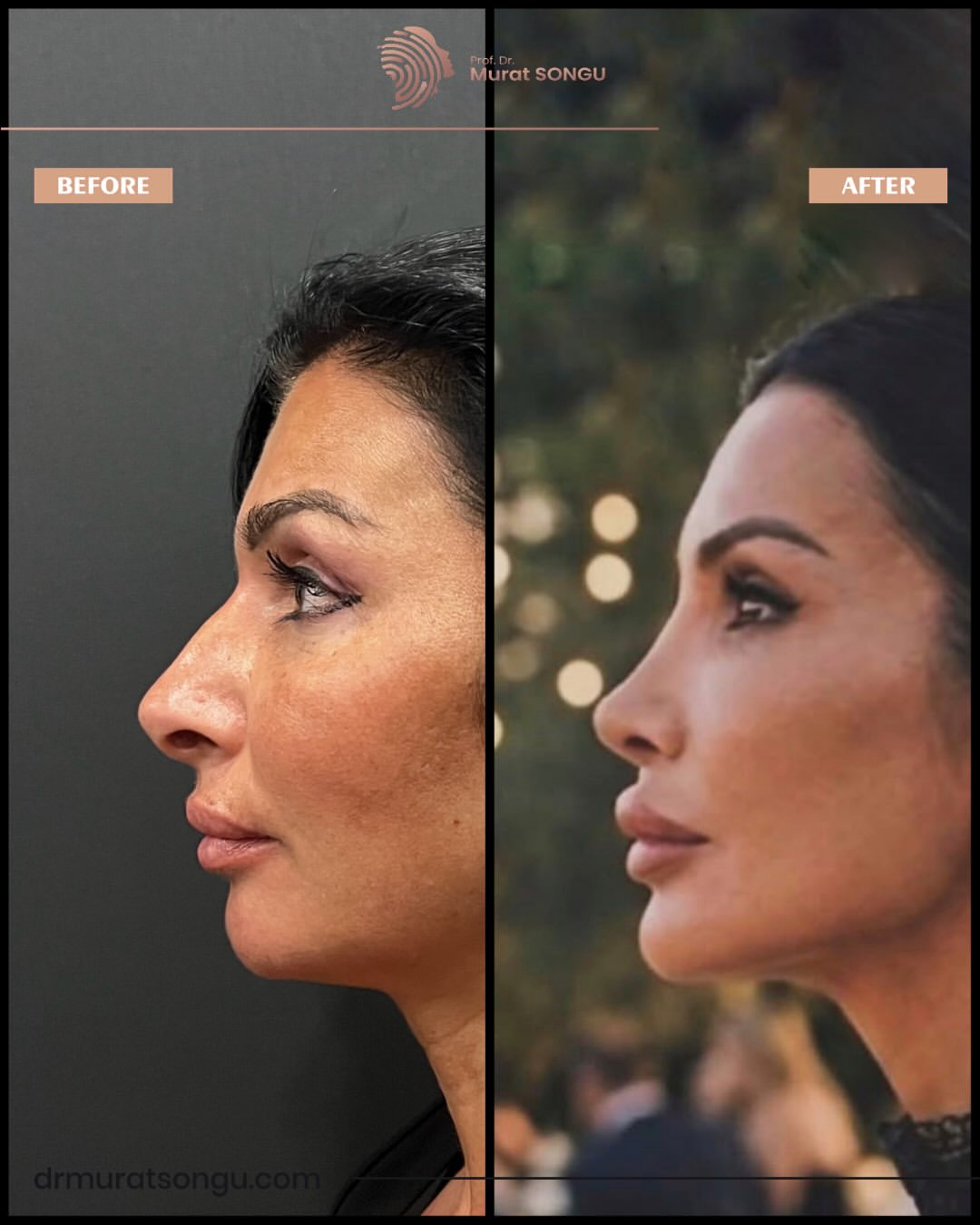
Big nose rhinoplasty is performed to reduce or reshape a nose that appears large or disproportionate in relation to the rest of the face. A “big nose” may result from several anatomical factors, including a prominent dorsal hump, excessive nasal projection, a wide bridge, large nasal tip, long nasal length, or broad nostrils. Because each of these features can affect facial balance differently, the surgical plan should be customized to the individual patient.
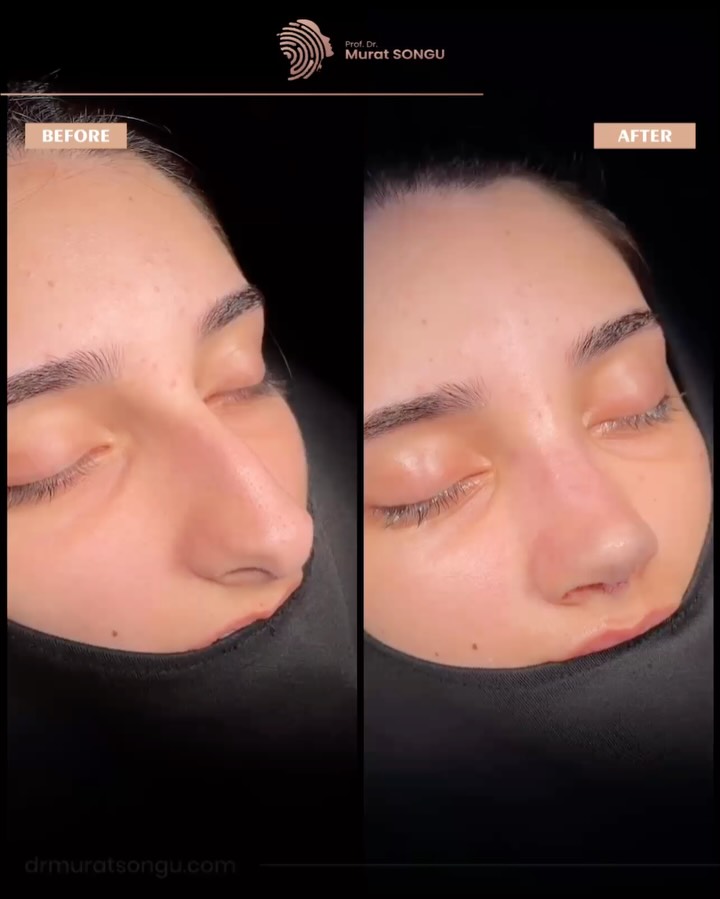
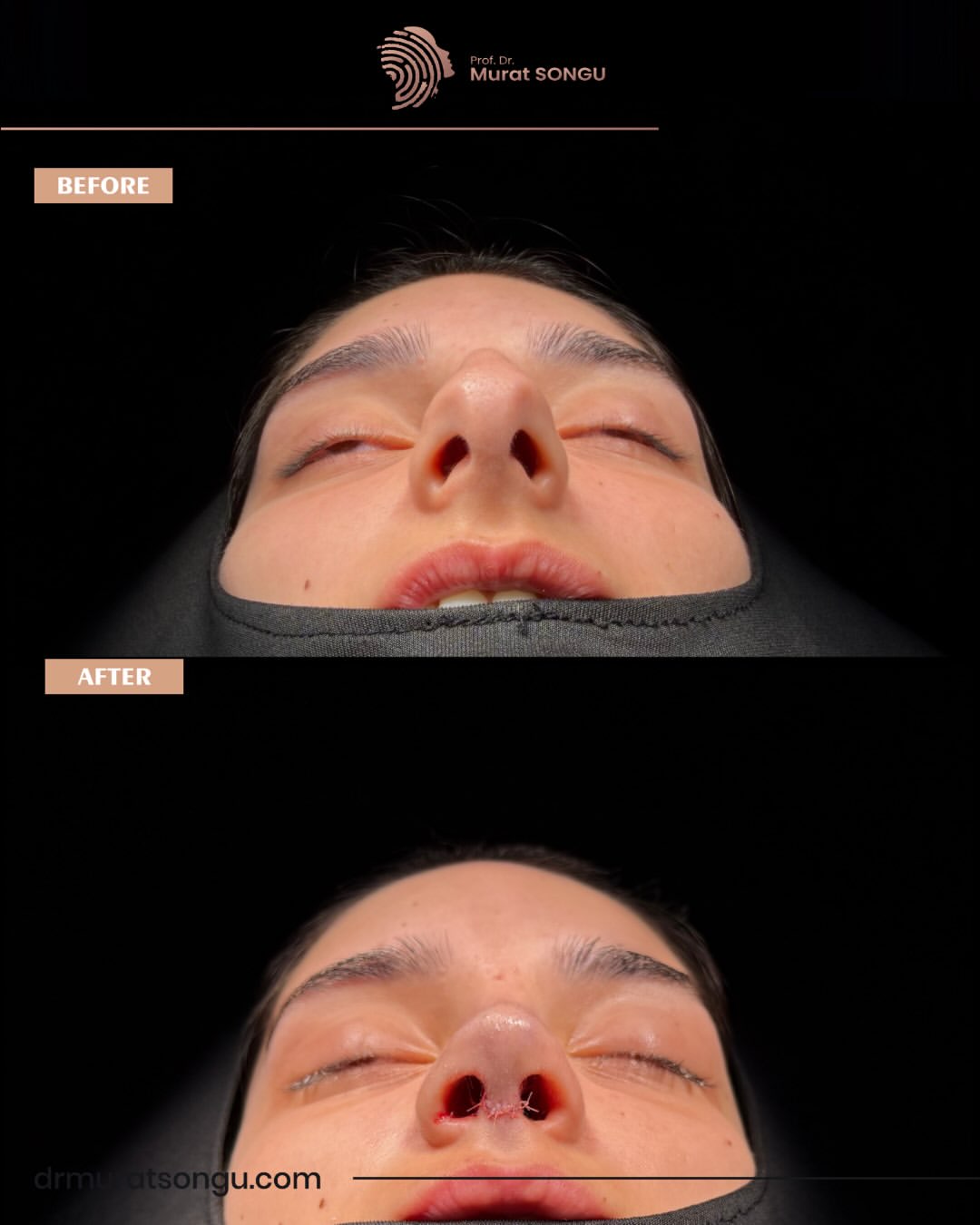
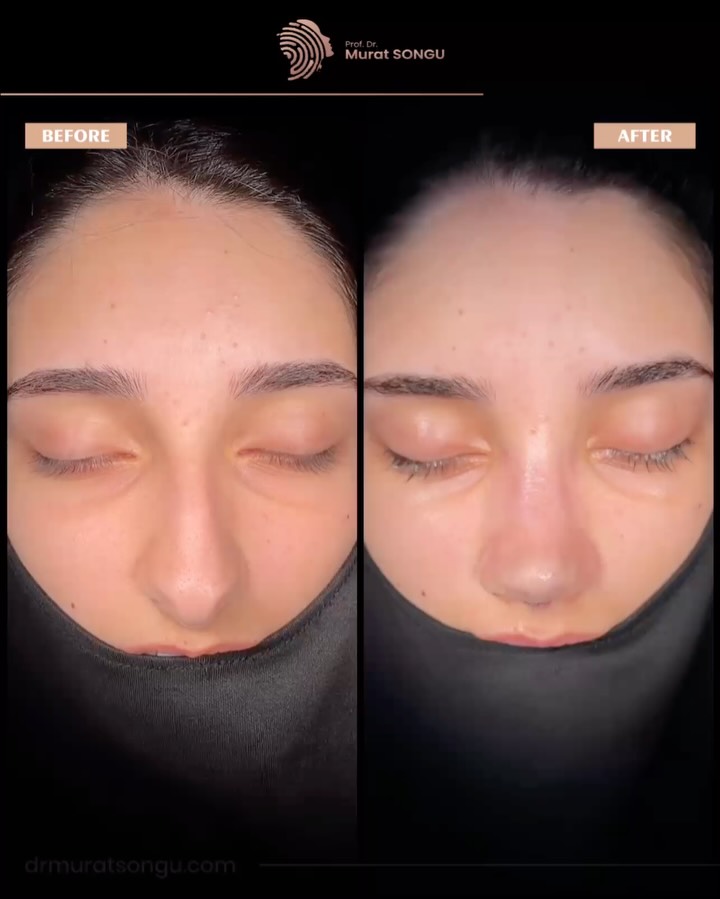
Big nose rhinoplasty before and after photos can help demonstrate how nasal proportions may change after surgery. In preoperative images, the nose may appear dominant from the frontal, profile, or oblique view. Some patients may have a high or convex bridge, while others may have a long or overprojected tip that makes the nose appear larger. The goal of surgery is generally to reduce this visual dominance while maintaining a natural relationship between the nose, forehead, lips, and chin.
Depending on the anatomy, the procedure may involve reducing the dorsal hump, narrowing the nasal bones, adjusting tip projection, refining the nasal tip, shortening the nose, or modifying the nostril base. The objective is not simply to make the nose smaller, but to create a more balanced and proportionate appearance without compromising structural support.
Swelling is normal after rhinoplasty and may temporarily affect how small or refined the nose appears. The bridge often settles earlier, while the nasal tip can take several months to fully refine. Final results may continue to develop for up to a year or longer.
The big nose rhinoplasty before and after photos below are shared to illustrate real patient outcomes and the range of changes that may be achieved. Individual results vary depending on nasal anatomy, skin thickness, surgical technique, and the healing process.

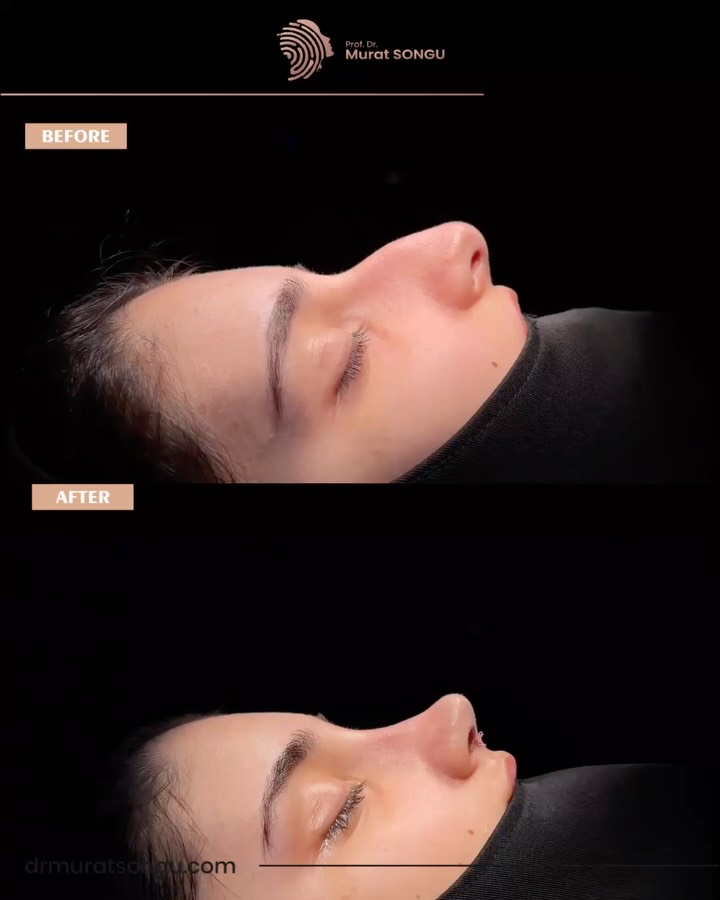
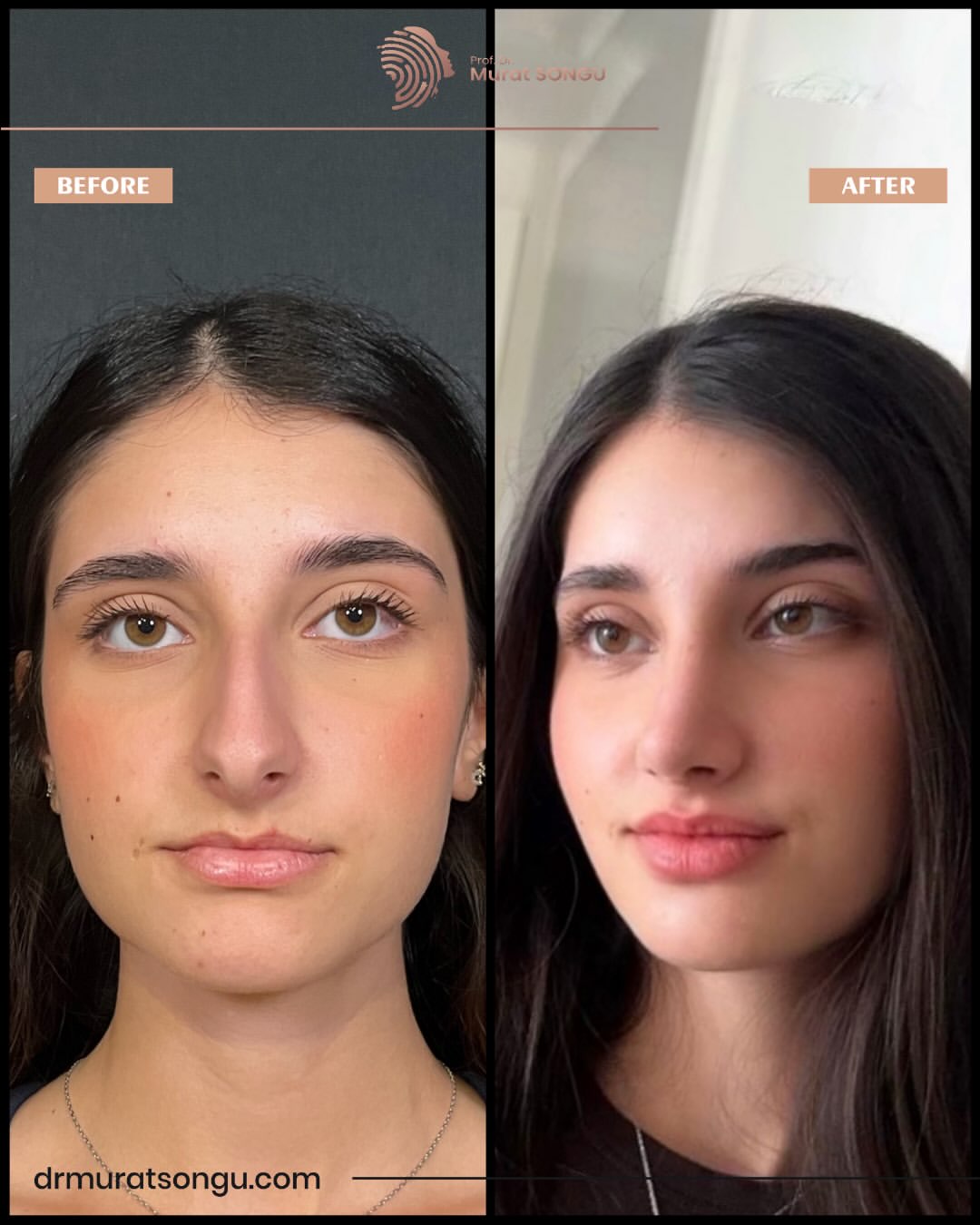
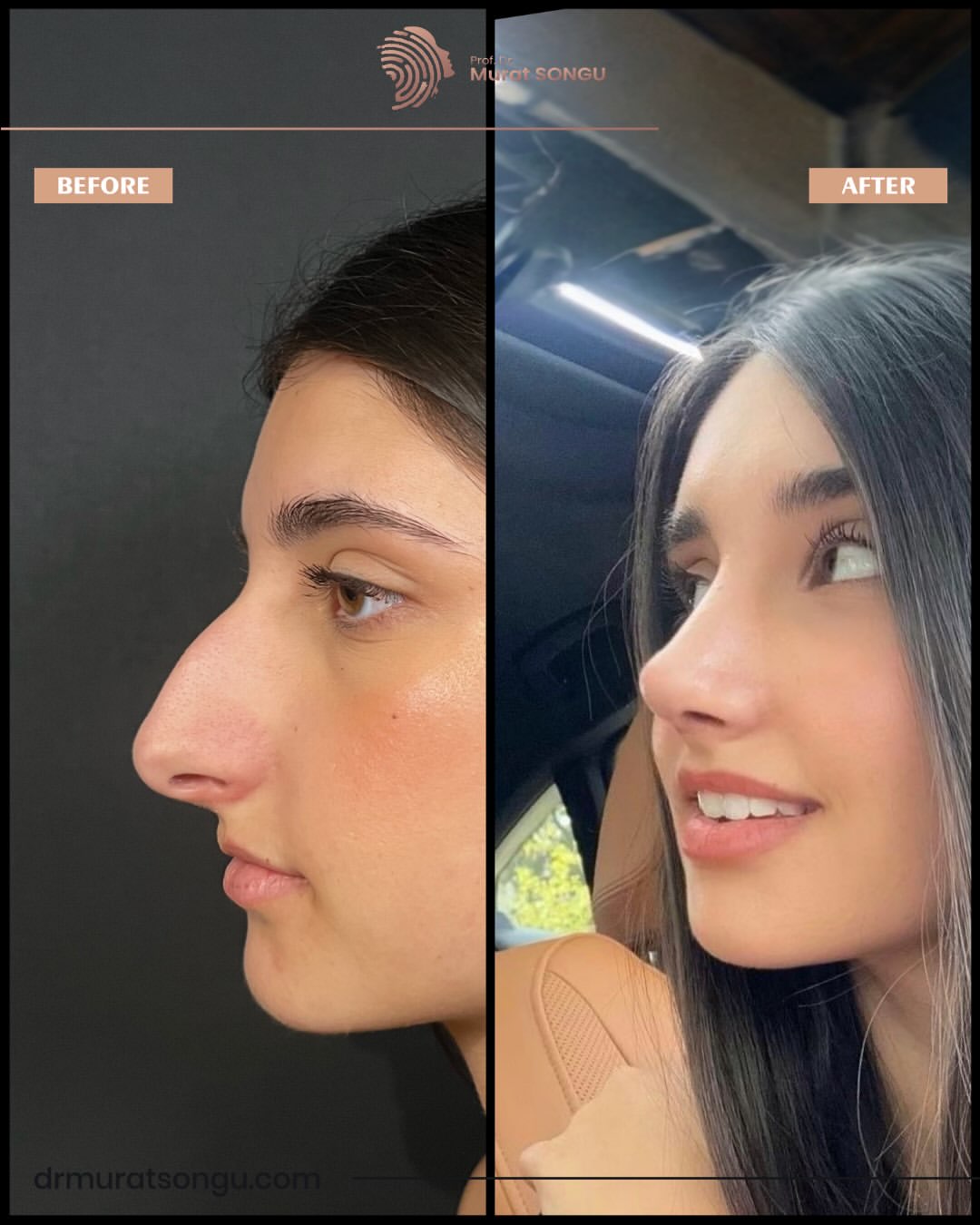
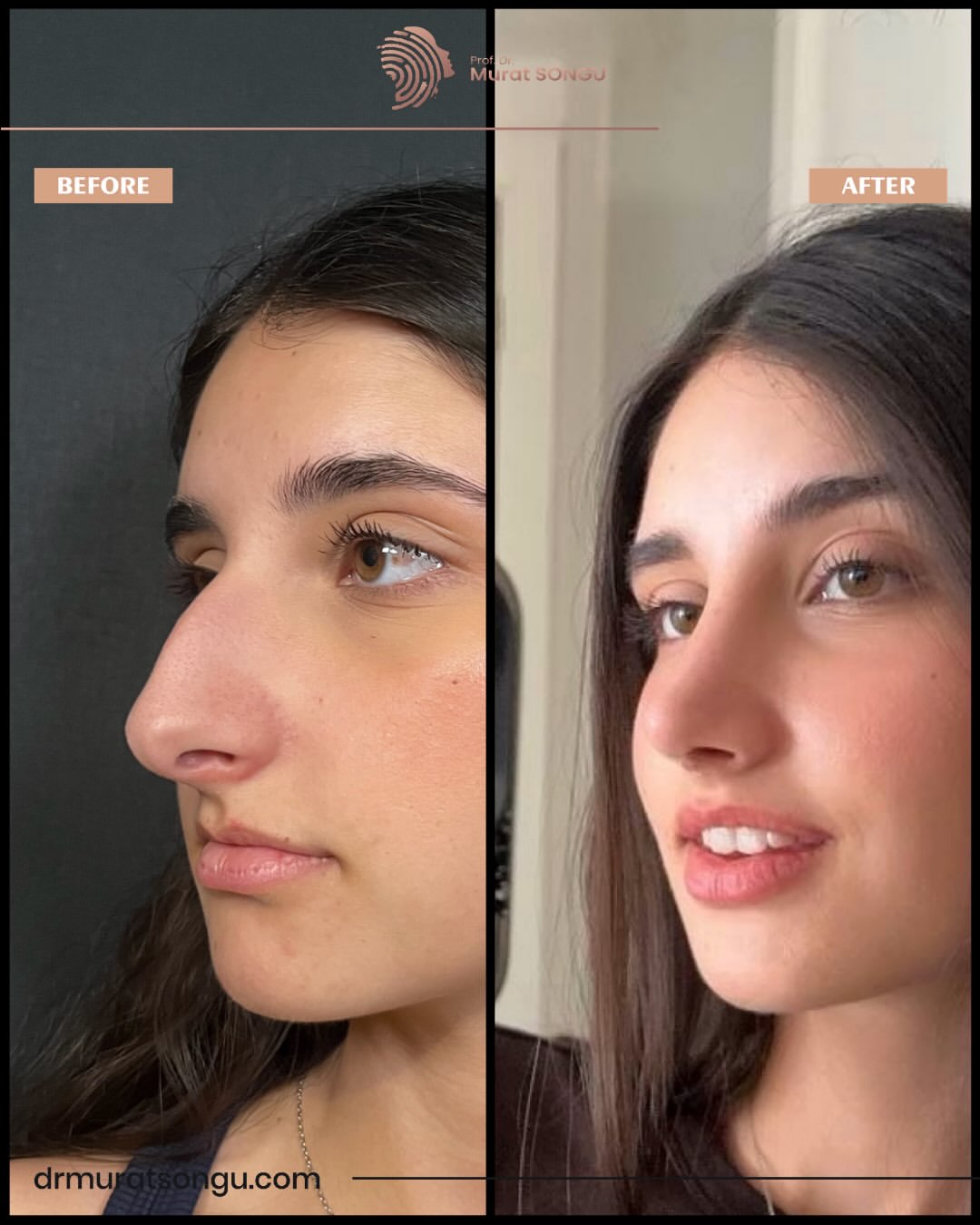

Prof. Dr. Murat Songu – Burun Estetiği (Rinoplasti) Uzmanı
Prof. Dr. Murat Songu, 1976 yılında İzmir’de doğmuş, tıp eğitimini Ege Üniversitesi Tıp Fakültesi’nde tamamladıktan sonra Celal Bayar Üniversitesi Kulak Burun Boğaz Anabilim Dalı’nda uzmanlık eğitimini tamamlamıştır. 2005–2006 yıllarında Fransa’nın Bordeaux kentinde Prof. Vincent Darrouzet ve Dr. Guy Lacher gibi rinoloji alanının önde gelen cerrahlarıyla çalışarak rinoplasti, fonksiyonel burun cerrahisi ve kafa tabanı cerrahisi üzerine ileri eğitim almıştır.
Burun estetiğinde doğal görünüm, nefes fonksiyonunun korunması ve yüz estetiği dengesini ön planda tutan Prof. Dr. Songu, açık teknik rinoplasti, piezo (ultrasonik) rinoplasti, revizyon rinoplasti, burun ucu estetiği ve fonksiyonel septorinoplasti operasyonlarında ulusal ve uluslararası düzeyde tanınan bir cerrahtır. Yurt içi ve yurt dışında çok sayıda rinoplasti kongresinde eğitici ve konuşmacı olarak yer almış; yüz estetiği ve burun cerrahisinde modern tekniklerin yaygınlaşmasına öncülük etmiştir.
100’den fazla bilimsel yayını, kitap bölümü yazarlıkları ve 1700’ü aşkın uluslararası atfıyla rinoplasti alanında Türkiye’nin en saygın akademisyenlerinden biri olan Prof. Dr. Murat Songu, doğal, yüzle uyumlu ve fonksiyonel sonuçlar hedefleyen cerrahi yaklaşımıyla hem bilimsel hem estetik başarıları bir araya getirmektedir.