
 Türkçe
 Deutsch
 Nederlands

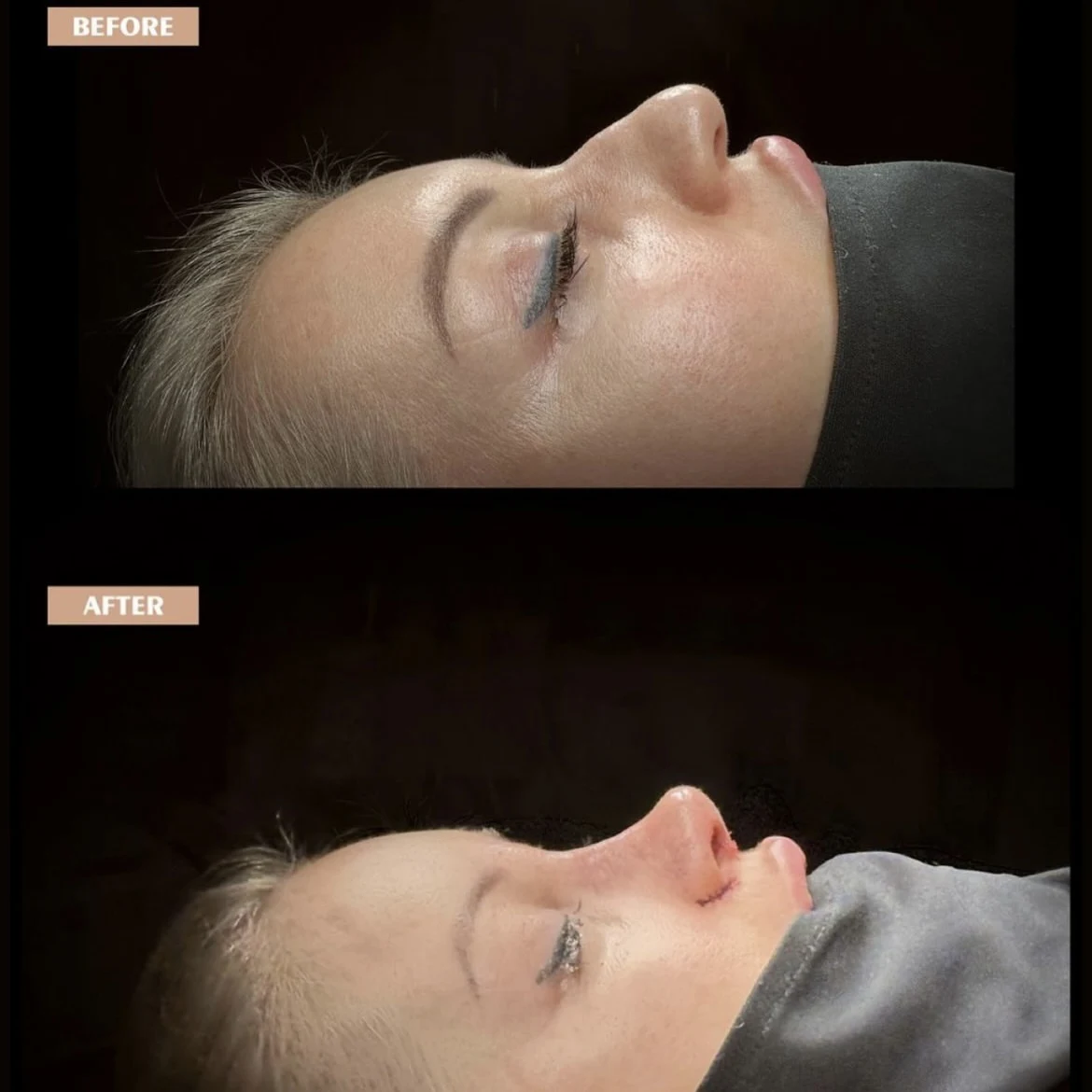
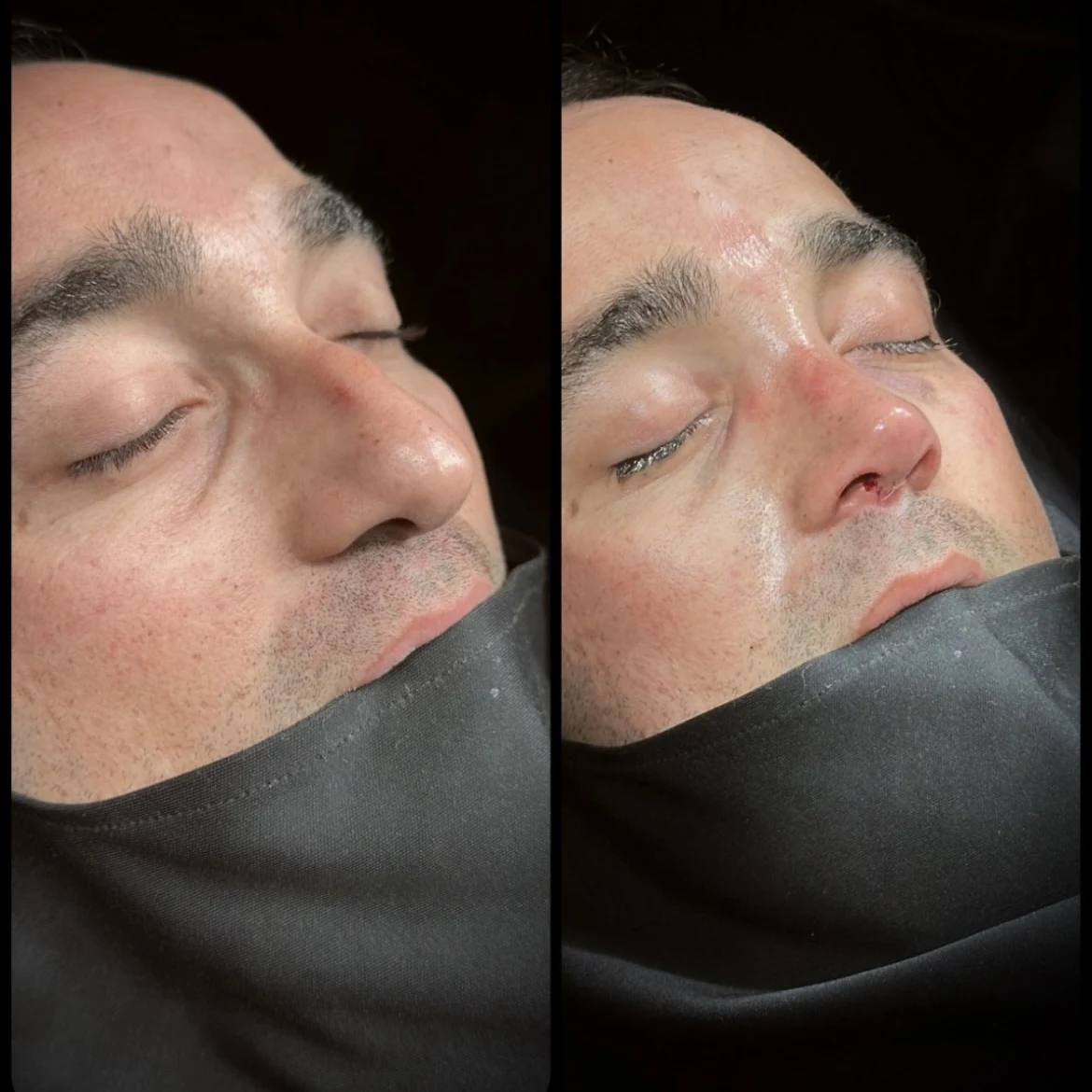
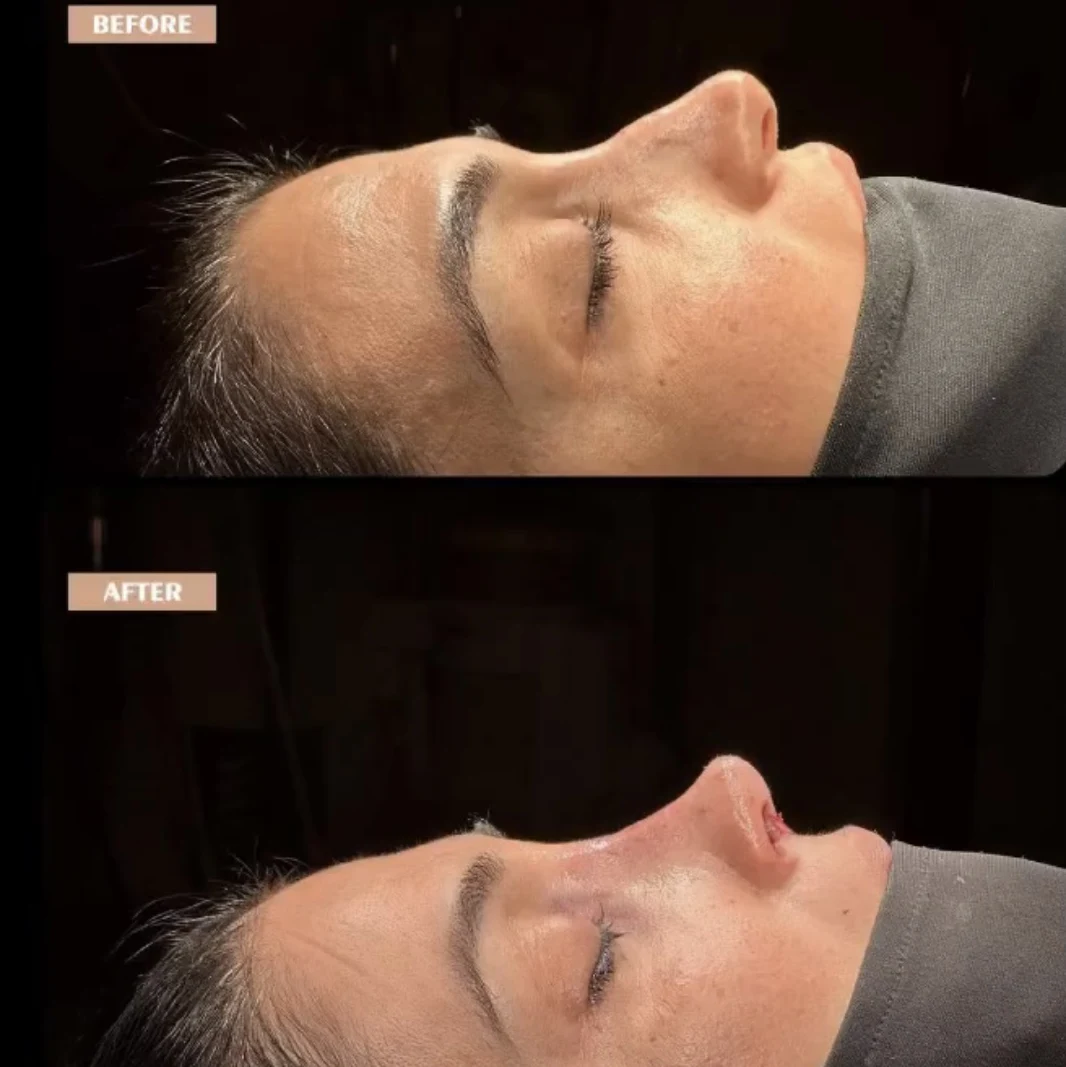
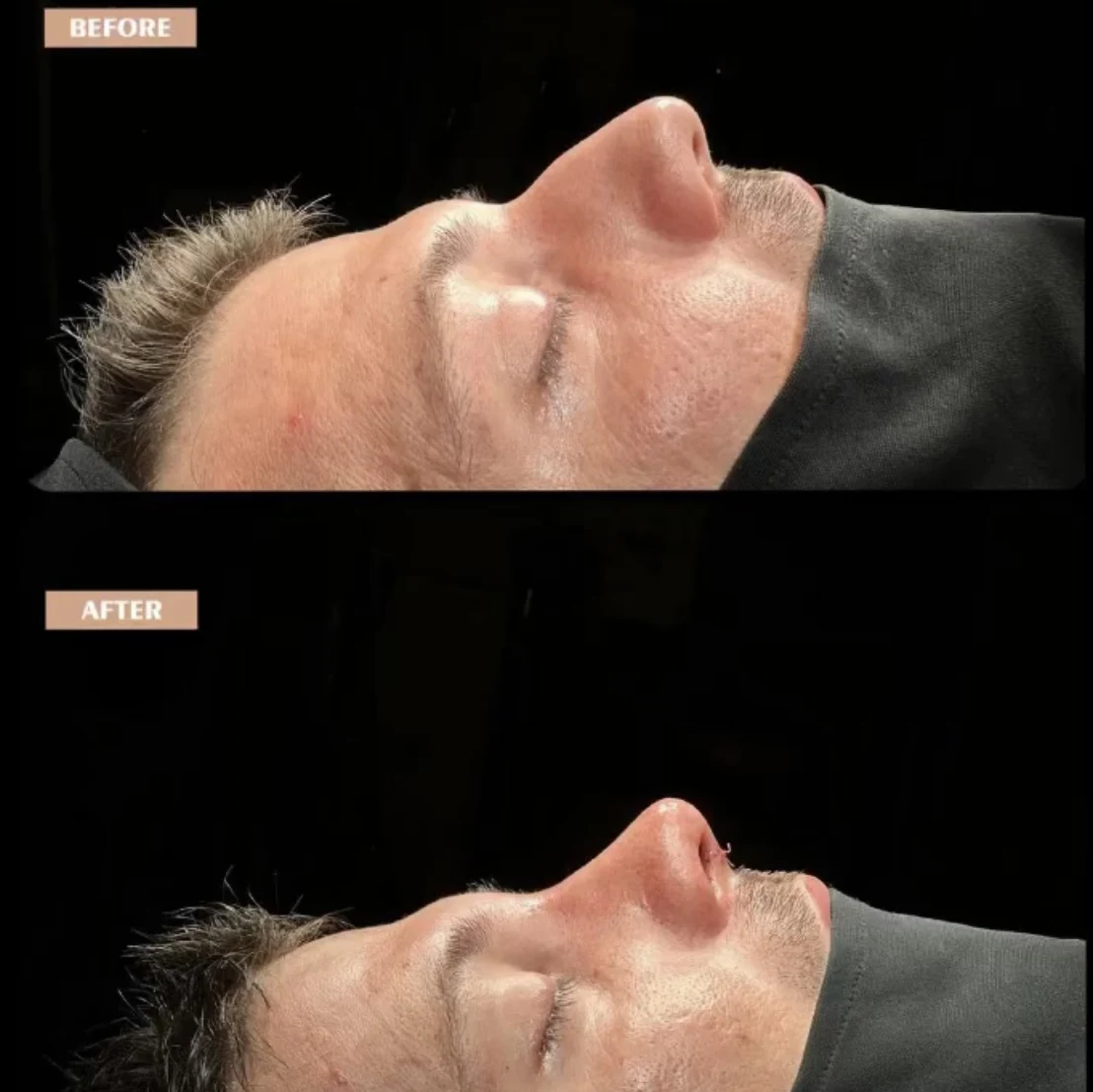
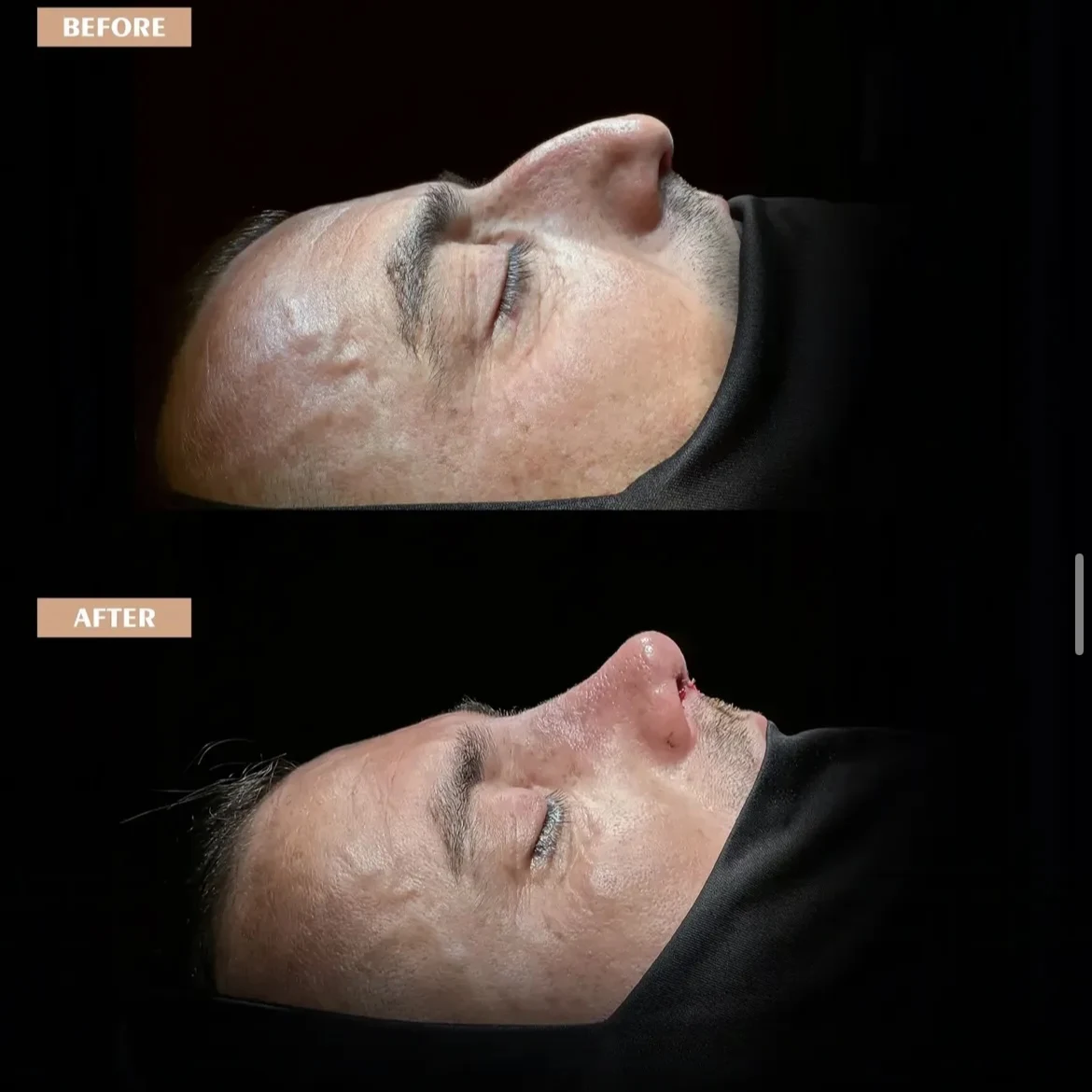
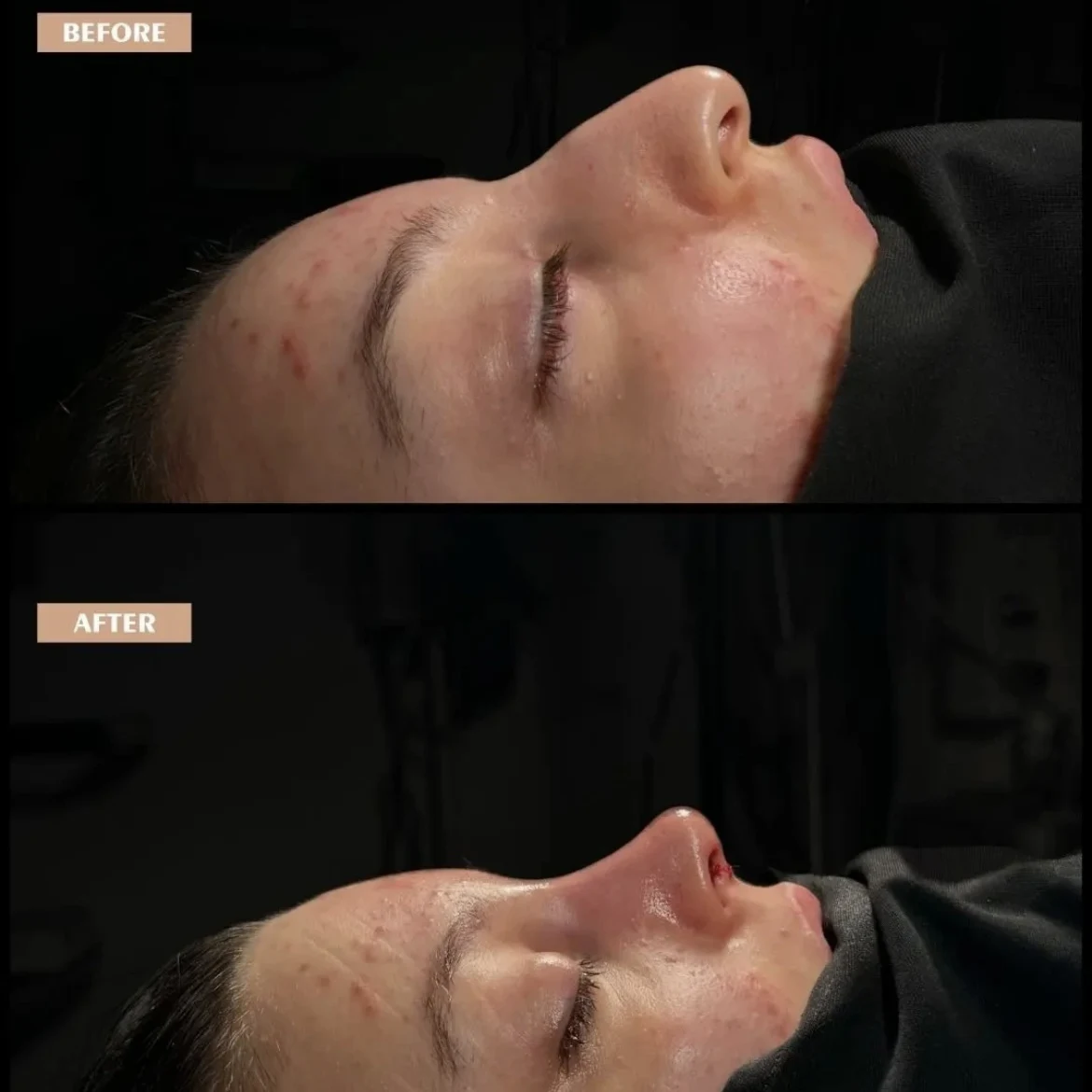
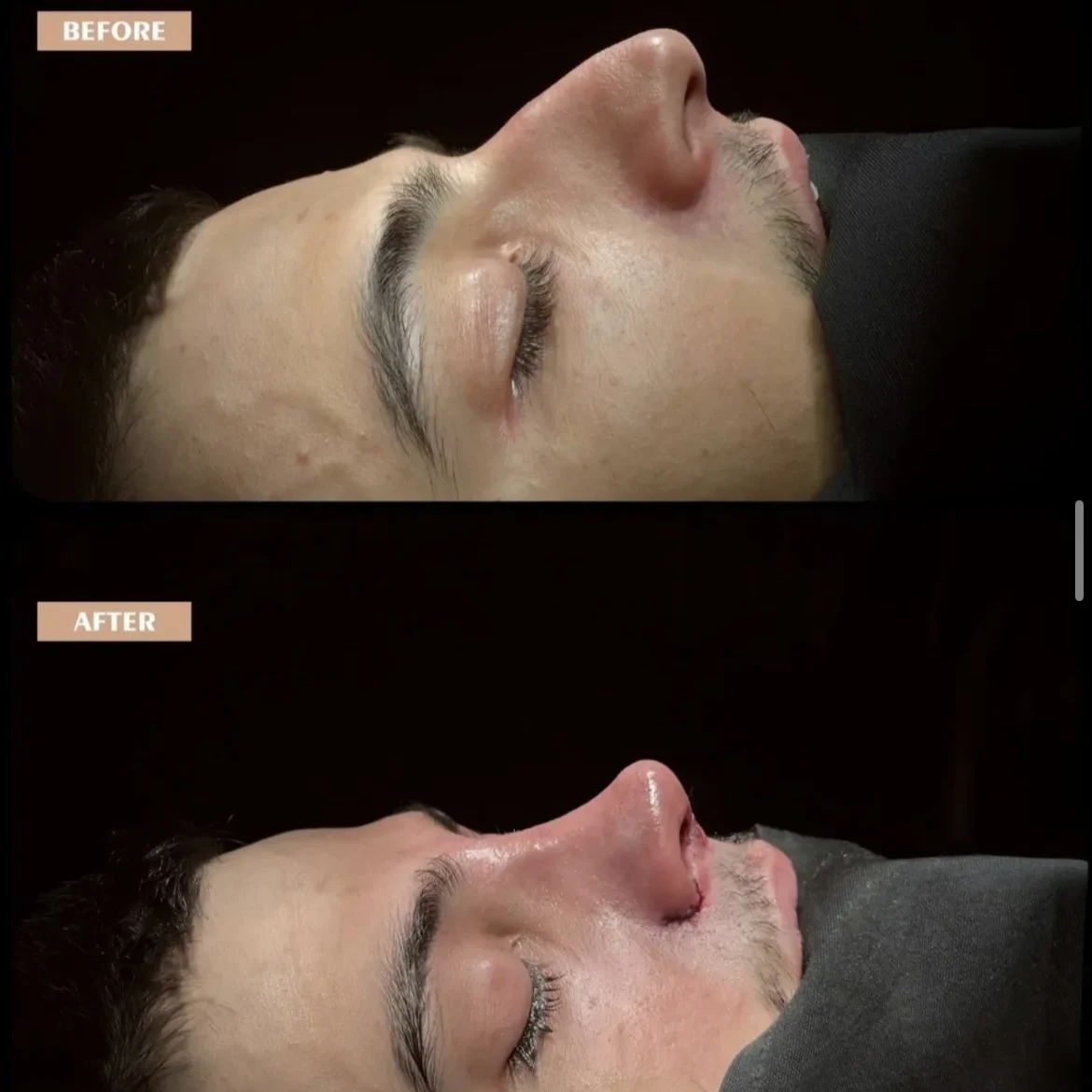
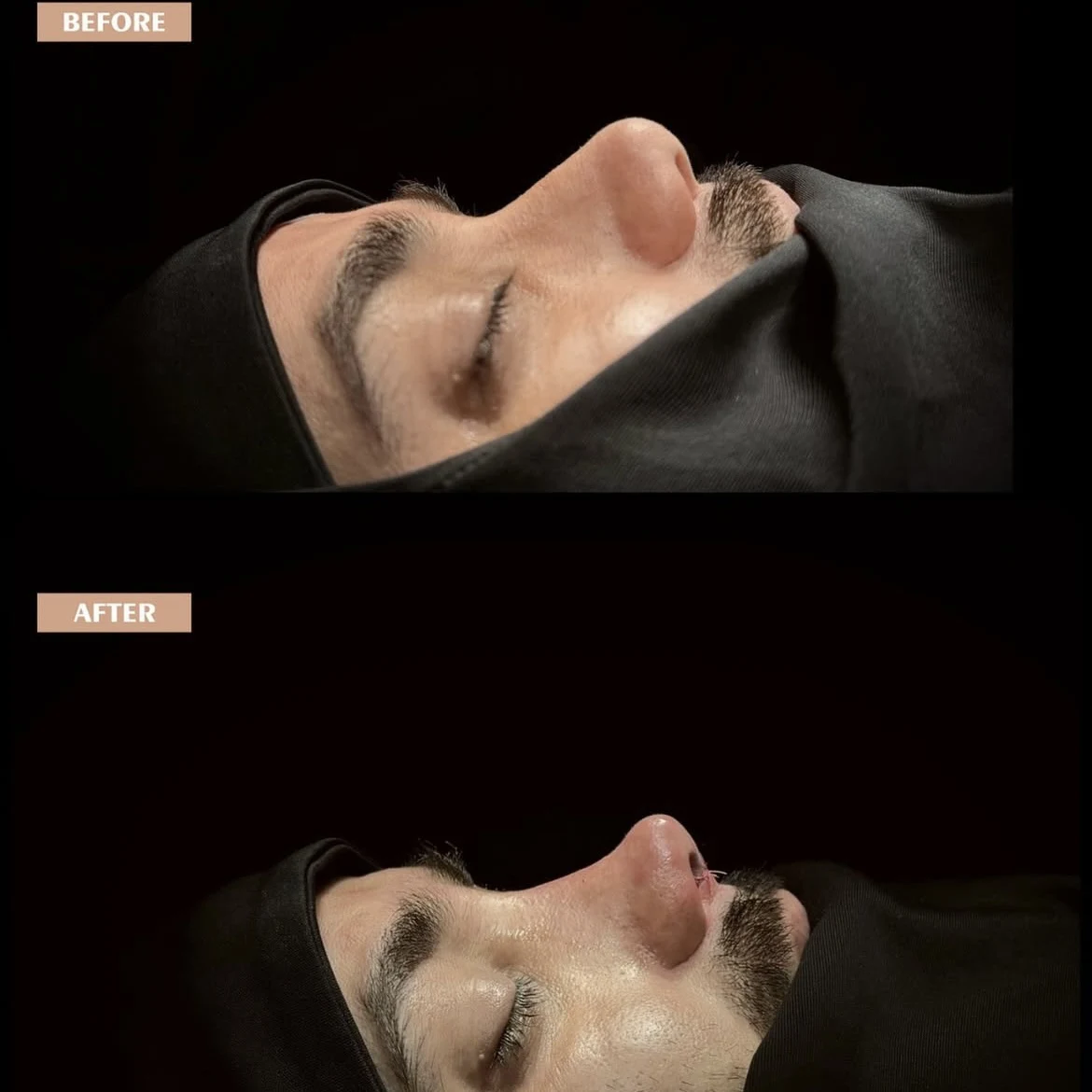
Closed Rhinoplasty in Turkey offers individuals seeking to enhance their nasal aesthetics a sophisticated surgical solution. This procedure, performed by highly skilled and board-certified rhinoplasty surgeons, utilizes internal incisions, minimizing external scarring and promoting quicker recovery. By focusing on reshaping the nasal tip, eliminating dorsal humps, and refining the nose bridge, closed rhinoplasty achieves harmonious facial proportions.
With its shorter procedure time, reduced swelling, and impressive long-lasting results, closed rhinoplasty stands as a safe and effective option for those desiring a subtle yet impactful transformation. Discover the excellence of closed rhinoplasty in Turkey, where expertise and artistry merge to create beautiful nasal contours.

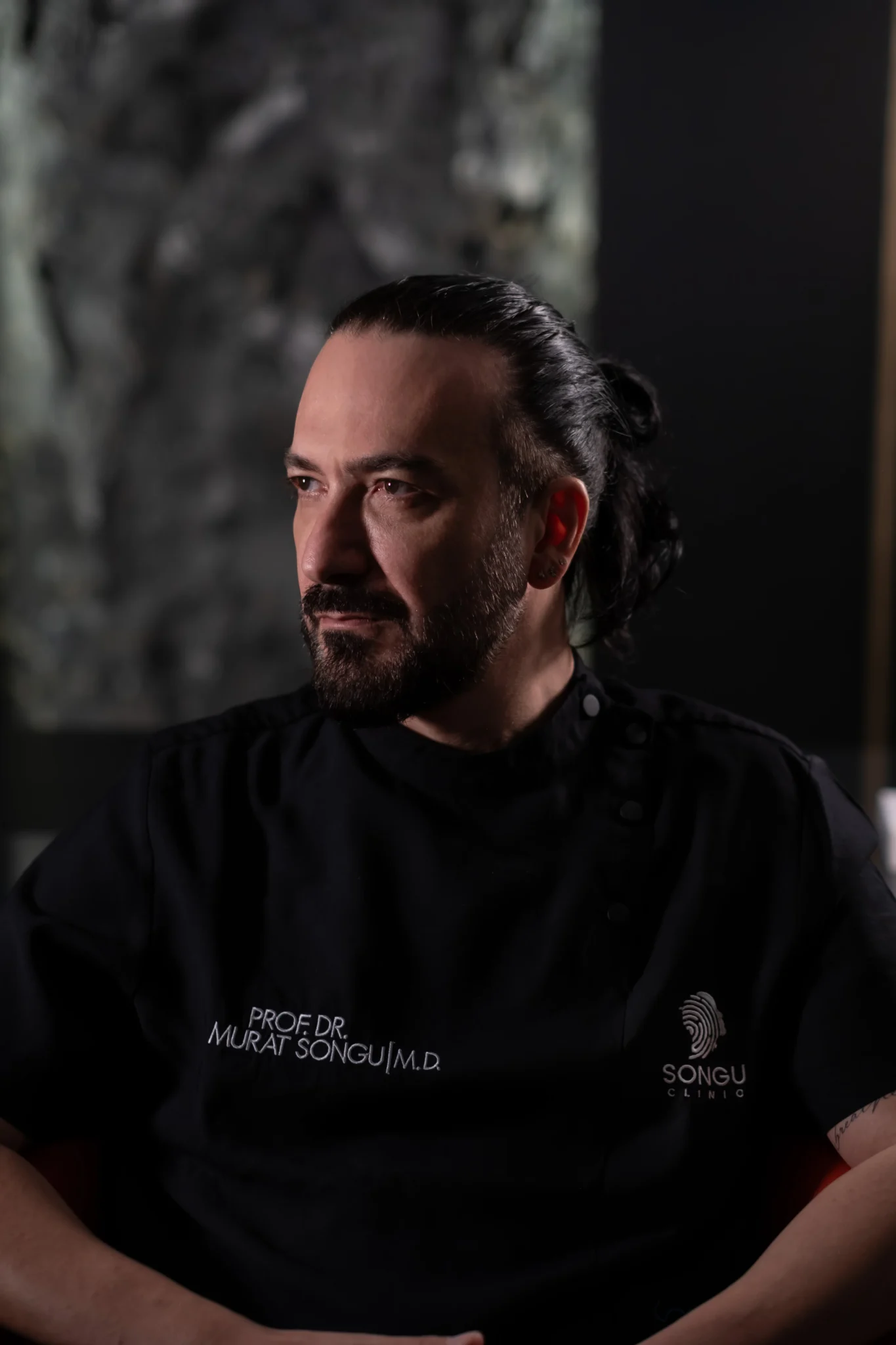
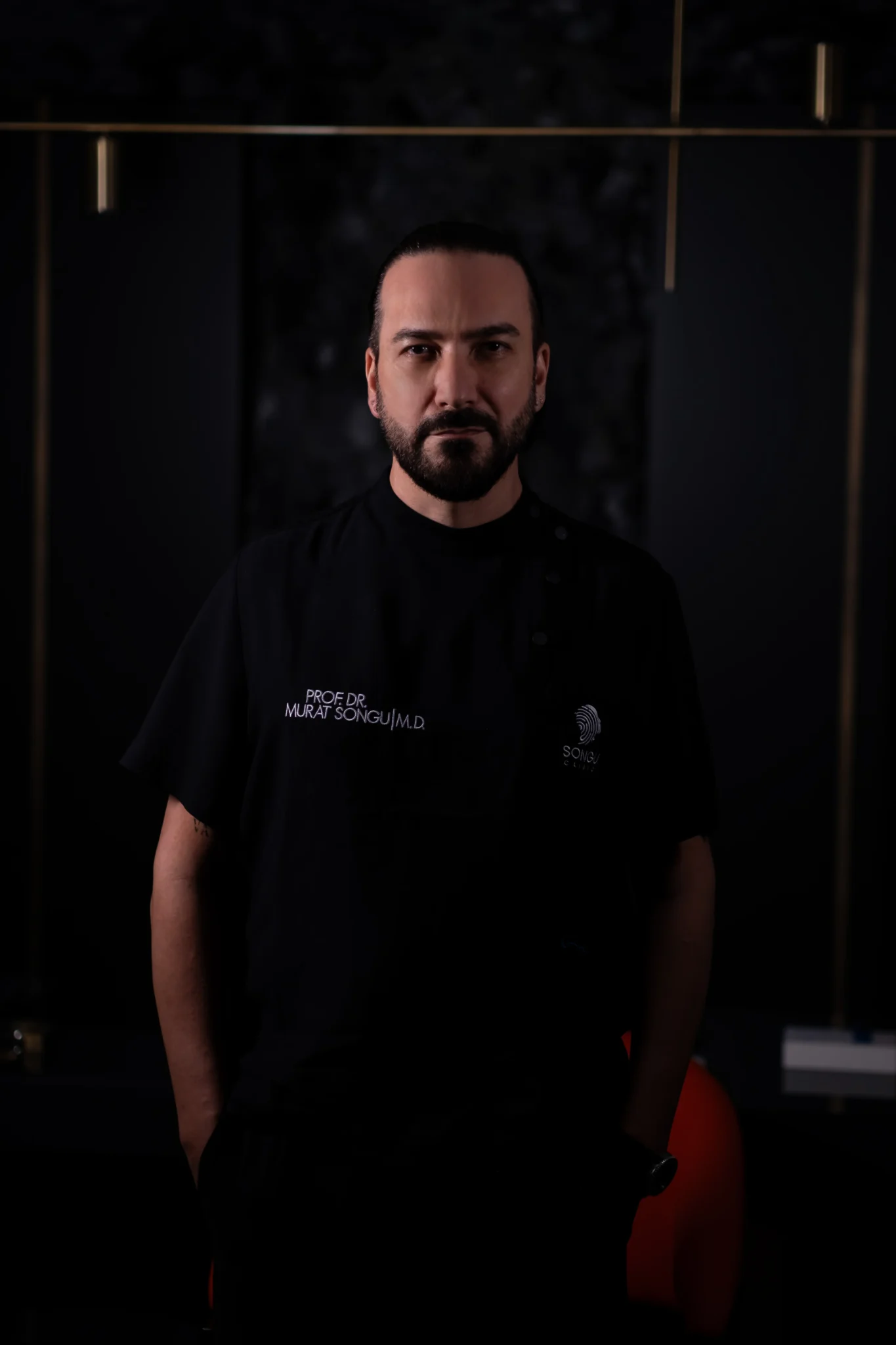
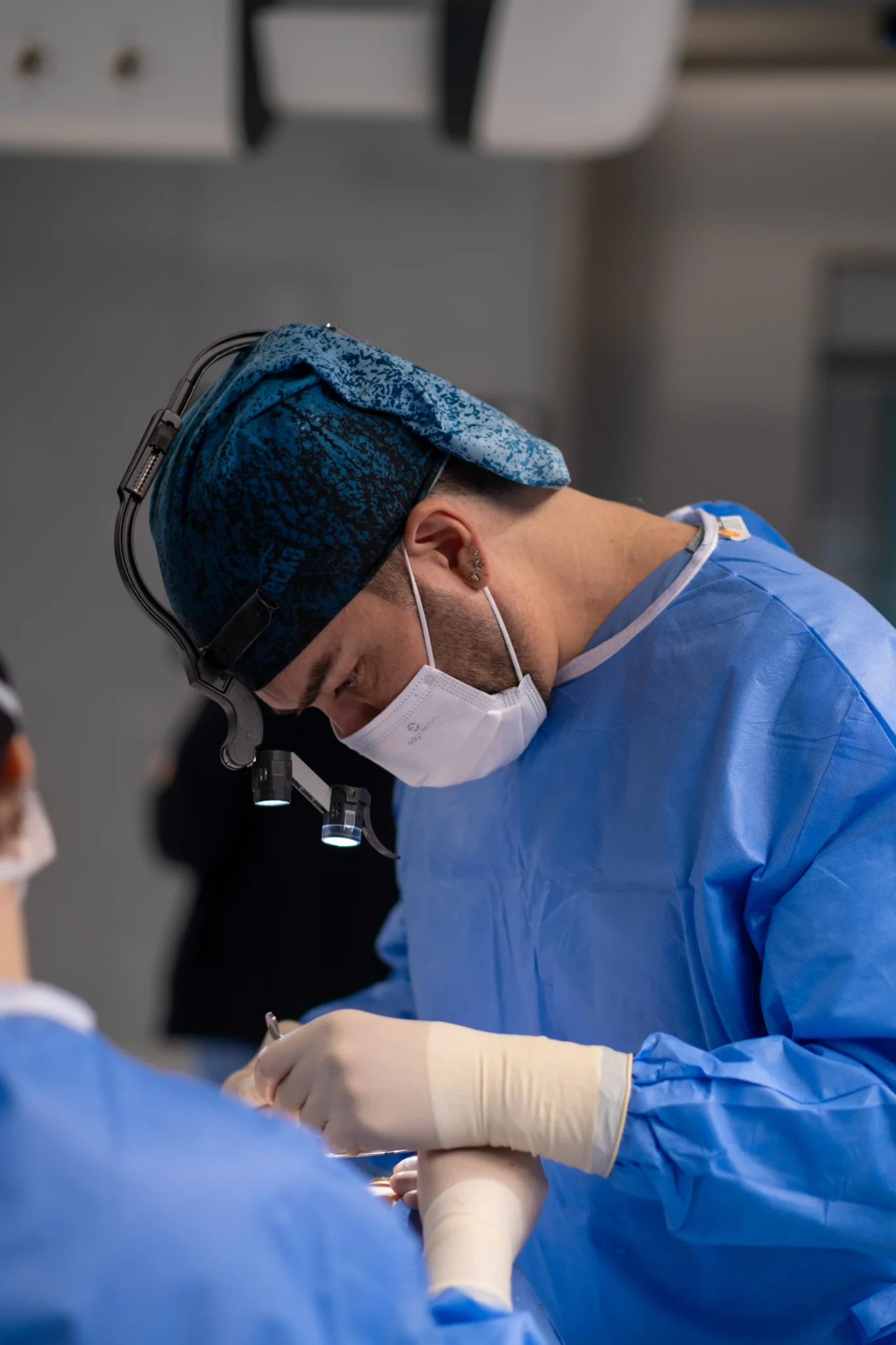
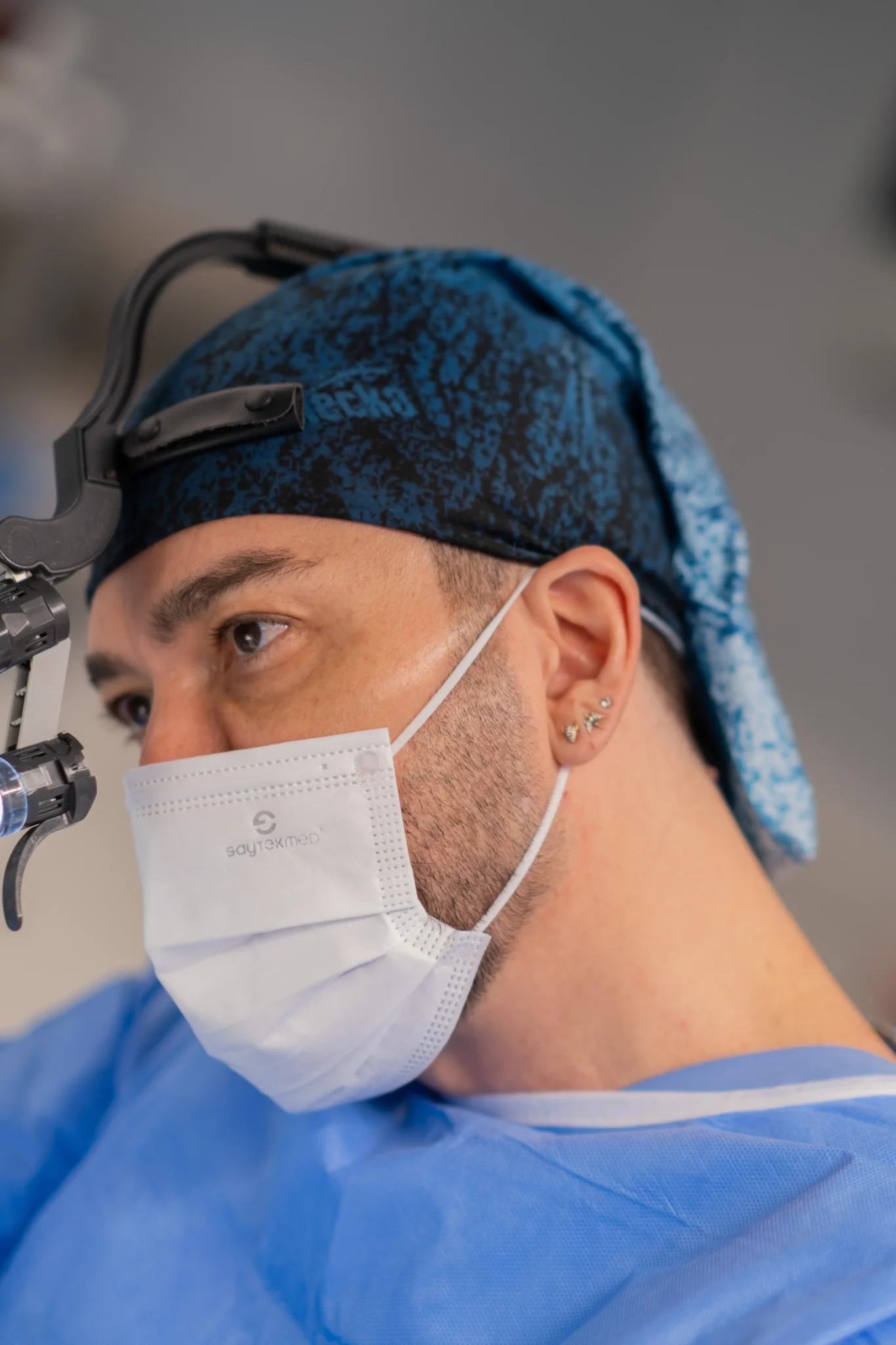
Turkey's Rhinoplasty Doctor
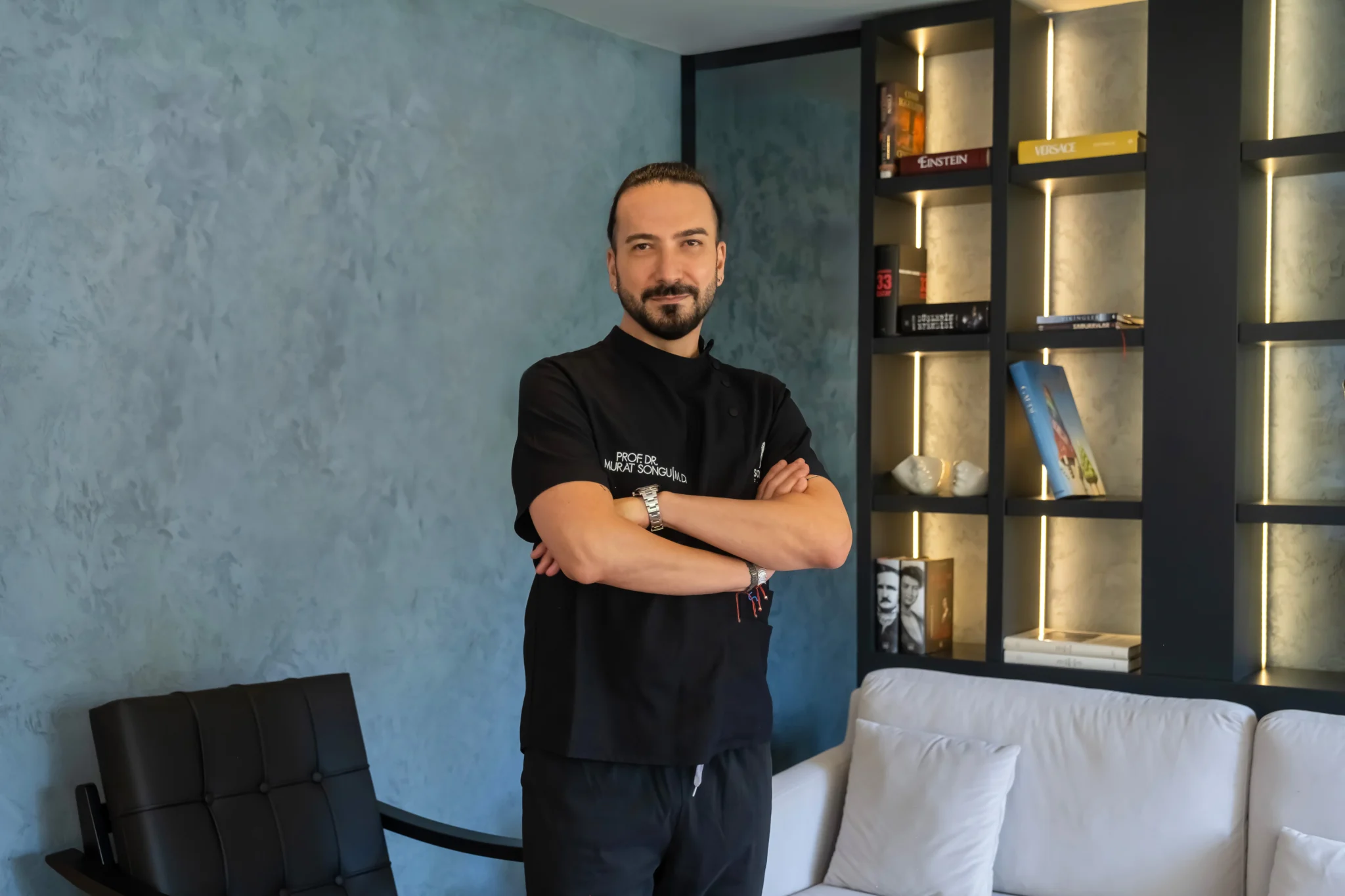
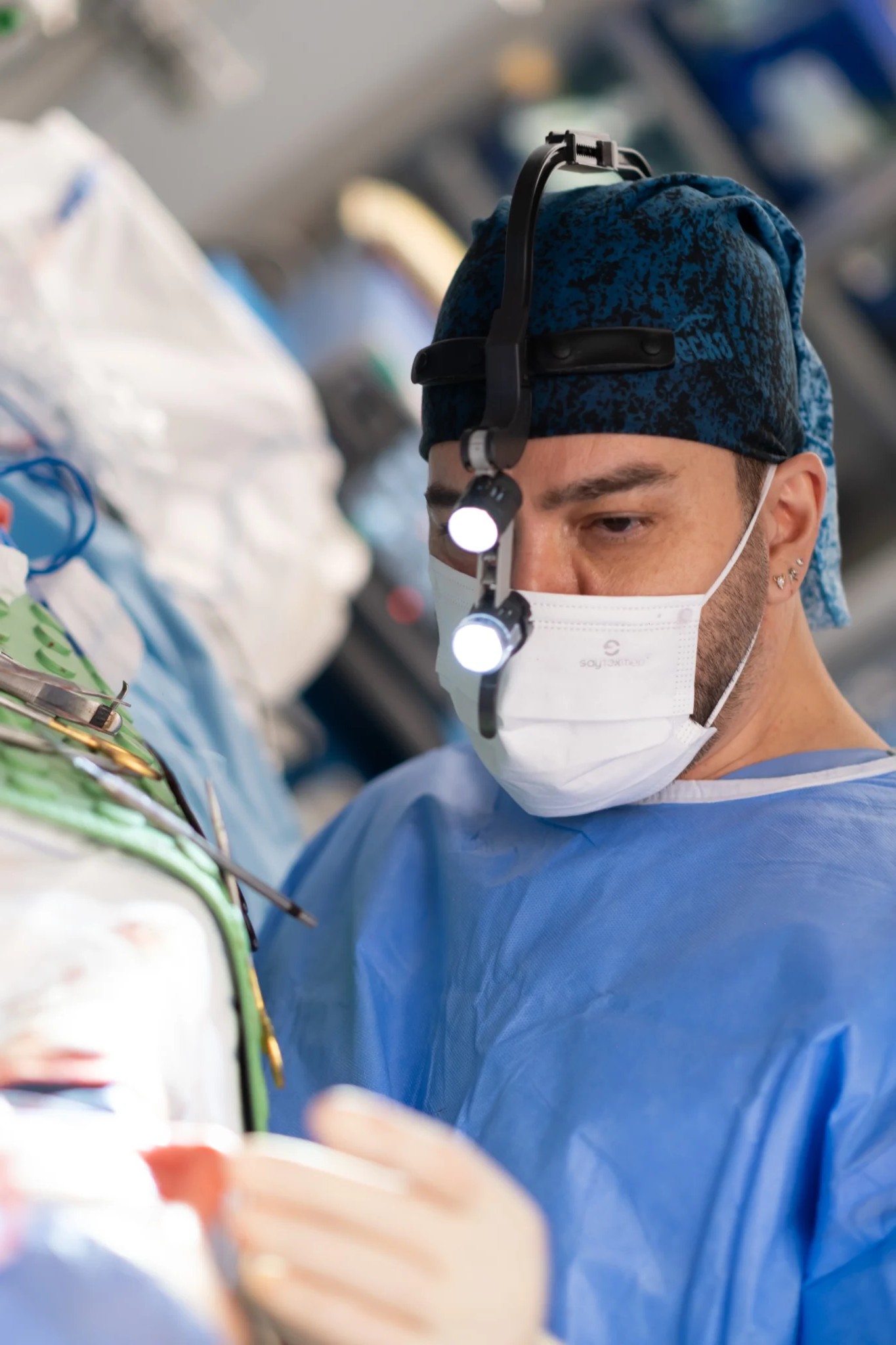
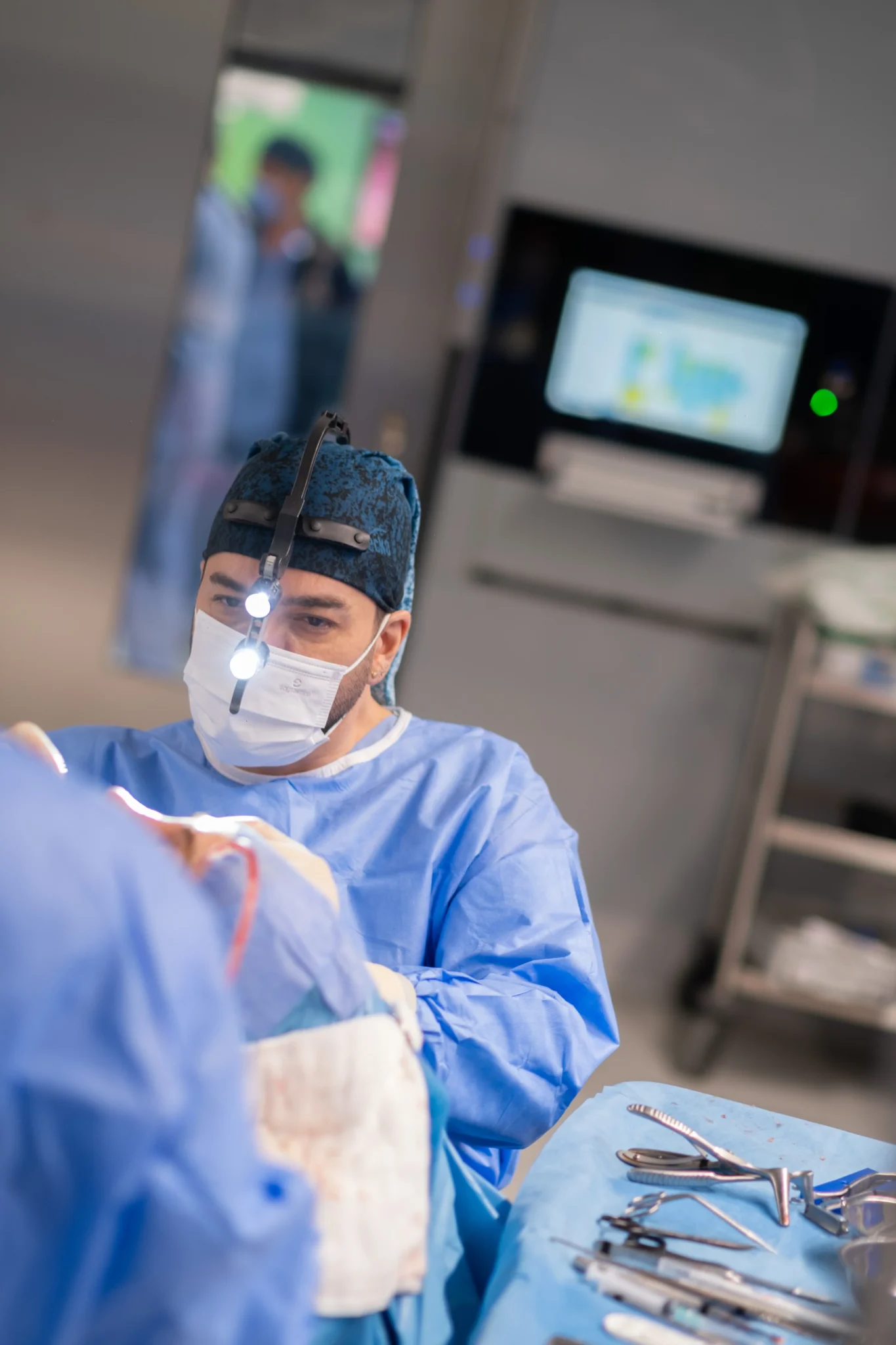
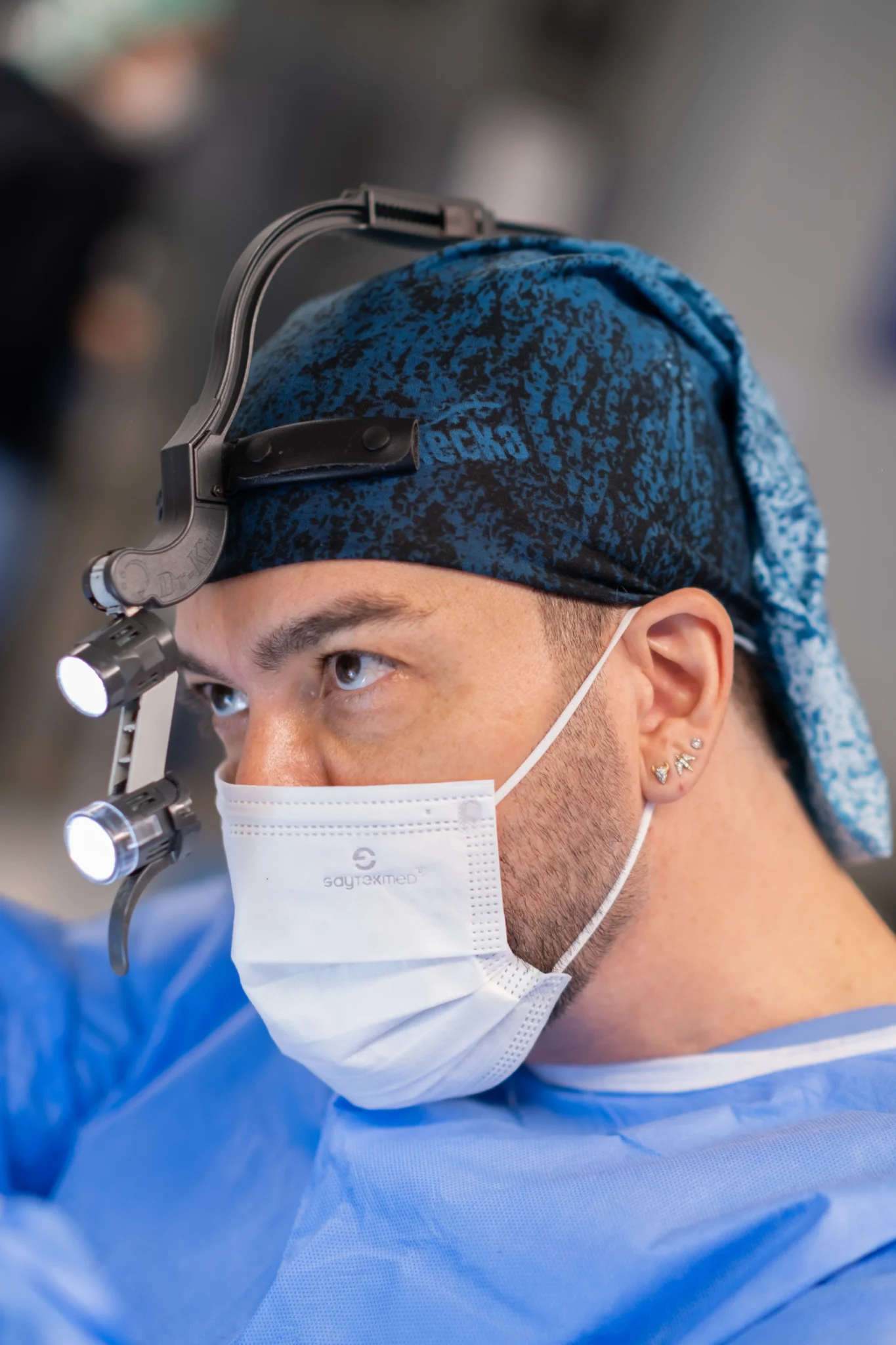
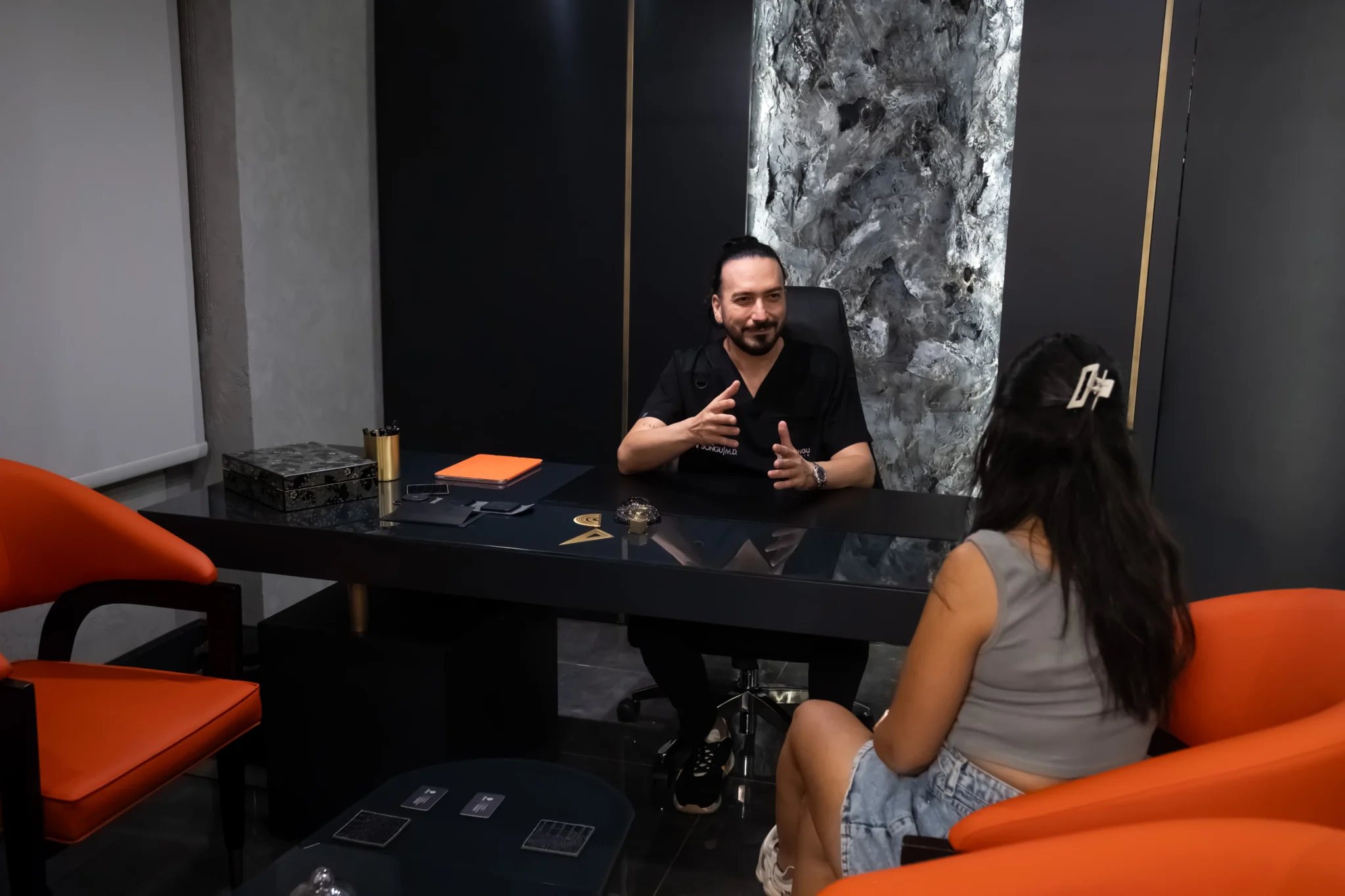
Prof. Dr. Murat Songu
Revision Rhinoplasty Specialist
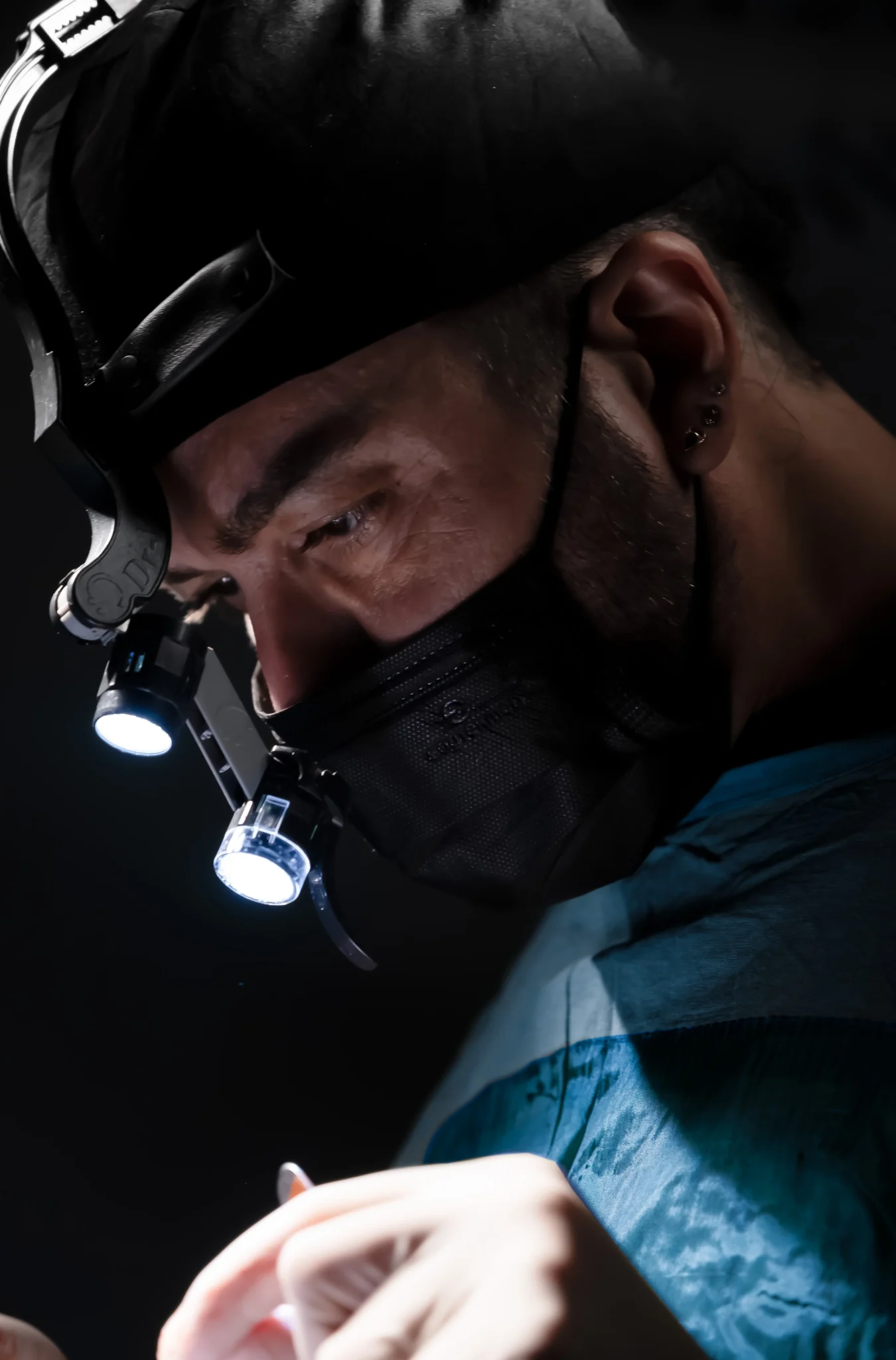
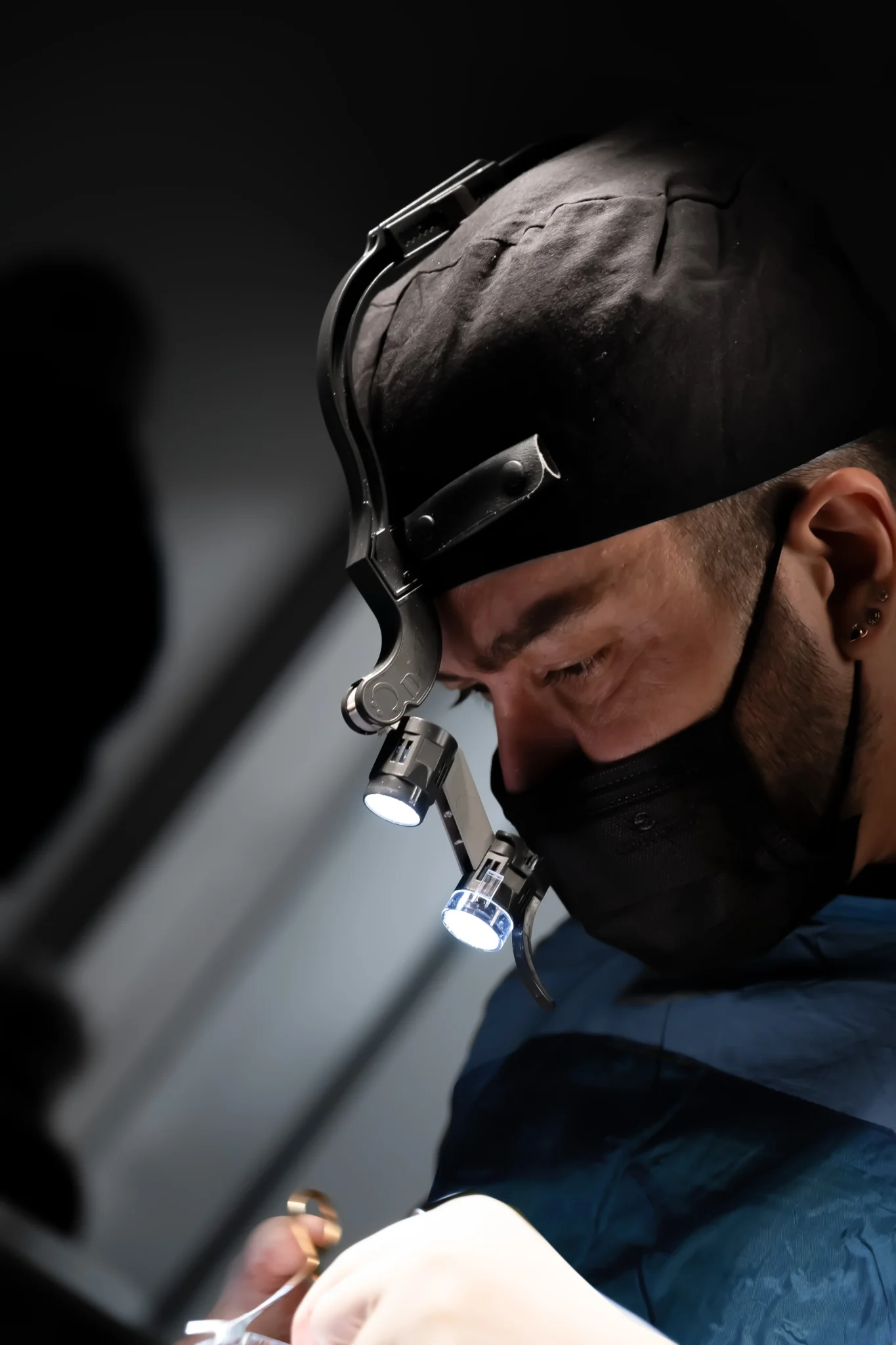
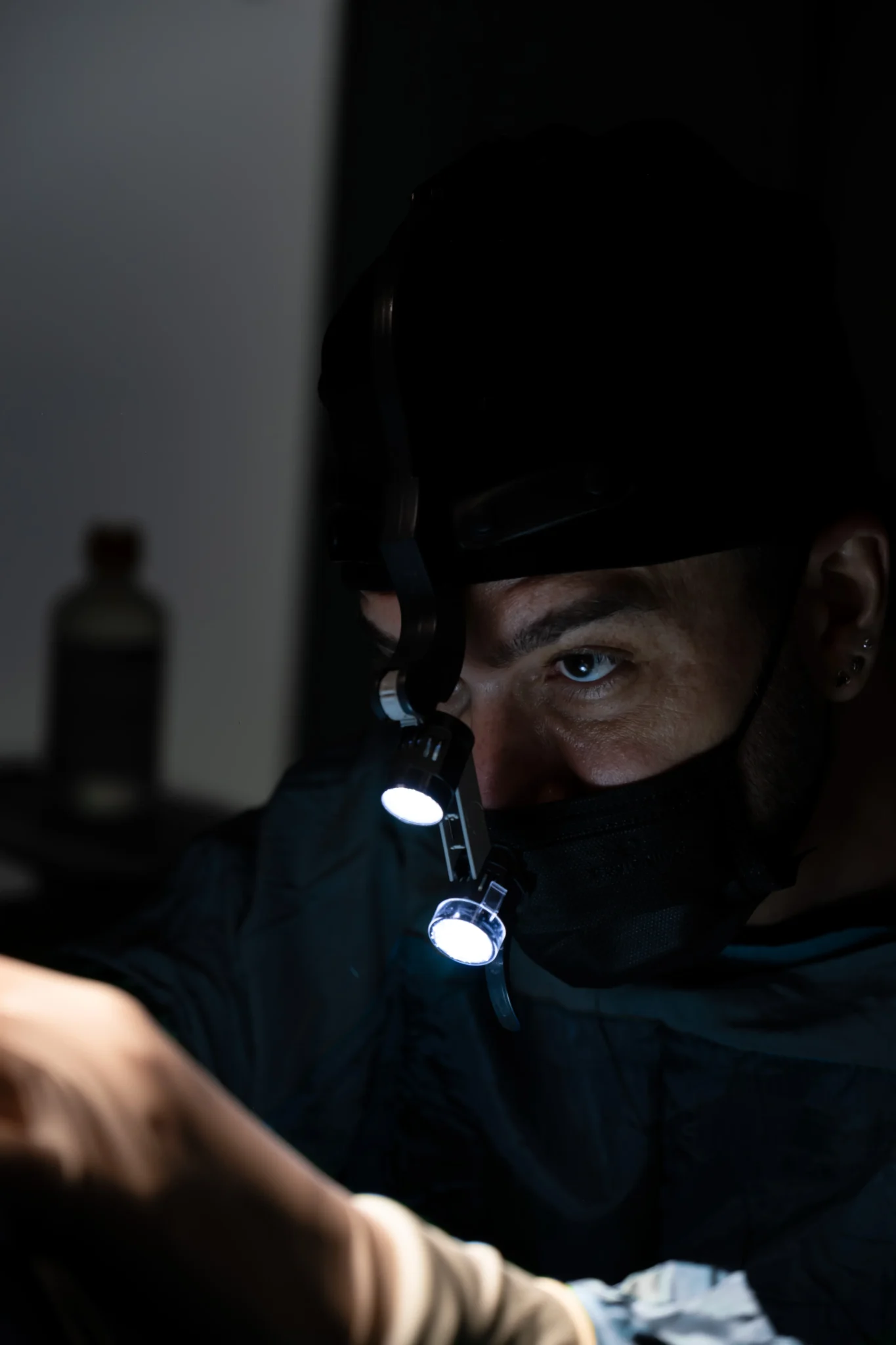
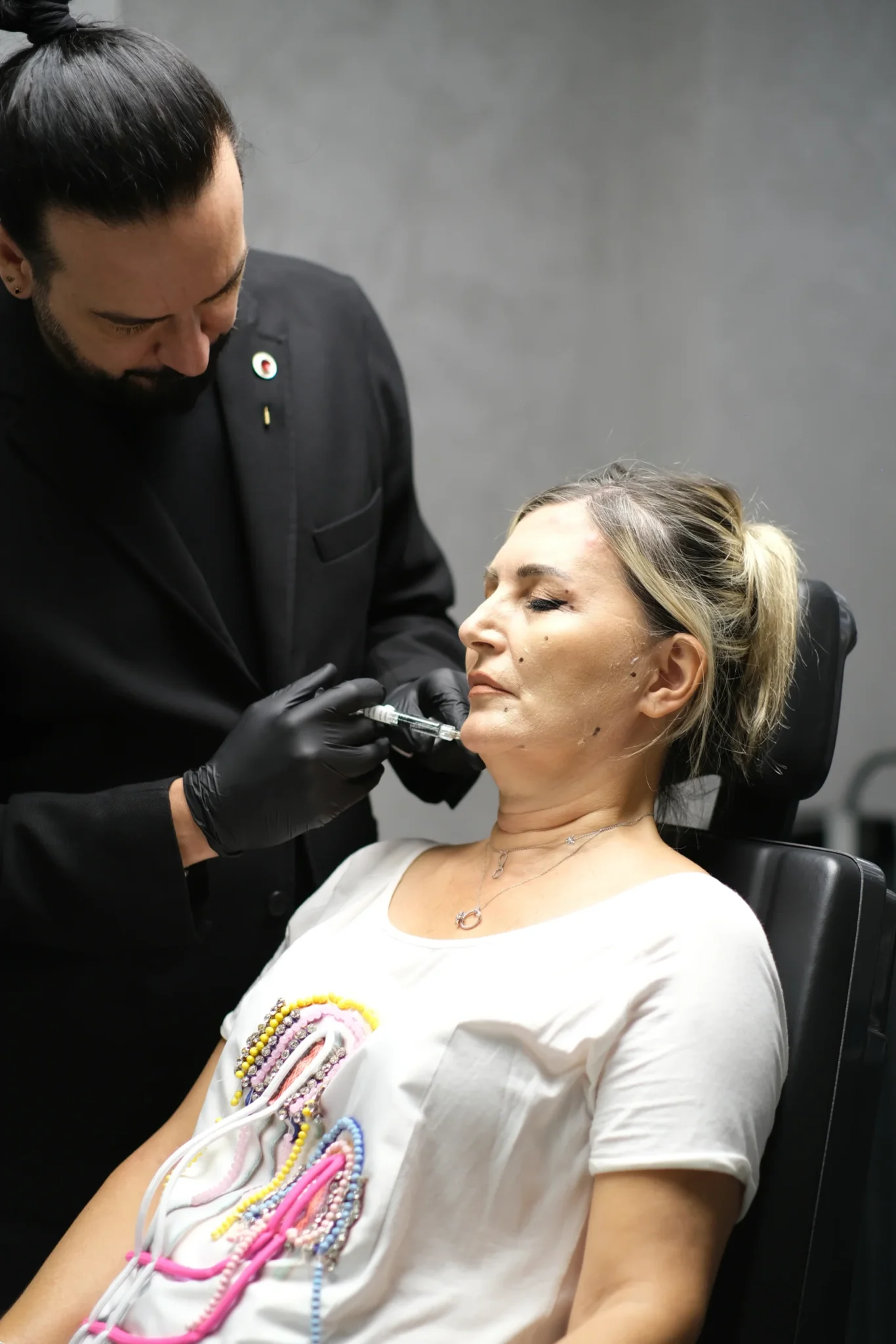
Born in İzmir in 1976, Prof. Dr. Murat Songu entered İzmir Atatürk High School and then, in 1994, started at Ege University Faculty of Medicine. He completed his specialty training in Ear, Nose, and Throat Diseases at Celal Bayar University. In 2005, he worked on rhinology and otologic surgery in Bordeaux, France, at St. Augustin Clinic with Dr. Guy Lacher and at Bordeaux University with Prof. Vincent Darrouzet.
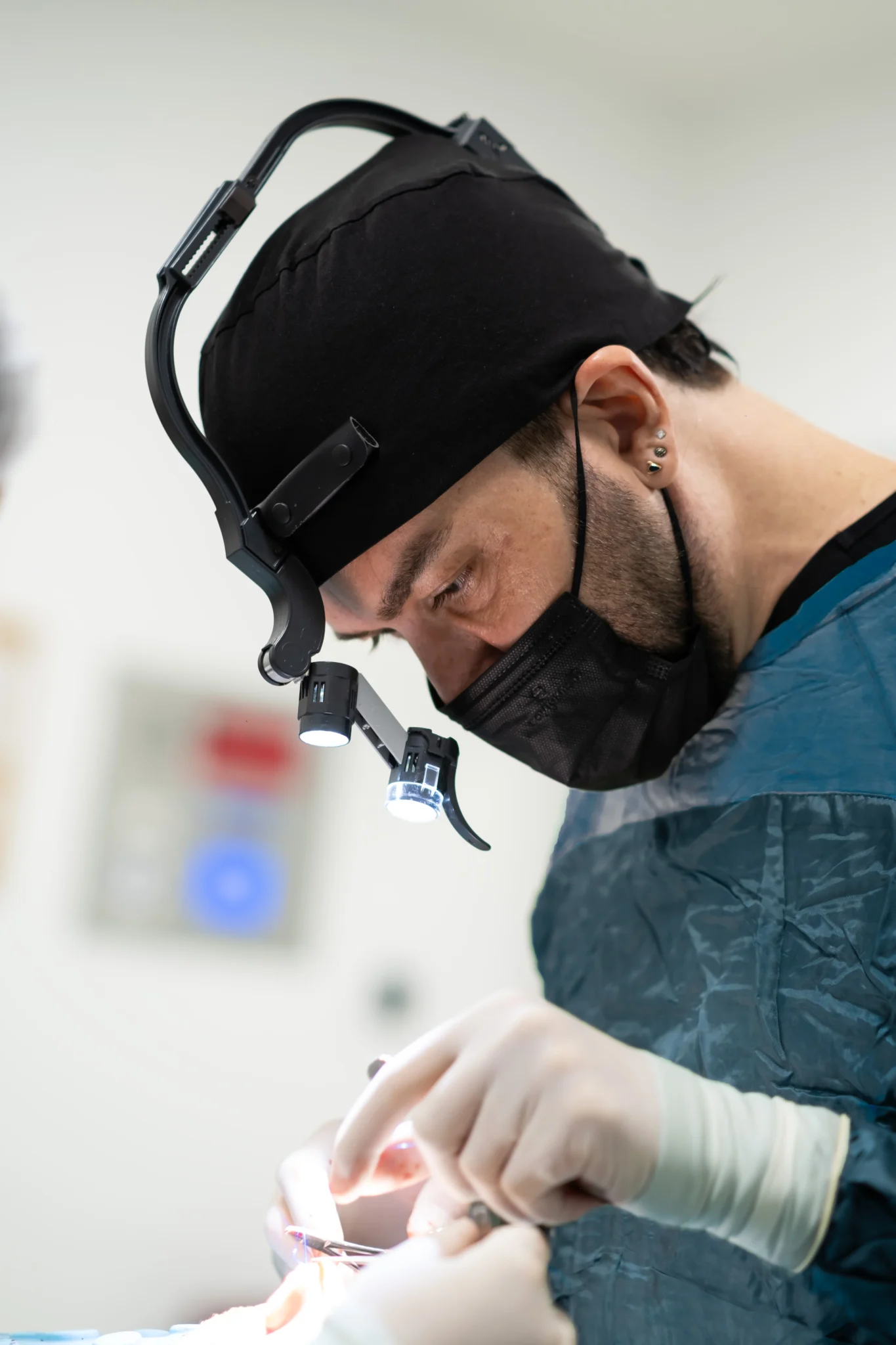
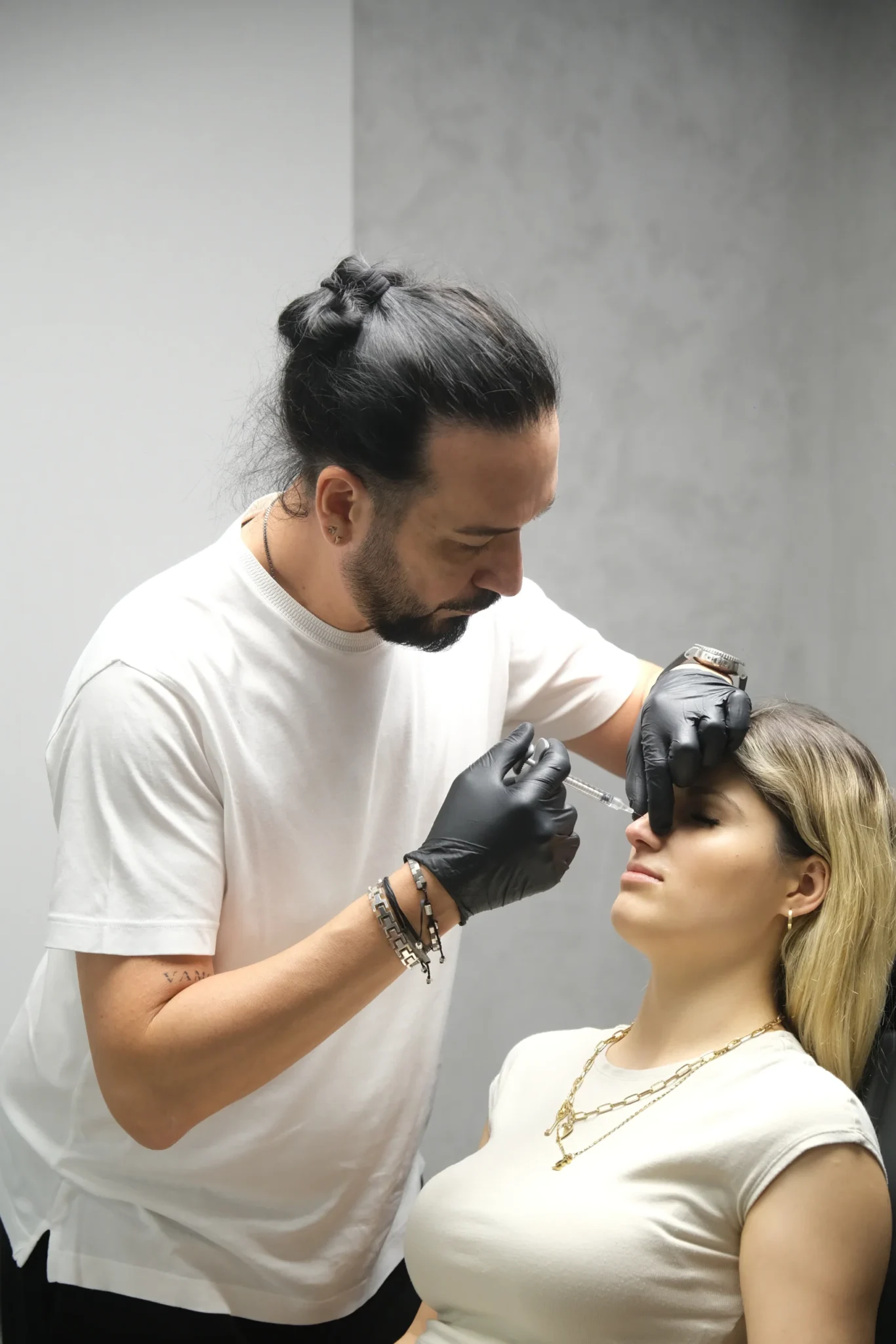
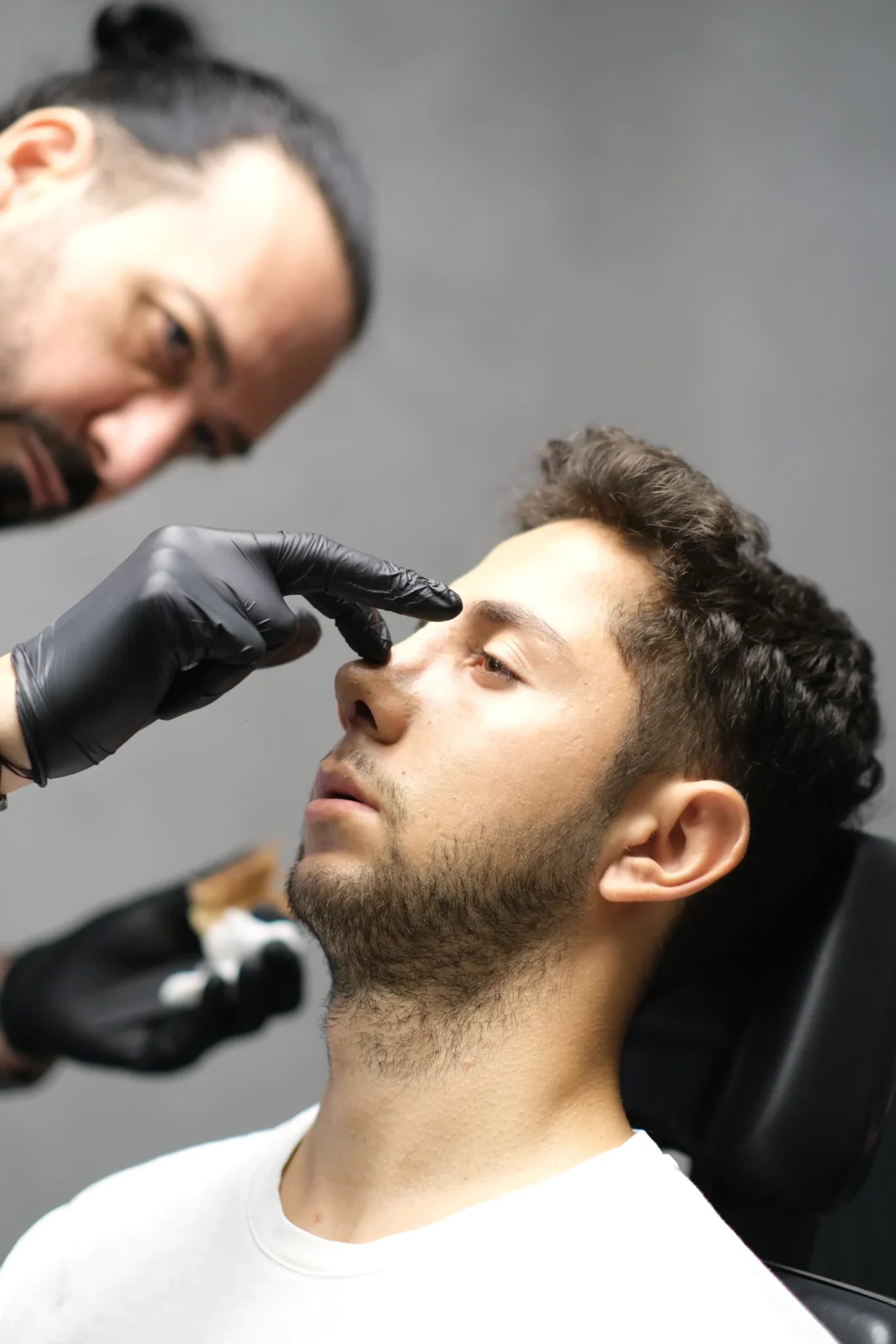
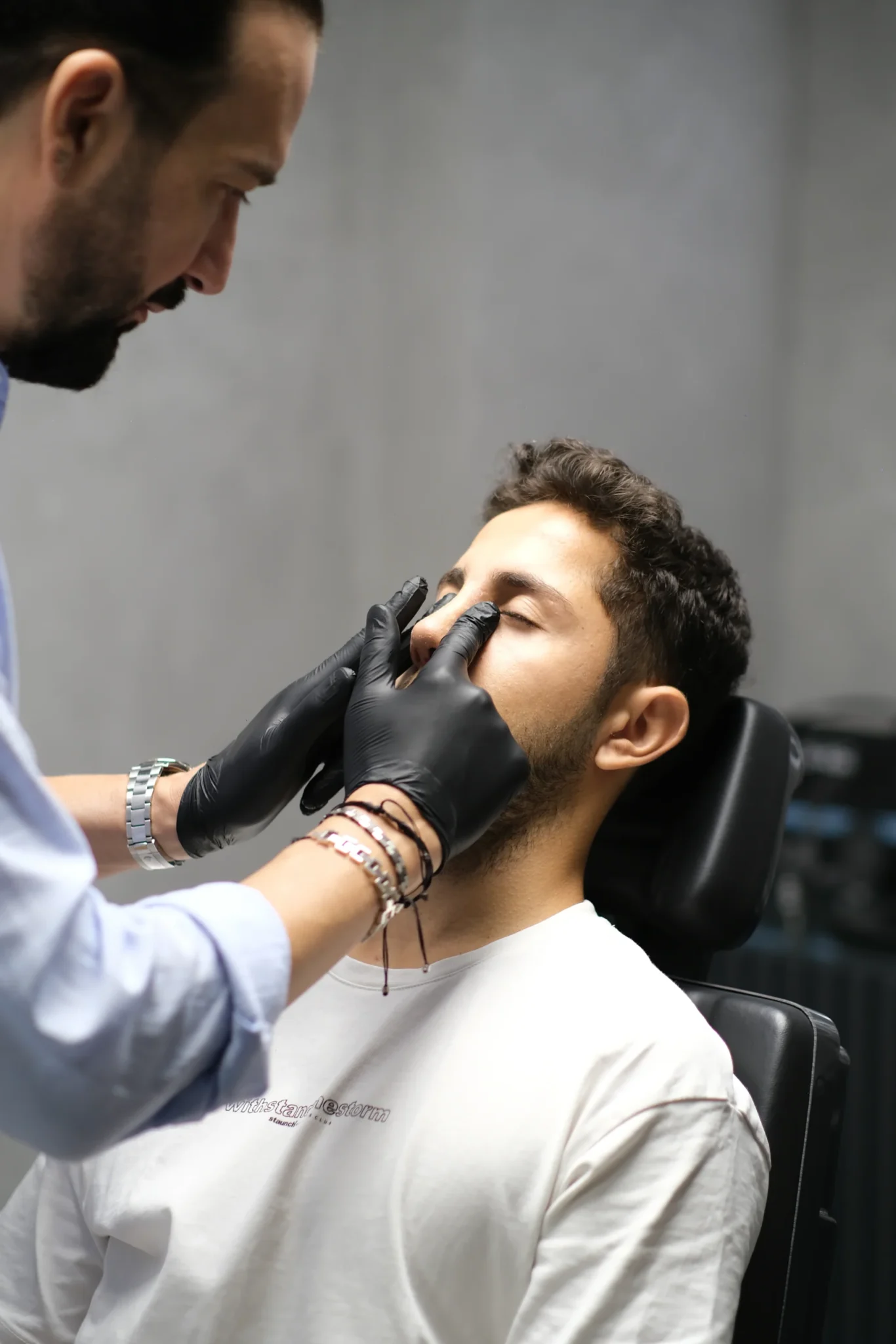
| Procedure Name | Closed Rhinoplasty |
| Definition | A rhinoplasty technique performed entirely through incisions inside the nostrils, leaving no visible external scar. |
| Primary Purpose | To reshape the nose, improve facial harmony, and, when indicated, enhance nasal function without external incisions. |
| Ideal Candidates | Individuals requiring mild to moderate nasal reshaping with suitable anatomy and realistic expectations. |
| Not Suitable For | Patients requiring extensive structural reconstruction, complex revision rhinoplasty, or severe nasal deformity that may be better addressed with an open approach. |
| Anesthesia | Usually performed under general anesthesia, although selected cases may be suitable for local anesthesia with intravenous sedation. |
| Surgical Technique | All surgical modifications are performed through internal nasal incisions. The surgeon reshapes bone, cartilage, or both while preserving external skin integrity. |
| Surgical Approach | Closed (endonasal) approach with all incisions located inside the nostrils and no external columellar incision. |
| Main Advantages | No visible external scar, reduced soft tissue disruption, potentially less postoperative swelling, and faster initial recovery compared with selected open procedures. |
| Possible Limitations | More limited surgical exposure, technically demanding, and not suitable for all nasal deformities or complex reconstructive cases. |
| Preoperative Preparation | Comprehensive medical evaluation, facial and nasal examination, medication review, smoking cessation when appropriate, and adherence to preoperative instructions. |
| Procedure Duration | Typically 1.5–3 hours, depending on the complexity of the procedure and whether additional functional corrections are performed. |
| Hospital Stay | Usually performed as an outpatient procedure, although selected patients may require a short observation period. |
| Recovery Timeline | Most patients resume light daily activities within 1–2 weeks, while swelling gradually subsides over several months. |
| Postoperative Care | Follow postoperative instructions, avoid strenuous activities and nasal trauma, sleep with the head elevated, use prescribed medications, and attend scheduled follow-up appointments. |
| Potential Risks | Bleeding, infection, swelling, bruising, asymmetry, breathing difficulties, delayed healing, dissatisfaction with cosmetic results, numbness, or the need for revision surgery. |
| Expected Benefits | Improved nasal shape, enhanced facial balance, preservation or improvement of nasal function, and the absence of visible external scars. |
| Long-Term Outcome | Final results generally become fully apparent within 6–12 months as residual swelling resolves and tissues stabilize. |
| Revision Surgery | May be considered if functional or aesthetic concerns persist after complete healing, although many patients achieve satisfactory outcomes with a single procedure. |
What Is Closed Rhinoplasty?
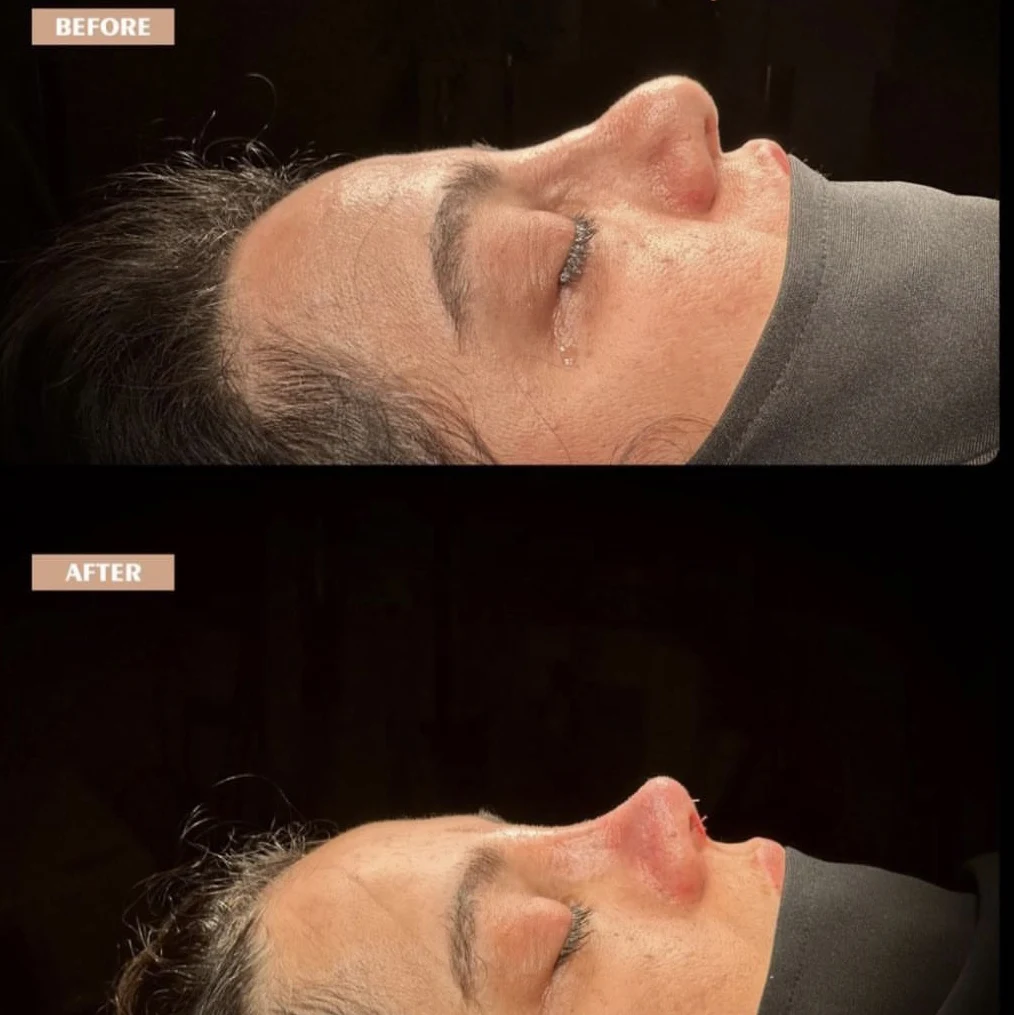
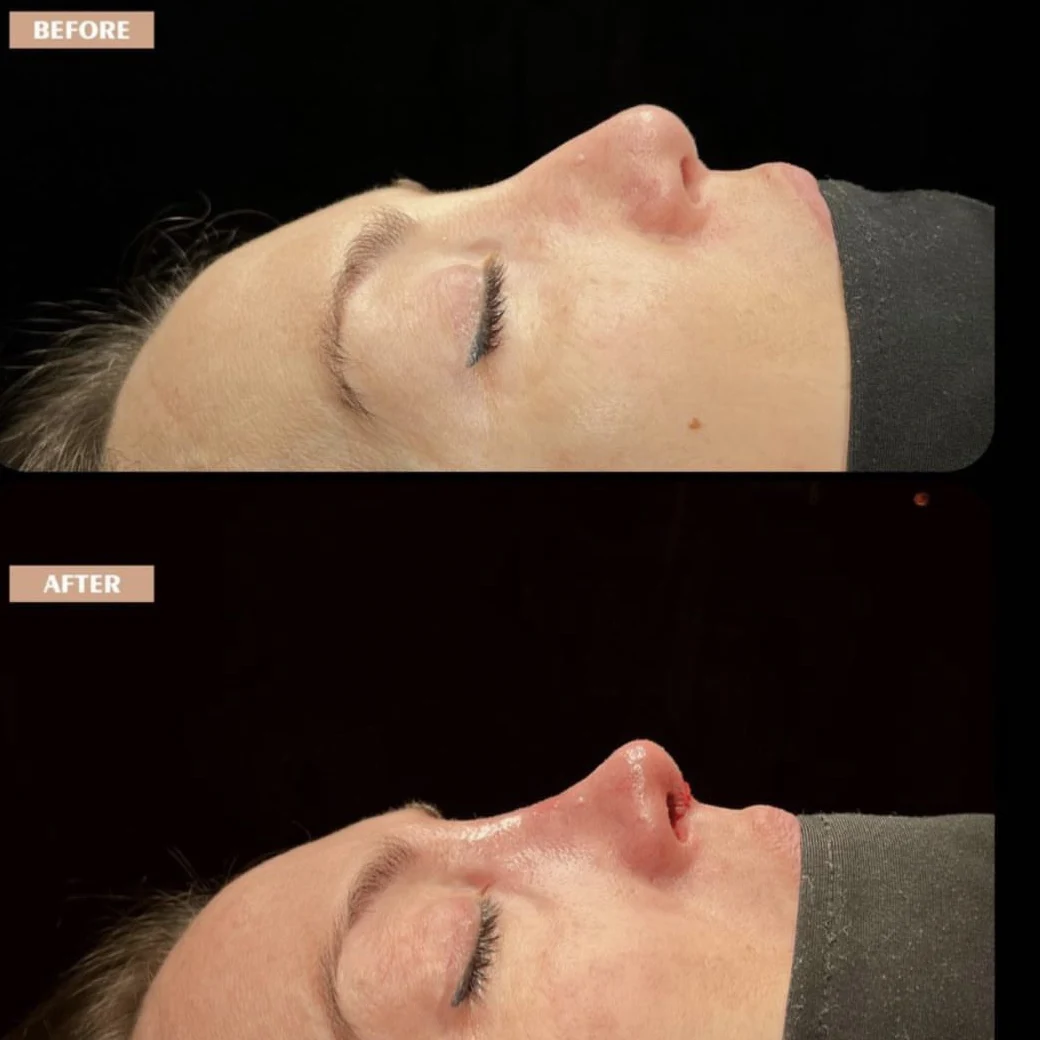
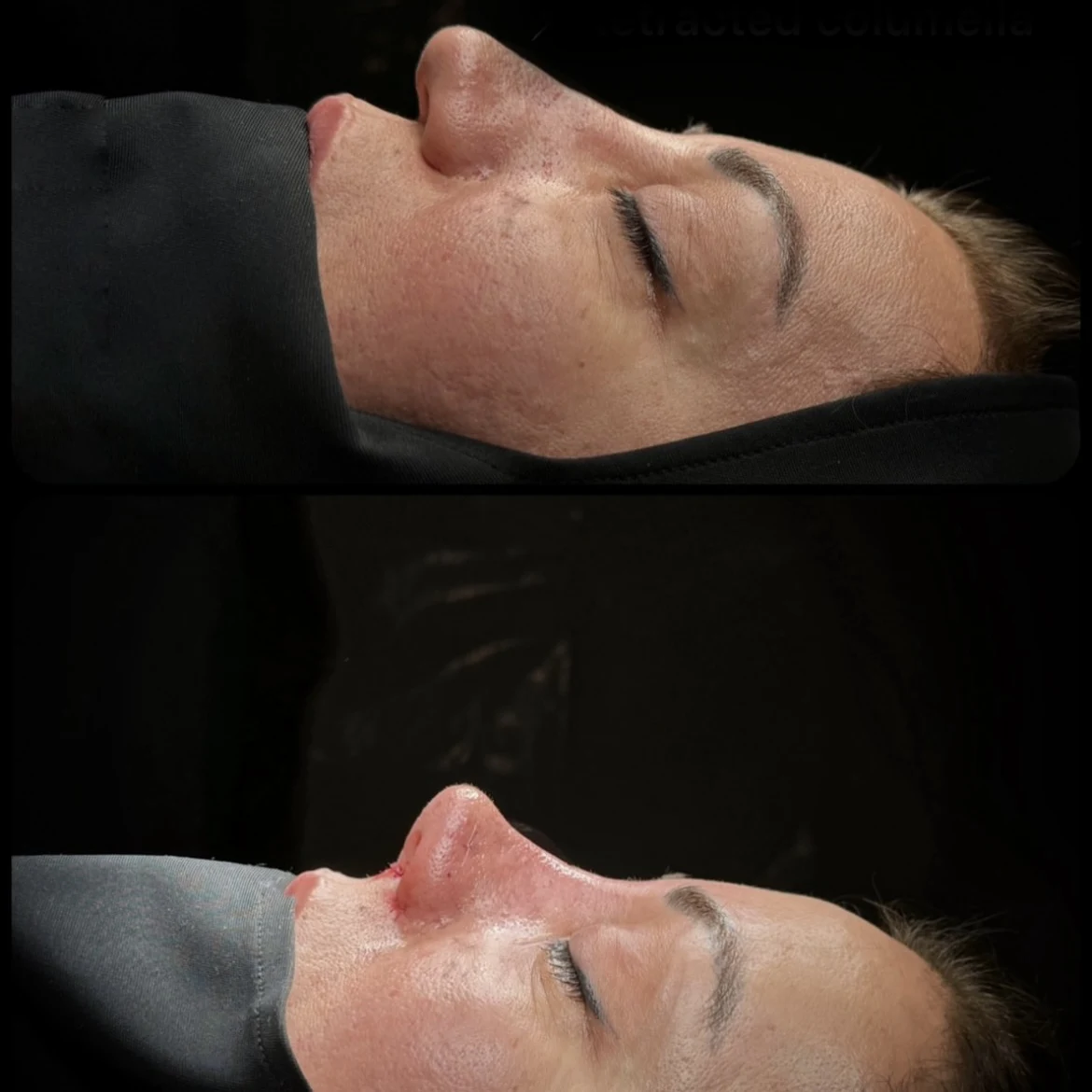
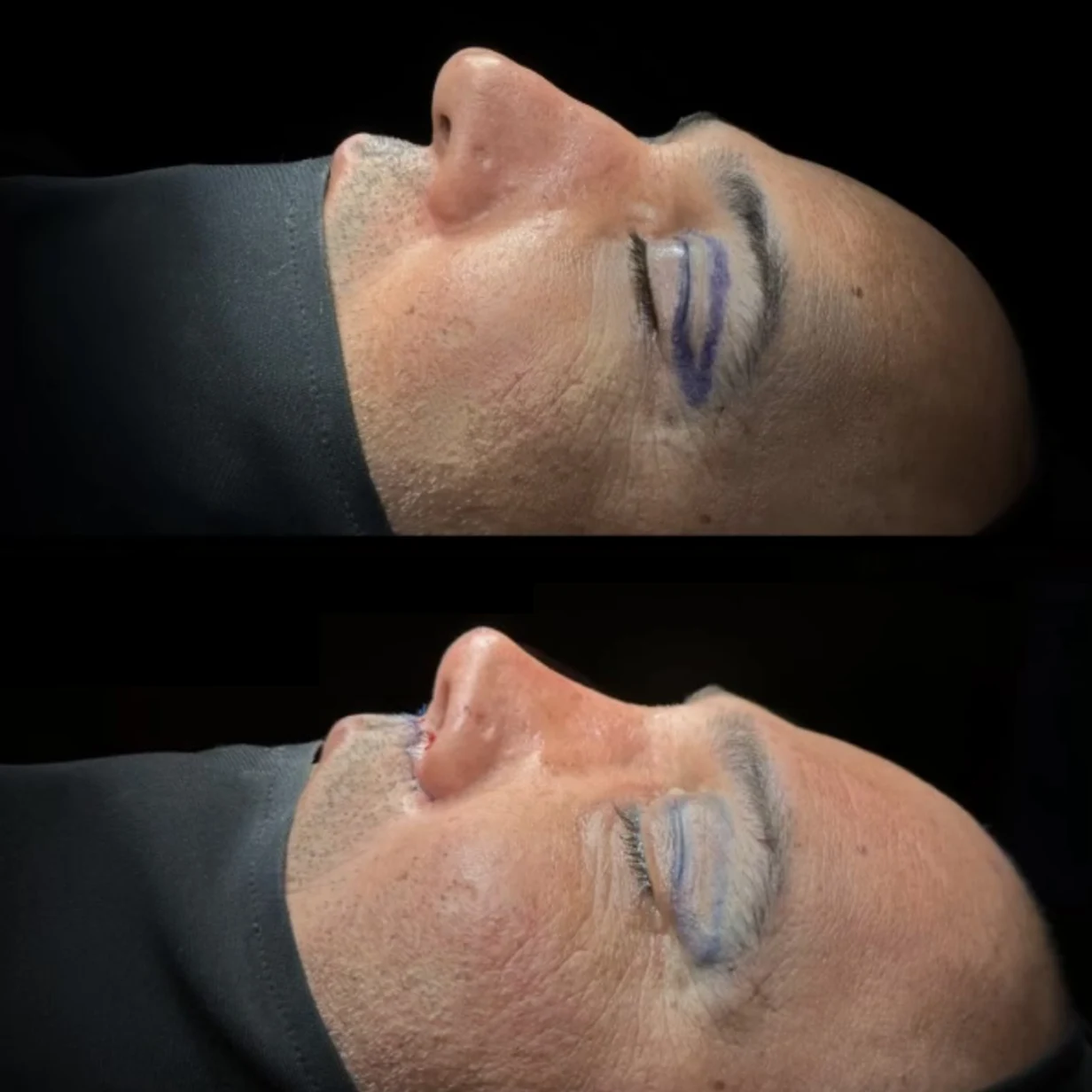
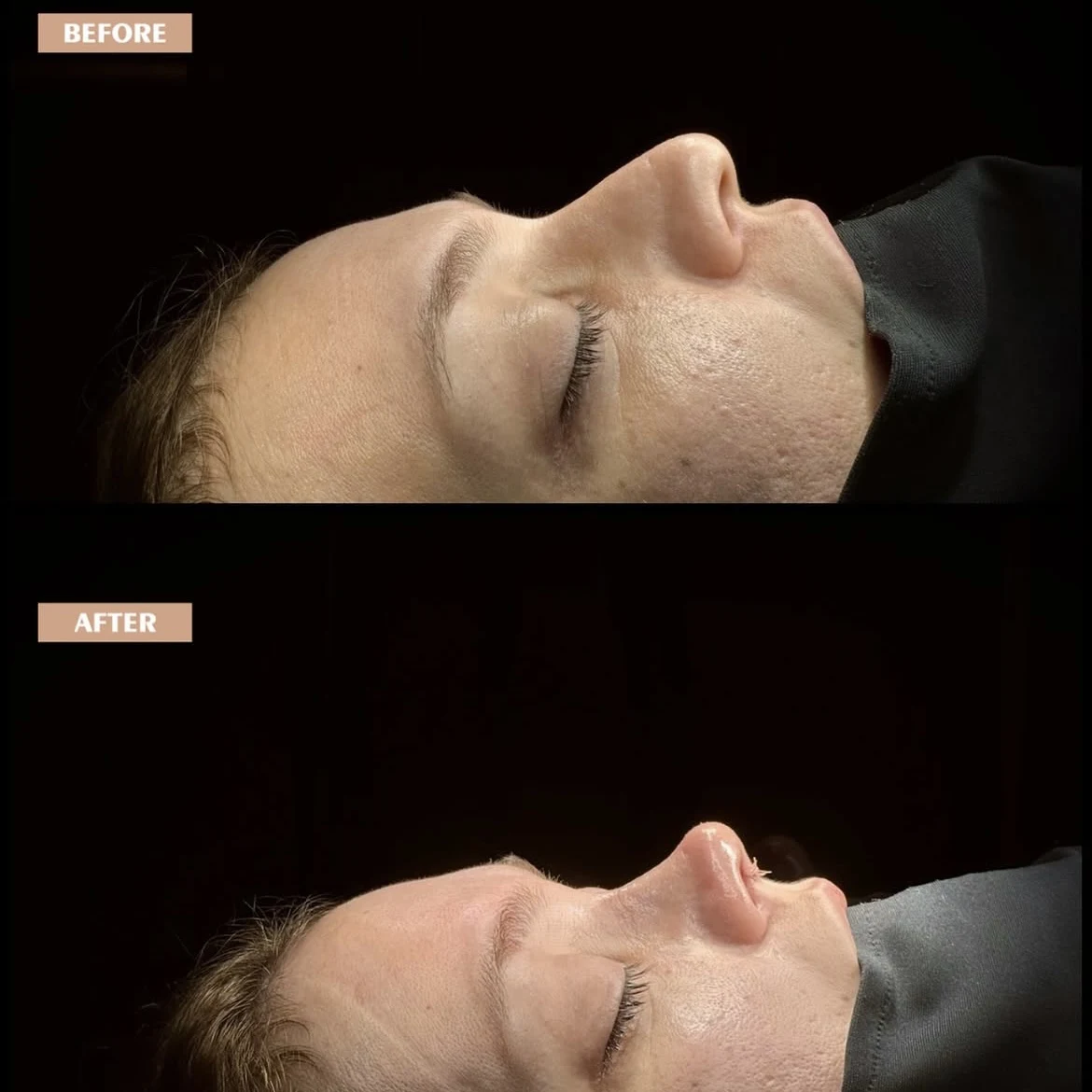
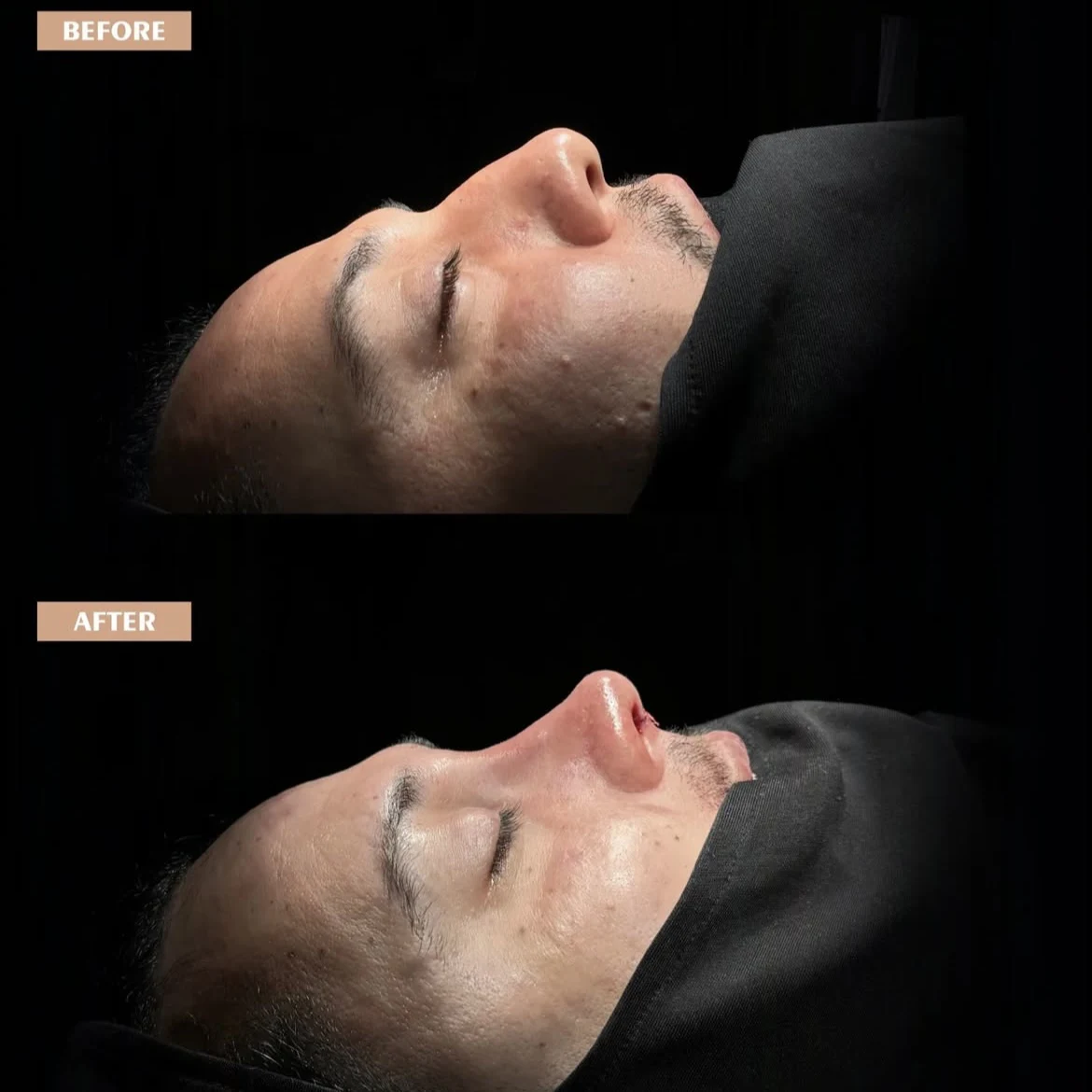
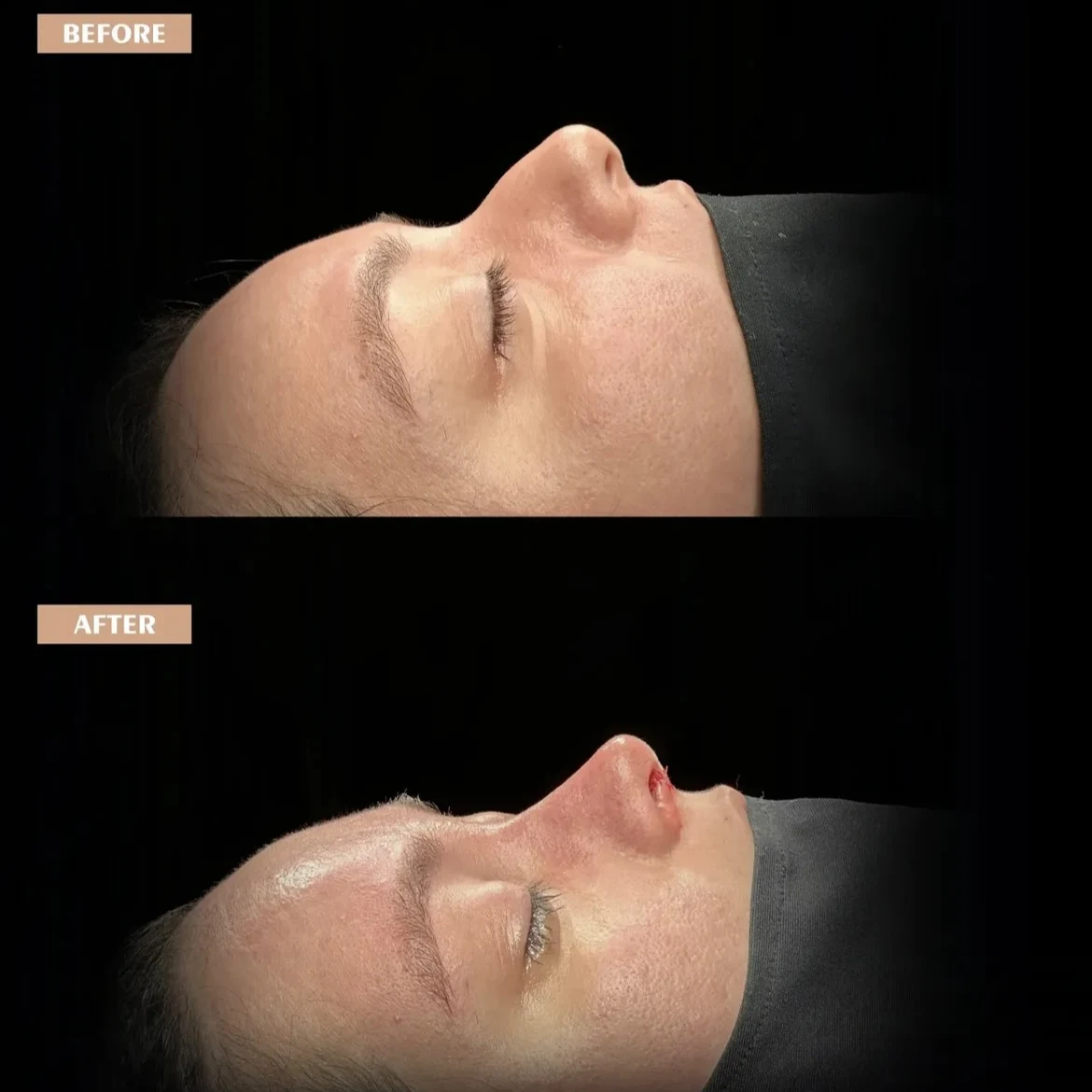
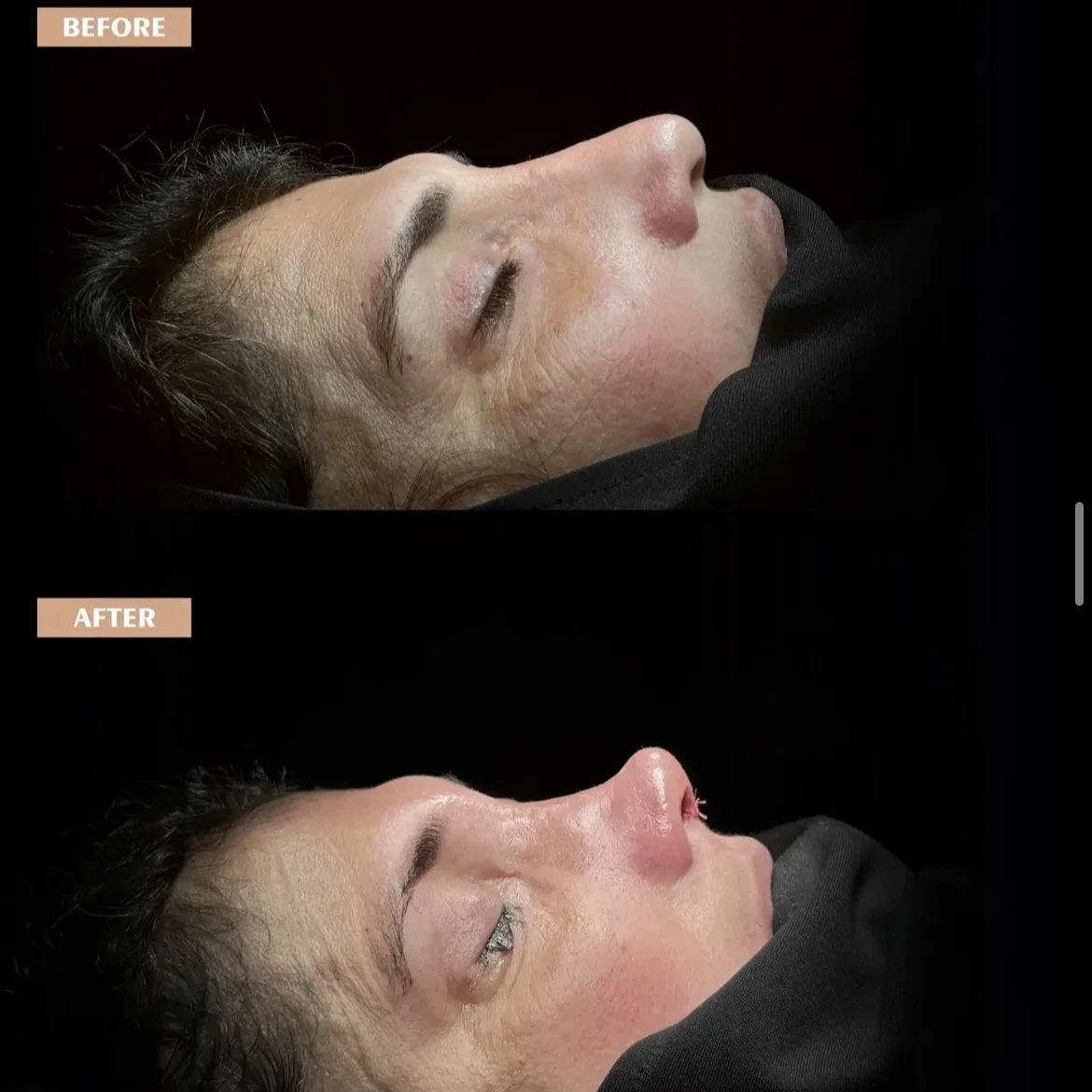
Closed rhinoplasty is a surgical procedure aimed at modifying the appearance of the nose through internal incisions. Also known as endonasal rhinoplasty, this technique ensures minimal visible scarring on the exterior of the nose. Unlike open rhinoplasty, which involves external incisions, closed rhinoplasty primarily focuses on reshaping the nasal tip, shortening the nose, or addressing dorsal humps. It is typically recommended for individuals with a symmetrical nose requiring targeted refinement.
During the procedure, the surgeon accesses the nasal structures through small openings within the nostrils, maintaining limited visibility. This precise approach, performed under general anesthesia, results in a relatively quick procedure with reduced swelling and a shorter recovery period, allowing patients to achieve their desired nasal aesthetics.
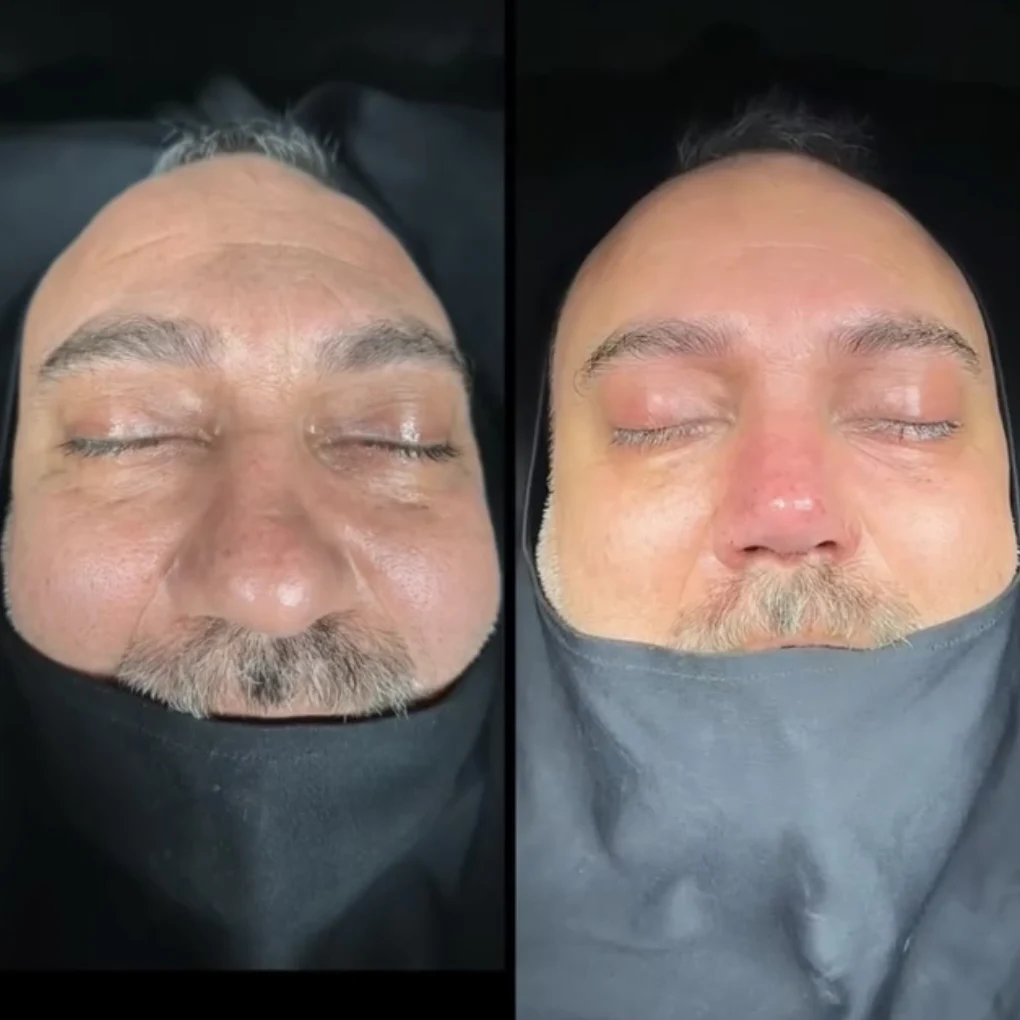
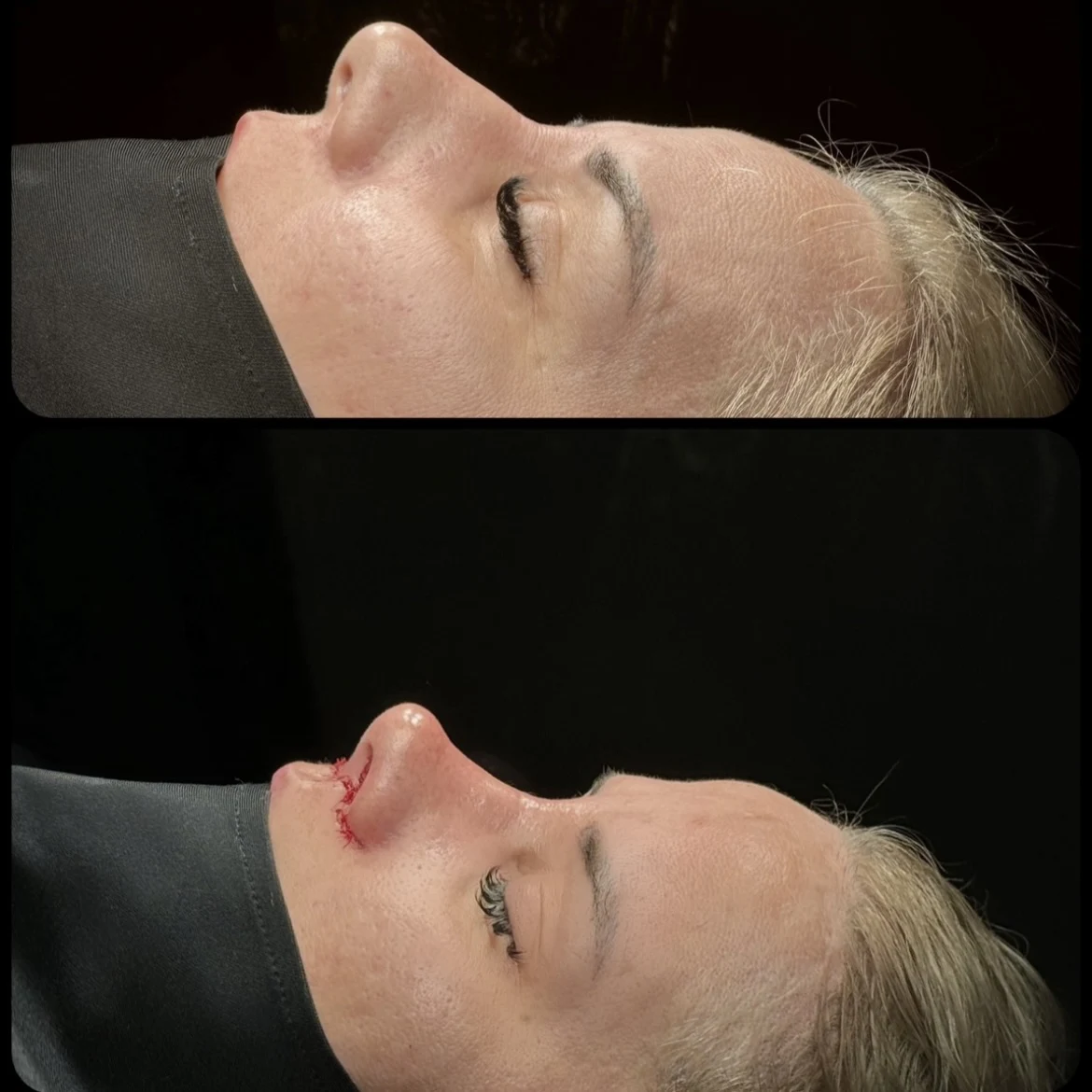
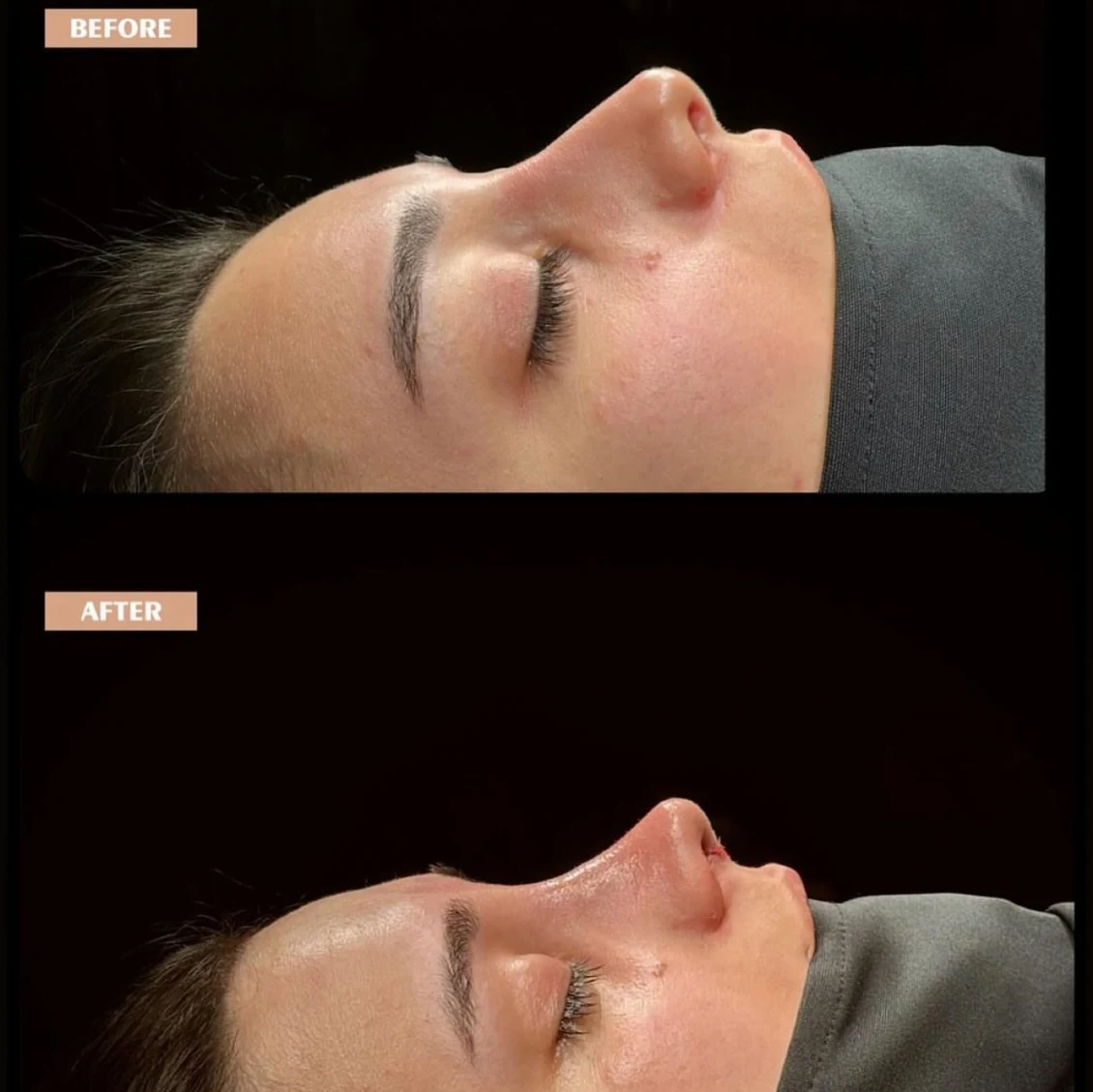
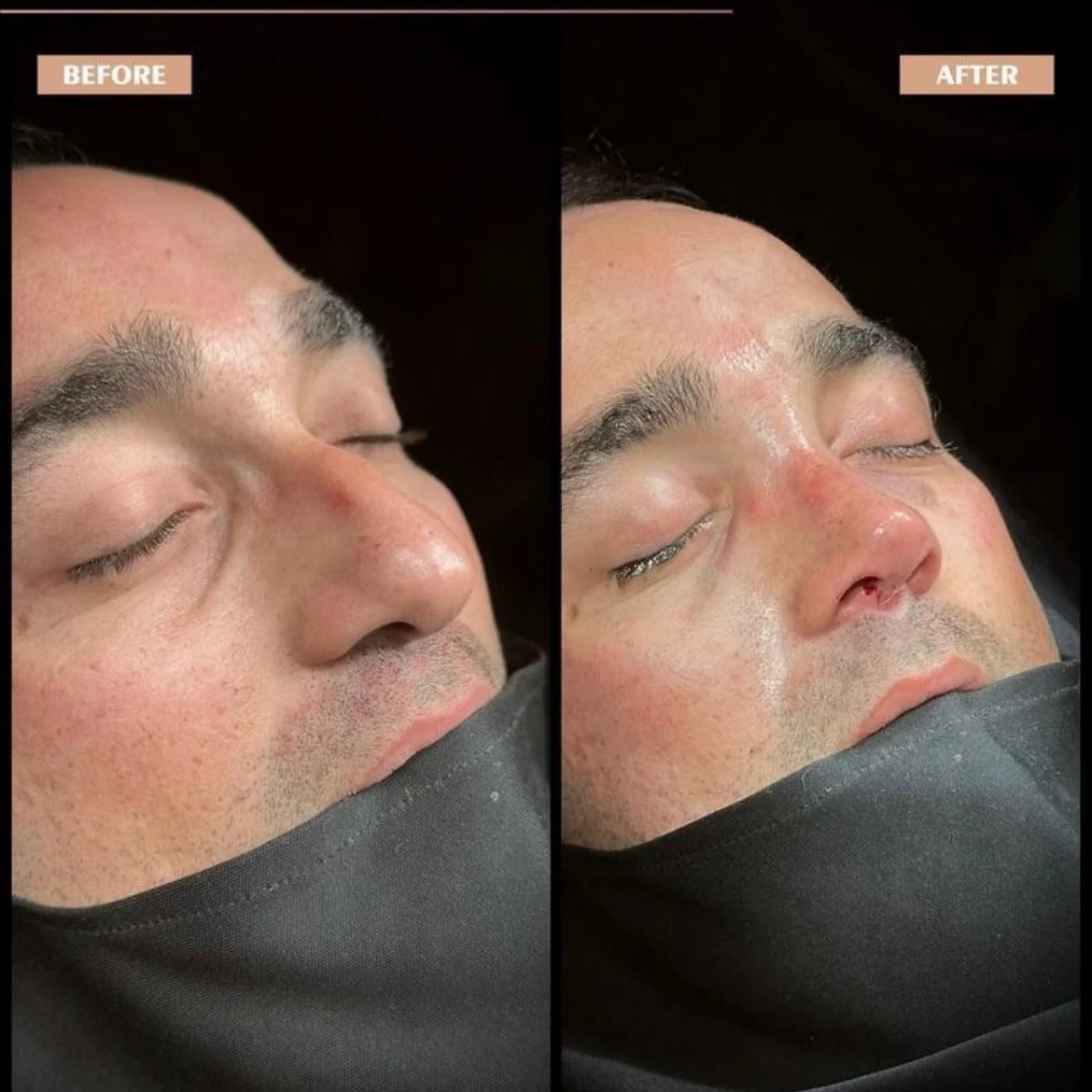
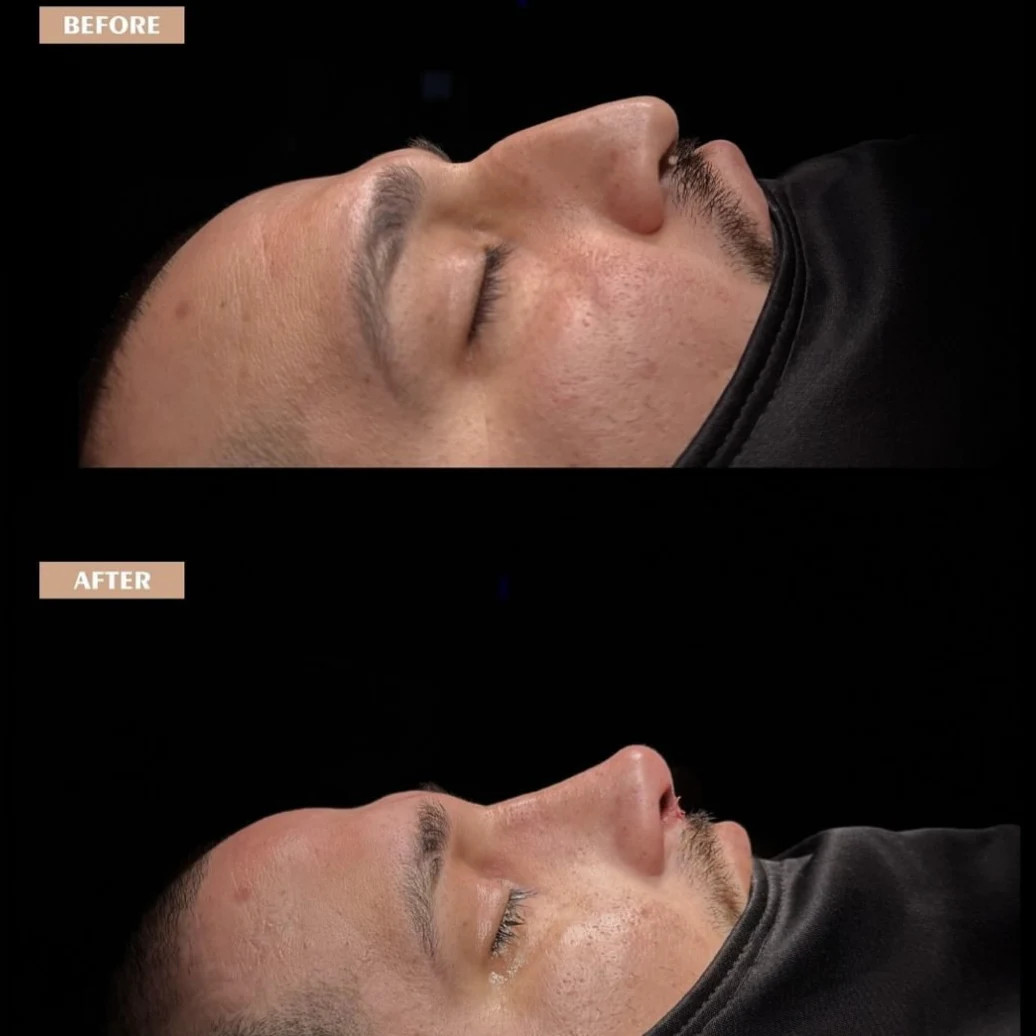
Before & After Gallery
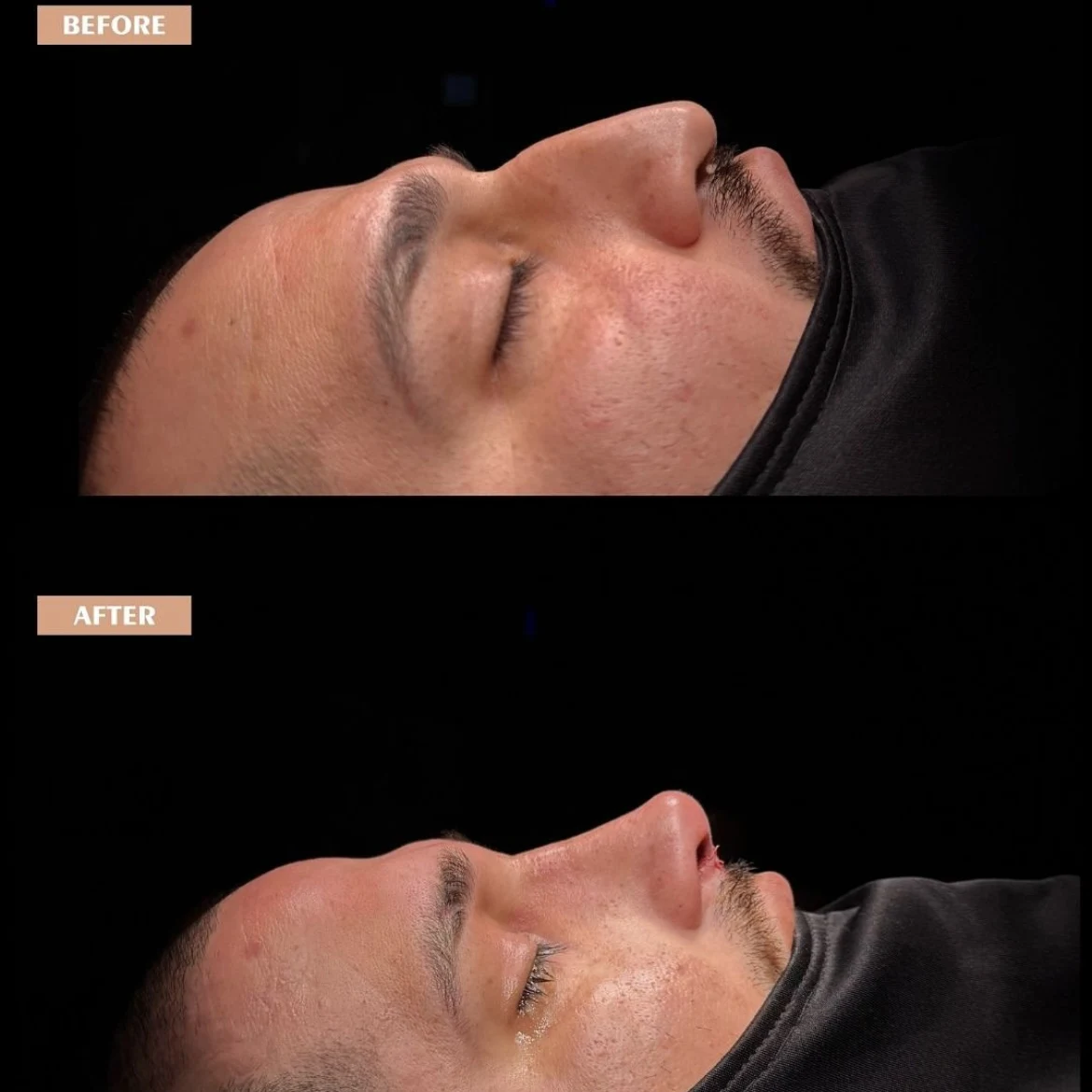
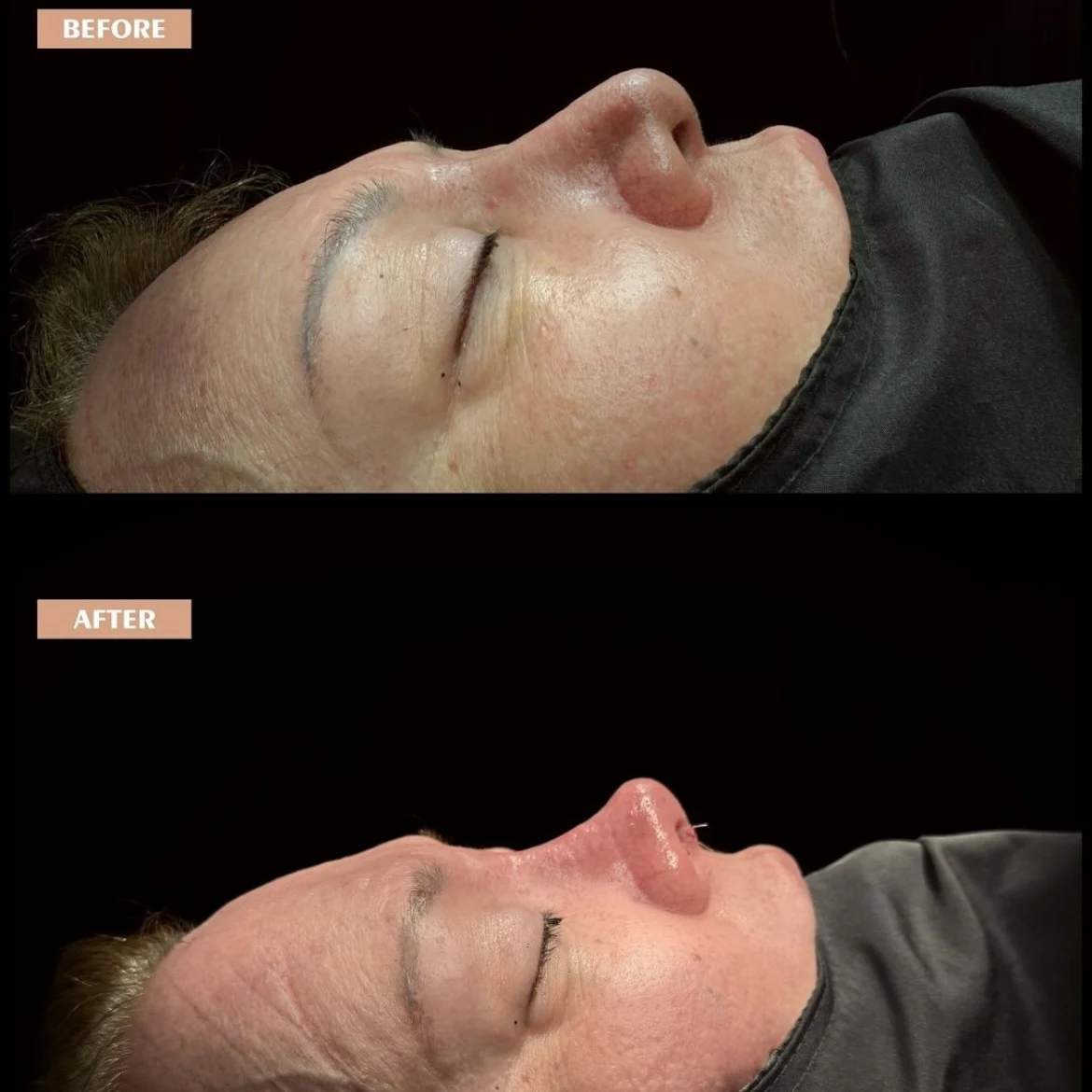
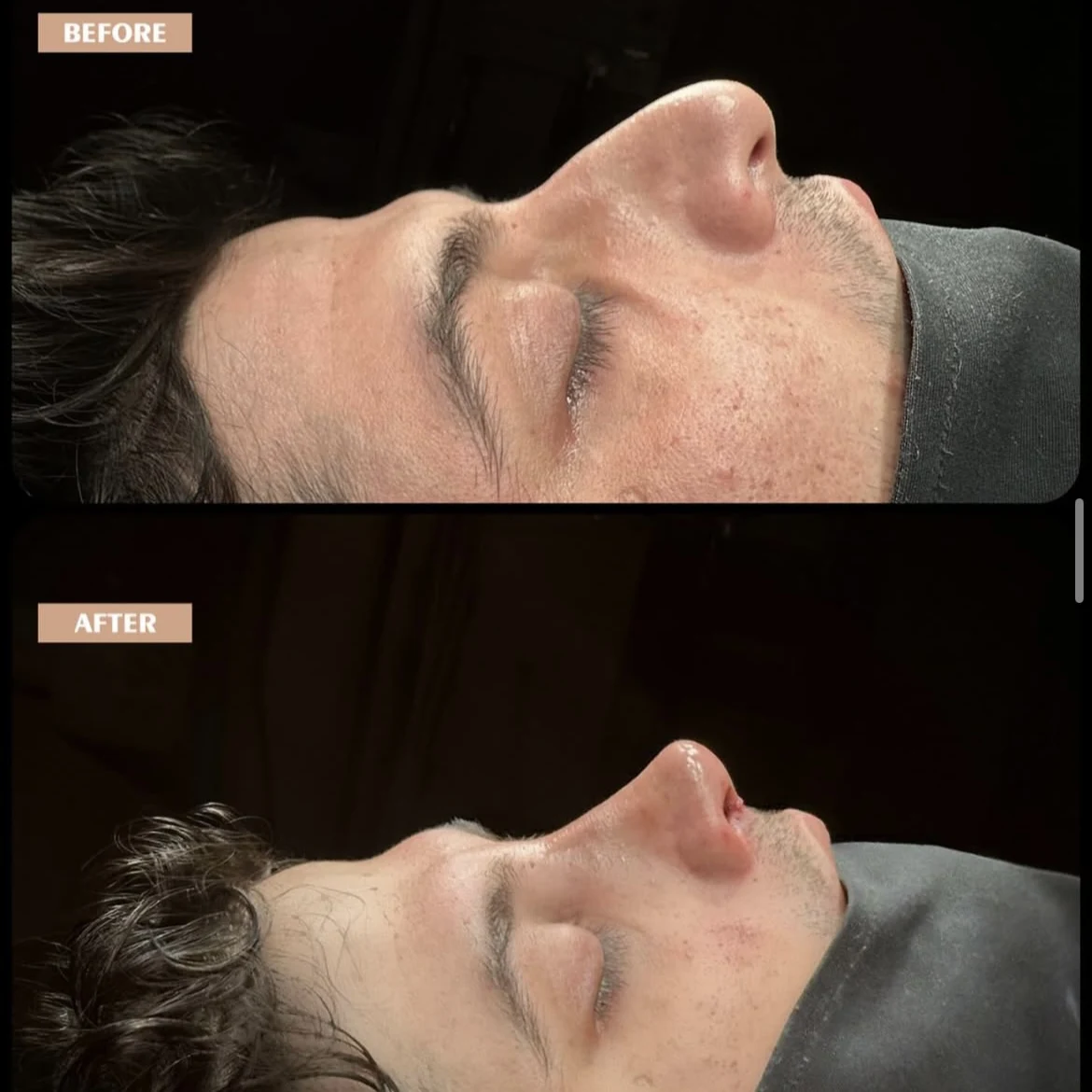
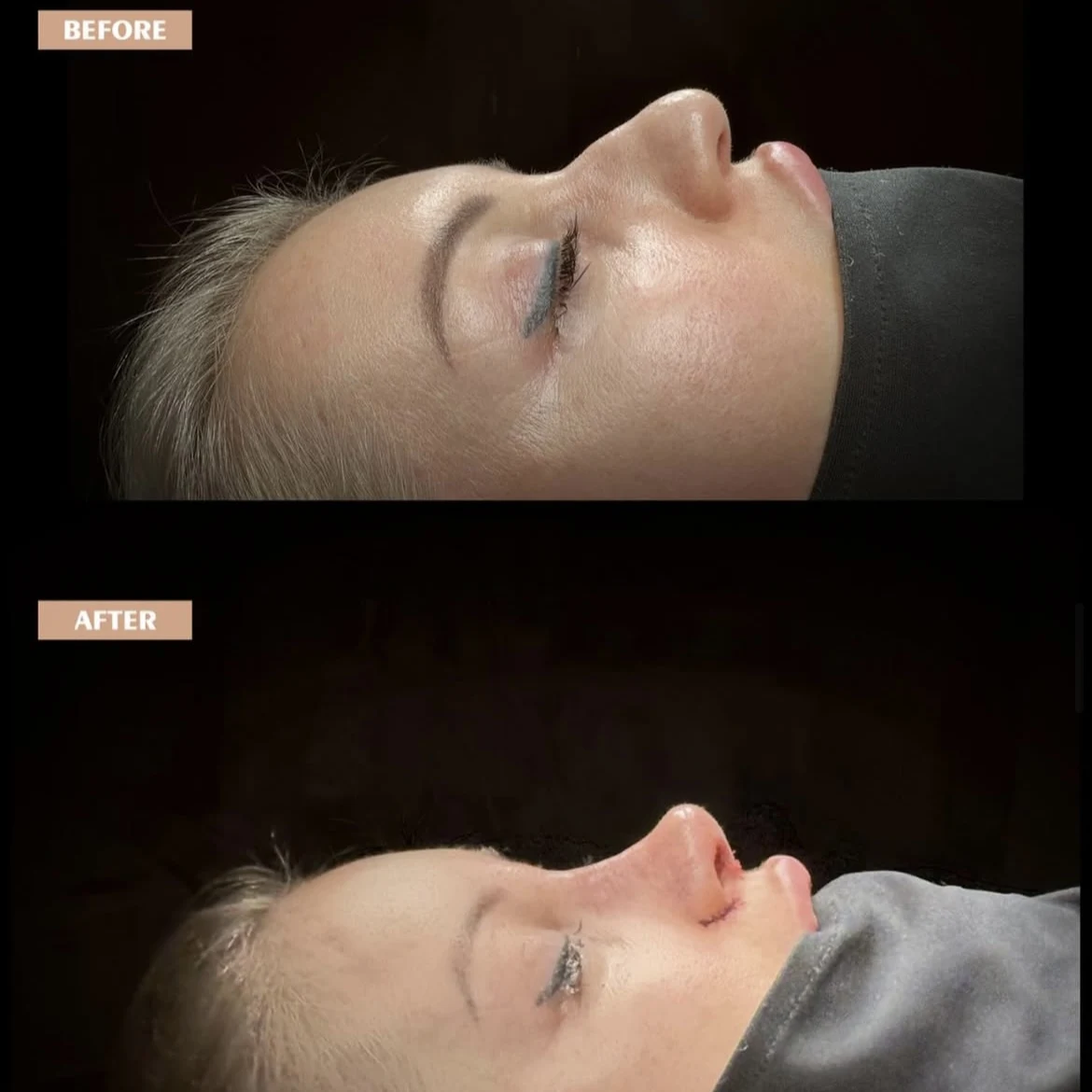
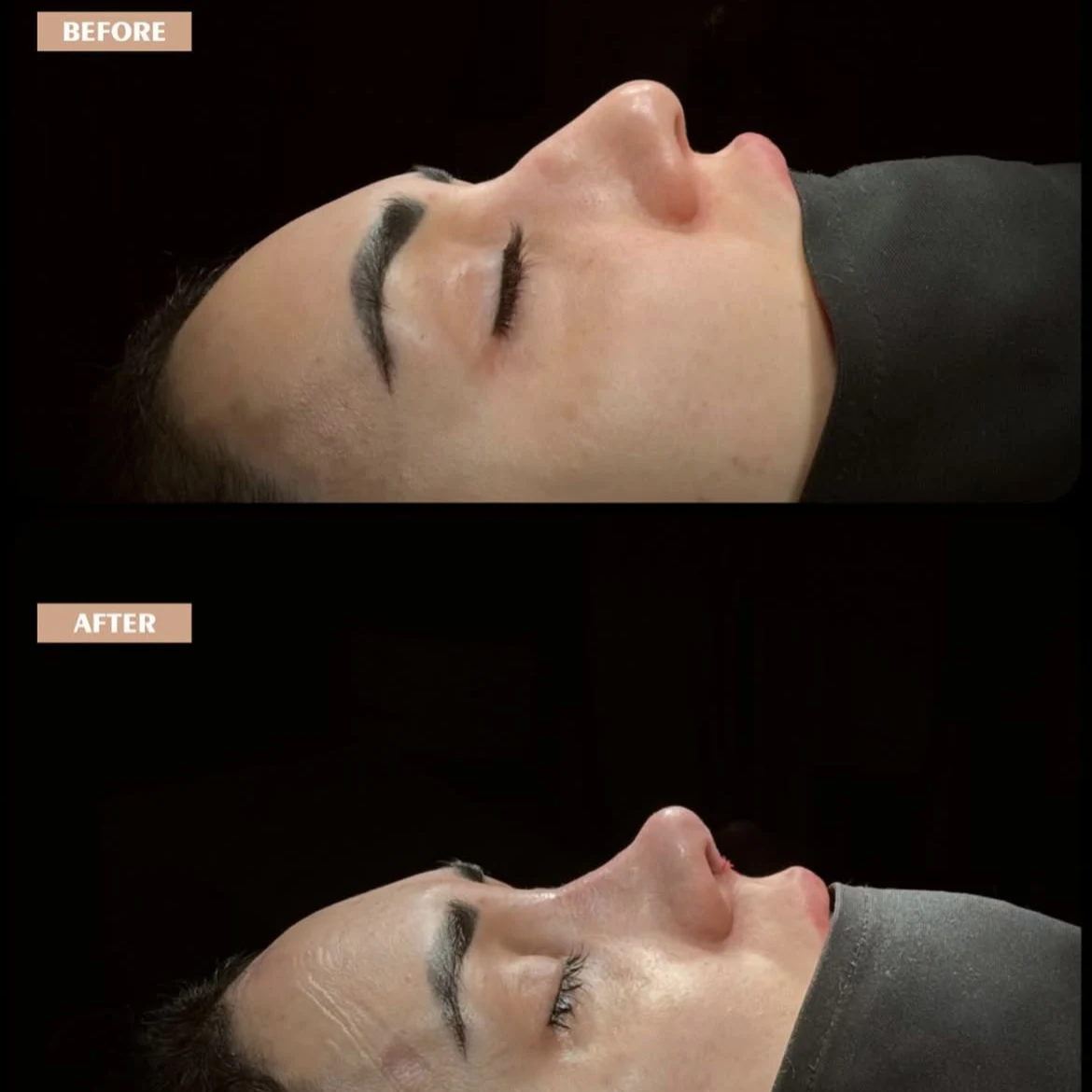
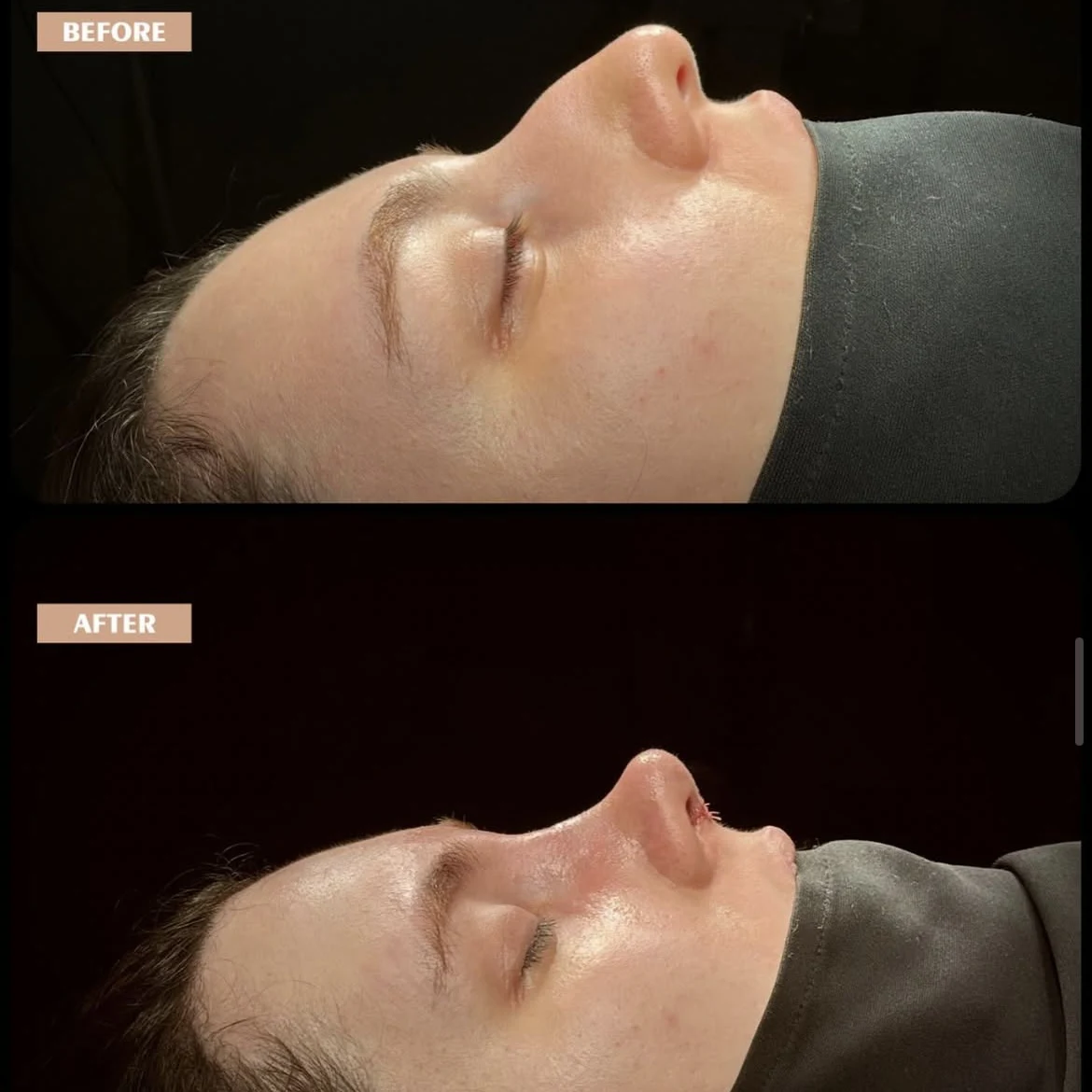
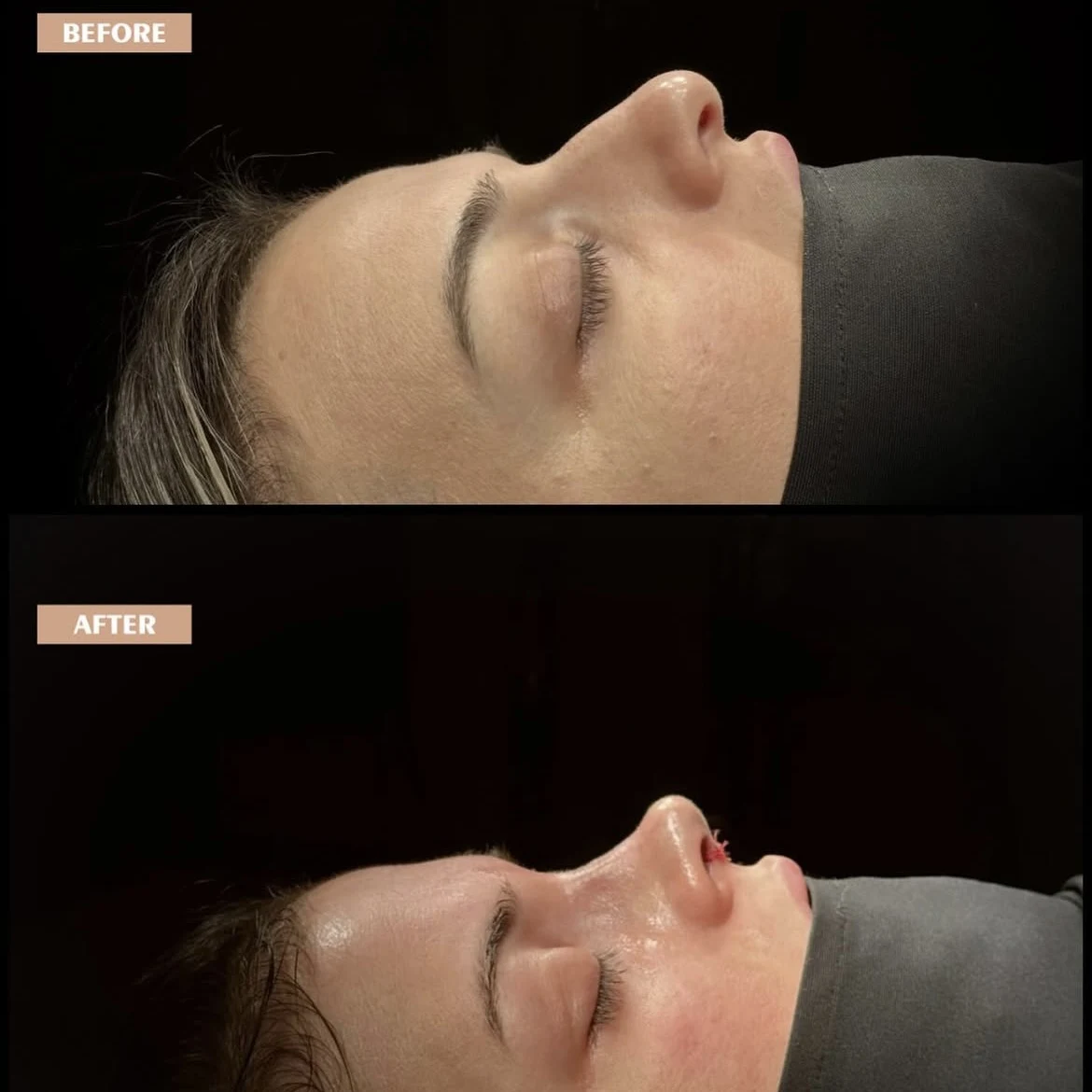
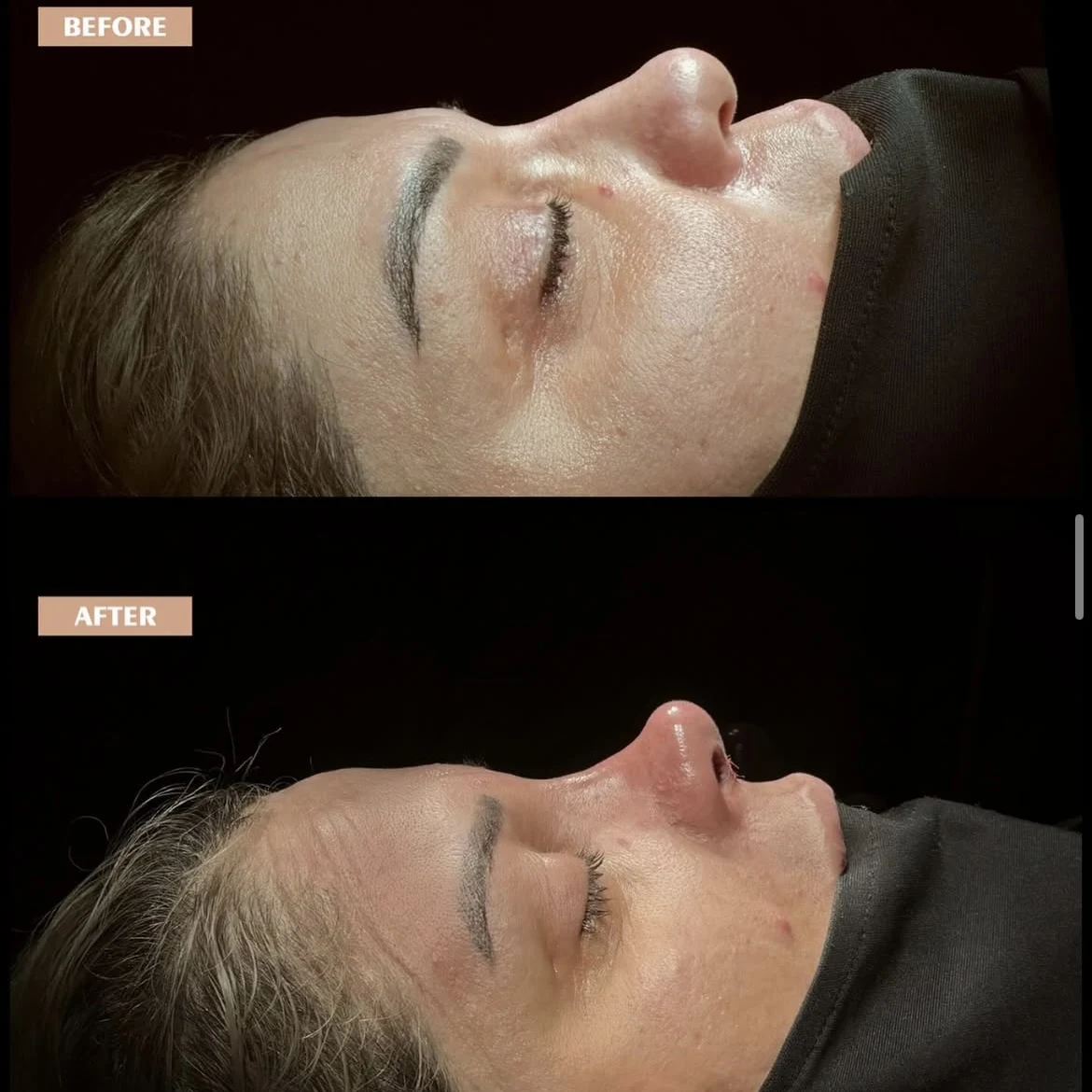
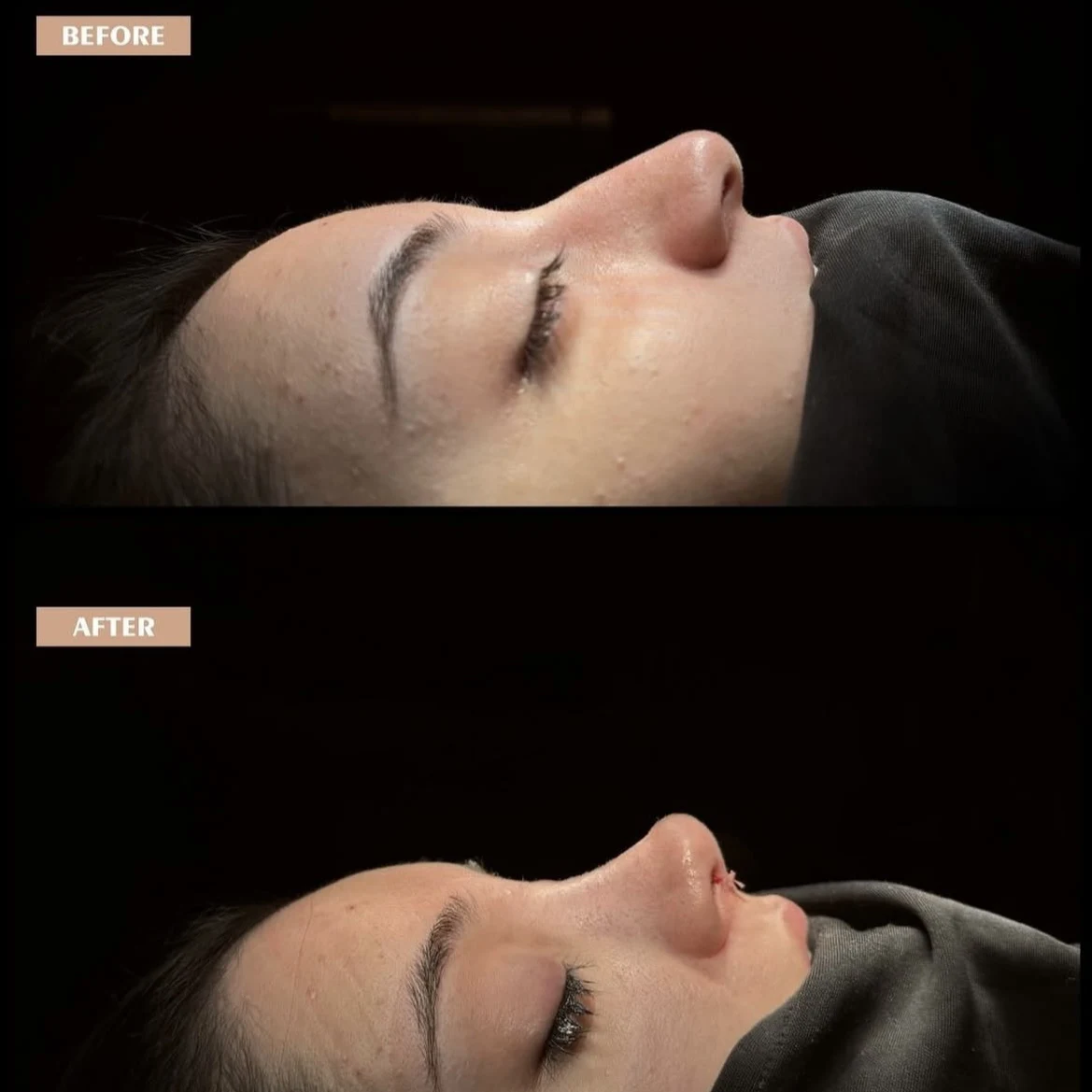
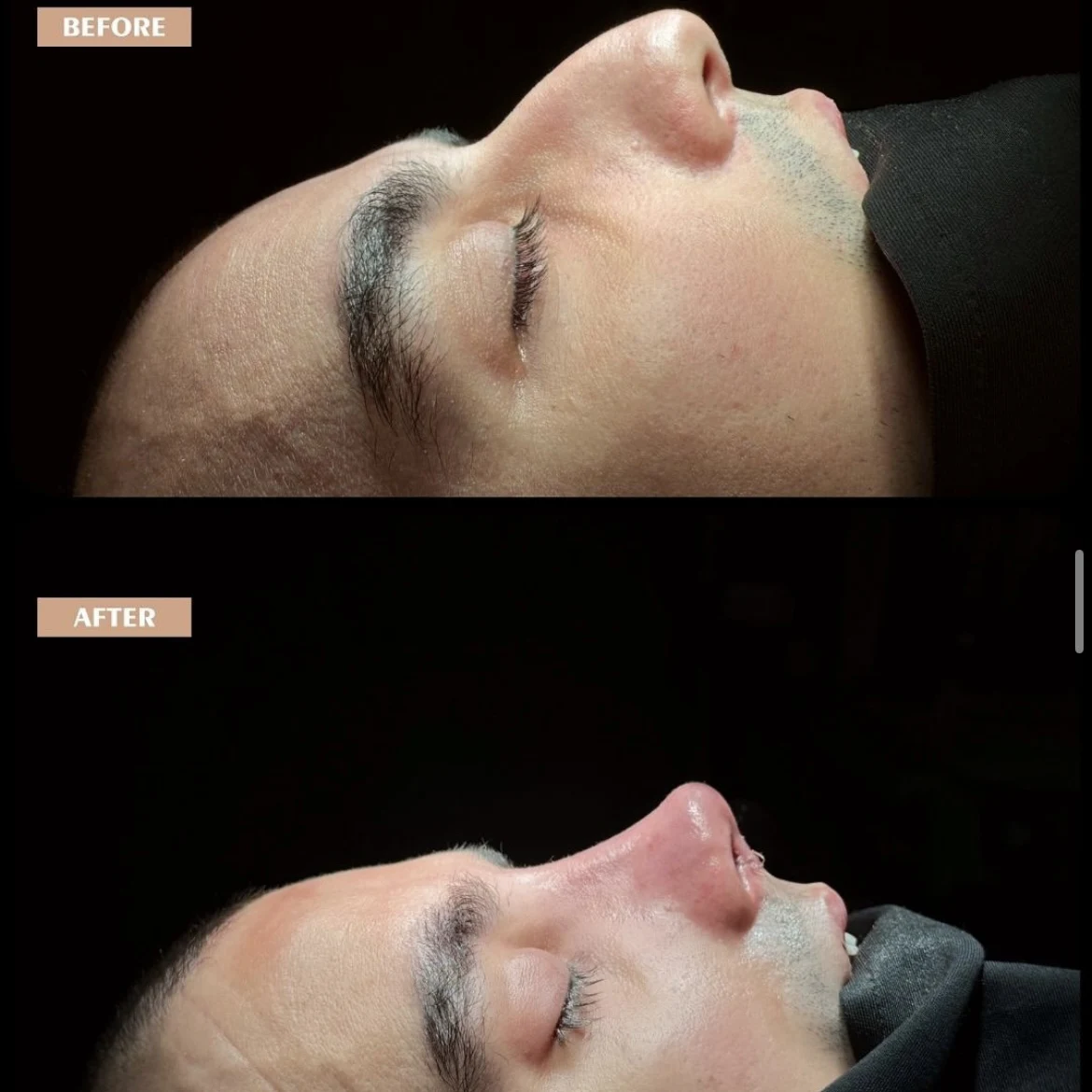
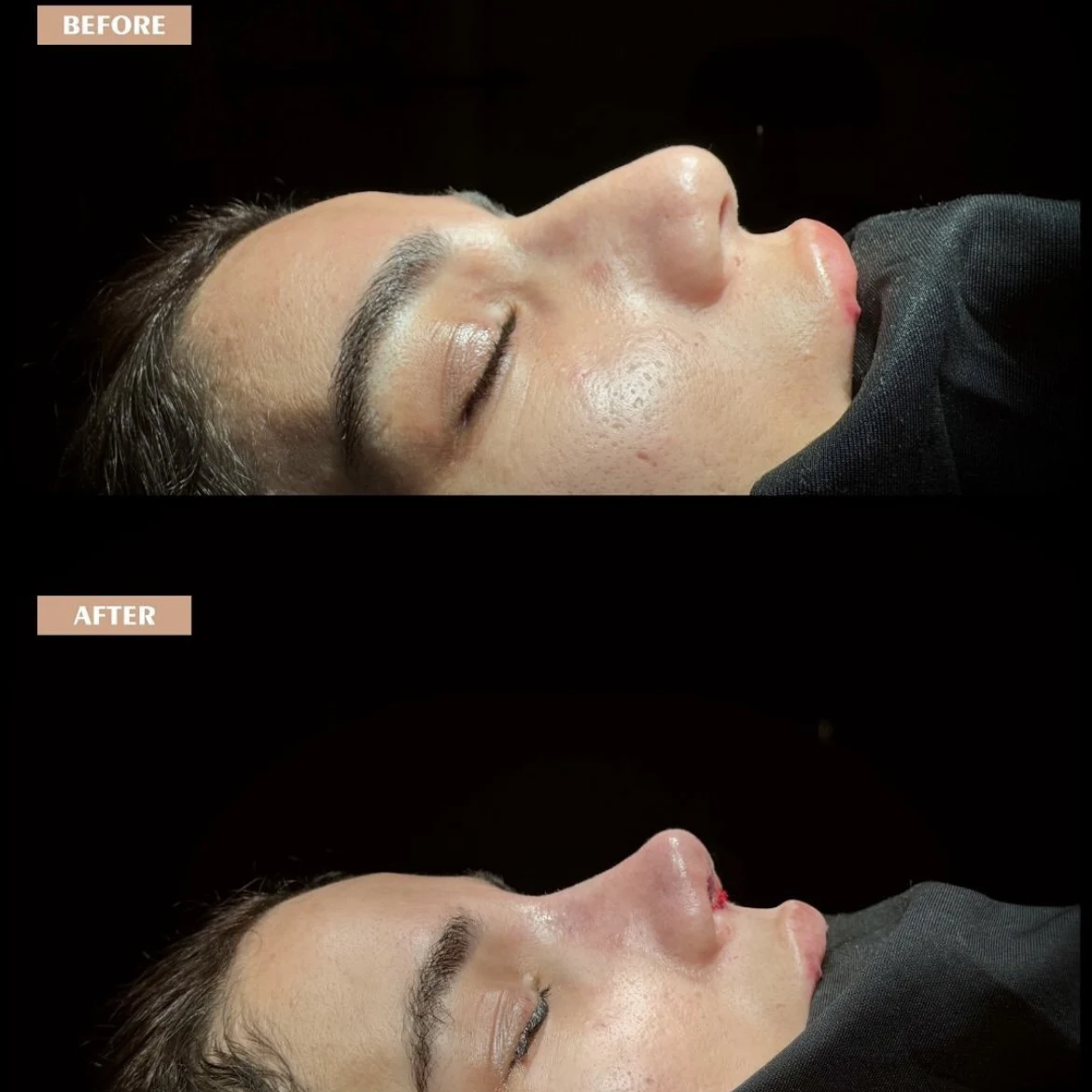
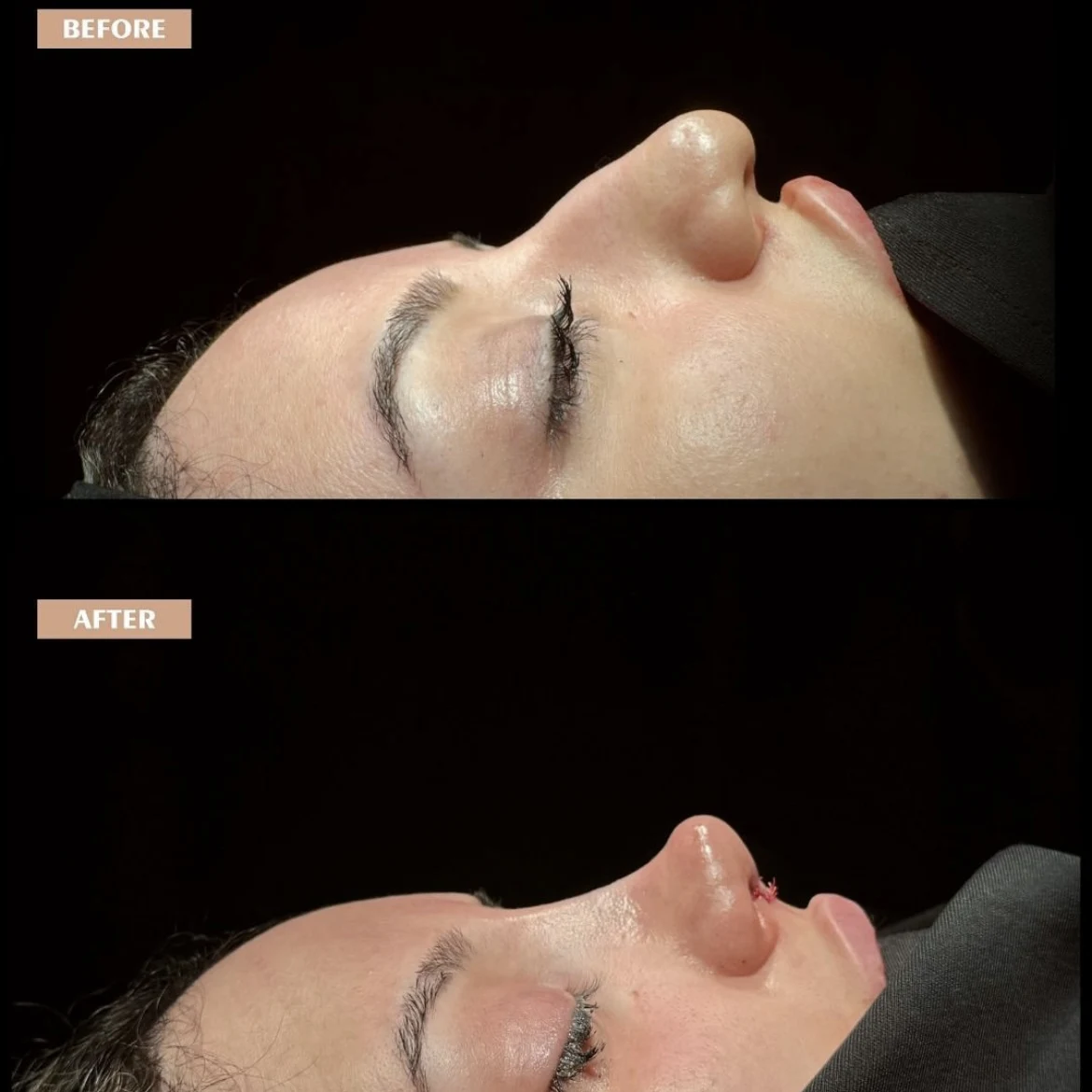
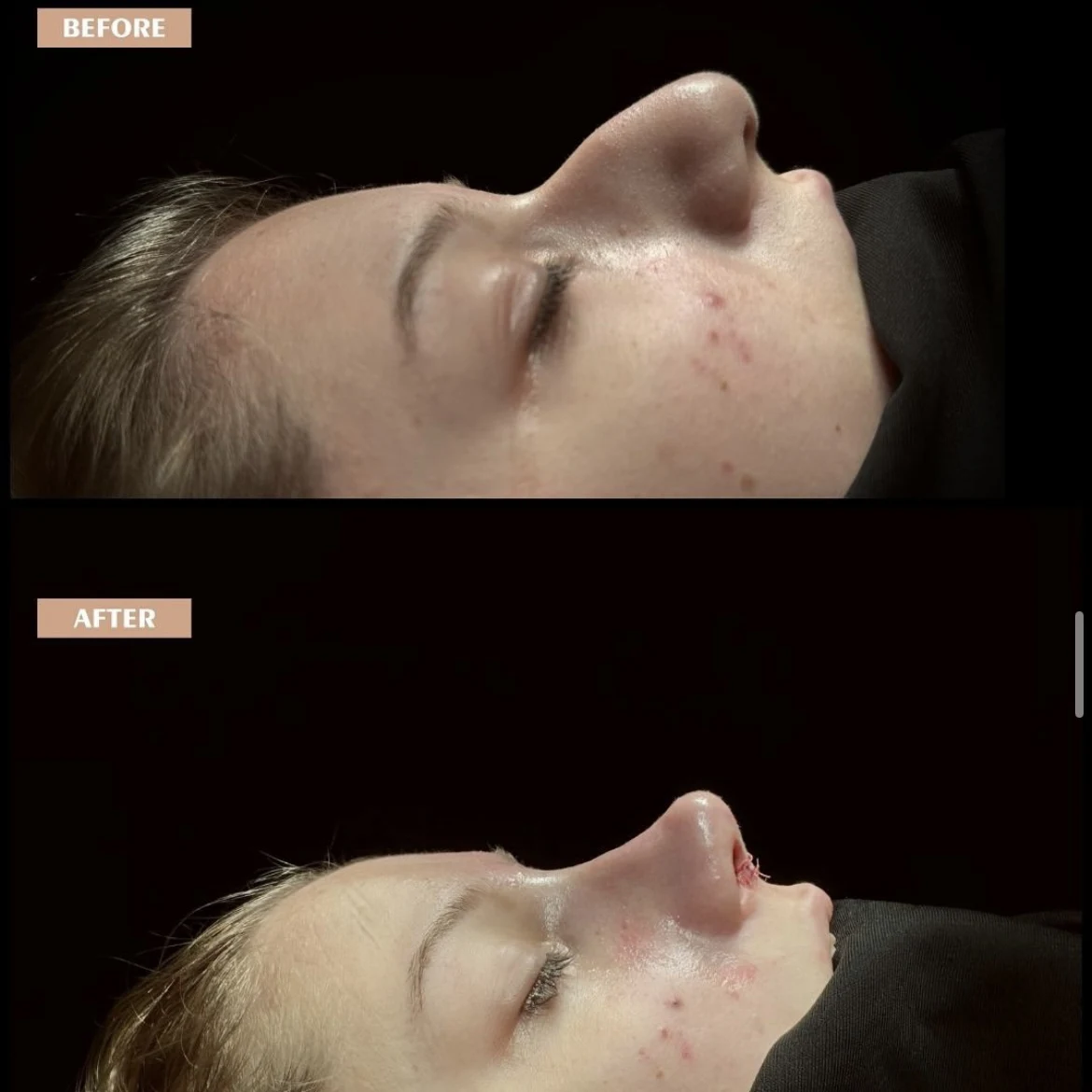
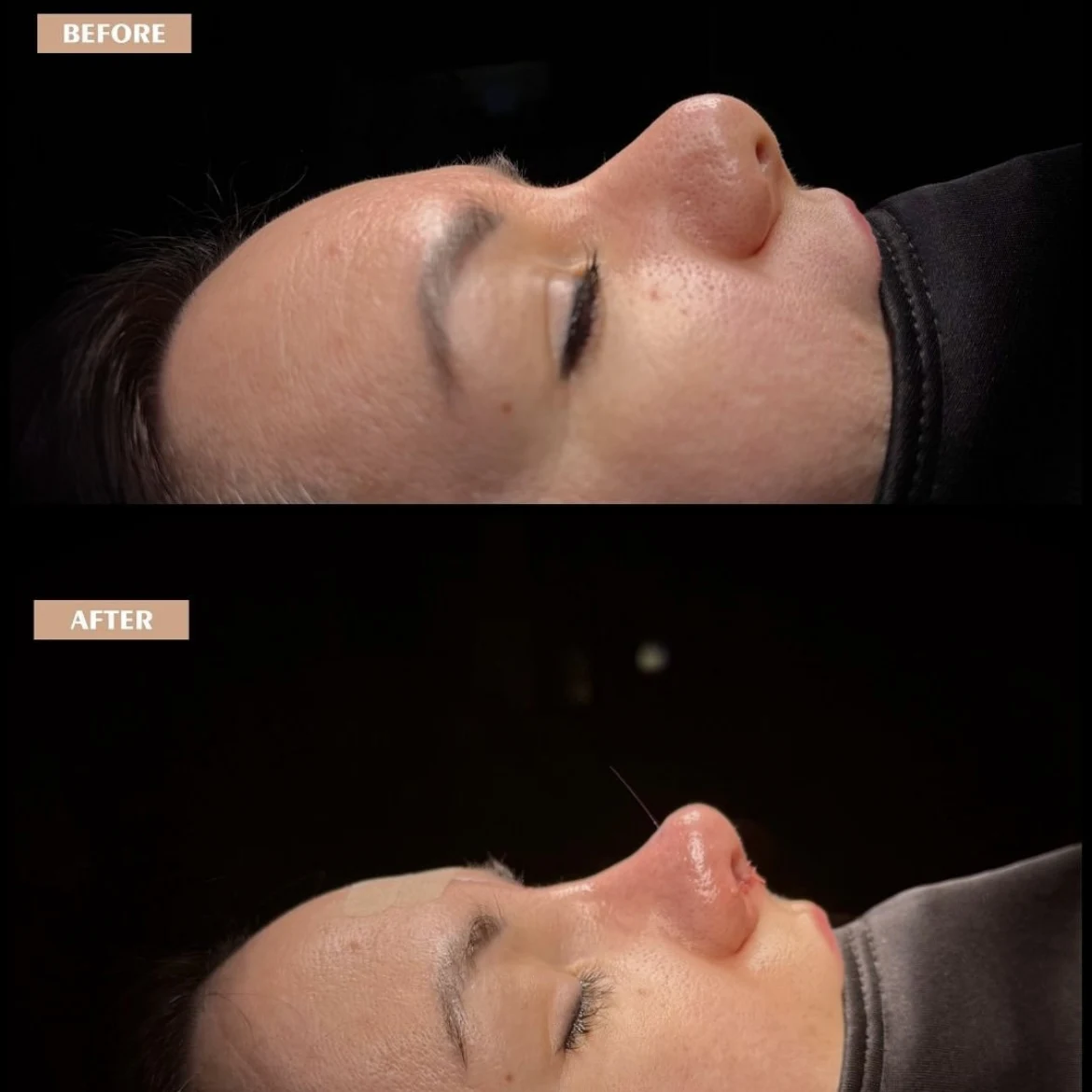
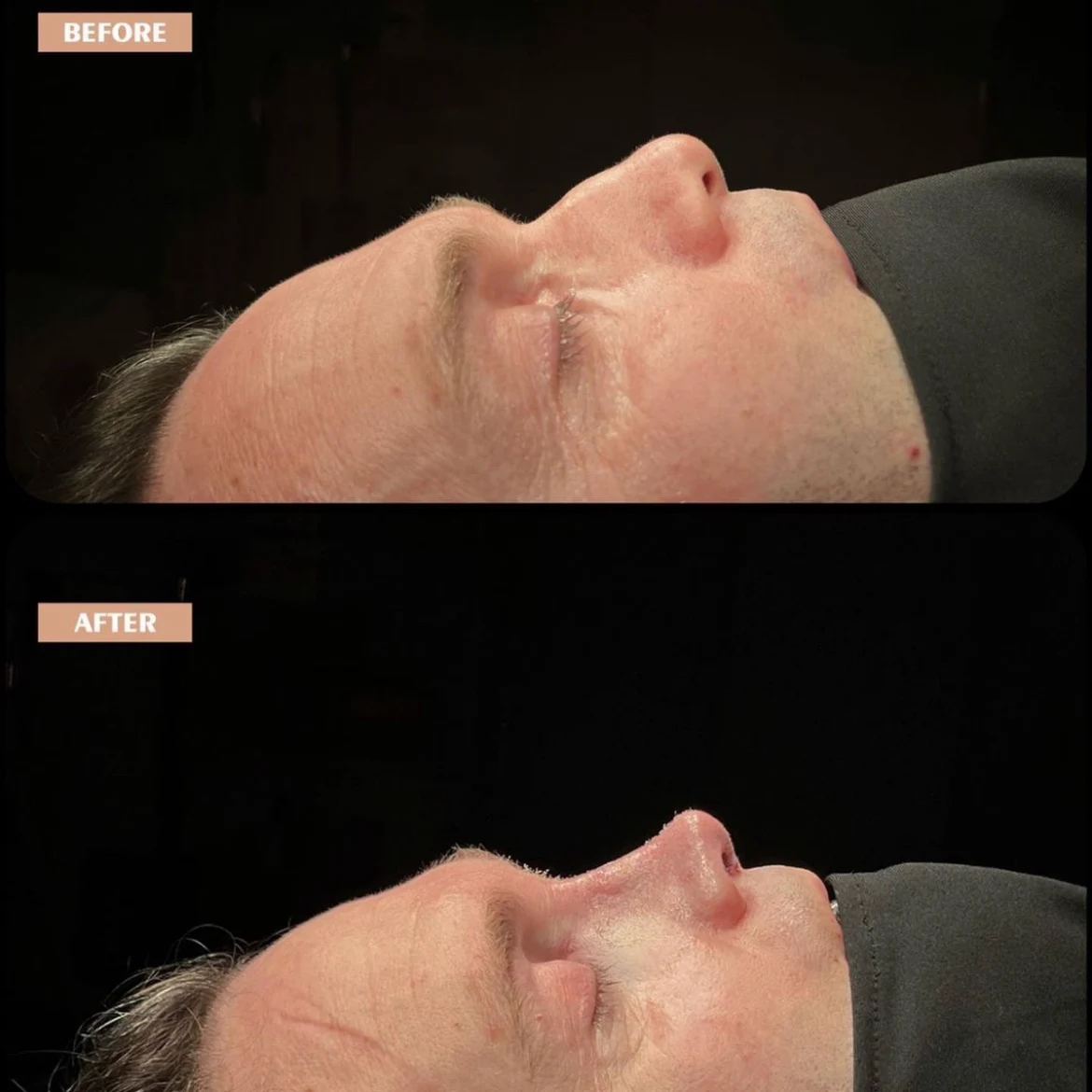
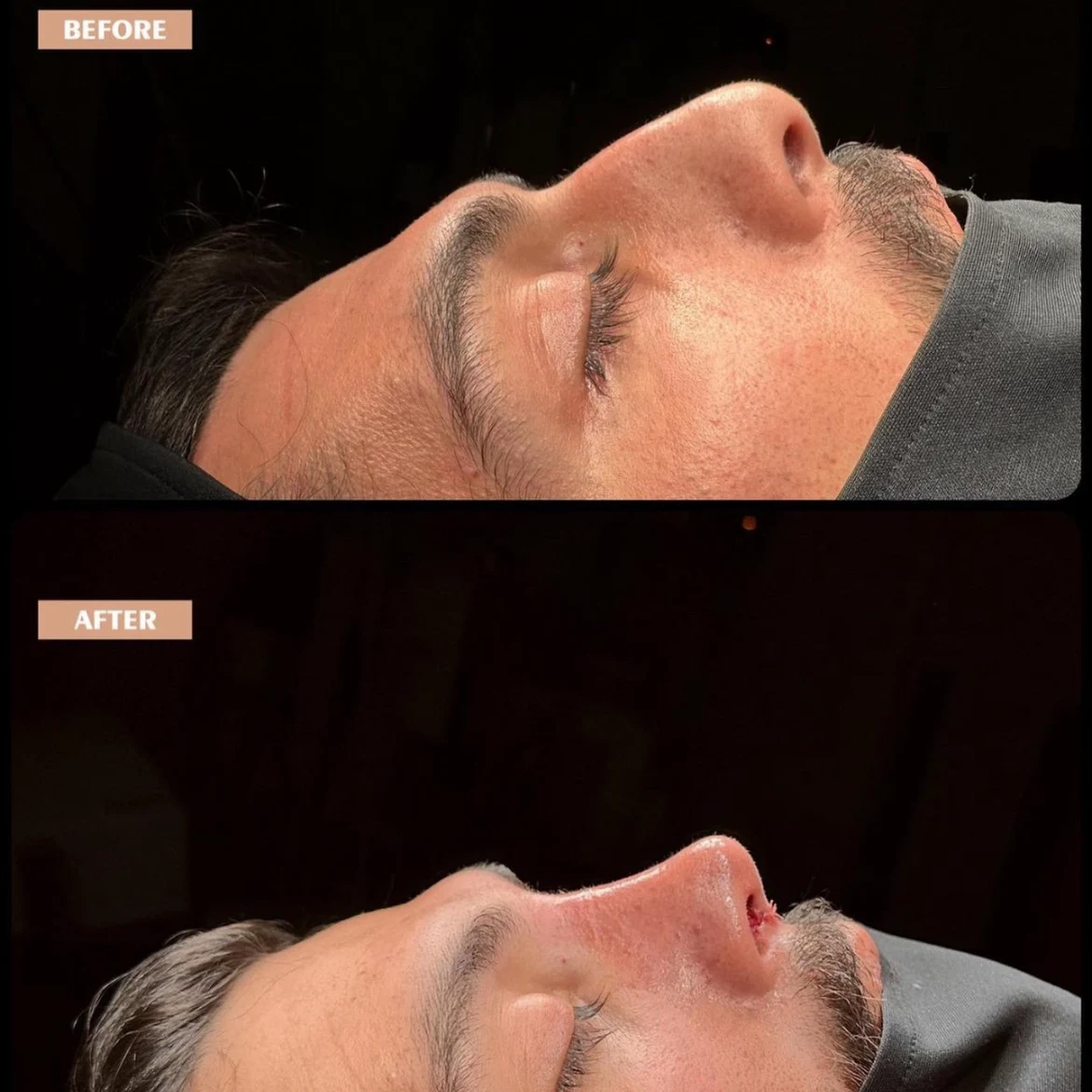
How Is Closed Rhinoplasty Performed?

Closed rhinoplasty is performed through meticulously crafted internal incisions, ensuring minimal visible scarring. Under general anesthesia, the surgeon gains access to the nasal structures exclusively through the nostrils. The nasal skin is delicately separated from the underlying cartilage and bone, granting the surgeon limited visibility. Skillfully reshaping the nasal framework, the surgeon may remove excess cartilage or bone, refine the tip, or address dorsal humps.
Sutures are meticulously placed to close the incisions, and a cast or splint is applied to support the nose during the initial healing phase. This procedure typically takes around 1 to 2 hours, offering efficient and precise nasal contouring with minimal downtime and optimal results.
Recovery Process After Closed Rhinoplasty
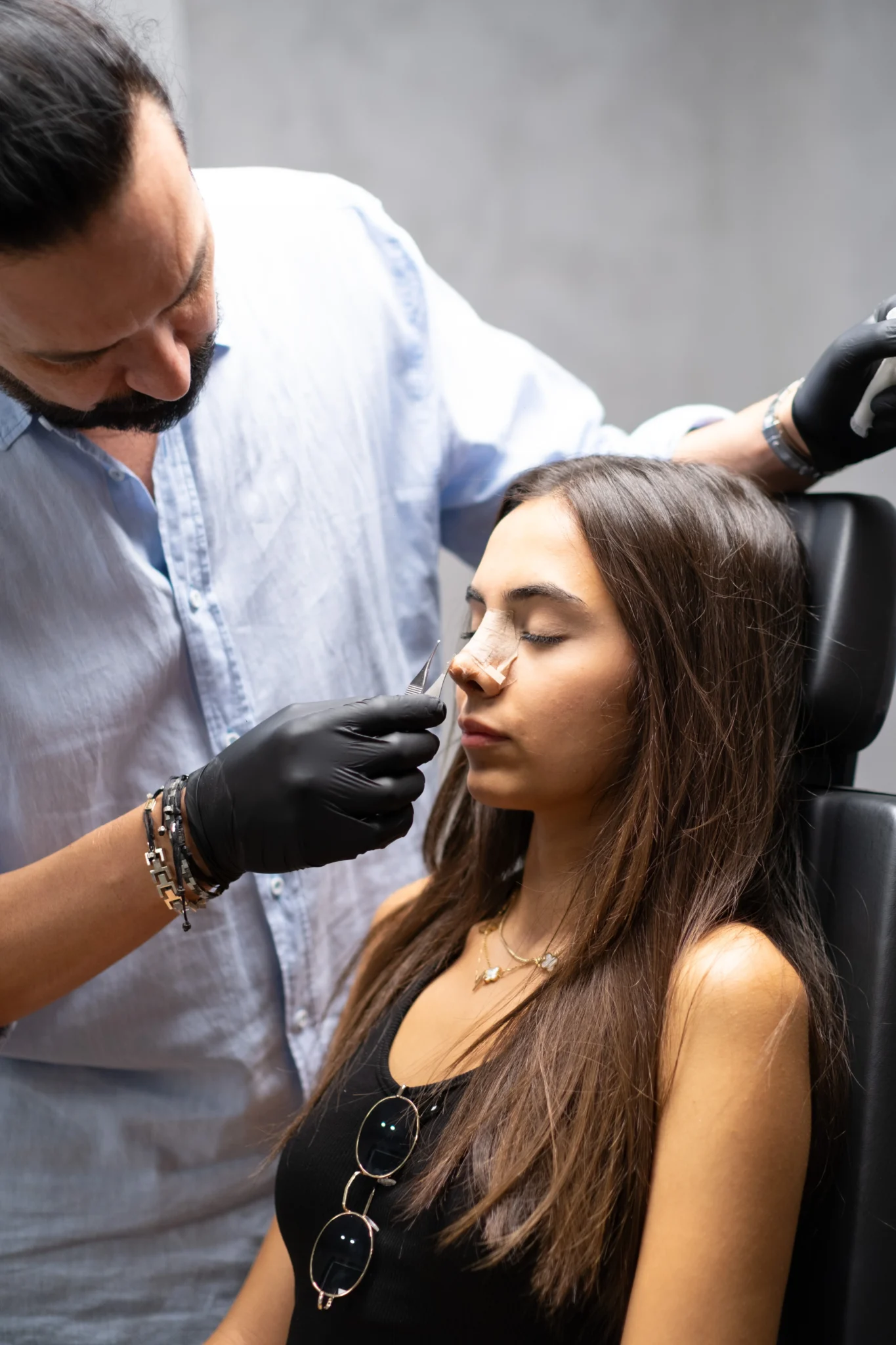
The recovery process following closed rhinoplasty involves a carefully monitored and supportive approach to ensure optimal healing and long-lasting results. Immediately after the procedure, a cast or splint is placed to provide stability and support to the nose during the initial healing phase, which typically lasts for approximately 5 to 7 days. Swelling and bruising around the nose and eyes are expected, but gradually diminish over time. It is advisable to take a few days off from work and maintain a head elevated position while resting to minimize swelling.
Strenuous activities, excessive chewing, swimming, alcohol consumption, and blowing the nose should be avoided during the early stages of recovery. Around one week post-surgery, the cast or splint is removed, unveiling the transformed nose. Although some residual swelling may persist, patients can gradually resume normal activities while adhering to the surgeon’s instructions. Patience and adherence to post-operative care guidelines are essential for a successful recovery following closed rhinoplasty.
Contact us for detailed information about treatments and to schedule an appointment!
Is It Safe To Have Closed Rhinoplasty In Turkey?
Having a closed rhinoplasty in Turkey is considered safe when performed by trained and experienced rhinoplasty surgeons. Turkey has gained recognition as a leading destination for medical tourism, renowned for its advanced healthcare facilities and skilled practitioners. With a focus on patient safety and satisfaction, Turkish clinics adhere to strict quality standards and regulations. Board-certified surgeons utilize state-of-the-art techniques and equipment to ensure precise and successful outcomes.
Additionally, thorough pre-operative assessments and comprehensive post-operative care contribute to minimizing risks and complications. Patients can have confidence in the commitment of Turkish medical professionals to prioritize their well-being throughout the closed rhinoplasty journey. Trust in the expertise and dedication of Turkish healthcare providers for a safe and effective closed rhinoplasty experience.
Why Is Closed Rhinoplasty Cheap In Turkey?
The affordability of closed rhinoplasty in Turkey can be attributed to several factors. Firstly, Turkey boasts a well-established medical tourism industry, offering competitive pricing due to lower operating costs and favorable exchange rates. The country’s advanced healthcare infrastructure and experienced rhinoplasty surgeons contribute to efficient and cost-effective procedures.
Additionally, the availability of high-quality medical facilities and state-of-the-art equipment ensures optimal patient outcomes at a more affordable price. Turkey’s commitment to providing exceptional healthcare standards, combined with a lower cost of living compared to many Western countries, enables patients to access closed rhinoplasty procedures without compromising on quality. This attractive cost advantage has positioned Turkey as a popular destination for individuals seeking cost-effective yet reliable solutions for their nasal aesthetic concerns.
Contact us for detailed information about treatments and to schedule an appointment!
What Affect the Cost of Closed Rhinoplasty?
Costs for a closed rhinoplasty include surgeon qualifications, location, surgical difficulty, anesthesia type, and facility fees. What comes into play is the qualifications of a surgeon. A recognized, experienced and expert in rhinoplasty surgery may charge more because of the experience and proven reputation. The cost also varies on the geographical location; for example, most of the time, surgeries done in areas where the cost of living is high will have a higher quotation.
Operations that need more alterations in the structure bear a higher cost than those that require simple or uncomplicated changes. In addition, it is the type of anesthesia which brings out the difference in price. This is where general anesthesia tends to add to the overall cost when juxtaposed against local anesthesia.
Latest Posts
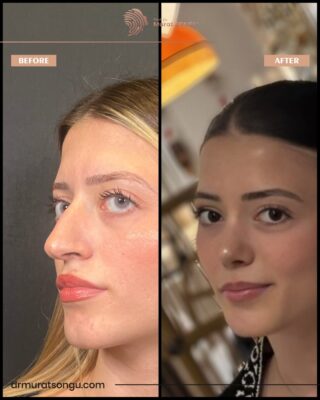
Female Droopy Tip Rhinoplasty Result
Prof. Dr. Murat Songu » Cases » Female Droopy Tip Rhinoplasty ResultFemale droopy tip rhinoplasty [...]
Read More
03
Sep
Sep
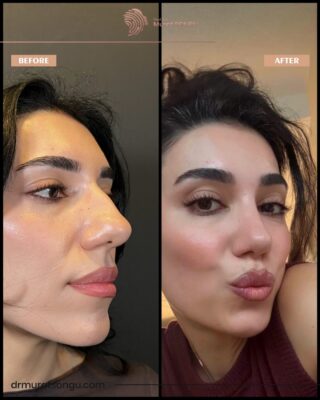
Female Big Nose Rhinoplasty Before & After Photos
Prof. Dr. Murat Songu » Cases » Female Big Nose Rhinoplasty Before & After PhotosFemale [...]
Read More
03
Sep
Sep
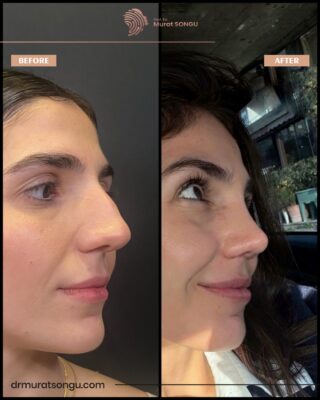
Roman Nose Rhinoplasty Result
Prof. Dr. Murat Songu » Cases » Roman Nose Rhinoplasty ResultRoman nose rhinoplasty is performed [...]
Read More
03
Sep
Sep
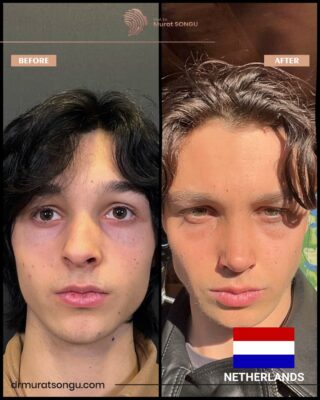
Crooked Nose Rhinoplasty Before & After Photos
Prof. Dr. Murat Songu » Cases » Crooked Nose Rhinoplasty Before & After PhotosCrooked nose [...]
Read More
03
Sep
Sep
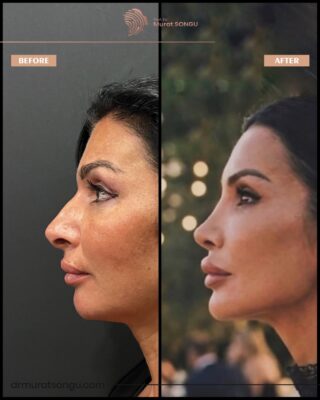
Hanging Columella Correction Rhinoplasty Result
Prof. Dr. Murat Songu » Cases » Hanging Columella Correction Rhinoplasty ResultHanging columella correction is [...]
Read More
03
Sep
Sep
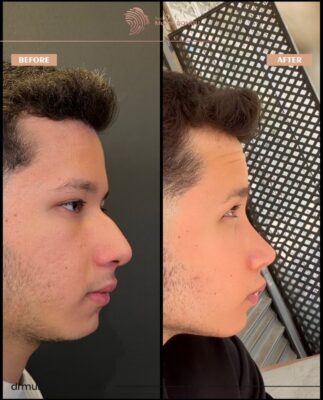
Male Deep Radix Rhinoplasty Result
Prof. Dr. Murat Songu » Cases » Male Deep Radix Rhinoplasty ResultMale deep radix rhinoplasty [...]
Read More
03
Sep
Sep
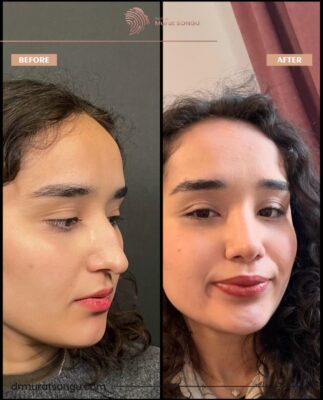
Hooked Nose Rhinoplasty Before & After Photos
Prof. Dr. Murat Songu » Cases » Hooked Nose Rhinoplasty Before & After PhotosHooked nose [...]
Read More
03
Sep
Sep
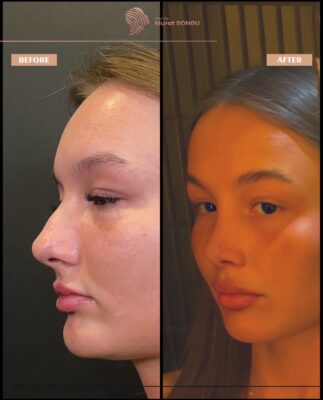
Barbie Nose Rhinoplasty Result
Prof. Dr. Murat Songu » Cases » Barbie Nose Rhinoplasty ResultA Barbie nose rhinoplasty result [...]
Read More
03
Sep
Sep
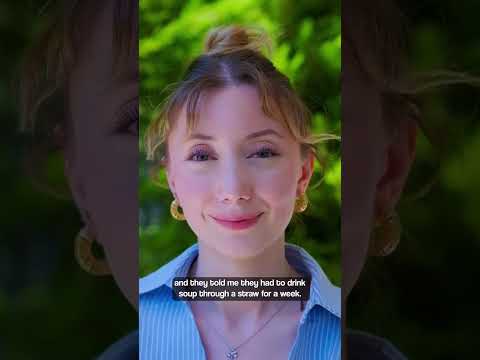
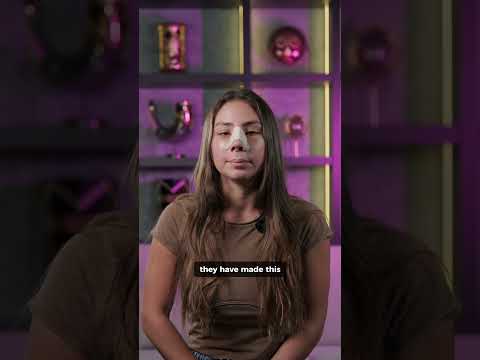
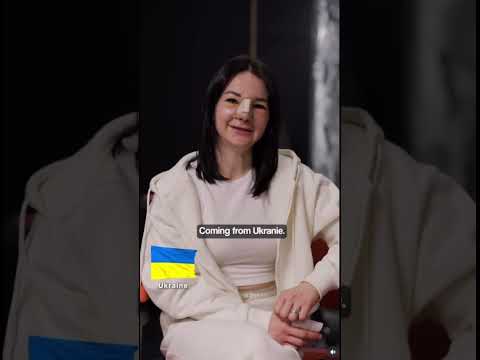
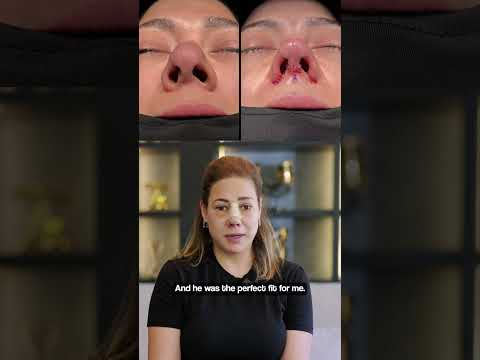
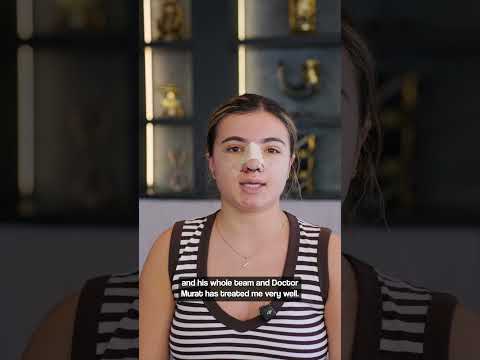
Rhinoplasty Reviews in Turkey

Frequently Asked Questions
Who is the best candidate for closed rhinoplasty instead of open rhinoplasty?
Closed rhinoplasty is often recommended for patients needing moderate nasal reshaping without extensive structural changes. A detailed consultation helps determine whether this technique is appropriate based on nasal anatomy and treatment goals.
How does closed rhinoplasty differ from open rhinoplasty techniques?
Closed rhinoplasty is performed through incisions placed inside the nostrils, leaving no external scar. This approach may reduce tissue disruption and swelling while achieving effective cosmetic or functional improvements in selected cases.
What are the main advantages of choosing closed rhinoplasty for nose reshaping?
Closed rhinoplasty offers benefits such as hidden incisions, no visible external scarring, potentially shorter operating times, and faster early recovery. The suitability of this technique depends on the complexity of the nasal correction.
How long does recovery take after closed rhinoplasty surgery?
Most patients return to light daily activities within one to two weeks. Swelling gradually improves over several months, while the final nasal shape continues to refine as healing progresses throughout the first year.
Can closed rhinoplasty improve breathing problems as well as appearance?
Yes, closed rhinoplasty can be combined with functional procedures to correct structural issues affecting nasal airflow. Treating cosmetic and breathing concerns together may provide both aesthetic enhancement and improved nasal function.
What are the possible risks and complications of closed rhinoplasty?
As with any surgical procedure, risks include infection, bleeding, swelling, asymmetry, breathing changes, or the need for revision surgery. Careful surgical planning and proper postoperative care help reduce these potential complications.
Will closed rhinoplasty leave any visible scars after the procedure?
Because all incisions are made inside the nostrils, closed rhinoplasty does not leave visible external scars. This makes it an appealing option for patients seeking discreet surgical correction when clinically appropriate.
How should I prepare before undergoing closed rhinoplasty surgery?
Preparation usually includes a medical evaluation, avoiding smoking, reviewing medications with your surgeon, and following preoperative instructions. Proper preparation supports safer surgery and encourages a smoother recovery process.
Are the results of closed rhinoplasty permanent over the long term?
The structural changes achieved with closed rhinoplasty are generally permanent. Although natural aging may gradually influence facial tissues, the overall improvements in nasal shape and proportion are expected to remain long lasting.
Can closed rhinoplasty be customized for different facial features and ethnic backgrounds?
Yes, closed rhinoplasty is tailored to each patient’s anatomy, facial proportions, and aesthetic goals. Modern techniques focus on creating balanced, natural-looking results while preserving unique ethnic and individual facial characteristics.