Türkçe
 Deutsch
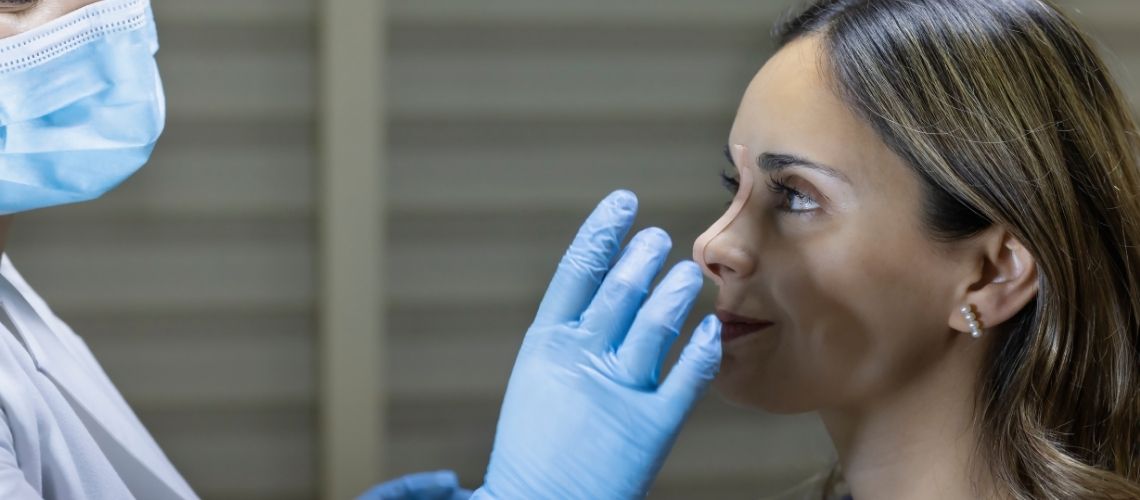
Plaster tape after nose surgery is used to support the nasal tissues during the healing process and keep swelling under control. It helps the shape of the nose settle and reduces the risk of deformity.
Tape application allows the skin to adapt better to the nasal bridge. This method provides a shape-preserving effect, especially during the first weeks after surgery.
Plaster tape also supports the faster dissipation of swelling. Regular use contributes to a more aesthetic and balanced progression of the healing process.
It is important to use it for the duration and with the technique recommended by the surgeon. Since incorrect application may cause skin irritation, it should be performed under supervision.
Advantages Provided by Plaster Tape After Nose Surgery
The recovery process of patients after nose surgeries, especially revision surgeries, should be managed carefully. The plaster tape used during this process is important in terms of both comfort and safety. Plaster tape covers the surgical area and reduces the risk of infection. In addition, thanks to the flexible structure of these tapes, they do not restrict the patient’s mobility. The breathable feature of the tape allows the surgical area to breathe and accelerates healing.
The advantages offered by plaster tapes are as follows:
- It reduces the risk of infection by protecting the surgical area.
- Its breathable structure allows the surgical area to heal faster.
- Its flexible structure increases the patient’s comfort.
- It helps stabilize the new shape of the nose.
The use of plaster tape during the postoperative period allows patients to experience a faster and smoother recovery process. These tapes are among the practical solutions offered by modern medicine. Various types of plaster tape can be selected according to different needs. This variety helps patients find the most suitable option according to their personal preferences and needs. As a result, plaster tapes are an indispensable aid for patients after nose surgery.
The Importance and Effects of Using Plaster Tape After Nose Surgery
Nose surgeries are delicate procedures, and the healing process requires great care. During this process, plaster tape has an important role. This tape, used on the nasal area after surgery, provides the following:
- Preservation of the nasal structure,
- Reduction of swelling that may occur after surgery,
- Minimization of the risk of infection.
Plaster tape contributes to the rapid and healthy healing of the wound. These tapes reduce the risk of infection by protecting the wound area from external factors. They also minimize discomfort that may occur after surgery. The use of plaster tape allows the patient to experience a more comfortable recovery process. Thus, the patient can go through the postoperative period more comfortably. These tapes are an important tool frequently recommended by doctors during the postoperative period. It is critically important for patients to follow their doctor’s recommendations during this process for healthy healing.
The Importance and Advantages of Using Plaster Tape After Nose Surgery
The healing process after nose surgery is very important for patients. During this process, materials such as plaster tape play a major role. Plaster tape reduces the risk of infection by protecting the wound area, especially after nose surgery. One of the greatest advantages of this tape is that it allows the wound to breathe while also protecting it against external factors. In addition, the use of plaster tape:
- Accelerates wound healing,
- Minimizes the risk of infection,
- Helps the patient experience a more comfortable recovery process.
Plaster tape is a modern medical aid that improves patients’ quality of life after rhinoplasty operations.
The Importance and Use of Plaster Tape After Nose Surgery
Nose surgeries are important procedures performed especially for aesthetic and health problems. Plaster tape plays a major role in the postoperative healing process. This tape reduces the risk of infection by protecting the surgical area. It also helps scars become less visible.
- Plaster tape helps keep the surgical area clean and dry.
- It balances pressure in the wound area and reduces pain.
- Plaster tape has a wound-healing accelerating effect.
- The use of the tape should continue upon the doctor’s recommendation and for a specific period.
The use of plaster tape increases the patient’s comfort while also positively affecting the healing process. Patients should follow their doctor’s instructions before removing the tape. As a result, plaster tape is an important tool used after nose surgery and plays a major role in the postoperative healing process.
F.A.Q.
When is the plaster tape removed after nose surgery?
Plaster tape generally remains in place until the second week after nose surgery. During this period, the tape is important for controlling swelling and supporting the healing process. At the end of the second week, the patient attends a doctor’s appointment and the tape is removed. If the doctor considers it necessary after removing the tape, a new tape may be applied.
How long should the nose tape remain after surgery?
The duration of nose tape use varies from patient to patient. Doctors generally recommend that the tape remain in place for 2-3 weeks. However, in some special cases, this period may be extended to 5-6 weeks. It is important to adjust this period according to the patient’s condition.
How is the nose cleaned after the tapes are removed?
Gentle cleaning is recommended after the nose tapes are removed. First, the surface of the nose should be cleaned using lukewarm water and a hypoallergenic soap. Then, the prescribed Sterimar spray should be sprayed into the nose to soften the crusts. Finally, the special cream should be applied gently with the help of a cotton swab. These steps help keep the nasal area clean and healthy.
Can you take a bath after the nose tapes are removed?
A bath can be taken after the nose tapes are removed. Patients are generally free to take a shower after this stage. The facial area can be washed more comfortably and safely. However, it is important to avoid direct water contact with the nasal area.

Prof. Dr. Murat Songu – Burun Estetiği (Rinoplasti) Uzmanı
Prof. Dr. Murat Songu, 1976 yılında İzmir’de doğmuş, tıp eğitimini Ege Üniversitesi Tıp Fakültesi’nde tamamladıktan sonra Celal Bayar Üniversitesi Kulak Burun Boğaz Anabilim Dalı’nda uzmanlık eğitimini tamamlamıştır. 2005–2006 yıllarında Fransa’nın Bordeaux kentinde Prof. Vincent Darrouzet ve Dr. Guy Lacher gibi rinoloji alanının önde gelen cerrahlarıyla çalışarak rinoplasti, fonksiyonel burun cerrahisi ve kafa tabanı cerrahisi üzerine ileri eğitim almıştır.
Burun estetiğinde doğal görünüm, nefes fonksiyonunun korunması ve yüz estetiği dengesini ön planda tutan Prof. Dr. Songu, açık teknik rinoplasti, piezo (ultrasonik) rinoplasti, revizyon rinoplasti, burun ucu estetiği ve fonksiyonel septorinoplasti operasyonlarında ulusal ve uluslararası düzeyde tanınan bir cerrahtır. Yurt içi ve yurt dışında çok sayıda rinoplasti kongresinde eğitici ve konuşmacı olarak yer almış; yüz estetiği ve burun cerrahisinde modern tekniklerin yaygınlaşmasına öncülük etmiştir.
100’den fazla bilimsel yayını, kitap bölümü yazarlıkları ve 1700’ü aşkın uluslararası atfıyla rinoplasti alanında Türkiye’nin en saygın akademisyenlerinden biri olan Prof. Dr. Murat Songu, doğal, yüzle uyumlu ve fonksiyonel sonuçlar hedefleyen cerrahi yaklaşımıyla hem bilimsel hem estetik başarıları bir araya getirmektedir.