Türkçe
Wound formation inside the nose may develop due to dryness, infection, allergy, or trauma. These wounds present with crusting, bleeding, and a feeling of discomfort.
Moisturizing sprays, antibiotic creams, and regular hygiene practices are beneficial for wounds inside the nose. Keeping the inside of the nose moist in particular accelerates healing.
Recurrent wounds may be a sign of immune system diseases or chronic infections. Therefore, the underlying cause must be investigated.
Untreated nasal wounds may lead to permanent crusting and structural problems inside the nose. The healing process should be accelerated through regular medical check-ups.
What Causes Wounds Inside the Nose?
The most common causes of wounds inside the nose include dry air, frequent nose picking, allergic rhinitis, viral or bacterial infections, and trauma. In addition, certain diseases affecting the immune system, vitamin deficiencies, or skin conditions may also predispose individuals to wounds inside the nose. If the wounds do not heal for a long time or recur frequently, it is necessary to consult an ear, nose, and throat specialist to investigate a serious underlying condition.
What Is Good for a Wound Inside the Nose?
Methods that are beneficial for wounds inside the nose include the use of moisturizing nasal sprays, nasal rinsing with saline solution, and moisturizing ointments. Keeping the environment humid and avoiding behaviors that irritate the inside of the nose also help with healing. If causes such as allergy, infection, or vitamin deficiency are involved, the treatment recommended by the doctor should be applied. An ear, nose, and throat specialist must be consulted for wounds that persist for a long time or recur frequently.
Can Dry Air Cause Wounds Inside the Nose?
During cold winter months or in centrally heated indoor environments, dry air may cause wounds to form inside the nose. When humidity levels decrease, the nasal mucosa dries out and becomes sensitive, which may lead to cracking and irritation. As the mucosa dries, the nasal tissue becomes vulnerable to minor injuries. Wounds that form during this process present with symptoms such as pain, itching, and sometimes mild bleeding. Dry air may also weaken the mucous membrane, making the nose more susceptible to infections.
Recommended precautions:
- Using a humidifier
- Drinking plenty of water
- Saline nasal sprays
- Nasal moisturizing gels
- Avoiding harsh nose wiping
An increase in nosebleeds may occur due to dry air. The dried nasal mucosa may crack and cause bleeding, and this condition may lead to crusting and the formation of new wounds during healing. Areas such as the nasal septum may be particularly sensitive to this type of trauma. Therefore, performing regular nasal care and using intranasal moisturizers in low-humidity conditions are important for protecting nasal health. In addition, at insufficient humidity levels, the nose becomes less effective at removing dust and bacteria, which may lead to long-term irritation and an increased risk of infection.
How Do Allergies Lead to Wounds Inside the Nose?
Allergic rhinitis may cause chronic inflammation inside the nose and lead to wounds. When exposed to allergens such as pollen, dust mites, and pet dander, the immune system releases histamine in the nasal lining, and this inflammation increases mucus production, causing itching, swelling, and dryness. Dryness and cracking in the nose may develop into wounds as allergic symptoms become more difficult to control. Common allergens that may be effective in injuries inside the nose caused by allergic rhinitis include:
- Pollen
- Dust mites
- Pet dander
To prevent further irritation of the wounds, it is important to regularly moisturize the nasal passages with saline sprays or rinses. In addition, using nasal sprays containing antihistamines and corticosteroids reduces inflammation and minimizes the risk of wounds inside the nose.
Are Infections a Common Cause of Wounds Inside the Nose?
Infections are one of the most common causes of wounds inside the nose, and these wounds generally occur due to bacterial or viral agents. Bacterial infections such as Staphylococcus aureus may trigger nasal vestibulitis by causing painful sores and crusting in the nostrils. Among viral infections, the common cold and herpes simplex virus are effective in the formation of nasal sores and may present with various symptoms. Some common agents that cause wounds inside the nose due to infections are listed below:
- Bacterial agents: Staphylococcus aureus
- Viral agents: Common cold virus, herpes simplex
While bacterial infections may cause pain, swelling, and pus-filled sores in the nostrils, viral infections first present with flu-like symptoms, followed by painful sores inside or around the nose. These wounds are generally seen more frequently during periods when the immune system is weakened and may recur particularly during upper respiratory tract infections.
Early treatment is important to prevent nasal wounds from progressing. Topical or systemic antibiotics may be used for bacterial infections, while antiviral medications may be used for viral conditions such as herpes simplex. In addition, maintaining hygiene and protecting the nasal tissue from unnecessary irritation also contribute to the healing process.
Can Trauma Cause Wounds Inside the Nose?
Trauma is an effective factor in the formation of wounds inside the nose. Frequent nose picking and forceful nose blowing in particular may irritate and damage the sensitive nasal mucosa. These actions continuously apply pressure and friction to the thin and highly vascular tissue inside the nose, causing small wounds and abrasions on the surface of the nasal lining. This further sensitizes the nasal tissue, which becomes vulnerable to infections. Infections caused particularly by Staphylococcus bacteria may result in inflammation and pain in the inner lining of the nose. If left untreated, this condition may develop into chronic wounds. Some common behaviors that may cause trauma-related injuries inside the nose include:
- Excessive nose picking
- Forceful nose blowing
- Pulling nasal hairs
- Using foreign objects to clean the nose
Attention should be paid to nasal hygiene to prevent the wounds from becoming infected. Recurrent irritation makes the healing process of such injuries more difficult and may sometimes lead to serious abscesses. Treatment options include topical antibiotics aimed at preventing bacterial colonization, as well as oral antibiotics or medications that help reduce inflammation when necessary. Saline sprays also help moisturize the nasal mucosa and contribute to the tissue repair process.
Can Autoimmune Diseases Cause Wounds Inside the Nose?
Autoimmune diseases may cause wounds to form inside the nose. Diseases such as granulomatosis with polyangiitis (GPA) and systemic lupus erythematosus (SLE) may lead to wounds and ulcers in the nasal mucosa when the immune system mistakenly attacks the body’s tissues. GPA particularly causes tissue damage through inflammation of the blood vessels in the nose, sinuses, and respiratory tract. Common symptoms in conditions where autoimmune diseases may cause wounds inside the nose include:
- Wounds
- Crusting
- Chronic discharge
This condition may lead to ulcers, tissue death, and damage in the nasal mucosa and may even cause a deformity called “saddle nose.” In SLE, immune system dysfunction may cause mucosal lesions, but these symptoms are milder than in GPA and are generally seen more frequently in the mouth.
Treatments that suppress the immune system are used to control nasal symptoms. In cases of GPA, moisturizing nasal sprays, saline solutions, and topical steroids when necessary help relieve inflammation and prevent possible infections as part of local care.
Can Contact with Allergens or Irritants Cause Wounds Inside the Nose?
Contact with allergens or irritants may cause allergic contact dermatitis (ACD) to develop in the nasal area. On sensitive skin, the immune system reacts particularly to certain substances, which may lead to inflammation and wounds. The main triggers of this inflammation, especially in sensitive areas such as the nose, include:
- Nickel
- Perfumes
- Certain metal objects
- Detergents
- Cosmetic products
These substances, which cause allergic reactions around the nose, trigger an immune response through contact. In this case, immune cells release inflammatory chemicals, causing symptoms such as redness, itching, swelling, and rash in the affected area. Since nickel is a commonly encountered allergen in daily life, it may increase skin sensitivity and cause wounds to develop in areas around the nose that come into contact with it. Perfumes also irritate the skin because of their complex chemical structures, and their ingredients may increase sensitivity in the nasal area.
Avoiding and protecting against the triggers of ACD helps prevent these types of allergic reactions and wounds. Patch testing identifies allergens that cause skin reactions and provides important information about which substances should be avoided during the treatment process. Avoiding products that irritate sensitive skin in facial areas such as the nose and supporting the skin with protective ointments are among the effective measures against nasal wounds.
Can Wounds Inside the Nose Be Symptoms of Cancer?
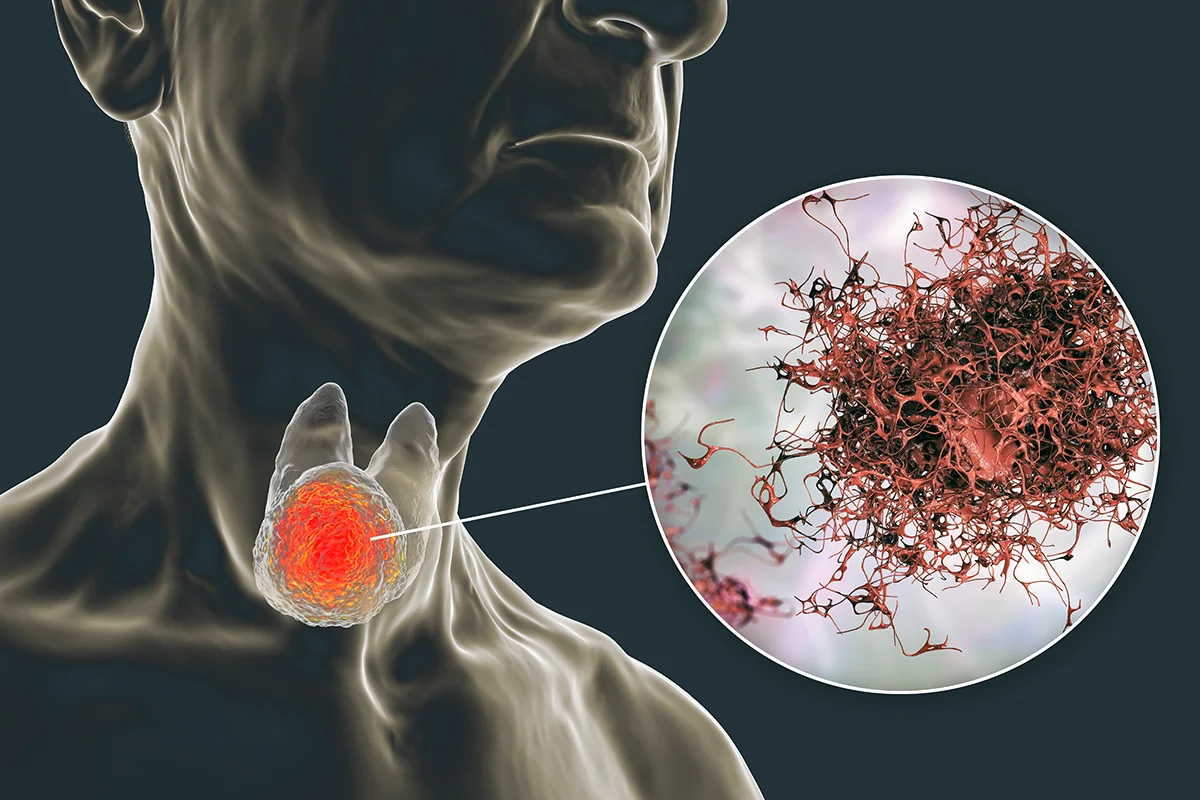
Wounds inside the nose that do not heal for a long time and recur frequently may rarely be a sign of cancer. Particular attention should be paid if there are additional findings such as nasal congestion, foul-smelling discharge, swelling around the face or eyes, persistent pain, or frequent bleeding. While simple wounds generally heal within a short time, consulting an ear, nose, and throat specialist without delay for persistent and suspicious lesions is important for early diagnosis.
How Do Wounds Inside the Nose Heal?
For wounds inside the nose to heal, the underlying cause must first be identified. Using moisturizing sprays or ointments, keeping the surrounding air humid, and avoiding irritation inside the nose accelerate healing. Appropriate medication treatment should be arranged by a doctor for wounds caused by allergies or infections. Wounds that recur frequently, bleed, or do not heal for a long time may be a sign of a more serious disease and therefore require consultation with an ear, nose, and throat specialist.
When Are Antibiotics or Medical Treatment Necessary?
Antibiotics are necessary in the treatment of wounds inside the nose only when a bacterial infection is present. Infections caused by bacteria may tend to spread inside the nose and cause inflammation, swelling, and pain. In such cases, the use of antibiotics under medical supervision may help control the infection and accelerate wound healing. Antibiotics or additional medical treatment should be considered particularly in the following situations:
- Painful and pus-filled nasal wounds
- Signs of infection accompanied by redness and swelling
- Wounds that do not heal for a long time or continue to grow
- Conditions accompanied by fever or other systemic symptoms
Corticosteroids may be added as supportive treatment in cases of serious bacterial infections with significant inflammation. Thanks to their anti-inflammatory effects, they support the healing process by rapidly controlling swelling and inflammation. However, because of their immunosuppressive properties, corticosteroids must be used for a short period, carefully, and under medical supervision. Corticosteroids may be used particularly in critical conditions such as:
- Severe respiratory tract infections
- Conditions accompanied by intense inflammation and swelling
- Severe infection cases requiring rapid control of inflammation
Antibiotic and corticosteroid combinations should be arranged according to each patient’s condition, the severity of the infection, and the individual healing response. Since incorrect or unnecessary antibiotic use may increase the risk of antibiotic resistance, these medications must be taken upon a doctor’s recommendation. It is also important to know that antibiotics are not effective against viral infections.
When Should You Seek Medical Help for Wounds Inside the Nose?
In some situations, seeking medical help is essential during the treatment process of wounds inside the nose. When nasal wounds occur together with certain symptoms, they may indicate a more serious underlying health problem and require intervention. It is recommended that you seek medical help when wounds inside the nose are accompanied by the following symptoms:
- Worsening or persistent wounds
- Severe pain
- Fever of 38.3°C or higher
- Swelling and redness
- Confusion or disorientation
In these situations, nasal wounds may be more than a simple condition and may be a sign of serious complications such as a sinus infection, cellulitis, or even meningitis. Early medical intervention helps prevent the spread of infection and allows the necessary treatments to be applied quickly. Individuals experiencing these symptoms can prevent complications by seeking support from a healthcare professional against a progressing infection and possible risks.
Frequently Asked Questions
What happens one month after nose surgery?
The first month after nose surgery is one of the most critical periods of the healing process. During this period, swelling and mild bruising in the nose may continue, but a noticeable decrease is seen compared to the first weeks. The nasal structure gradually begins to settle, but the final result has not yet emerged. Swelling, particularly at the tip of the nose, subsides over a longer period, and sensitivity in this area may continue. By the end of the first month, the general contours of the nose become more defined, but the full healing process continues for several more months. Patients should avoid exercise during this period and take care not to receive any impact to the nose. Since the tissues under the skin continue to heal, the nose may still be sensitive. Medical check-ups should not be neglected, and the recommended care routines should be followed.
Does the nose change after 6 months?
Within six months after nose surgery, the shape of the nose largely settles, but some subtle changes may continue. Swelling, especially at the tip of the nose, decreases further during this period, and the nasal contours become more defined. Depending on the skin structure, the nose may gain a thinner and more natural appearance in some patients. By the end of six months, the final results of nose surgery have largely emerged, but in some patients, the full settling process may take up to one year. During this period, the nasal tissues are expected to heal completely and the swelling beneath the skin to disappear entirely. Patients should continue protecting their noses from impacts during this process and should not neglect medical check-ups.
How many months does rhinoplasty take to heal?
The healing process after rhinoplasty varies from person to person, but in general, significant recovery is achieved within the first three months. Swelling is pronounced during the first weeks, but it decreases over time, and the nose gains a more natural appearance. By the end of the third month, the nasal contours become clearer, but the complete healing process is completed within six months to one year. The full recovery period after rhinoplasty may vary depending on the skin structure and the scope of the surgery. The healing process may take longer in patients with thick skin because the tissues beneath the skin settle later. Patients should follow the care routines recommended by the doctor and support the healing process by protecting their noses during this period.
Does the nose become smaller after 3 months?
By the third month after nose surgery, the shape of the nose largely begins to settle, but it may take several more months for the swelling to disappear completely. During the first months, the nose may appear larger due to swelling, but after the third month, as the swelling decreases, the nose gains a smaller and more natural appearance. The nose generally becomes smaller as the swelling subsides, but major changes in the nasal structure should not be expected. If excess tissue was removed during nose surgery, the nose may take on a more refined shape over time. However, it is necessary to wait between six months and one year to see the final results completely.
Does a surgically enhanced nose change over time?
The nose may change over time after rhinoplasty, but these changes are generally minor and natural processes. As the swelling decreases during the first months, the nose becomes more defined and begins to take its final form. However, depending on the aging process and skin structure, the nose may show slight changes over the years. Care should be taken to preserve the nasal structure after surgery. In particular, impacts to the nose should be avoided, and the care routines recommended by the doctor should be followed. If a noticeable change in the nasal structure is observed, it should be evaluated through a medical check-up.
When does the nose fully settle?
The process of the nose fully settling after surgery is generally completed within six months to one year. Swelling is pronounced during the first months, but it decreases over time, and the nose begins to take its final form. Since the tissues at the tip of the nose heal over a longer period, the full settling process may vary from person to person. By the end of one year, the results of nose surgery are largely complete, and the nose achieves its natural appearance. However, in some patients, the healing process may take longer depending on the skin structure. Patients should support the healing process by protecting their noses during this period.
Can the nose look crooked due to swelling?
Yes, the nose may initially appear crooked due to swelling after nose surgery. Swelling occurs in the nasal tissues during the first weeks, and this may temporarily alter the shape of the nose. However, as the swelling decreases, the nose gains a more symmetrical and natural appearance. The duration of swelling may vary from person to person, but it generally decreases significantly within the first three months. If the crooked appearance persists for a long time after nose surgery, it should be evaluated through a medical check-up. In most cases, the nose regains its natural form once the swelling has completely subsided.

Prof. Dr. Murat Songu – Rhinoplasty (Nose Aesthetics) Specialist
Prof. Dr. Murat Songu was born in 1976 in Izmir and completed his medical education at the Ege University Faculty of Medicine. He then completed his residency training in the Department of Otorhinolaryngology at Celal Bayar University. Between 2005 and 2006, he received advanced training in rhinoplasty, functional nasal surgery, and skull base surgery in Bordeaux, France, working with leading rhinologists such as Prof. Vincent Darrouzet and Dr. Guy Lacher.
Prioritizing natural appearance, the preservation of breathing function, and facial aesthetic harmony, Prof. Dr. Songu is nationally and internationally recognized for his expertise in open rhinoplasty, piezo (ultrasonic) rhinoplasty, revision rhinoplasty, tipplasty, and functional septorhinoplasty. He has participated as an instructor and speaker at numerous rhinoplasty congresses worldwide.
With over 100 scientific publications, book chapters, and more than 1700 citations, Prof. Dr. Murat Songu is one of Türkiye’s most respected academics in the field of rhinoplasty, combining natural, facially harmonious, and functional results with scientific and aesthetic excellence.