Türkçe
 Deutsch
The items that should be packed when going for nose surgery include personal belongings that will increase the patient’s comfort. Comfortable clothing, slippers, hygiene products, and basic care supplies should be prepared.
Supportive items such as lip balm, soft tissues, and a small pillow will be useful during the postoperative period.
Necessary medications, identification, and health documents must also be kept with you. This ensures that hospital procedures progress quickly and smoothly.
Planning personal needs in advance helps you go through the surgical process more comfortably. Being prepared makes a positive contribution to the recovery process.
Identification and Health Documents
The most important documents that should be in your bag during preparation for rhinoplasty are your identification and health records. These documents ensure that procedures within the hospital progress quickly and smoothly. First of all, you must not forget your identification card, which is required for all official procedures and identity verification.
- Identification Card: Required for identity verification and registration procedures at the hospital.
Having the consent form you signed with your doctor before surgery will make things easier in the event of any disagreement or need for additional information.
- Surgical Consent Form: The document signed with your doctor that confirms your consent to the operation.
It is also important to bring health records containing information about any chronic diseases, allergies, or medications you use regularly. This information will help your doctor take the necessary precautions during and after the operation.
- Other Health Records: Include information about chronic diseases, allergies, and medications being used.
These documents are essential elements that will help make your surgical process safer and more efficient. To avoid any problems, make sure that all these documents are current and complete.
Medications and Prescriptions
Medications play an important role in preparing for rhinoplasty. Having the medications needed before and after surgery with you makes the process more comfortable. Patients should continue taking their regularly prescribed medications as directed until the day of surgery. In particular, these medications should be brought in their original packaging and in sufficient quantities. Painkillers recommended by your doctor are very important for relieving pain that may occur during the postoperative period.
- Prescription Medications: Regularly used medications in their original packaging and in sufficient quantities.
- Painkillers: Painkillers recommended by the doctor for the postoperative period.
- Allergy Medications: If you have an allergic condition, allergy medications should also be added to your bag.
In addition to controlling possible pain, these medications also provide significant safety in the event of an allergic reaction. If attention is paid to each medication’s interactions and side effects, the surgical process proceeds more safely and in a more controlled manner.
Personal Care and Hygiene Products
The contents of your bag are very important when preparing for rhinoplasty. Personal care and hygiene help the patient feel better. Therefore, there are some essential products that you should have with you on the day of surgery:
- Toothbrush and Toothpaste: Maintaining oral hygiene before and after surgery is essential. These two products allow you to keep your oral health at an optimal level.
- Facial Cleansing Wipes: You need to clean your skin before the operation. Wipes suitable for sensitive skin gently cleanse your skin.
- Lip Balm: Anesthesia and hospital conditions may cause your lips to become dry. Lip balm prevents this problem.
- Deodorant: Deodorant is essential for helping you feel fresh during your postoperative hospital stay.
- Hair Tie or Bandana: Keeping your hair away from your face during surgery helps maintain a sterile environment during the procedure.
These products will contribute to your personal care and increase your comfort before and after surgery. Having these items with you on the day of surgery will help you feel safer and more prepared.
Other Important Items
When preparing your bag before rhinoplasty, do not forget to include some important items. These items will increase your comfort both before and after surgery. First, make sure to carry cash and a credit card for unexpected expenses. This will protect you against any emergency.
- Cash and Credit Card: Necessary for emergencies.
- Notebook and Pen: Important for writing down the instructions given by your doctor.
- Water Bottle: Helps maintain continuous hydration.
- Snacks: Help maintain your energy. They may be consumed 2 hours after surgery.
- Pillow: Provides comfort during the journey home.
A notebook and pen allow you to record important information provided by your doctor. This way, you will not forget any details. A water bottle should be kept within reach to maintain continuous hydration. Small snacks after surgery are important for relieving hunger and keeping your energy levels high. Finally, it is recommended to have a pillow to support your head and neck during the journey home. These items help you remain comfortable and prepared throughout the surgical process.
What Is Needed After Surgery?
The period after rhinoplasty is particularly sensitive for patients. The essential items that should be kept in the bag to increase comfort and accelerate recovery during this period include:
- Facial Cleansing Wipes: Alcohol-free and soft wipes help clean the face without irritating the skin.
- Moisturizer: Maintains the skin’s moisture balance with its lightweight and oil-free formula.
- Lip Balm: Provides comfort by moisturizing dry lips.
- Eye Drops: Prevent eye dryness and irritation.
- Nasal Spray: Relieves nasal congestion that may occur after surgery.
- Painkiller: Prescription painkillers recommended by your doctor provide pain control.
- Cold Compress: Helps reduce facial swelling.
- Pillowcase: A spare pillowcase is important in case of blood stains.
- Towel: A soft towel is ideal for cleaning the face and hands.
- Hat: Covers the head and hair for sun protection.
These items increase the patient’s comfort during the postoperative period and facilitate recovery. Each product has been specifically selected and arranged according to the patient’s needs. In this way, the patient feels better both physically and psychologically. A bag equipped with these recommended products minimizes the difficulties that may occur after rhinoplasty and allows the patient to return to normal more quickly.
What Should Be Considered During the Recovery Process?
The recovery process after nose surgery largely depends on the precautions taken by the patient. There are some critical steps to accelerate healing and minimize potential complications. First of all, it is essential to follow the doctor’s instructions completely. Since the body needs rest during the recovery process, getting enough sleep and rest is very important.
- Rest: Getting sufficient rest is essential for the body to repair itself.
- Nutrition: A balanced and healthy diet supports recovery.
- Smoking and Alcohol Use: Avoiding smoking and alcohol consumption positively affects the healing process.
- Exercise: Light exercise may be performed with the doctor’s approval, but strenuous exercise should be avoided.
- Doctor’s Check-Ups: Attending scheduled medical check-ups is important to ensure that the process is progressing correctly.
Following these recommendations will help the postoperative process proceed more comfortably and smoothly. Patients should take every necessary precaution to minimize the difficulties they may encounter during this period. Taking care of oneself is the most critical part of this process.
Frequently Asked Questions
What are the risks and possible complications of rhinoplasty?
Like every surgical procedure, rhinoplasty has certain risks and potential complications. These may include risks associated with anesthesia, infection, bleeding during or after surgery, loss of sensation or numbness in the skin, scarring, asymmetry, undesirable changes in the shape of the nose, and breathing difficulties. Although rare, perforation of the nasal septum or the need for revision surgery may also occur. It is important to discuss all these risks in detail with your surgeon before surgery, clarify your expectations, and be aware of possible complications.
When are the final results seen after rhinoplasty?
Seeing the final results of rhinoplasty requires patience. Although a significant amount of swelling decreases during the first few weeks, it generally takes 6 to 12 months for the nose to fully settle and take its final shape. The swelling at the nasal tip may take longer to completely subside, and the skin may need more time to adapt to the new bone and cartilage structure. In patients with thick skin, this period may sometimes extend to 18 months. Therefore, following the recovery schedule specified by your surgeon and attending all check-ups are critically important for seeing the most accurate result.
What is the ideal age range for rhinoplasty?
It is generally expected that facial development will be complete before rhinoplasty is performed. This corresponds to approximately 16-17 years of age for girls and 17-18 years of age for boys. Although there is no definite upper age limit, the person’s general health condition and skin elasticity are factors that may affect the outcome at older ages. Another factor as important as age is the person’s psychological maturity and whether they have realistic expectations from the operation. Since every individual is different, the most appropriate decision can be made after a detailed consultation with your surgeon.
Is rhinoplasty a permanent solution, and how long do the results last?
The structural changes achieved through rhinoplasty are generally permanent, and the results last a lifetime. Since the bone and cartilage tissues are reshaped during surgery, the nose is not expected to return to its previous form. However, the body’s natural aging process continues to affect the entire face, including the nose. Over the years, minimal age-related changes may occur in the skin and soft tissues. In addition, significant impacts or trauma to the nose after surgery may also affect the result. Apart from these exceptions, the aesthetic improvements achieved through successful rhinoplasty are permanent.
When can normal activities, such as exercise and wearing glasses, be resumed after rhinoplasty?
The return to normal activities after surgery should be gradual. Light walking can generally be started within a few days, while more strenuous exercise and sports activities require a waiting period of at least 4-6 weeks. It is particularly recommended to avoid contact sports or ball games that carry a risk of impact to the nose for approximately 2-3 months. The use of glasses is generally restricted for 4 to 8 weeks due to the sensitivity of the nasal bones and cartilage; during this period, the glasses should not apply pressure to the nasal bridge. Your surgeon will provide a personalized schedule according to your individual rate of recovery.
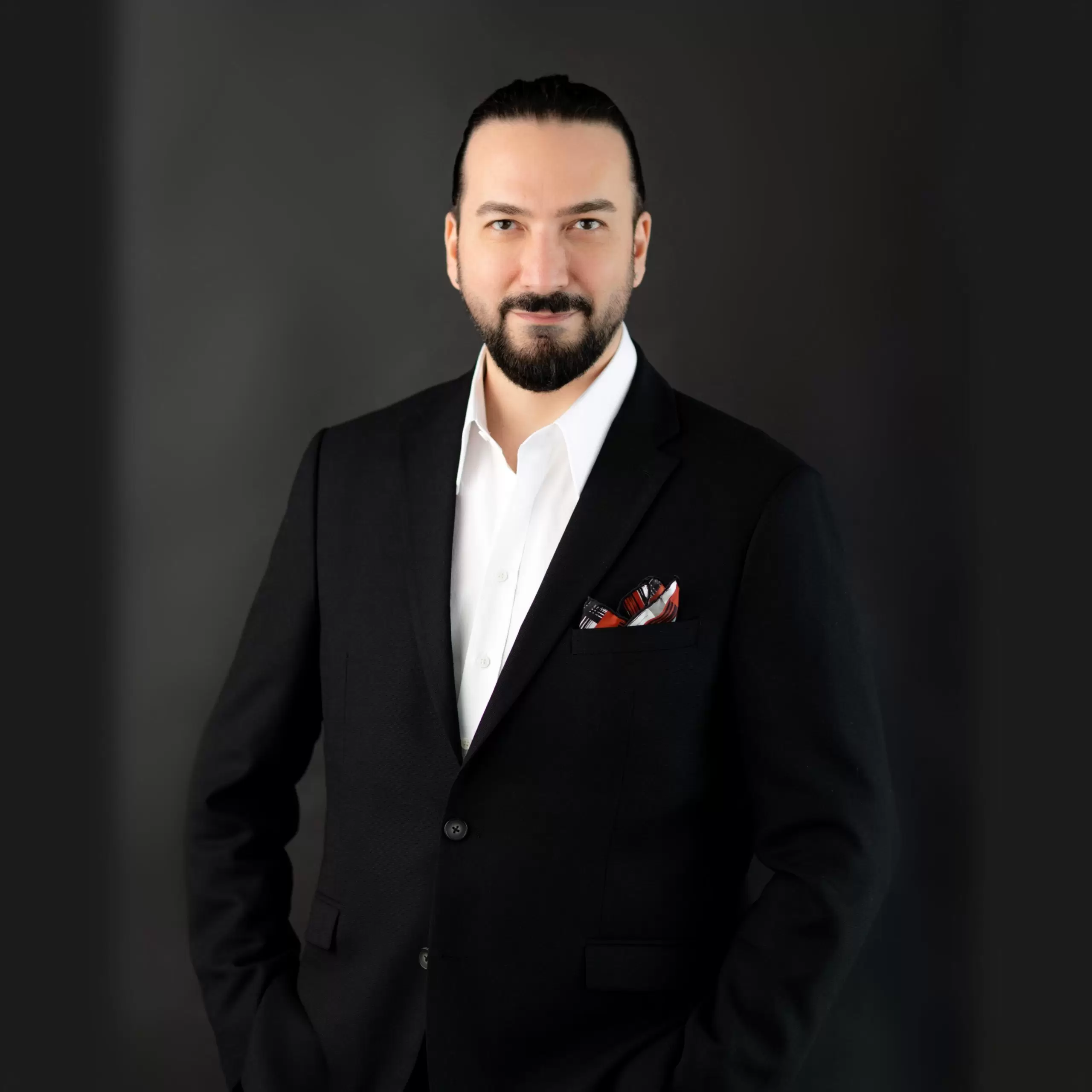
Prof. Dr. Murat Songu – Rhinoplasty (Nose Aesthetics) Specialist
Prof. Dr. Murat Songu was born in 1976 in Izmir and completed his medical education at the Ege University Faculty of Medicine. He then completed his residency training in the Department of Otorhinolaryngology at Celal Bayar University. Between 2005 and 2006, he received advanced training in rhinoplasty, functional nasal surgery, and skull base surgery in Bordeaux, France, working with leading rhinologists such as Prof. Vincent Darrouzet and Dr. Guy Lacher.
Prioritizing natural appearance, the preservation of breathing function, and facial aesthetic harmony, Prof. Dr. Songu is nationally and internationally recognized for his expertise in open rhinoplasty, piezo (ultrasonic) rhinoplasty, revision rhinoplasty, tipplasty, and functional septorhinoplasty. He has participated as an instructor and speaker at numerous rhinoplasty congresses worldwide.
With over 100 scientific publications, book chapters, and more than 1700 citations, Prof. Dr. Murat Songu is one of Türkiye’s most respected academics in the field of rhinoplasty, combining natural, facially harmonious, and functional results with scientific and aesthetic excellence.