Türkçe
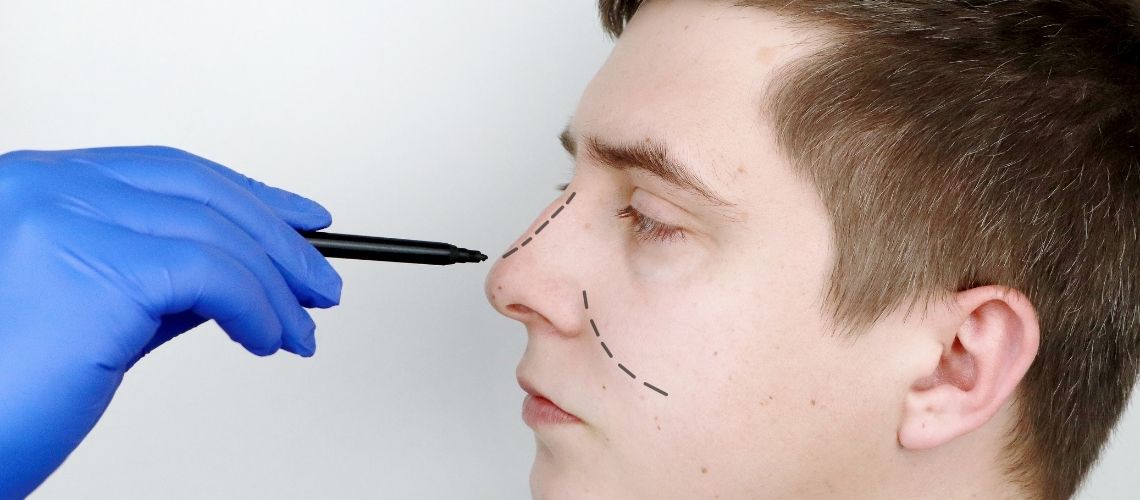
Turkey is popular in rhinoplasty because it offers a combination of experienced surgeons, technologically advanced hospitals, and accessible cost advantages. The holistic approach that focuses on both aesthetic and functional outcomes ensures that patients undergo a safe and satisfying surgical process.
Affordable rhinoplasty options make Turkey attractive for international patients. Compared to Europe and America, more economical prices are offered, while preoperative evaluation, anesthesia, and postoperative follow-up processes are conducted in accordance with modern medical standards.
An experienced surgical team and specialized clinics are among the fundamental factors that increase surgical success. Mastery of nasal anatomy, personalized surgical planning, and addressing functional improvements together with aesthetic design enable natural and balanced results to be achieved.
Medical tourism infrastructure and accreditation standards increase Turkey’s preference rate in rhinoplasty. International patient coordination units, multilingual consultation services, and comprehensive postoperative follow-up protocols contribute to managing the process safely and systematically.
Medical and Surgical Challenges of Rhinoplasty
The nose is a three-dimensional anatomical structure located at the center of the face and composed of both bone and cartilage tissue. It is also associated with sensitive regions involved in respiratory function, such as the nasal passages, septum (the nasal midline partition), turbinate structures, and the internal nasal valve.
During rhinoplasty, not only the aesthetic appearance but also:
- Nasal airflow
- Presence of septal deviation
- Turbinate hypertrophy (enlargement of the nasal turbinates)
- Nasal valve insufficiency
functional parameters such as these are also evaluated.
The widespread practice of rhinoplasty in Turkey has enabled surgeons to gain extensive case experience with this complex anatomical structure. A high number of cases may provide a significant advantage in terms of surgical foresight and complication management.
Surgical Experience and Technical Diversity
In Turkey, ear, nose, and throat (ENT) specialists have intensive clinical practice in rhinoplasty. Different surgical approaches, such as open rhinoplasty (performed with a columellar incision) and closed rhinoplasty (performed with incisions made inside the nose), are planned according to the patient’s anatomical characteristics.
In addition:
- Revision rhinoplasty (corrective surgery in patients who have previously undergone surgery)
- Functional rhinoplasty
- Piezo surgery (ultrasonic bone reshaping)
- Structural rhinoplasty techniques
advanced applications such as these are also widely performed.
The wide variety of techniques makes it possible to carry out individualized surgical planning for each patient. However, not every technique is suitable for every patient; the surgical decision-making process necessarily requires detailed examination and analysis.
Facial Analysis and Aesthetic Planning Approach
Rhinoplasty does not merely mean reducing or lifting the nose. In the modern approach, the aim is to achieve a nose that appears natural and harmonious with facial proportions.
During the surgical planning process:
- Golden ratio analyses of the face
- Nasolabial angle
- Nasal dorsum projection
- Skin thickness
- Cartilage strength
factors such as these are evaluated.
In many centers in Turkey, digital simulation systems are used before surgery. These systems help in understanding the patient’s expectations; however, simulation images do not constitute a “guarantee.” Surgical results are influenced by variables such as the individual healing process, tissue characteristics, and biological response.
Healthcare Infrastructure and International Patient Experience
In Turkey, private hospitals and accredited healthcare institutions have modern operating room standards and anesthesia safety protocols. In rhinoplasty surgeries performed under general anesthesia, patient safety is the highest priority.
In addition, Turkey’s well-developed organizational structure in health tourism is one of the reasons international patients prefer it. Preoperative evaluation, the surgical process, and postoperative follow-up planning are carried out systematically.
However, the surgical decision should not be made solely based on popularity or travel convenience. The patient’s general health status, psychological expectations, and functional needs should be evaluated in detail.
Frequency of Functional Problems
Another reason rhinoplasty is widespread in Turkey is the frequent occurrence of functional nasal problems in addition to aesthetic concerns. Septal deviation, chronic nasal obstruction, post-traumatic deformities, and congenital (present at birth) nasal shape abnormalities are important reasons for consultation.
For example, septal deviation can disrupt nasal airflow, leading to:
- Mouth breathing
- Snoring
- Impaired sleep quality
- Decreased exercise tolerance
symptoms such as these.
In such cases, aesthetic and functional corrections may be planned in the same session. However, combined surgery may not be suitable for every patient; individual evaluation is essential.
Experience in Revision Surgery
Revision rhinoplasty is considered more complex than primary (first-time) surgery. Fibrosis (scar tissue), cartilage loss, or structural weakness may be present in previously operated tissue. Therefore, it requires advanced surgical experience.
In Turkey, the high number of cases has contributed to the development of experience in revision surgery as well. However, the risk profile of revision surgeries is different, and the healing process may be more variable. For this reason, it is important to evaluate patients with realistic expectations.
Cost Factor and Misconceptions
The cost factor also plays a role in Turkey being preferred in the field of rhinoplasty. However, low cost does not mean low quality; likewise, a high price does not automatically mean better results.
Points to consider during the surgical selection process:
- The specialist’s branch and experience
- Hospital conditions
- The planning process of the surgery
- Postoperative follow-up system
Rhinoplasty is a serious surgical procedure that affects functional outcomes as well as aesthetic ones. Therefore, the decision-making process should not be based solely on economic criteria.
Psychological and Sociocultural Factors
Facial aesthetics may influence an individual’s self-confidence and social interactions. Since the nose is located at the center of the face, it plays a determining role in aesthetic perception. In Turkey, the high proportion of young population and the increasing social awareness of aesthetic surgery also affect the prevalence of rhinoplasty.
However, the psychological dimension of aesthetic surgery should not be overlooked. In cases such as body dysmorphic disorder, surgical intervention may not be appropriate. Therefore, psychological evaluation may be recommended for some patients.
Frequently Asked Questions
Why do international patients choose Turkey for rhinoplasty more often than many other countries?
How does the cost of rhinoplasty in Turkey compare with prices in Europe and North America?
What makes Turkish rhinoplasty surgeons internationally recognized in aesthetic surgery?
Can patients expect natural-looking rhinoplasty results in Turkey?
How long should international patients stay in Turkey after rhinoplasty surgery?
Are rhinoplasty clinics in Turkey equipped with modern medical technology?
What types of rhinoplasty procedures are commonly performed in Turkey?
How important is postoperative care when having rhinoplasty in Turkey?
Are there risks associated with traveling abroad for rhinoplasty in Turkey?
What should patients consider before booking a rhinoplasty procedure in Turkey?
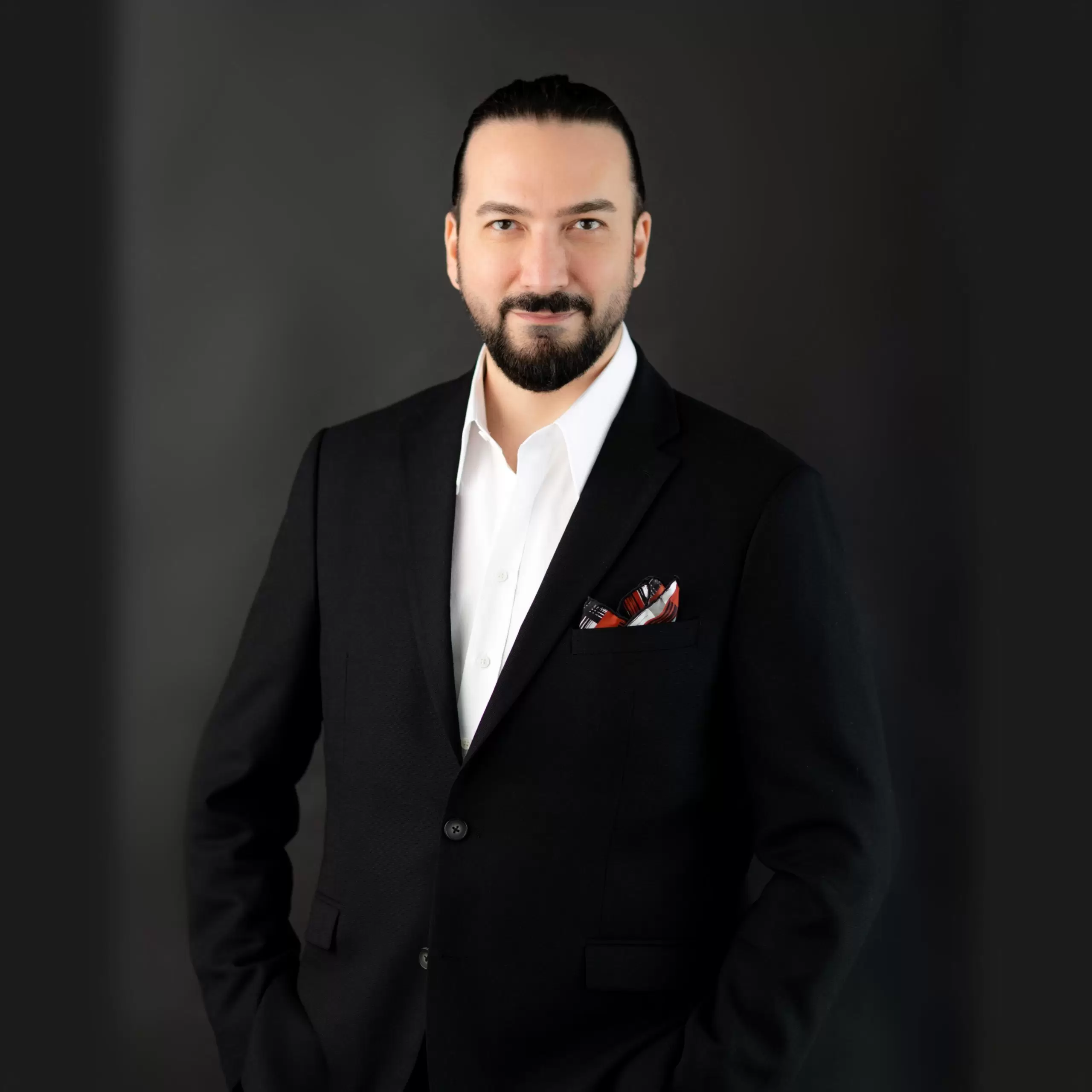
Prof. Dr. Murat Songu – Rhinoplasty (Nose Aesthetics) Specialist
Prof. Dr. Murat Songu was born in 1976 in Izmir and completed his medical education at the Ege University Faculty of Medicine. He then completed his residency training in the Department of Otorhinolaryngology at Celal Bayar University. Between 2005 and 2006, he received advanced training in rhinoplasty, functional nasal surgery, and skull base surgery in Bordeaux, France, working with leading rhinologists such as Prof. Vincent Darrouzet and Dr. Guy Lacher.
Prioritizing natural appearance, the preservation of breathing function, and facial aesthetic harmony, Prof. Dr. Songu is nationally and internationally recognized for his expertise in open rhinoplasty, piezo (ultrasonic) rhinoplasty, revision rhinoplasty, tipplasty, and functional septorhinoplasty. He has participated as an instructor and speaker at numerous rhinoplasty congresses worldwide.
With over 100 scientific publications, book chapters, and more than 1700 citations, Prof. Dr. Murat Songu is one of Türkiye’s most respected academics in the field of rhinoplasty, combining natural, facially harmonious, and functional results with scientific and aesthetic excellence.