Türkçe
 Deutsch
Foods that help reduce edema after nasal surgery contribute to accelerating the healing process. Fruits and vegetables rich in vitamin C, in particular, support connective tissue and help swelling decrease more quickly. Oranges, kiwis, and strawberries are beneficial in this regard.
Pineapple and foods containing the bromelain enzyme contribute to reducing edema thanks to their anti-inflammatory properties. When consumed regularly, they provide noticeable benefits during the healing process. Pineapple juice is also a frequently recommended alternative.
Green leafy vegetables accelerate tissue recovery through their antioxidant effects. In addition, drinking plenty of water helps remove toxins from the body. This allows postoperative edema to subside in a shorter period.
Avoiding salty foods prevents fluid retention in the body. At the same time, maintaining a regular and balanced diet strengthens the immune system and supports the healing process. In this way, swelling after nasal surgery disappears more quickly.
Food Recommendations for Reducing Edema
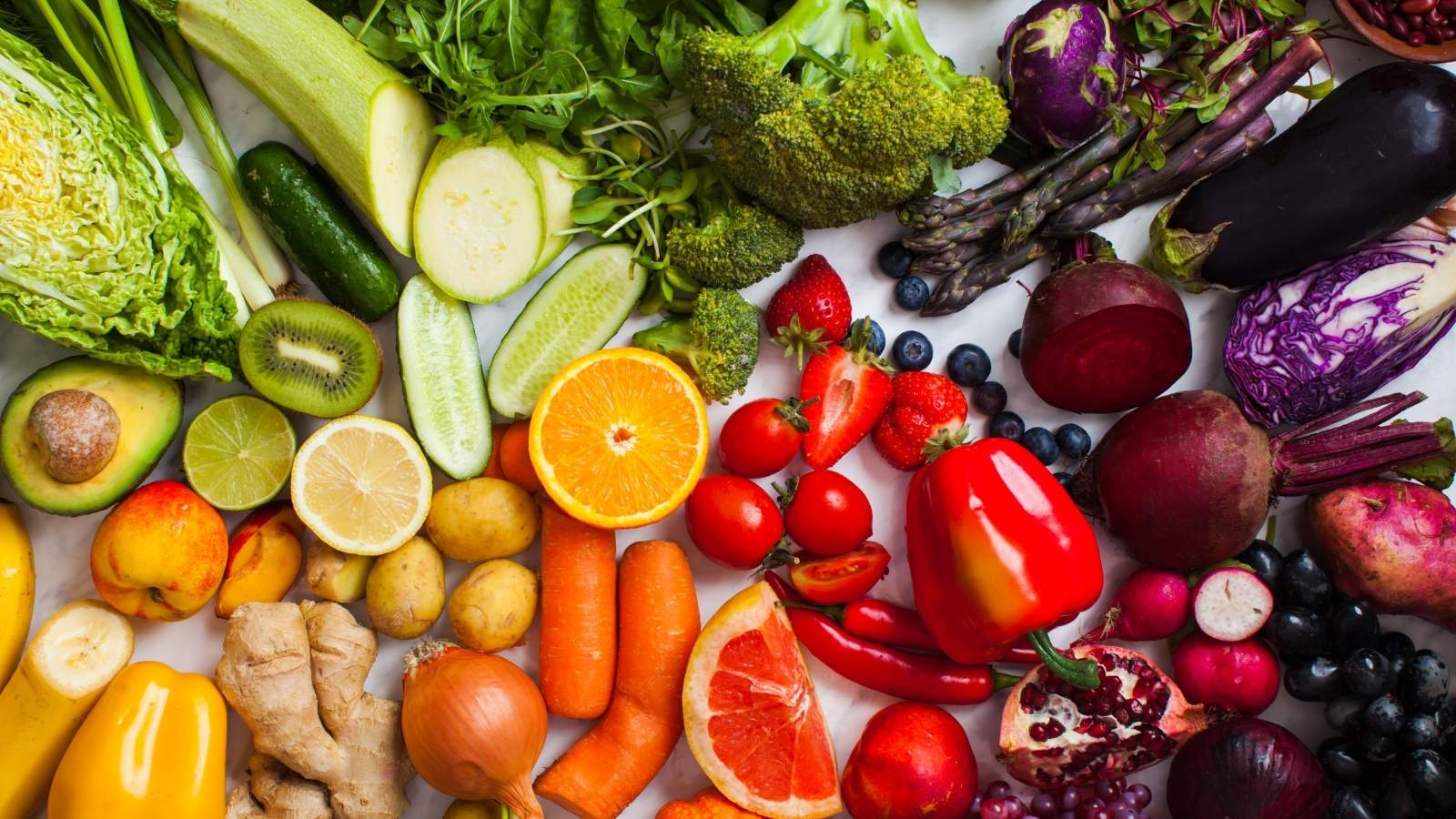
Edema is a common problem during the period after nasal surgery. During this process, changes made to the diet are of great importance in reducing edema. First, consuming foods with anti-inflammatory properties is beneficial. These include:
- Pineapple reduces edema thanks to the bromelain enzyme.
- Green tea is rich in antioxidants and helps prevent inflammation.
- Watermelon helps remove excess fluids from the body.
In addition to these foods, fish rich in omega-3 fatty acids are also recommended. Fish, especially varieties such as salmon and mackerel, accelerate the healing process. Vegetables with a high water content are also effective in reducing swelling in the body. Vegetables such as celery and cucumber function as natural diuretics. Water consumption also becomes important during this period. Adequate water helps remove toxins from the body and relieve edema. These dietary adjustments create positive effects both in controlling edema and in the overall healing process.
The Contribution of Nutrition to the Healing Process
During the period after rhinoplasty, foods that help reduce edema are of great importance for the body. Foods rich in antioxidants, vitamins, and minerals should especially be preferred. These foods, which accelerate the healing process, also reduce inflammation in the body. For example:
- Fruits high in vitamin C (oranges, mandarins, grapefruit) help repair tissues.
- Foods rich in omega-3 fatty acids (salmon, walnuts) reduce inflammation.
- Green leafy vegetables (spinach, kale) provide the body with essential minerals.
While these foods increase the body’s capacity to eliminate edema, they also improve overall health. As a result, the postoperative healing process becomes more comfortable. Proper nutrition during the recovery period enables patients to recover more quickly. Therefore, careful attention should be paid to the diet.
A Faster Recovery Journey Through Healthy Nutrition
During the postoperative period, reducing edema and swelling is of great importance. To accelerate the healing process, certain changes should be made to the diet. First, it is essential to follow your doctor’s recommendations. Your personal health condition and nutritional needs play a key role in adapting the recommended diet. During this period, consuming foods with anti-inflammatory properties is recommended. Examples include:
- Fish rich in omega-3
- Fruits rich in vitamin C (oranges, mandarins)
- Green leafy vegetables (spinach, arugula)
These foods help reduce edema that may develop in the body. In addition, drinking plenty of water is an important factor in eliminating edema. A healthy nutrition program supports the postoperative healing process while enabling the body to recover more quickly. Therefore, changes to your diet should be shaped according to your personal needs in light of your doctor’s recommendations.
Foods to Avoid
After nasal surgery, it is important to accelerate the healing process and minimize the formation of edema. During this period, the consumption of certain foods should be avoided. First, salty foods may increase edema by causing water retention in the body. Therefore, such foods should be avoided. Alcohol and caffeinated beverages may similarly contribute to fluid imbalances and edema in the body. These can be listed as coffee, tea, and alcoholic beverages.
- Salty foods
- Alcohol
- Caffeinated beverages
In addition, spicy and acidic foods may irritate the mucous membrane and negatively affect the healing process. Therefore, avoiding such foods will also be beneficial. These foods include pickles, tomato sauce, and spicy snacks. In summary, avoiding the specified foods to prevent edema and accelerate healing after nasal surgery is one of the keys to a healthy recovery process.
Doctor’s Recommendations Come First
The healing process after nasal surgery is an important period that must be carefully monitored. During this process, following the nutrition program recommended by the doctor is critically important for a fast and healthy recovery. Edema formation, in particular, is one of the common problems encountered after surgery. To address this condition, the consumption of certain foods is recommended. However, since each individual’s body structure and needs are different, your doctor’s personalized recommendations take priority over general advice. Following an appropriate nutrition program during the healing process plays an important role in reducing edema and achieving faster recovery. This program generally includes the following foods:
- Fruits high in antioxidants
- Fish rich in omega-3
- Vegetables with a high water content
These foods support the body’s fight against edema and accelerate the healing process.
Frequently Asked Questions
What is the ideal sleeping position for reducing edema and swelling after nasal surgery, and how long should this position be maintained?
After nasal surgery, a sleeping position in which the head is kept above heart level is recommended to minimize edema and swelling. Sleeping on the back at an angle of approximately 30-45 degrees using two or three pillows is generally ideal. This position helps blood and lymphatic fluid in the nasal area drain more easily, preventing swelling from increasing. Sleeping on the side should be avoided, especially during the first weeks, because it may place pressure on the nose and cause asymmetrical swelling. Doctors generally recommend maintaining this sleeping position during the first 1-2 weeks after surgery, and sometimes until the swelling has noticeably decreased.
How does applying a cold compress to the nose and facial area after surgery affect edema, and how often and for how long should it be applied?
Applying a cold compress after nasal surgery helps reduce bleeding and consequently edema and bruising by constricting the blood vessels in the area. It is generally most effective when applied during the first 48-72 hours. The cold compress should not be applied directly to the skin but through a thin cloth or towel. It is recommended to apply it for periods of 15-20 minutes at a time, once every hour or at the frequency recommended by your doctor. This application both relieves pain and contributes to the faster reduction of swelling. However, excessive cold application and freezing the skin should be avoided.
Which types of exercise should be avoided after rhinoplasty, for how long, and when can exercise be resumed safely?
Following exercise restrictions during the healing process after rhinoplasty is very important to prevent increased edema and damage to the nose. During the first 2 weeks after surgery, all strenuous exercise should be avoided except for light activities such as walking. Intense sports such as weightlifting, running, and aerobics that increase blood pressure, as well as activities requiring bending over, should be postponed for at least 4-6 weeks. Activities that carry a risk of impact to the nose, such as contact sports and ball games, can generally be resumed after 3-6 months with the doctor’s approval. It is important to increase the activity level gradually and listen to the body’s responses.
How does smoking after nasal surgery affect the healing process and edema, and how long should smoking be avoided?
Smoking seriously and negatively affects the healing process and edema after nasal surgery. Nicotine causes the blood vessels to constrict, reducing the amount of oxygen and nutrients reaching the tissues, which slows wound healing and increases the risk of infection. In addition, cigarette smoke irritates the nasal mucosa and may cause edema to last longer. Surgeons generally recommend completely stopping smoking for at least 4 weeks before and 4 weeks after surgery. Ideally, this period should be extended as much as possible or smoking should be stopped completely because smoking may reduce the quality of healing and jeopardize the aesthetic result of the operation.
What is the role of lymphatic drainage massage in reducing edema after rhinoplasty, and by whom and when should this massage be performed?
Lymphatic drainage massage after rhinoplasty is a gentle massage technique that helps manually move accumulated lymphatic fluid away from the surgical area and remove it from the body. In this way, it may contribute to reducing edema and swelling more quickly. However, this massage must be performed by a physiotherapist or specialist who is trained and experienced in this field. It can generally be started 1-2 weeks after surgery with the doctor’s approval. Incorrect or forceful massage may increase edema or damage the healing tissues. Therefore, if lymphatic drainage massage is being considered, the surgeon must be consulted and the process should be carried out under their guidance.

Prof. Dr. Murat Songu – Burun Estetiği (Rinoplasti) Uzmanı
Prof. Dr. Murat Songu, 1976 yılında İzmir’de doğmuş, tıp eğitimini Ege Üniversitesi Tıp Fakültesi’nde tamamladıktan sonra Celal Bayar Üniversitesi Kulak Burun Boğaz Anabilim Dalı’nda uzmanlık eğitimini tamamlamıştır. 2005–2006 yıllarında Fransa’nın Bordeaux kentinde Prof. Vincent Darrouzet ve Dr. Guy Lacher gibi rinoloji alanının önde gelen cerrahlarıyla çalışarak rinoplasti, fonksiyonel burun cerrahisi ve kafa tabanı cerrahisi üzerine ileri eğitim almıştır.
Burun estetiğinde doğal görünüm, nefes fonksiyonunun korunması ve yüz estetiği dengesini ön planda tutan Prof. Dr. Songu, açık teknik rinoplasti, piezo (ultrasonik) rinoplasti, revizyon rinoplasti, burun ucu estetiği ve fonksiyonel septorinoplasti operasyonlarında ulusal ve uluslararası düzeyde tanınan bir cerrahtır. Yurt içi ve yurt dışında çok sayıda rinoplasti kongresinde eğitici ve konuşmacı olarak yer almış; yüz estetiği ve burun cerrahisinde modern tekniklerin yaygınlaşmasına öncülük etmiştir.
100’den fazla bilimsel yayını, kitap bölümü yazarlıkları ve 1700’ü aşkın uluslararası atfıyla rinoplasti alanında Türkiye’nin en saygın akademisyenlerinden biri olan Prof. Dr. Murat Songu, doğal, yüzle uyumlu ve fonksiyonel sonuçlar hedefleyen cerrahi yaklaşımıyla hem bilimsel hem estetik başarıları bir araya getirmektedir.