Türkçe
Doctor recommendations after nasal surgery are extremely important for ensuring that both aesthetic and functional recovery are completed healthily. During the first week, movements should be made carefully because of the tampons placed inside the nose and the external splints; the head should not be kept lowered, and rest should be prioritized.
Among the precautions to be taken during the first days are cleaning the nose in the recommended manner to reduce the risk of bleeding and avoiding heavy lifting and bending over. The mouth should be kept open while sneezing, and the nose should never be wiped. Cold applications are effective in reducing edema.
Nutrition and environmental factors also affect recovery. Extremely hot foods and beverages should be avoided, and salt consumption should be reduced. Smoking and alcohol should be discontinued because they delay healing, and dusty environments should be avoided. Hygiene rules should be followed carefully.
Regular follow-ups and check-ups ensure that the healing process progresses healthily. Check-ups should not be neglected so that splints and sutures can be removed on time and possible signs of infection can be detected early. Strict adherence to the doctor’s instructions is the foundation of permanent and successful results.
What Are the First Days After Surgery Like?
The first few days after surgery are a period during which the body’s natural responses to the surgical intervention are observed. Swelling around the nose, mild pain, bruising, and a feeling of fullness are common. Doctors state that these findings are generally temporary and may vary from person to person.
Rest is the priority during this period. Keeping the head slightly above heart level may help prevent swelling from increasing, especially during the first days. Most patients state that pain and discomfort remain at a manageable level when they take the prescribed medications regularly.
Pay Attention to Internal and External Nasal Protectors
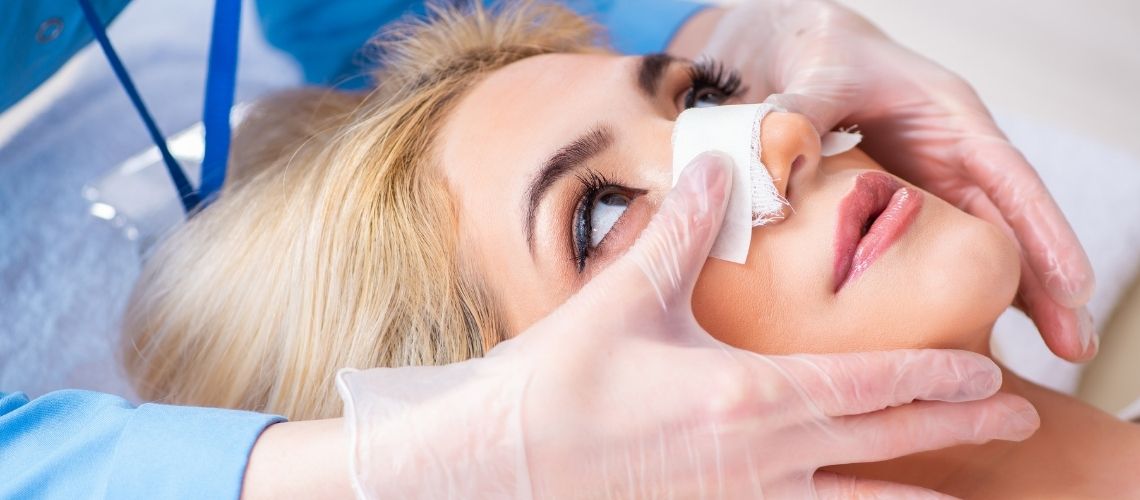
After nasal surgery, splints or plaster-like protectors are generally placed over the nose. In some patients, silicone splints or tampons may also be used inside the nose for support. Doctors particularly emphasize that these materials should not be removed by the patient.
It is important to keep the splints or bandages dry and protect them from impacts. Since patients may touch the nasal area unconsciously during daily life, being mindful of this supports the healing process. Only the physician decides when and how the protectors will be removed.
Coping with Swelling and Bruising
Swelling and bruising are among the most frequently asked-about issues after nasal surgery. Doctors generally recommend applying cold compresses in a controlled manner during the first days. The cold compress should be applied to the cheeks and around the eyes, not directly over the nose.
These symptoms are reported to decrease significantly within a few weeks, although it may take months for the nasal tissues to settle completely. Knowing that the change patients see when looking in the mirror may evolve over time is important for managing expectations.
Nutrition and Fluid Intake
Postoperative nutrition is one of the supportive elements of the healing process. During the first days, it is recommended to avoid hard foods that are difficult to chew. Soft and lukewarm foods are preferred. Extremely hot foods and beverages are generally not recommended because they may increase sensitivity in the tissues inside the nose.
Adequate fluid intake contributes to the body’s recovery. However, the use of straws may be restricted by doctors because it can increase pressure inside the mouth and nose. The nutrition plan is arranged according to the patient’s general health condition.
Returning to Daily Life and Work
The time required to return to daily life after nasal surgery varies from person to person. Patients working at desk jobs can generally return to work sooner, while this period may be longer for occupations requiring physical effort. Doctors recommend avoiding heavy lifting and sudden movements during the first weeks.
Sports and exercise are also among the frequently asked-about topics. Light walking may generally be permitted during the early period, while a longer waiting period may be required for intense sports and activities involving a risk of contact. This decision is made by the physician according to the patient’s recovery status.
Nasal Cleaning and Hygiene
Cleaning after nasal surgery requires care. Blowing the nose is not recommended, especially during the first weeks. Seawater sprays or special solutions provided by doctors may help clean the inside of the nose gently.
The sensation of crusting may cause discomfort; however, forcibly removing these crusts may damage the tissue. Therefore, cleaning procedures must be performed exactly as explained by the doctor. Following hygiene rules reduces the risk of infection.
Sleeping Position and Daily Habits
Sleeping position is an important detail during the healing process. Sleeping on the back and keeping the head slightly elevated may help control edema. Sleeping on the side or face down is generally not recommended because these positions may place unintended pressure on the nose.
Daily habits are also reviewed during this period. Patients who wear glasses may receive special recommendations on how to use them without placing pressure on the nose. Smoking and alcohol consumption may also need to be restricted because they can negatively affect tissue healing.
The Importance of Check-Ups and Being Patient
Doctor check-ups after nasal surgery are extremely important for ensuring that the process progresses healthily. During these check-ups, the inside and outside of the nose are evaluated, the patient’s questions are answered, and care recommendations are updated if necessary. Since every patient’s recovery rate is different, it is healthier to focus on one’s own process rather than making comparisons.
Fully evaluating the shape of the nose and breathing function may take time. Doctors frequently emphasize that the final result emerges over several months and that patience is required during this process. Having realistic expectations is an important factor that increases patient satisfaction.
When Should You Consult a Doctor?
During the postoperative period, some symptoms may fall outside the expected course. In cases such as increasing pain, severe bleeding, high fever, or sudden changes in shape, it is recommended to consult the doctor without delay. These conditions do not occur in every patient, but remaining attentive is important.
Doctor recommendations after nasal surgery provide a general roadmap. However, every patient’s condition is unique, and clinical decisions are made through individual assessment. Therefore, the most accurate information and guidance should always be obtained from the physician who performed the surgery.

Prof. Dr. Murat Songu – Burun Estetiği (Rinoplasti) Uzmanı
Prof. Dr. Murat Songu, 1976 yılında İzmir’de doğmuş, tıp eğitimini Ege Üniversitesi Tıp Fakültesi’nde tamamladıktan sonra Celal Bayar Üniversitesi Kulak Burun Boğaz Anabilim Dalı’nda uzmanlık eğitimini tamamlamıştır. 2005–2006 yıllarında Fransa’nın Bordeaux kentinde Prof. Vincent Darrouzet ve Dr. Guy Lacher gibi rinoloji alanının önde gelen cerrahlarıyla çalışarak rinoplasti, fonksiyonel burun cerrahisi ve kafa tabanı cerrahisi üzerine ileri eğitim almıştır.
Burun estetiğinde doğal görünüm, nefes fonksiyonunun korunması ve yüz estetiği dengesini ön planda tutan Prof. Dr. Songu, açık teknik rinoplasti, piezo (ultrasonik) rinoplasti, revizyon rinoplasti, burun ucu estetiği ve fonksiyonel septorinoplasti operasyonlarında ulusal ve uluslararası düzeyde tanınan bir cerrahtır. Yurt içi ve yurt dışında çok sayıda rinoplasti kongresinde eğitici ve konuşmacı olarak yer almış; yüz estetiği ve burun cerrahisinde modern tekniklerin yaygınlaşmasına öncülük etmiştir.
100’den fazla bilimsel yayını, kitap bölümü yazarlıkları ve 1700’ü aşkın uluslararası atfıyla rinoplasti alanında Türkiye’nin en saygın akademisyenlerinden biri olan Prof. Dr. Murat Songu, doğal, yüzle uyumlu ve fonksiyonel sonuçlar hedefleyen cerrahi yaklaşımıyla hem bilimsel hem estetik başarıları bir araya getirmektedir.