Türkçe
 Deutsch
Protecting the nose from impacts after rhinoplasty is the most critical factor during the healing process. The nasal bones and cartilage structures are sensitive, so trauma should be avoided during the first months. Acting carefully reduces the risk of complications.
Sports activities, being squeezed in crowded environments, and severe impacts may distort the shape of the nose. Therefore, movements should be controlled during the healing process. Being careful, especially during the first 6 months, is of great importance.
Sleeping on the side or putting pressure on the nose at night may also lead to undesirable results. Therefore, sleeping on the back contributes to the safe progression of healing.
Care should also be taken in daily life to protect the nose from impacts. Taking protective precautions during close contact with children, playing with pets, or exercising makes the healing process safer.
Protective Measures That Should Be Taken After Rhinoplasty
Rhinoplasty is an operation that significantly affects the facial beauty of individuals. The postoperative healing process directly affects the success of the result. Therefore, it is vital for patients to protect the nasal area from impacts. The first 12 weeks are a period that requires particular attention. During this period:
- Sports requiring physical contact should be avoided.
- Activities that carry a risk of impact to the facial area should be avoided.
In addition, to prevent swelling:
- Activities that expose the body to high heat, such as saunas and solariums, should be avoided.
- Situations involving heat exposure, such as sunbathing and steam baths, should be minimized.
However, light exercises and water sports such as swimming may be performed 3 weeks after the operation. Such activities may accelerate the healing process and positively affect the result of the aesthetic operation. Strictly following the doctor’s recommendations during this process is critically important for successful healing.
Protective Precautions to Consider After Rhinoplasty
The success of rhinoplasty surgery is closely related to the precautions taken during the postoperative period. After surgery, the nose becomes highly sensitive to impacts. Therefore, patients are advised to apply the following protective methods:
- It is essential to avoid activities that carry a risk of impact during the first 12 weeks.
- Sports requiring physical contact should be avoided.
- It should be remembered that any impact to the facial area may negatively affect the healing process.
Environments involving heat exposure:
- Sauna
- Solarium
- Sunbathing
- Steam bath
These environments should be avoided for 12 weeks. On the other hand, some physical activities may be performed 3 weeks after surgery.
- Swimming
- Individual exercises
The precautions taken during this process are critically important for supporting the healing of the nasal structure and preserving the successful results of the operation.
Common Complications and the Healing Process After Rhinoplasty
There are some common conditions that patients may experience after rhinoplasty surgery. Mild or moderate pain is one of the most frequently encountered conditions. This pain is generally expected to decrease within three days. During the postoperative period, especially within the first two days, swelling and bruising may be observed. The area where swelling is most noticeable is generally around the eyes. Bruising may be more prominent around the cheeks. In addition, bloody discharge from the nose after the operation is also normal.
- Swelling and bruising: More noticeable during the first days and decrease over time.
- Pain: Usually mild or moderate and subsides within three days.
- Bloody nasal discharge: A common condition after the operation that resolves over time.
These symptoms are a natural part of the patient’s healing process. Each patient’s experience may be different, so the observed changes may vary from person to person. Over time, these symptoms decrease, indicating that the healing process is progressing positively. During this process, it is important to follow the doctor’s recommendations and attend the necessary check-ups.
Precautions and Protection Methods After Rhinoplasty
The precautions that should be taken after rhinoplasty directly affect the patient’s healing process. Avoiding the use of glasses during the first 3 months requires being careful against any pressure that may be placed on the bridge of the nose. During this period, patients may use contact lenses as an alternative. In addition, during the first three weeks after the operation:
- Avoiding strenuous exercise,
- Avoiding demanding movements such as lifting and stretching,
is extremely important. During this period, you should allow yourself the necessary time for the wounds to heal and make sure to rest. Strenuous activities may cause the wounds to reopen or delay healing. Even if you do not feel any pain in your nose while exercising, it is important to avoid impacts in particular because the nose is still sensitive and vulnerable to damage. During the period after rhinoplasty, the risk of accidental impact from children and pets should be taken into consideration. Developing protective methods against these risks positively affects the healing process. Although sensitivity to impacts continues for several months after rhinoplasty, it is rare for such collisions to cause serious consequences. However, if a serious impact occurs, the results of the operation may be negatively affected. The precautions taken during this process support the patient’s healthy recovery.
Protective Precautions to Be Taken After Rhinoplasty
After rhinoplasty, patients need to pay attention to many points. First of all, special masks may be used to protect the nasal area from impacts. These masks provide effective protection, especially in sports that carry a risk of impact. It is very important for patients to obtain detailed information from their surgeons during the postoperative period. Surgeons inform patients about the risks and the precautions that should be taken. Throughout the healing process, activities that may damage the nose must be avoided. If the nose is struck during this period, a cold compress should be applied. However, in some cases, impacts may lead to problems such as bruising, swelling, or fractures in the nasal structure. If your nose receives a serious impact, you may need to consult your surgeon to determine the damage and the necessary interventions. In such a case, revision rhinoplasty may be required. You can understand whether the damage caused by the impact is permanent and whether an additional intervention is necessary by consulting your surgeon. The precautions that should be taken after rhinoplasty are as follows:
- Using a special protective mask while exercising
- Regular communication and consultation with the surgeon
- Avoiding risky activities to prevent impacts
- Applying a cold compress immediately after an impact
- Evaluating the need for surgical intervention after serious impacts.
F.A.Q.
What happens if the nose is hit after nose surgery?
After nose surgery, the nose becomes more sensitive to impacts. Minor impacts are generally harmless. However, a severe impact may cause serious damage. The nose should be protected until the full healing process is complete. A sufficiently severe injury may cause problems even after healing.
My hand hit my nose after nose surgery; should I see a doctor?
A mild impact to the nose after nose surgery may be concerning. Contacting the doctor is always helpful. It is important to detect a possible problem early. If the situation does not feel urgent, ice may be applied after the impact. Applying ice helps reduce possible swelling and bruising.
Does the shape of the nose change after an impact?
Impacts to the nose may generally cause the shape of the nose to change. This occurs due to damage to the nasal cartilage or bones. Surgical intervention may be required to repair the damaged nasal tissues.
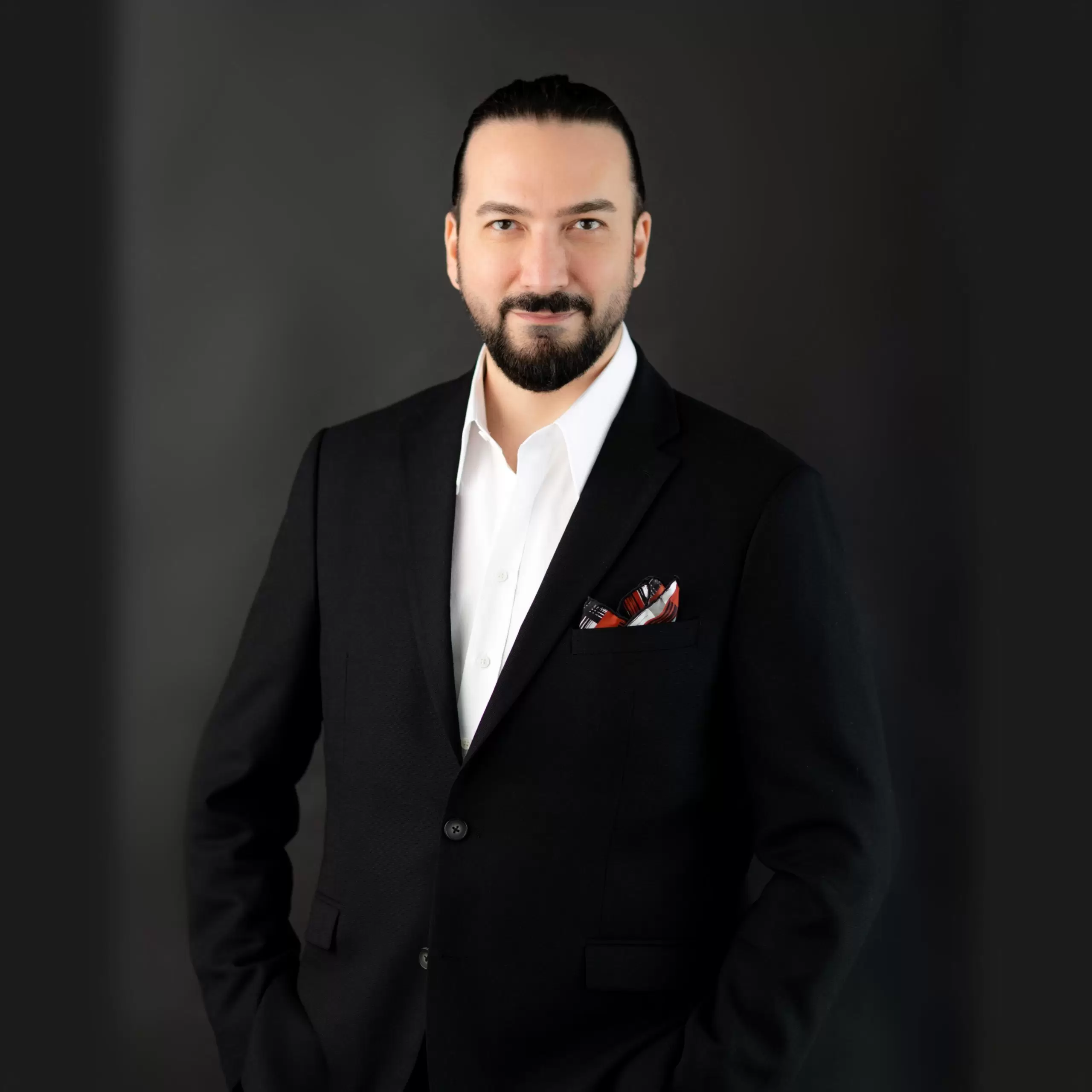
Prof. Dr. Murat Songu – Rhinoplasty (Nose Aesthetics) Specialist
Prof. Dr. Murat Songu was born in 1976 in Izmir and completed his medical education at the Ege University Faculty of Medicine. He then completed his residency training in the Department of Otorhinolaryngology at Celal Bayar University. Between 2005 and 2006, he received advanced training in rhinoplasty, functional nasal surgery, and skull base surgery in Bordeaux, France, working with leading rhinologists such as Prof. Vincent Darrouzet and Dr. Guy Lacher.
Prioritizing natural appearance, the preservation of breathing function, and facial aesthetic harmony, Prof. Dr. Songu is nationally and internationally recognized for his expertise in open rhinoplasty, piezo (ultrasonic) rhinoplasty, revision rhinoplasty, tipplasty, and functional septorhinoplasty. He has participated as an instructor and speaker at numerous rhinoplasty congresses worldwide.
With over 100 scientific publications, book chapters, and more than 1700 citations, Prof. Dr. Murat Songu is one of Türkiye’s most respected academics in the field of rhinoplasty, combining natural, facially harmonious, and functional results with scientific and aesthetic excellence.