Deutsch
 Nederlands
 العربية
 Español
 Svenska
Undergoing a second revision rhinoplasty can often stir concerns, given the complexity associated with revision surgeries. Nonetheless, in the hands of a skilled surgeon, these procedures can be safely navigated. Revision rhinoplasty, although intricate, is a domain where many surgeons excel. Despite the challenges, a well-executed revision can yield satisfactory results. Therefore, patients considering a second revision should not be deterred. The key lies in selecting a surgeon with a proven track record in such operations. This ensures that the complexities are well-managed, leading the way for a successful outcome.
| Definition | A second revision rhinoplasty (tertiary rhinoplasty) is a surgical procedure performed after two previous rhinoplasty operations to address persistent functional or cosmetic concerns. |
| Overall Safety | A second revision rhinoplasty can be safe when carefully planned and performed on an appropriately selected patient. However, it is generally more complex and carries higher risks than both primary and first revision rhinoplasty. |
| Surgical Complexity | Previous surgeries often result in scar tissue, altered anatomy, weakened structural support, and limited remaining cartilage, making the procedure technically demanding. |
| Common Reasons | Persistent breathing problems, structural collapse, nasal asymmetry, contour irregularities, inadequate support, deformities that developed during healing, or dissatisfaction with previous results. |
| Cartilage Grafting | Additional cartilage is frequently required to rebuild nasal support. Grafts may be obtained from the nasal septum (if available), ear, or rib. |
| Potential Benefits | Improved nasal function, better structural stability, enhanced facial balance, correction of persistent deformities, and increased patient satisfaction when realistic goals are established. |
| Risks | Increased risks include prolonged swelling, bleeding, infection, scar tissue formation, persistent asymmetry, skin thinning, graft-related complications, breathing difficulties, and the possibility of requiring further surgery. |
| Healing Time | Recovery is often slower than after previous rhinoplasties. Swelling may persist for 12–24 months before the final result becomes fully visible, particularly at the nasal tip. |
| Success Factors | Outcomes depend on the quality of the remaining tissues, skin thickness, the severity of existing deformities, availability of graft material, surgical planning, and realistic patient expectations. |
| When to Consider Surgery | A second revision is generally considered only after complete healing from the previous procedure, which commonly requires at least 12 months unless there is an urgent functional indication. |
| Patient Selection | Candidates are typically individuals with significant functional impairment or well-defined structural or cosmetic problems that substantially affect quality of life and are unlikely to improve without surgery. |
| Expectation Management | The primary goal is usually meaningful improvement rather than perfection. Complete symmetry or an idealized appearance cannot be guaranteed, particularly after multiple prior surgeries. |
| Scientific Perspective | Published studies indicate that experienced surgeons can achieve significant functional and aesthetic improvements in tertiary rhinoplasty, although complication rates and technical difficulty are generally higher than in primary procedures. |
| Overall Conclusion | A second revision rhinoplasty can be a safe and effective option for carefully selected patients, but it requires thorough evaluation, realistic expectations, and an understanding that the procedure is substantially more complex than earlier rhinoplasty operations. |
Addressing Complexities and Enhancing Aesthetics in Second Revision Rhinoplasty
Second revision rhinoplasty stands as a pivotal solution for patients facing post-operative challenges from prior nose surgeries. Primarily, it addresses both functional and aesthetic concerns that may arise. Often, patients experience nasal obstruction postoperatively, typically resolving within a week. However, in cases where surgical modifications lead to increased deviation or impaired nasal functions, a second revision becomes crucial. This step is imperative especially when the patient’s quality of life is significantly affected. For purely aesthetic revisions, a mandatory waiting period of at least six months after the first surgery is advised to ensure complete healing. The range of issues that a second revision rhinoplasty can effectively address includes:
- Reshaping a pointed, excessively raised, low, or asymmetrical nose tip
- Correcting nose curvature
- Smoothing a nasal hump
- Fixing asymmetry of the nostrils
- Resolving cartilage problems
- Enhancing functional aspects for better breathing
This procedure, therefore, not only improves physical appearance but also contributes significantly to respiratory function and overall well-being.
Evaluating the Risks and Safety of Repeat Revision Rhinoplasty
A second revision rhinoplasty is not inherently dangerous when performed by an experienced surgeon. The key lies in understanding that revision surgeries are more complicated than initial ones. This is primarily because the surgical area has already undergone alterations, leaving less native tissue to work with. Thus, surgeons often need to harvest cartilage and tissues from other body parts, a technique requiring exceptional skill.
Patients should be aware of the following:
- Revision rhinoplasty aims to correct minor deformities and functional issues, rather than complete transformations.
- Expectations should be realistic; revisions can improve but not always perfect the nasal structure.
In addition, several factors contribute to the safety and success of the procedure:
- The surgeon’s expertise in handling complex revisions.
- Detailed preoperative planning to address both aesthetic and functional aspects.
- Comprehensive post-operative care to ensure optimal healing and results.
Ultimately, while second revision rhinoplasties pose challenges, they are not dangerous in the hands of a qualified and experienced surgeon. The focus should be on realistic expectations and choosing a surgeon with a track record of successful revision surgeries.
Understanding Revision Rhinoplasty Techniques
Revision rhinoplasty, a complex yet manageable procedure, can be approached through two primary techniques: open and closed. In the open method, surgeons make a small incision on the columella, lifting the skin to access nasal structures. This incision, typically unnoticeable post-surgery, allows for comprehensive visibility and manipulation of the nasal framework. Conversely, the closed approach involves incisions solely within the nose, eliminating any external scars. Each technique has its specific advantages:
- Comprehensive access to nasal structures.
- Facilitates intricate grafting and suturing.
- Preferred for significant structural revisions and complex cases.
- No external scarring.
- Reduced postoperative swelling and numbness.
The choice between open and closed methods depends on individual nasal anatomy and the extent of revisions required. Revision rhinoplasty demands meticulous attention due to changes from previous surgeries, such as altered tissue structures and potential scar tissue. Surgeons must carefully handle these complexities, often employing grafts from other body parts when nasal cartilage is insufficient. The operation’s duration varies, influenced by the specific needs and techniques employed. Ultimately, the surgeon’s expertise in anatomy, surgical techniques, and managing unexpected challenges plays a crucial role in the success of a revision rhinoplasty. The goal remains to achieve the desired outcome with a focus on patient satisfaction, ensuring that the surgeon’s role is both pivotal and final in the patient’s rhinoplasty journey.
Frequently Asked Questions
Is it safe to undergo a second revision rhinoplasty after multiple nose surgeries?
Who is a suitable candidate for a second revision rhinoplasty?
What are the risks of undergoing a second revision rhinoplasty?
How long should I wait before having a second revision rhinoplasty?
Can a second revision rhinoplasty improve breathing as well as appearance?
How long is the recovery after a second revision rhinoplasty?
What techniques are commonly used during a second revision rhinoplasty?
How do I choose the best surgeon for a second revision rhinoplasty?
Are the results of a second revision rhinoplasty permanent?
What questions should I ask before deciding on a second revision rhinoplasty?
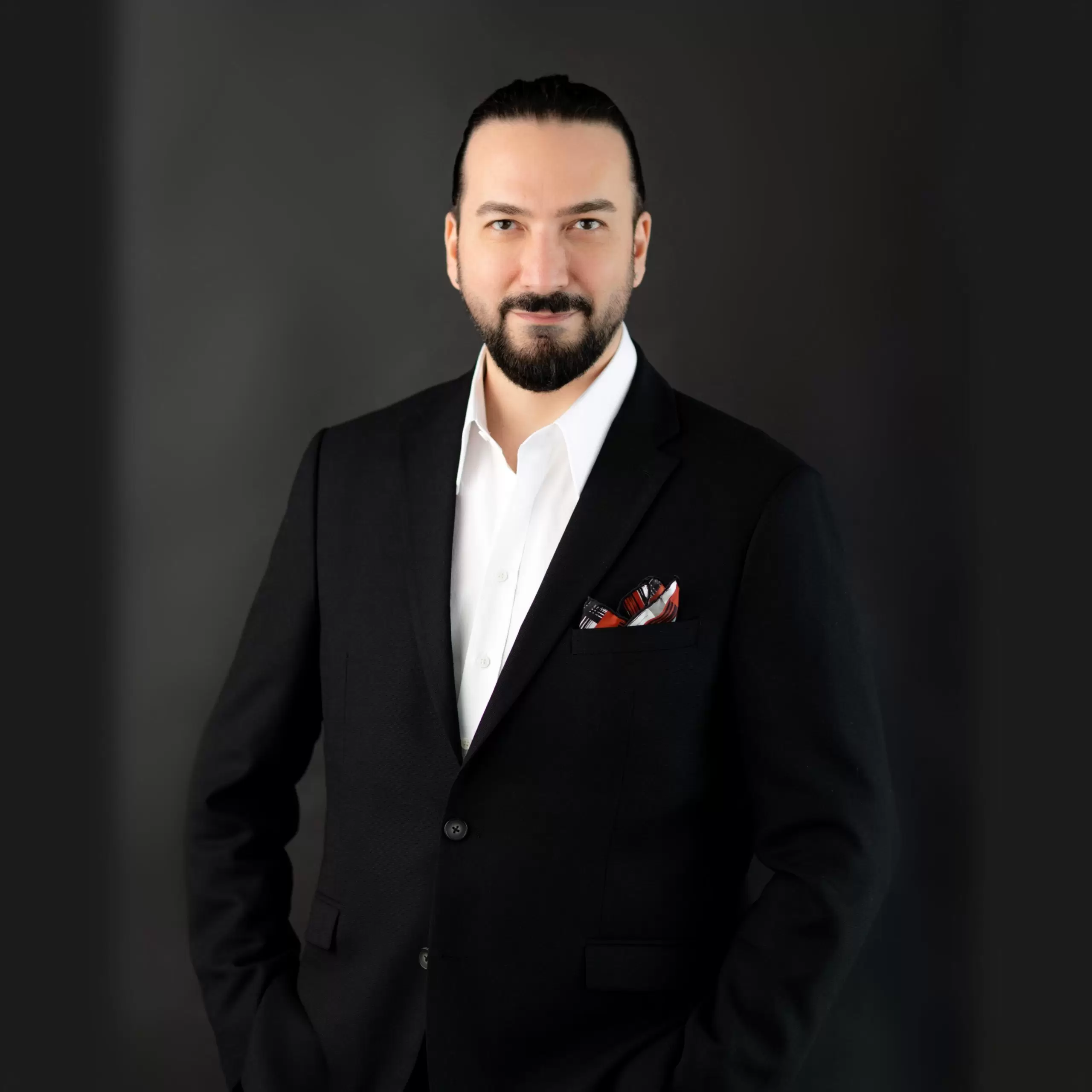
Prof. Dr. Murat Songu – Rhinoplasty (Nose Aesthetics) Specialist
Prof. Dr. Murat Songu was born in 1976 in Izmir and completed his medical education at the Ege University Faculty of Medicine. He then completed his residency training in the Department of Otorhinolaryngology at Celal Bayar University. Between 2005 and 2006, he received advanced training in rhinoplasty, functional nasal surgery, and skull base surgery in Bordeaux, France, working with leading rhinologists such as Prof. Vincent Darrouzet and Dr. Guy Lacher.
Prioritizing natural appearance, the preservation of breathing function, and facial aesthetic harmony, Prof. Dr. Songu is nationally and internationally recognized for his expertise in open rhinoplasty, piezo (ultrasonic) rhinoplasty, revision rhinoplasty, tipplasty, and functional septorhinoplasty. He has participated as an instructor and speaker at numerous rhinoplasty congresses worldwide.
With over 100 scientific publications, book chapters, and more than 1700 citations, Prof. Dr. Murat Songu is one of Türkiye’s most respected academics in the field of rhinoplasty, combining natural, facially harmonious, and functional results with scientific and aesthetic excellence.