Choosing whether to use the same surgeon for a revision rhinoplasty depends on the initial outcome and the surgeon’s expertise. If the patient maintains trust in their doctor, continuing with the same specialist may ensure consistent care and familiarity with prior procedures.
However, in cases of dissatisfaction, seeking a new surgeon with specific experience in revision rhinoplasty may be beneficial. Revision surgeries are often more complex, requiring advanced skills to correct structural and aesthetic issues.
Factors to consider include communication, transparency, and the surgeon’s willingness to address previous concerns. A second opinion can provide clarity and help the patient make an informed decision.
Ultimately, the priority should be finding a surgeon with proven expertise in revision rhinoplasty. This increases the likelihood of achieving functional improvement and aesthetically pleasing, long-term results.
| Overview | Whether you should use the same surgeon for revision rhinoplasty depends on the reason for the revision, your experience with the initial surgery, and the complexity of the correction needed. |
| When the Same Surgeon May Be Appropriate | Returning to the original surgeon may be beneficial if the outcome requires a minor adjustment, communication has been positive, and you remain confident in their expertise and follow-up care. |
| Advantages of Using the Same Surgeon | The original surgeon is familiar with your nasal anatomy, surgical technique, operative records, and postoperative healing, which may help guide the revision procedure. |
| When a Different Surgeon May Be Considered | Seeking another surgeon may be appropriate if you have lost confidence in the original surgeon, experienced significant complications, require a highly complex revision, or would like an independent assessment. |
| Importance of Revision Experience | Revision rhinoplasty is generally more technically demanding than primary rhinoplasty because of scar tissue, altered anatomy, and limited available cartilage. Experience with revision procedures is an important consideration. |
| Timing of Revision Surgery | Revision rhinoplasty is usually delayed until the nose has healed completely, often 12 months or longer after the initial surgery, unless earlier intervention is medically necessary. |
| Evaluation Before Surgery | A comprehensive assessment typically includes a physical examination, review of previous operative details if available, evaluation of nasal function, and discussion of your goals and expectations. |
| Functional Considerations | If breathing problems are present, the revision plan should address both structural support and nasal airflow in addition to cosmetic concerns. |
| Realistic Expectations | Revision surgery can often improve appearance and function, but achieving complete perfection or restoring an untouched nose may not be possible. |
| Cartilage Grafting | Some revision procedures require cartilage grafts from the nasal septum, ear, or rib to restore support or improve contour. |
| Recovery | Recovery after revision rhinoplasty is often longer than after primary rhinoplasty, with swelling resolving gradually over many months. |
| Decision-Making | The choice of surgeon should be based on experience with revision rhinoplasty, a clear understanding of your concerns, thorough communication, and a treatment plan that aligns with your goals. |
| Follow-Up Care | Regular postoperative follow-up is important to monitor healing, address concerns, and evaluate both functional and aesthetic outcomes. |
Deciphering the Motivation Behind Seeking Revision Rhinoplasty
The individual must pinpoint the root cause of their discontent with the initial surgery. This reflective process splits the reasons into two distinct categories:
- Minor aesthetic discrepancies: These include subtle irregularities like slight asymmetry or minor bumps.
- Major concerns: This category encompasses severe aesthetic flaws or functional impairments, such as difficulty breathing or significant distortion.
Should the grievances lean towards minor aesthetic details, considering the original surgeon for the revision could be advantageous. Their deep insight into the patient’s nasal structure and the nuances of the previous surgery allows for a refined and targeted approach to amendments.
Conversely, when the dissatisfaction arises from more grave concerns, the expertise of a revision rhinoplasty specialist becomes indispensable. These professionals excel in untangling the intricacies of corrective procedures, offering a path to not only cosmetic enhancement but also functional restoration.
The Essence of Transparent Conversations in Revision Rhinoplasty
Individuals must prioritize setting a comprehensive consultation meeting. This meeting serves as a crucial platform for articulating specific grievances and desired results with precision. The patient should:
- Clearly outline their expectations and areas of discontent.
- Assess the surgeon’s grasp of the case and the strategy for correction.
Engagement with the initial surgeon necessitates a frank expression of dissatisfaction. Esteemed surgeons will appreciate such honesty, integrating the feedback into a refined plan for the revision.
Similarly, when considering a new surgical expert, it is vital to convey past experiences and the rationale behind the decision for change. A proficient surgeon, whether previously acquainted or newly consulted, should:
- Actively listen to the patient’s concerns.
- Pose questions for clarification.
- Elaborately describe the revision technique, setting realistic outcome anticipations and discussing potential risks.
Should a patient ever feel their concerns are dismissed or undervalued, pursuing a second opinion becomes an essential recourse, ensuring the final decision is made with confidence and clarity.
The Importance of Credentials and Specialized Knowledge in Revision Rhinoplasty
Choosing a surgeon for revision rhinoplasty goes beyond basic qualifications. It requires a professional who holds membership in esteemed organizations, such as the Turkish Plastic, Reconstructive, and Aesthetic Surgery Association.
This ensures adherence to high standards and up-to-date practices. Furthermore, revision rhinoplasty is notably more complex than the first surgery.
The presence of scar tissue and changes in nasal structure demand a surgeon with specialized skills in revision techniques. Such expertise is vital for addressing the unique challenges and achieving the best possible outcomes. Key considerations include:
- The surgeon’s board certification, indicating rigorous training and proficiency.
- Membership in relevant professional bodies, ensuring ongoing education and ethical practice.
- Demonstrated expertise in revision rhinoplasty, highlighting experience with complex cases.
Ultimately, selecting a surgeon who excels in these areas increases the likelihood of satisfactory results, making the process smoother and more reassuring for the patient.
The Significance of Trust and Comfort in Selecting a Revision Rhinoplasty Surgeon
Navigating the decision for a revision rhinoplasty involves more than just technical considerations; it fundamentally rests on the level of trust and comfort with the surgeon. Importantly, the relationship between patient and original surgeon could dictate the initial direction of this decision.
If this bond is marked by mutual respect and understanding, revisiting the same surgeon may indeed be the best course. Conversely, a deteriorated trust or dissatisfaction from the first procedure necessitates a search for new expertise. Exploring other specialists offers:
- A chance for innovative surgical techniques
- Fresh perspectives on facial harmony
- Diverse experiences with similar cases
Ultimately, the essence of choosing a surgeon lies in feeling entirely at ease with their approach and confident in their capability to enhance one’s appearance.
This comfort level, coupled with trust in the surgeon’s expertise, forms the cornerstone of a successful revision rhinoplasty journey. Therefore, prioritizing these aspects ensures a more informed and personal decision-making process.
Navigating the Path to a Refined Rhinoplasty Revision
One must assess the journey ahead with a clear vision and trust in the process. Ensuring a successful outcome involves several critical considerations:
- Open dialogue with the surgeon is essential for aligning expectations and expressing concerns.
- Choosing a surgeon entails verifying board certification and specialized experience in revision procedures.
- Feeling at ease with the chosen professional guarantees a partnership based on trust throughout the reconstructive journey.
These steps form the cornerstone of a strategy aimed at rectifying previous surgical outcomes. Thus, armed with informed choices and a keen focus on these key aspects, individuals can step forward with confidence, anticipating a nose that not only looks more appealing but also functions better.
This methodical approach paves the way for satisfaction and contentment with the final results, marking a significant milestone in the personal and physical healing process.
Frequently Asked Questions
Should I use the same surgeon for my revision rhinoplasty after an unsatisfactory result?
Should I use the same surgeon for my revision rhinoplasty if I still trust their expertise?
Should I use the same surgeon for my revision rhinoplasty when complications have occurred?
Should I use the same surgeon for my revision rhinoplasty if communication has broken down?
Should I use the same surgeon for my revision rhinoplasty if I need complex reconstruction?
Should I use the same surgeon for my revision rhinoplasty if breathing problems remain unresolved?
Should I use the same surgeon for my revision rhinoplasty or seek a second opinion first?
Should I use the same surgeon for my revision rhinoplasty if scar tissue is a major concern?
Should I use the same surgeon for my revision rhinoplasty if the original result improved but not enough?
Should I use the same surgeon for my revision rhinoplasty and what factors should influence the decision?
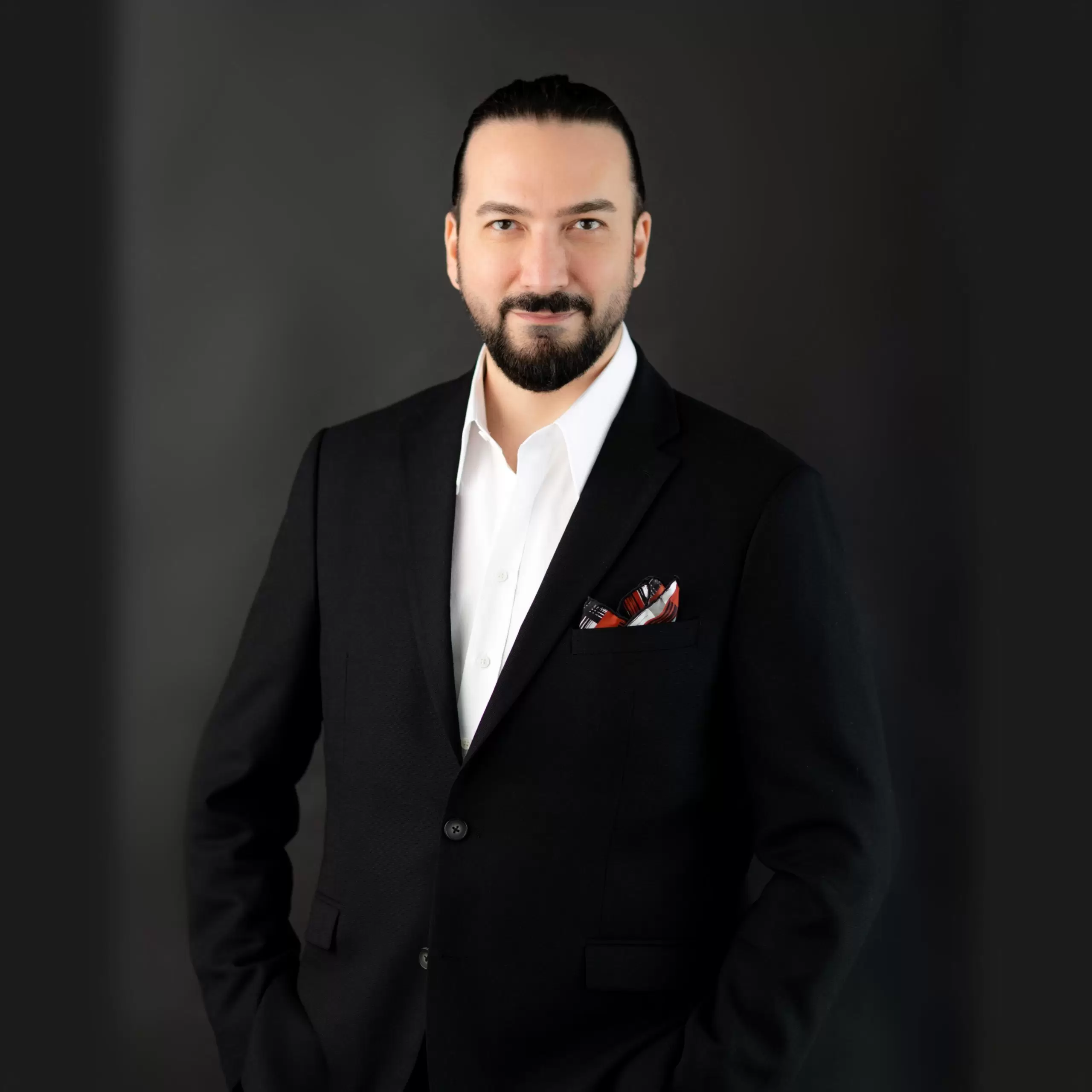
Prof. Dr. Murat Songu – Rhinoplasty (Nose Aesthetics) Specialist
Prof. Dr. Murat Songu was born in 1976 in Izmir and completed his medical education at the Ege University Faculty of Medicine. He then completed his residency training in the Department of Otorhinolaryngology at Celal Bayar University. Between 2005 and 2006, he received advanced training in rhinoplasty, functional nasal surgery, and skull base surgery in Bordeaux, France, working with leading rhinologists such as Prof. Vincent Darrouzet and Dr. Guy Lacher.
Prioritizing natural appearance, the preservation of breathing function, and facial aesthetic harmony, Prof. Dr. Songu is nationally and internationally recognized for his expertise in open rhinoplasty, piezo (ultrasonic) rhinoplasty, revision rhinoplasty, tipplasty, and functional septorhinoplasty. He has participated as an instructor and speaker at numerous rhinoplasty congresses worldwide.
With over 100 scientific publications, book chapters, and more than 1700 citations, Prof. Dr. Murat Songu is one of Türkiye’s most respected academics in the field of rhinoplasty, combining natural, facially harmonious, and functional results with scientific and aesthetic excellence.