A nose may remain crooked after revision rhinoplasty due to persistent structural issues. Scar tissue, cartilage memory, or insufficient correction can prevent full alignment.
The underlying cause often lies in the nasal septum. If not adequately addressed, deviations can continue to impact both appearance and breathing.
Postoperative healing can also affect the final outcome. Swelling, scar contraction, and tissue shifts sometimes lead to asymmetry despite proper surgical technique.
In complex cases, an additional revision may be necessary. Careful evaluation by an experienced surgeon is essential to determine the best corrective strategy.
| What Does a Crooked Nose After Revision Mean? | A nose may still appear crooked after revision rhinoplasty due to residual structural asymmetry, uneven healing, scar tissue formation, or limitations related to previous surgeries. Not every nasal deviation can be completely corrected. |
| Normal Early Healing | Swelling during the first weeks or months after surgery can temporarily make the nose appear uneven or crooked. Final alignment should not be judged until healing is complete. |
| Persistent Swelling | Swelling often resolves unevenly on each side of the nose, creating the appearance of asymmetry even when the underlying structure is straight. |
| Scar Tissue Formation | Internal and external scar tissue can pull the nasal framework during healing, contributing to recurrent deviation or an uneven appearance. |
| Pre-Existing Facial Asymmetry | Many individuals naturally have facial asymmetry. Even with a well-aligned nose, surrounding facial features may create the impression that the nose remains crooked. |
| Memory of Nasal Cartilage | Nasal cartilage has a tendency to return toward its original shape, particularly in patients with severe preoperative deviation. This phenomenon is sometimes referred to as cartilage memory. |
| Residual Septal Deviation | If part of the nasal septum remains deviated or shifts during healing, both the appearance of the nose and nasal airflow may be affected. |
| Weak Structural Support | Previously weakened or damaged cartilage may not provide enough support to maintain a perfectly straight nasal framework over time. |
| Graft Movement or Warping | Cartilage grafts used during revision surgery may occasionally shift position or change shape as they heal, affecting nasal alignment. |
| Skin Thickness | Thick skin can mask underlying refinements, while thin skin may reveal minor irregularities that make the nose appear crooked. |
| Multiple Previous Surgeries | Each additional nasal surgery increases scar tissue, alters anatomy, and reduces tissue flexibility, making complete correction progressively more difficult. |
| Functional Considerations | Persistent nasal obstruction, breathing difficulty, or internal nasal valve collapse may accompany a crooked appearance and require further evaluation. |
| When to Seek Evaluation | If the nose remains noticeably crooked after swelling has largely resolved—typically 12 to 18 months after revision surgery—or if breathing problems persist, a follow-up assessment is recommended. |
| Treatment Options | Management depends on the cause and may include observation, steroid injections for selected scar-related swelling, or additional reconstructive surgery when appropriate. |
| Overall Summary | A nose may remain crooked after revision rhinoplasty because of swelling, scar tissue, cartilage memory, residual structural deviation, graft-related changes, facial asymmetry, or the complex healing process associated with repeat nasal surgery. |
Understanding Post-Operative Swelling and Its Duration
This swelling, inherent to the recovery process, plays a significant role in concealing the surgery’s final results. Initially, it may present an illusion of asymmetry or crookedness, leaving individuals anxious about their surgical outcome.
However, it is essential to recognize that patience becomes a virtue in this context. The body’s healing timeline varies from person to person, with the swelling gradually diminishing over months.
Key points to remember include:
- Swelling is a normal part of recovery.
- The true alignment of the nose may be obscured until swelling fully subsides.
- A period of six months to a year is generally recommended to witness the ultimate results of the procedure.
Therefore, during this phase of recovery, maintaining an optimistic outlook and following the surgeon’s advice are crucial steps towards achieving the desired aesthetic goals.
The appearance of the nose during the initial months is not a definitive indicator of the surgical success or failure. As time progresses, the swelling will reduce, revealing the more permanent shape of the nose.
Addressing Scar Tissue’s Role in Nasal Asymmetry
Scar tissue inherently forms as part of the body’s healing mechanism. Its uneven accumulation can inadvertently result in a nose that looks asymmetrical or crooked.
This aspect of healing poses a significant challenge, impacting the nose’s aesthetics despite the surgical efforts to correct prior imperfections. Fortunately, there are effective strategies for managing scar tissue, aiming to enhance symmetry and the overall appearance of the nose. These include:
- Surgical revision of scar tissue, meticulously removing or reshaping it to promote more uniform healing.
- The utilization of injectable fillers, which can subtly adjust contours and balance asymmetries caused by scarring.
Skilled surgeons leverage these techniques to address and mitigate the visual impact of scar tissue. As a result, individuals undergoing revision rhinoplasty have a pathway toward achieving a more symmetrical nasal appearance, moving closer to their aesthetic goals.
This comprehensive approach underscores the importance of expertise and personalized treatment plans in addressing the nuanced challenges of post-surgical healing.
Unresolved Issues from the Initial Surgery
Occasionally, the root of nasal asymmetry may not have been fully addressed in the first rhinoplasty. This oversight often involves a deviated septum, a common structural anomaly impacting nasal alignment.
Through revision surgery, it’s possible to rectify this by realigning the septum, paving the way for a more symmetrical appearance. Moreover, initial surgeries sometimes fail to comprehensively tackle bone or cartilage discrepancies.
These unresolved issues contribute to the continued misalignment of the nose. Revision rhinoplasty offers a chance for a more detailed evaluation and adjustment of such structural challenges. Specifically, it aims to:
- Straighten the septum for improved alignment.
- Assess and correct bone or cartilage irregularities not previously addressed.
By focusing on these areas, revision rhinoplasty endeavors to achieve a straighter, more aesthetically pleasing nasal structure. This surgical intervention serves as a pivotal step towards rectifying imperfections left from prior procedures, striving for an outcome that aligns more closely with patient expectations.
Navigating the Intricacies of Follow-Up Nasal Surgery
Revision rhinoplasty introduces a layer of complexity absent from primary procedures. The presence of scar tissue complicates the surgical landscape, obscuring the surgeon’s view of the nasal anatomy and impeding the delicate manipulation of tissues.
Consequently, striving for ideal symmetry becomes an arduous task. Nonetheless, with expertise and experience, a surgeon specializing in revision techniques can adeptly manage these obstacles.
Key strategies include:
- Utilizing grafts harvested from other body parts to reconstruct or support nasal structures.
- Implementing precise suturing techniques to ensure tissue stability and alignment.
Such approaches enable the surgeon to address the unique challenges revision rhinoplasty presents. Moreover, these techniques are vital for mitigating the effects of scarring and achieving a more balanced nasal appearance.
Through meticulous planning and execution, a skilled surgeon can significantly enhance the outcome, even in the face of revision surgery’s inherent difficulties.
Deciding When It’s Time to Revisit Your Surgeon
After undergoing revision rhinoplasty, patients might still experience issues with asymmetry or a persistently crooked nose. Recognizing when to seek further medical advice becomes pivotal in such situations.
Typically, a minor degree of swelling and asymmetry immediately following the operation is expected. However, when these irregularities remain evident beyond the one-year mark, it suggests the need for a professional evaluation. At this juncture, the surgeon can thoroughly assess the condition and contemplate the necessity of an additional revision.
Key Indicators for Consultation:
- Persistent asymmetry or crookedness after a year
- Noticeable scar tissue that may influence the nose’s shape
Addressing these concerns promptly can significantly enhance the chances of achieving the desired aesthetic outcome. Furthermore, open communication with the surgeon about any ongoing anxieties is crucial.
They are well-equipped to provide guidance, reassurance, and, if required, a plan for further corrective measures. Thus, acknowledging the timeline and symptoms warranting a consultation is essential for anyone navigating the post-operative phase of revision rhinoplasty.
Frequently Asked Questions
Why is my nose still crooked after revision rhinoplasty even though I had corrective surgery?
Why can swelling make my nose look crooked after revision rhinoplasty?
Why does scar tissue contribute to a crooked appearance after revision rhinoplasty?
Why can cartilage memory cause my nose to shift after revision rhinoplasty?
Why does a previously broken nose increase the risk of persistent crookedness after revision surgery?
Why can skin thickness affect how straight my nose looks after revision rhinoplasty?
Why do surgeons recommend waiting before judging crookedness after revision rhinoplasty?
Why might breathing problems occur along with a crooked nose after revision rhinoplasty?
Why is complete facial symmetry difficult to achieve after revision rhinoplasty?
Why might another revision be considered if my nose remains crooked after surgery?
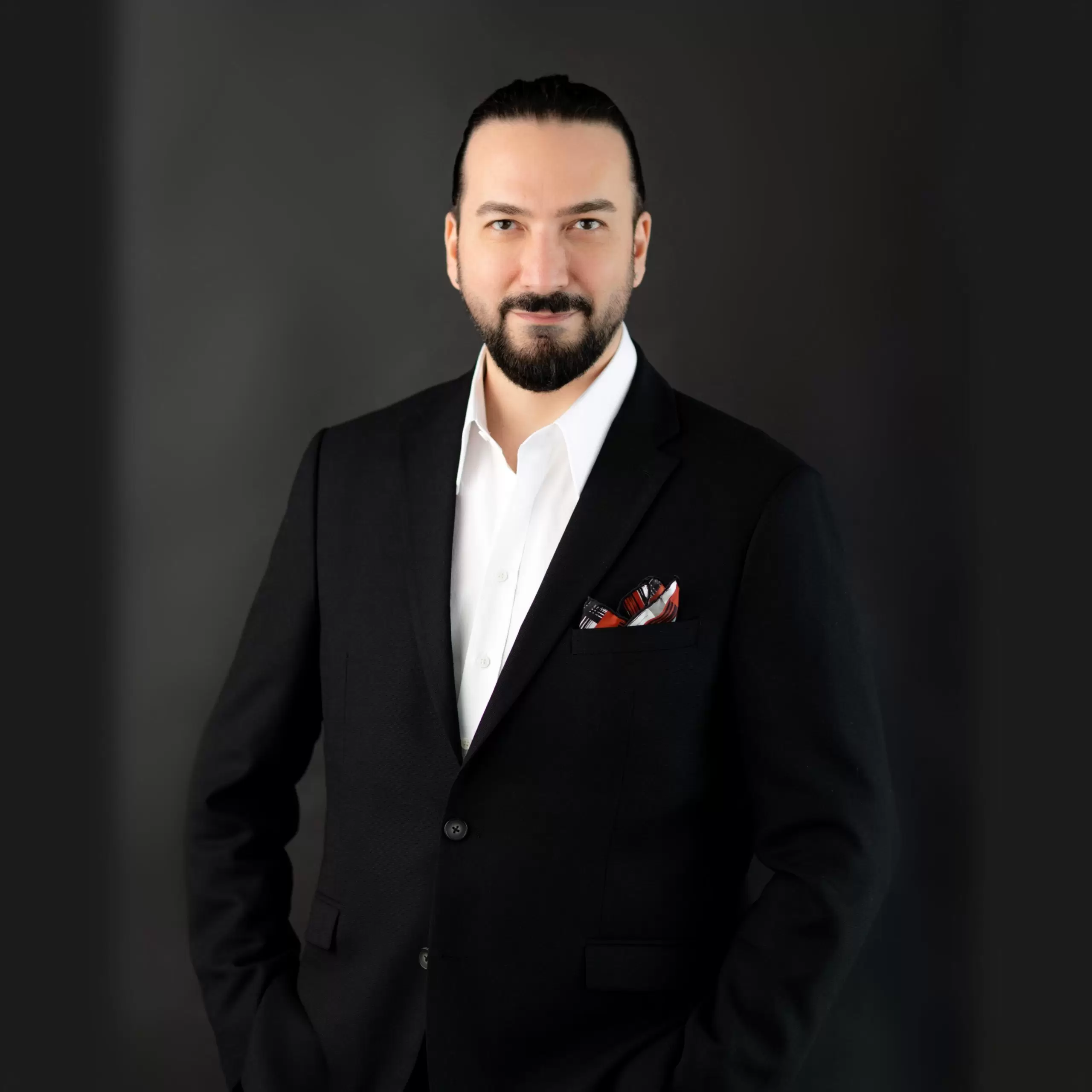
Prof. Dr. Murat Songu – Rhinoplasty (Nose Aesthetics) Specialist
Prof. Dr. Murat Songu was born in 1976 in Izmir and completed his medical education at the Ege University Faculty of Medicine. He then completed his residency training in the Department of Otorhinolaryngology at Celal Bayar University. Between 2005 and 2006, he received advanced training in rhinoplasty, functional nasal surgery, and skull base surgery in Bordeaux, France, working with leading rhinologists such as Prof. Vincent Darrouzet and Dr. Guy Lacher.
Prioritizing natural appearance, the preservation of breathing function, and facial aesthetic harmony, Prof. Dr. Songu is nationally and internationally recognized for his expertise in open rhinoplasty, piezo (ultrasonic) rhinoplasty, revision rhinoplasty, tipplasty, and functional septorhinoplasty. He has participated as an instructor and speaker at numerous rhinoplasty congresses worldwide.
With over 100 scientific publications, book chapters, and more than 1700 citations, Prof. Dr. Murat Songu is one of Türkiye’s most respected academics in the field of rhinoplasty, combining natural, facially harmonious, and functional results with scientific and aesthetic excellence.