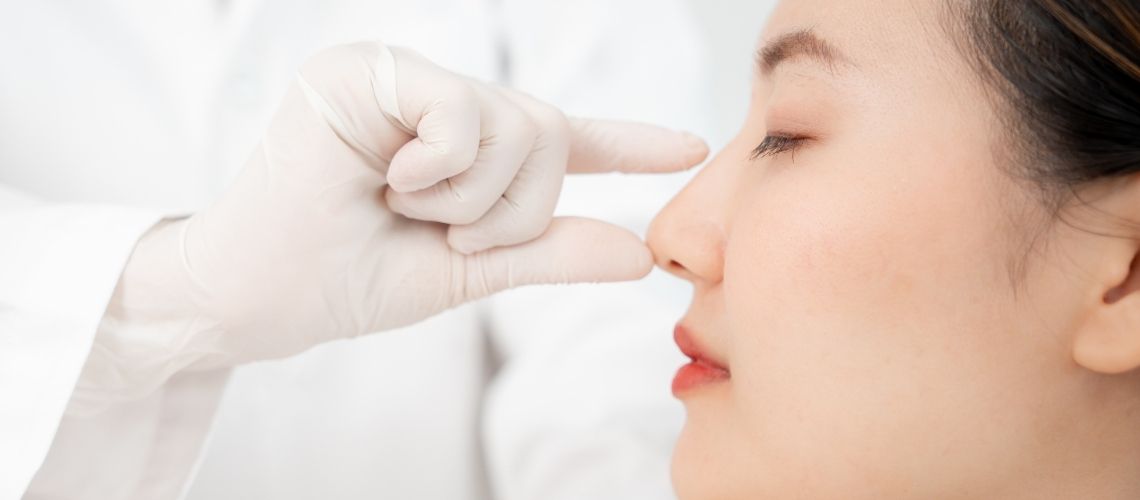
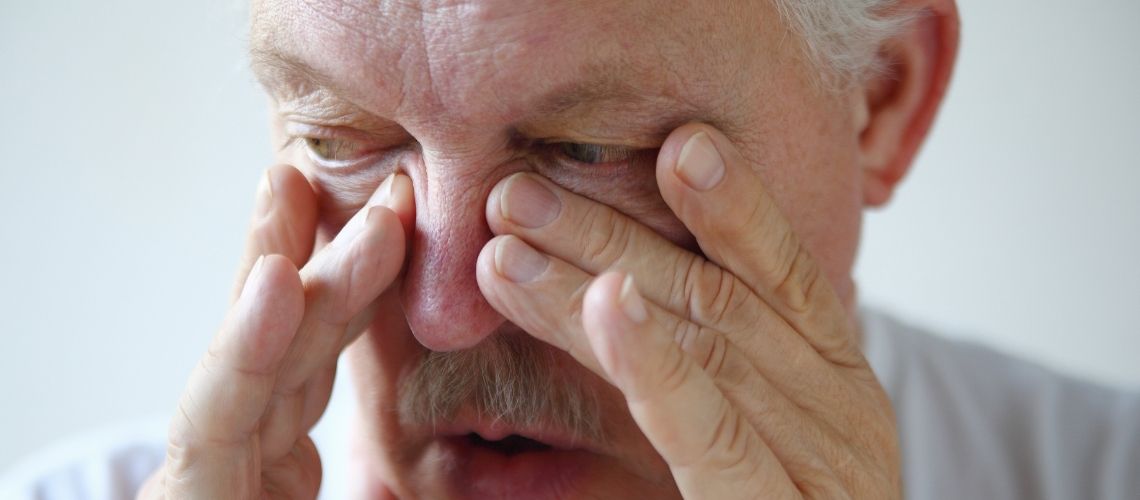
Deciding on revision rhinoplasty should only occur after full healing of the first surgery. Typically, surgeons recommend waiting 12 to 18 months to allow swelling to resolve and final results to stabilize.
Premature decisions may lead to unnecessary risks. Many irregularities seen early in recovery improve naturally over time without further intervention.
Patients should consider revision when functional problems persist, such as breathing difficulties, or when aesthetic outcomes are unsatisfactory after complete healing.
Consultation with a revision rhinoplasty expert is crucial. A thorough assessment ensures realistic expectations and helps plan the most effective corrective procedure.
| What Is Revision Rhinoplasty? | Revision rhinoplasty is a secondary or subsequent procedure performed to improve cosmetic appearance, restore nasal function, or correct concerns that remain after a previous rhinoplasty. |
| Wait for Complete Healing | Most surgeons recommend waiting at least 12 months after the initial rhinoplasty before considering revision surgery. This allows swelling to resolve and the final surgical result to become apparent. |
| Persistent Cosmetic Concerns | Revision may be considered if noticeable issues such as asymmetry, a crooked nose, irregular contours, tip deformities, or persistent dissatisfaction remain after complete healing. |
| Ongoing Breathing Problems | Difficulty breathing due to septal deviation, nasal valve collapse, or structural weakness that persists after healing may indicate the need for revision surgery. |
| Stable Nasal Appearance | Revision should only be planned once the nasal shape has stabilized and no significant changes are expected from the normal healing process. |
| Realistic Expectations | Patients should have clear and realistic goals, understanding that revision rhinoplasty aims for improvement rather than perfection, especially after previous surgery. |
| Emotional Readiness | The decision should be based on consistent concerns rather than temporary frustration during recovery. Emotional readiness is an important part of the planning process. |
| Adequate Tissue Healing | Healthy skin, soft tissue, and adequate blood supply improve the chances of a successful revision procedure and reduce the risk of complications. |
| Structural Assessment | A detailed evaluation of the nasal framework, cartilage support, scar tissue, and septum is essential before deciding on revision surgery. |
| Complex Previous Surgeries | Patients who have undergone multiple rhinoplasty procedures may require more extensive reconstructive planning because scar tissue and tissue limitations increase surgical complexity. |
| Medical Evaluation | Persistent symptoms, previous surgical history, and overall health should be carefully reviewed to determine whether revision surgery is appropriate. |
| Situations Requiring Earlier Assessment | Significant infection, severe trauma after surgery, tissue compromise, or major functional problems may require earlier medical evaluation, although definitive revision is often delayed until healing permits. |
| Benefits of Waiting | Allowing adequate healing time reduces the likelihood of unnecessary surgery, provides a more accurate assessment of the final outcome, and improves surgical planning. |
| Overall Summary | Revision rhinoplasty is generally considered after the nose has completely healed—usually at least 12 months after the previous surgery—when persistent cosmetic or functional concerns remain and the benefits of additional surgery clearly outweigh the risks. |
Ensuring Complete Recovery Before Considering Further Surgery
This phase, extending up to a year or more, is when the true shape of the nose gradually emerges. Swelling, a common aftermath, obscures the final result for months, misleading many into premature judgments about their satisfaction with the surgery.
Acknowledging this, experts suggest a prudent pause before contemplating a revision. A consultation with a specialist should ideally fall between 12 to 18 months after the initial procedure. This timeframe ensures:
- Adequate reduction in swelling to reveal the nose’s actual contour.
- Complete healing of internal and external tissues.
- Stabilization of the nasal structure in its new configuration.
Adhering to this recommended interval not only offers a clearer perspective on the need for further modifications but also enhances the likelihood of a successful outcome. Thus, embracing patience allows for a more informed and confident decision regarding revision rhinoplasty.
Distinguishing Between Achievable Outcomes and Wishful Thinking in Rhinoplasty Revisions
Prior to embarking on the journey of rhinoplasty, it’s imperative that individuals set achievable goals. Establishing a clear line of communication with the surgeon is a critical step in this process. One must convey their aspirations and understand the surgical boundaries.
Furthermore, reviewing before-and-after photographs of previous patients can offer a glimpse into what can realistically be achieved. Often, dissatisfaction arises not from the surgeon’s skill but from the gap between expected and actual results. Recognizing this discrepancy is crucial.
Key steps include:
- Articulating expectations clearly to the surgeon
- Understanding the realistic outcomes of the procedure
- Reviewing before-and-after photos to set achievable goals
If one finds their discontent rooted in unrealistic expectations, seeking guidance from a therapist who specializes in body image issues might prove more beneficial than rushing into revision surgery.
This approach ensures that any decision made is informed, thoughtful, and conducive to genuine satisfaction, rather than a continuation of unmet desires.
Balancing Functional Issues with Aesthetic Dissatisfaction in Revision Rhinoplasty
For many individuals, the pursuit of revision rhinoplasty is not solely driven by aesthetic desires. Often, the primary surgery brings unforeseen challenges, such as breathing difficulties, that impact daily activities.
This necessitates a careful reconsideration for undergoing revision surgery. A significant portion of patients find themselves navigating not just dissatisfaction with their nose’s appearance but also functional impairments. Consequently, consulting a specialist skilled in addressing both aspects becomes essential. The specialist’s evaluation aims to:
- Pinpoint the root cause of nasal obstruction.
- Develop a comprehensive plan that rectifies functional issues while enhancing cosmetic appearance.
Thus, the decision to undergo revision rhinoplasty transcends mere dissatisfaction with the nose’s look. It involves a critical analysis of how structural changes can improve both breathing and aesthetics.
Ultimately, the goal is to achieve a balance that enhances the patient’s quality of life and self-confidence. This dual-focused approach underscores the complexity and necessity of revision procedures in certain cases.
Circumstances Necessitating a Second Rhinoplasty
Various factors might lead an individual to consider undergoing a second rhinoplasty. Notably, asymmetry is a common concern, where a person finds their nose misaligned or discovers that their nostrils are uneven, demanding corrective surgery.
Additionally, some patients experience worsened breathing functionality post-surgery, making a revision crucial for improved airflow. Another compelling reason for revision is the presence of conspicuous or elevated scars that mar the aesthetic appeal, where specialized techniques are employed to reduce or camouflage these imperfections.
Moreover, instances where the initial procedure falls short of achieving the envisioned reshaping necessitate further intervention to fulfill those aesthetic desires.
Lastly, an artificial appearance, characterized by an excessively narrowed, elongated nose or one lacking in definition, calls for refinement through a subsequent procedure. These issues underscore the complexity and the need for precision in revision rhinoplasty, aiming to rectify these specific concerns.
Selecting the Ideal Surgeon for Your Revision Rhinoplasty Journey
During the initial consultation, it is imperative for the individual to:
- Clearly articulate their aesthetic and functional objectives.
- Thoroughly discuss any medical history that might impact the surgery’s outcome.
- Address specific concerns stemming from the previous rhinoplasty.
This dialogue ensures a mutual understanding between patient and surgeon, laying the groundwork for achieving the desired revision outcomes.
Moreover, the consultation offers a prime opportunity to gauge the surgeon’s approachability and responsiveness to patient needs, which are crucial for establishing a trust-based patient-surgeon relationship. Hence, careful consideration in choosing the right surgeon becomes a cornerstone of the revision rhinoplasty process.
Frequently Asked Questions
When should I decide a revision rhinoplasty after my first nose surgery?
When should I decide a revision rhinoplasty if my nose still looks swollen?
When should I decide a revision rhinoplasty for breathing difficulties that persist after surgery?
When should I decide a revision rhinoplasty if I am unhappy with the cosmetic result?
When should I decide a revision rhinoplasty for a crooked nose that remains after healing?
When should I decide a revision rhinoplasty if scar tissue affects my results?
When should I decide a revision rhinoplasty after a failed previous revision procedure?
When should I decide a revision rhinoplasty if my nasal tip appears uneven?
When should I decide a revision rhinoplasty to address both cosmetic and functional concerns?
When should I decide a revision rhinoplasty consultation with a specialist surgeon?
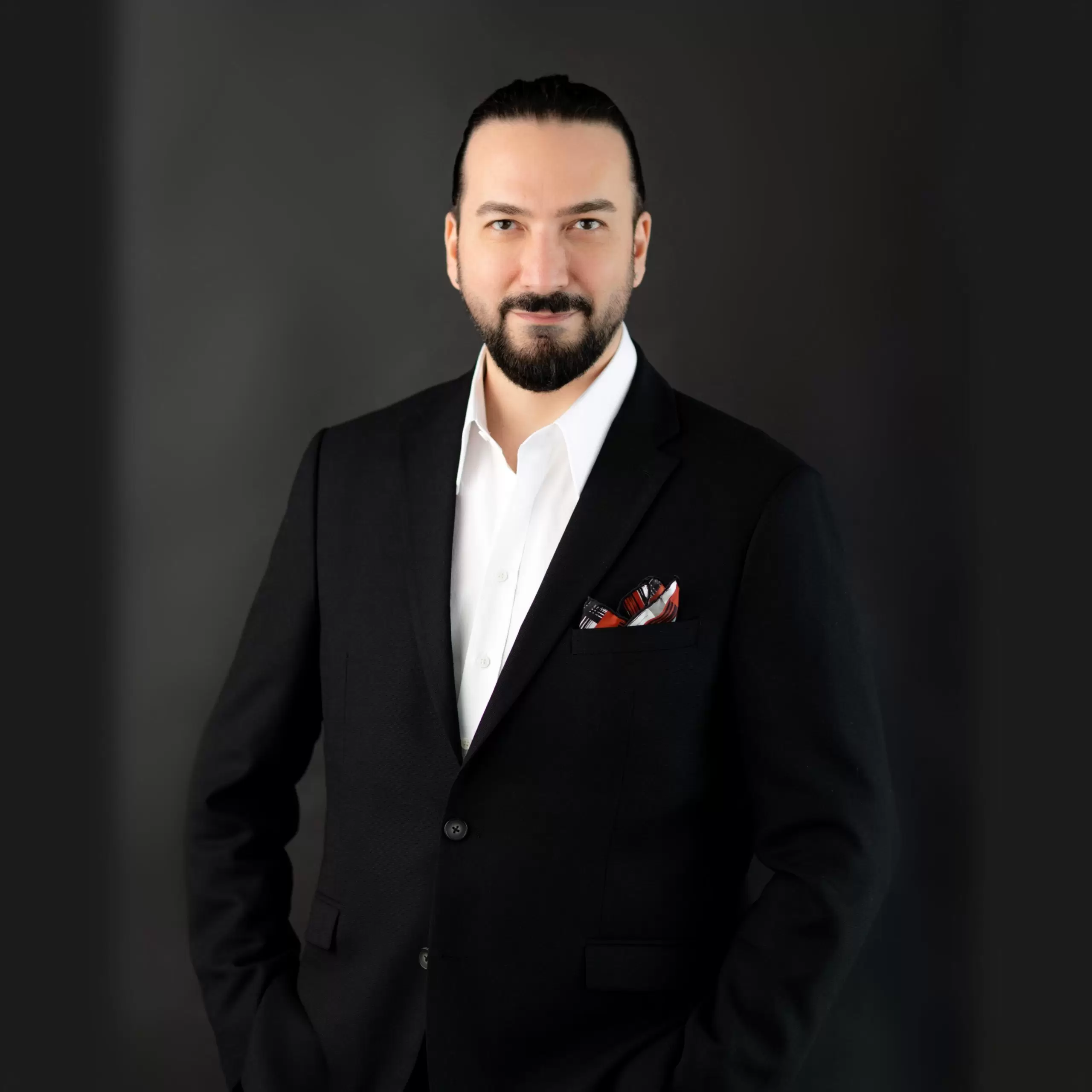
Prof. Dr. Murat Songu – Rhinoplasty (Nose Aesthetics) Specialist
Prof. Dr. Murat Songu was born in 1976 in Izmir and completed his medical education at the Ege University Faculty of Medicine. He then completed his residency training in the Department of Otorhinolaryngology at Celal Bayar University. Between 2005 and 2006, he received advanced training in rhinoplasty, functional nasal surgery, and skull base surgery in Bordeaux, France, working with leading rhinologists such as Prof. Vincent Darrouzet and Dr. Guy Lacher.
Prioritizing natural appearance, the preservation of breathing function, and facial aesthetic harmony, Prof. Dr. Songu is nationally and internationally recognized for his expertise in open rhinoplasty, piezo (ultrasonic) rhinoplasty, revision rhinoplasty, tipplasty, and functional septorhinoplasty. He has participated as an instructor and speaker at numerous rhinoplasty congresses worldwide.
With over 100 scientific publications, book chapters, and more than 1700 citations, Prof. Dr. Murat Songu is one of Türkiye’s most respected academics in the field of rhinoplasty, combining natural, facially harmonious, and functional results with scientific and aesthetic excellence.