Türkçe
 Deutsch
Closed rhinoplasty is a surgical technique in nasal aesthetics in which all incisions are made inside the nose. It is generally suitable for individuals with mild nasal deformities who do not require extensive surgical intervention. This method provides faster recovery and scar-free results.
The closed technique is preferred for correcting minor irregularities on the nasal bridge, mild humps, and minimal deformities of the nasal tip. Skin characteristics and the degree of deformity determine whether closed surgery is appropriate.
The duration of surgery is shorter with the closed technique, and the recovery period is generally more comfortable. This advantage makes it an important choice, especially for individuals with busy work schedules.
Closed rhinoplasty is not suitable for every patient. When extensive shape changes or severe nasal deviations are present, the open technique may be a more appropriate option. The surgeon’s evaluation provides the most reliable decision.
Preoperative Condition Before Closed Rhinoplasty
Every patient is unique, and a careful evaluation by a plastic surgeon should be performed before deciding on surgery because the success of the procedure depends not only on the patient’s nasal structure but also on their aesthetic goals and medical history.
Age Limit for Closed Rhinoplasty
The age limit is an important factor in selecting candidates for closed rhinoplasty. Patients over the age of 18 are generally preferred for this procedure. This age threshold indicates the period when nasal development has largely been completed and the nasal tissues have become more stable. Toward the end of adolescence and in early adulthood, the nasal structure becomes more stable compared to childhood. Therefore, performing closed rhinoplasty after the age of 18 is considered a safer period for improving both the shape and function of the nose. However, age alone is not sufficient; the patient’s overall health, surgical expectations, and nasal anatomy should also be taken into consideration. By evaluating all these factors together, suitable candidates are identified, and the surgery can be performed safely.
Nasal Tip Problems
Problems involving the nasal tip are an important indication for closed rhinoplasty. These issues generally present as a drooping nasal tip, asymmetry, size differences, or shape deformities. Closed rhinoplasty is an effective method for correcting such problems because it offers a minimally invasive approach. Since access is achieved through the inside of the nose during the procedure, visible external scars are minimal, making it easier to achieve natural-looking aesthetic results. Nasal tip problems can be successfully corrected with closed rhinoplasty in individuals who wish to balance their facial features and improve their nose aesthetics. Therefore, closed rhinoplasty may be an appropriate option for individuals experiencing nasal tip problems.
Minimal Procedural Requirements
Minimal procedural requirements are an important advantage for many people who choose closed rhinoplasty. This method uses a minimally invasive approach and requires less tissue manipulation. As a result, it may accelerate the postoperative recovery process and minimize discomfort such as bruising and swelling. Surgery performed with the closed technique is carried out through small incisions inside the nose, meaning there are no visible suture scars. Its minimally invasive nature may help aesthetic results appear more quickly and naturally after surgery. However, every patient is different, so it is important to consider your surgeon’s recommendations when determining whether closed rhinoplasty is suitable for you.
Special Circumstances
The suitability of closed rhinoplasty varies from patient to patient. In some cases, the open technique may be more appropriate due to complex nasal deformities or nasal breathing problems. In addition, factors such as the patient’s medical history, overall health, and skin characteristics should also be evaluated.
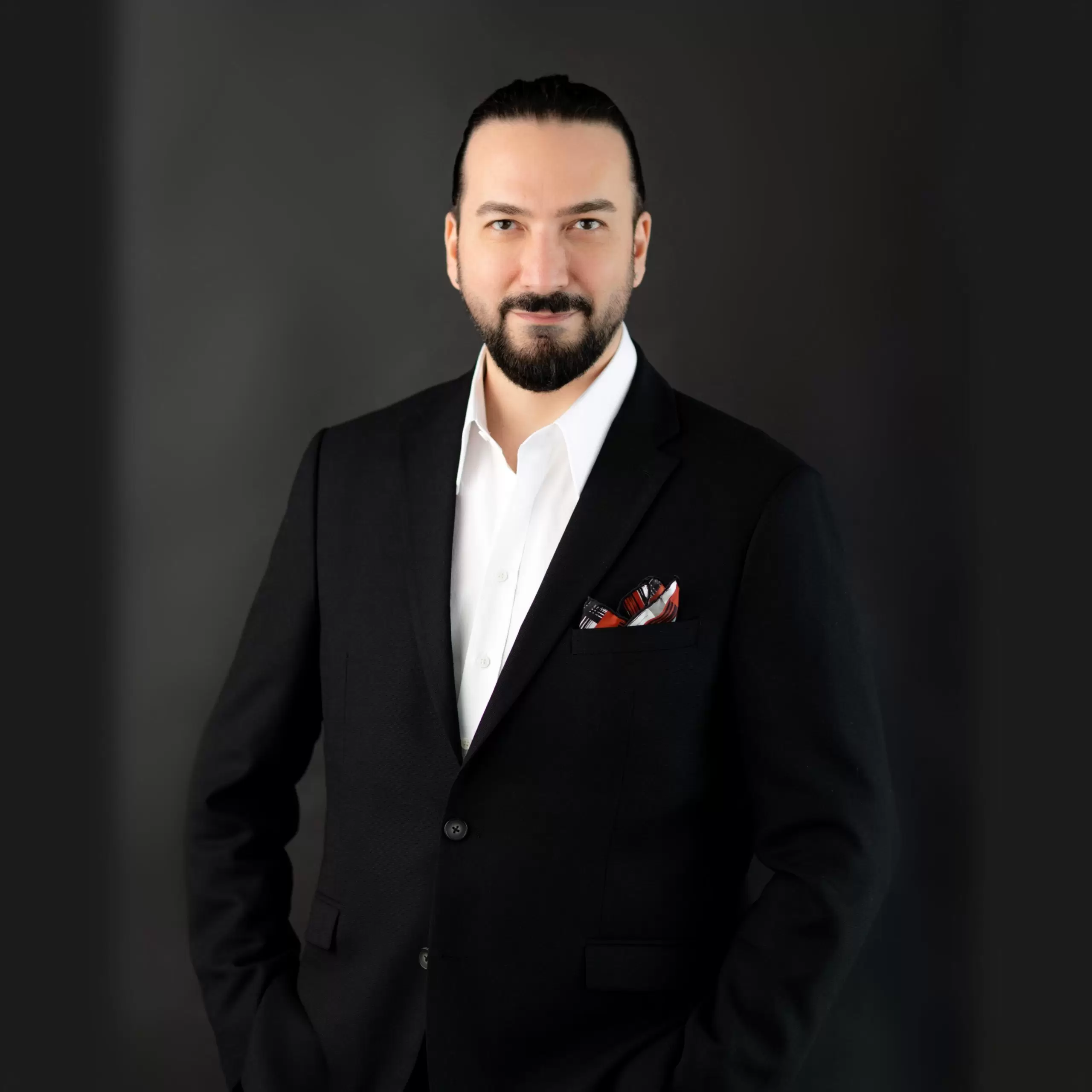
Prof. Dr. Murat Songu – Rhinoplasty (Nose Aesthetics) Specialist
Prof. Dr. Murat Songu was born in 1976 in Izmir and completed his medical education at the Ege University Faculty of Medicine. He then completed his residency training in the Department of Otorhinolaryngology at Celal Bayar University. Between 2005 and 2006, he received advanced training in rhinoplasty, functional nasal surgery, and skull base surgery in Bordeaux, France, working with leading rhinologists such as Prof. Vincent Darrouzet and Dr. Guy Lacher.
Prioritizing natural appearance, the preservation of breathing function, and facial aesthetic harmony, Prof. Dr. Songu is nationally and internationally recognized for his expertise in open rhinoplasty, piezo (ultrasonic) rhinoplasty, revision rhinoplasty, tipplasty, and functional septorhinoplasty. He has participated as an instructor and speaker at numerous rhinoplasty congresses worldwide.
With over 100 scientific publications, book chapters, and more than 1700 citations, Prof. Dr. Murat Songu is one of Türkiye’s most respected academics in the field of rhinoplasty, combining natural, facially harmonious, and functional results with scientific and aesthetic excellence.