العربية

Rhinoplasty, a surgical procedure to reshape the nose, is a subject of significant discussion within Islamic law. Islam permits medical interventions to address deformities or defects causing physical or psychological harm, as this aligns with the Shariah principle of removing harm. However, undergoing rhinoplasty purely for aesthetic enhancement, without medical necessity, is generally deemed impermissible. This restriction stems from the belief that altering Allah’s creation without valid justification contradicts Islamic principles. The permissibility of rhinoplasty hinges on the intent and necessity behind the procedure, emphasizing the importance of adhering to Shariah guidelines while addressing individual needs and circumstances.
| General Islamic View | The permissibility of rhinoplasty (nose surgery) in Islam depends primarily on the purpose of the procedure. Islamic rulings distinguish between medically necessary treatment and purely cosmetic enhancement. |
| Medically Necessary Rhinoplasty | Rhinoplasty performed to restore normal function—such as improving breathing, repairing congenital deformities, correcting traumatic injuries, or treating significant structural abnormalities—is generally considered permissible (halal) by the majority of contemporary Islamic scholars. |
| Reconstructive Surgery | Surgery to correct defects resulting from accidents, burns, disease, or congenital conditions is generally permitted because it is regarded as restoring normal appearance and function rather than altering creation for beautification alone. |
| Purely Cosmetic Rhinoplasty | Rhinoplasty performed solely to enhance appearance without a medical or psychological necessity is viewed differently among scholars. Many consider it discouraged or impermissible because it may be regarded as unnecessary alteration of the body for beautification alone. |
| Psychological Distress | If a nasal deformity causes severe psychological distress, social hardship, or significant impairment of quality of life, many contemporary scholars may regard corrective surgery as permissible, provided the intention is to relieve genuine hardship rather than pursue unnecessary beautification. |
| Evidence from Hadith | Scholars frequently cite the hadith of Arfajah ibn As’ad, whose nose was damaged in battle and who was permitted by the Prophet Muhammad (ﷺ) to replace it with a gold prosthesis after a silver one caused complications. This narration is commonly used to support reconstructive surgery. |
| Qur’anic Principles | Islamic rulings are often based on broader principles such as removing hardship (raf’ al-haraj), preventing harm (la darar wa la dirar), and preserving health and well-being. |
| Intention (Niyyah) | Intention plays an important role. Procedures intended to restore health, function, or a normal appearance are generally viewed more favorably than those performed solely for cosmetic enhancement. |
| Scholarly Opinions | While there is broad agreement regarding reconstructive procedures, opinions differ regarding elective cosmetic rhinoplasty. Individual rulings may vary among different schools of Islamic jurisprudence and contemporary scholars. |
| Practical Consideration | Muslims considering rhinoplasty are often advised to consult both a qualified medical professional and a trusted Islamic scholar to determine whether the specific circumstances meet the criteria for permissibility according to their religious tradition. |
When is Rhinoplasty Considered Permissible in Islam?
In Islamic jurisprudence, rhinoplasty, a procedure to alter the nose’s structure is considered permissible only under specific conditions where necessity and intent align with the principles of Shariah. Islam prioritizes alleviating harm and preserving human dignity permitting medical interventions that address genuine needs. Rhinoplasty becomes permissible when it serves therapeutic or reconstructive purposes helping individuals overcome physical or psychological distress. Conversely performing the procedure solely for aesthetic enhancement without any underlying necessity is deemed impermissible as it involves altering Allah’s creation without valid justification. The legitimacy of rhinoplasty is thus evaluated based on the intent and necessity involved.
Circumstances when rhinoplasty is considered permissible:
- Addressing congenital defects or deformities
- Reconstructing nasal structure after injury or trauma
- Treating medical issues causing breathing impairments or discomfort
Islamic teachings emphasize the importance of removing harm and restoring functionality. The Prophet Muhammad (peace be upon him) encouraged seeking medical treatment stating, “There is no disease that Allah has created, except that He also has created its treatment.” This hadith provides a foundation for the permissibility of medical interventions including surgical procedures like rhinoplasty when aimed at restoring health or alleviating suffering. Furthermore historical precedents such as the Prophet permitting a companion to replace his lost nose with a prosthetic made of gold support the acceptability of medical treatments that serve therapeutic or reconstructive purposes.
Scholars also differentiate between procedures that address genuine needs and those pursued for purely aesthetic reasons. Surgeries intended to correct physical abnormalities or relieve emotional distress caused by deformities are generally deemed acceptable. For example if a person suffers from a deviated septum causing breathing difficulties or emotional hardship due to noticeable nasal deformities rhinoplasty aligns with the Islamic principle of removing harm. Similarly reconstructive surgery after trauma such as accidents leading to functional impairments or significant disfigurement is regarded as a legitimate medical need.
However surgeries undertaken solely for beautification such as altering a perfectly functional nose to enhance appearance are typically prohibited. Islamic law discourages unnecessary alteration of Allah’s creation emphasizing contentment with one’s natural form unless a legitimate need arises. Scholars caution against prioritizing vanity over the ethical and spiritual principles upheld in Islam.
Frequently Asked Questions
Is rhinoplasty allowed in Islam according to Islamic teachings?
Does Islam distinguish between cosmetic and medically necessary rhinoplasty?
Can rhinoplasty be considered permissible in Islam after an accident or birth defect?
What do Islamic scholars consider before giving a ruling on rhinoplasty?
Is rhinoplasty for improving self-confidence allowed in Islam?
Can rhinoplasty be performed during Ramadan without affecting fasting?
Does rhinoplasty affect prayer or ritual purification in Islam?
Are there different Islamic opinions on female and male rhinoplasty?
How should Muslims approach the decision to have rhinoplasty?
Where can I find reliable Islamic guidance about rhinoplasty?
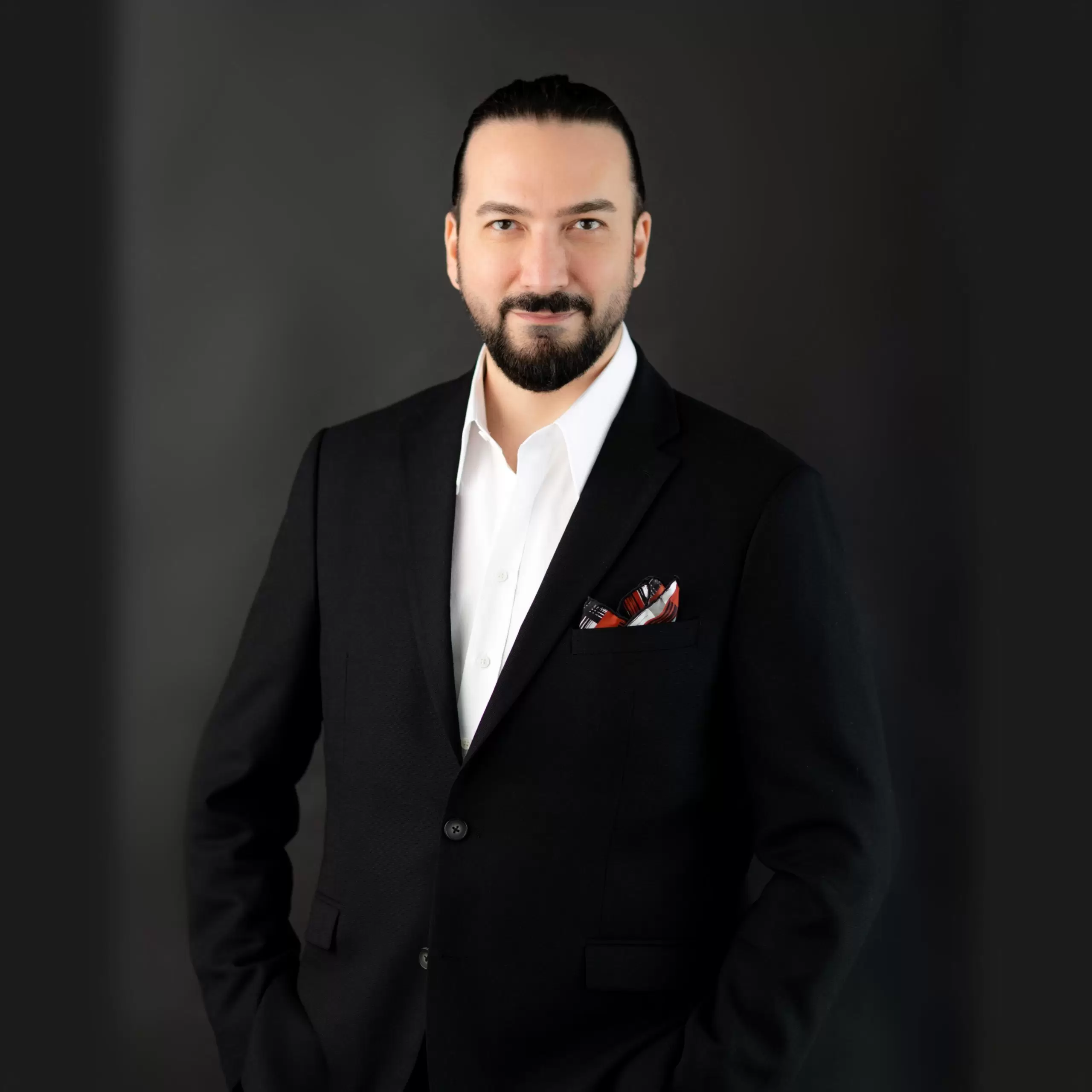
Prof. Dr. Murat Songu – Rhinoplasty (Nose Aesthetics) Specialist
Prof. Dr. Murat Songu was born in 1976 in Izmir and completed his medical education at the Ege University Faculty of Medicine. He then completed his residency training in the Department of Otorhinolaryngology at Celal Bayar University. Between 2005 and 2006, he received advanced training in rhinoplasty, functional nasal surgery, and skull base surgery in Bordeaux, France, working with leading rhinologists such as Prof. Vincent Darrouzet and Dr. Guy Lacher.
Prioritizing natural appearance, the preservation of breathing function, and facial aesthetic harmony, Prof. Dr. Songu is nationally and internationally recognized for his expertise in open rhinoplasty, piezo (ultrasonic) rhinoplasty, revision rhinoplasty, tipplasty, and functional septorhinoplasty. He has participated as an instructor and speaker at numerous rhinoplasty congresses worldwide.
With over 100 scientific publications, book chapters, and more than 1700 citations, Prof. Dr. Murat Songu is one of Türkiye’s most respected academics in the field of rhinoplasty, combining natural, facially harmonious, and functional results with scientific and aesthetic excellence.