Türkçe
Türkiye is home to physicians who perform the most successful septoplasty operations thanks to its well-established academic education in ENT and facial aesthetic surgery, specialist training programs aligned with international standards, and extensive case experience. The country has created a unique surgical school that combines modern technological infrastructure with a tissue-preserving surgical philosophy, maximizing nasal function while prioritizing aesthetic integrity. This in-depth expertise and patient-centered approach have enabled Türkiye to become an authority in nasal surgery within global health tourism. Patients from around the world choose our country to achieve the best outcomes because of the advanced approaches used by surgeons in Türkiye, which combine anatomical precision with functional success.
What Is the Fundamental Answer to the Question of Why Türkiye Has the Best Doctors Performing Septoplasty?
A country’s prominence in a particular medical field is closely related to the depth of the education received by the specialists trained in that field and the experience they translate into practice. Ear, nose, and throat and facial plastic surgery training in Türkiye is based on a highly demanding and comprehensive curriculum. During the training process, theoretical knowledge alone is not considered sufficient; practical skills are also developed through the observation of a very high number of cases. This broad perspective possessed by physicians facilitates the preparation of personalized surgical plans suited to each patient’s own anatomical characteristics and greatly supports recovery rates.
What Educational Standards Support a Successful Septoplasty Process?
Good medical practice is fundamentally based on a solid academic foundation. During specialist training, physicians are expected to learn human anatomy down to the finest details and combine this knowledge with current surgical principles. The ear, nose, and throat specialty requires an understanding of the relationships between the complex structures of the head and neck region. Standardized programs are implemented throughout the training period, and physician candidates are expected to acquire specific competencies. This preparation helps the surgeon remain ready for unexpected situations that may arise during surgery. In addition, the relationship between the aesthetic proportions of facial anatomy and the internal functions of the nose is also understood during this training. Some of the fundamental skills acquired during specialist training include:
- Theoretical anatomy courses
- Practical surgical assistantships
- International development courses
- Cadaver study programs
- Multidisciplinary case evaluations
How Is the Nasal Structure Examined Before a Functional Septoplasty?
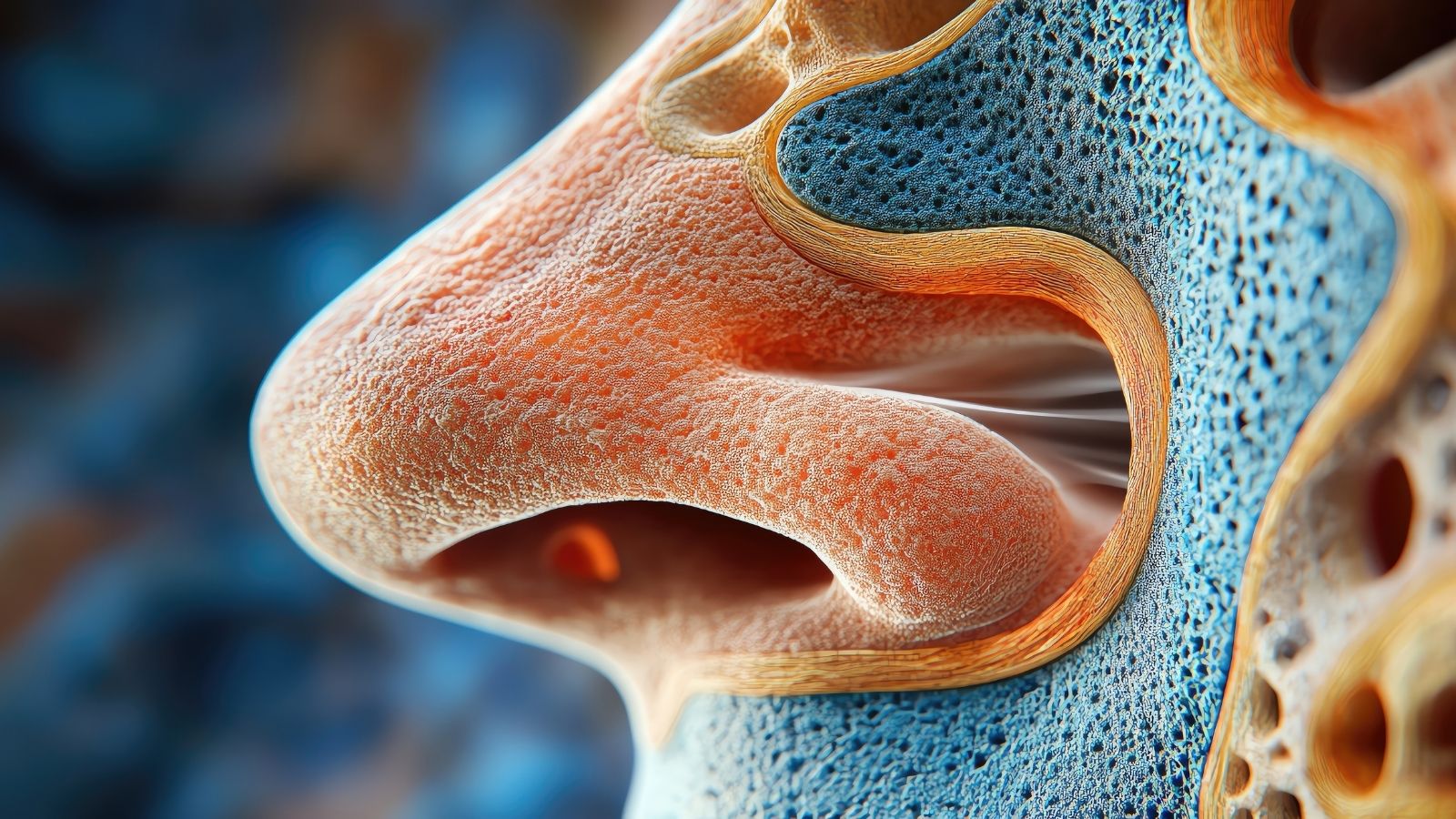
Accurately evaluating the internal structures of the nose is an important step that determines the course of the operation. Making a decision based solely on the statements of an individual presenting with nasal congestion is often insufficient. Detailed imaging methods are needed to identify the source of the problem. High-resolution cameras are used to examine where the cartilage and bone wall separating the inside of the nose is deviated. When necessary, radiological examinations are used to reveal problems in the posterior areas and sinuses. Airflow resistance can also be measured using objective tests. In light of the data obtained, the boundaries of the intervention are determined. This entire preparation stage helps minimize the possibility of encountering unexpected surprises during the operation. Accurate analysis is the most fundamental building block shaping the quality of the result.
What Modern Septoplasty Techniques Differ from Traditional Methods?
In previous years, methods frequently used to correct internal nasal deviations were generally based on broadly removing the deviated cartilage or bone tissue. Although this approach opened the airway at the time, it carried the risk of weakening the nose’s own mechanical support in the long term. Today, medical understanding has shifted toward preserving tissues as much as possible. Destructive and subtractive methods have been replaced by restorative and supportive techniques. In this way, the supporting columns of the nose continue to retain their strength. Fine reshaping procedures are performed on the cartilage tissue in an effort to preserve structural integrity. Through this tissue-preserving philosophy, the aim is to largely prevent undesirable conditions such as collapse or deformity of the nose that may develop in later years.
Why Is It Necessary to Preserve Cartilage Tissue During a Healthy Septoplasty?
Within nasal anatomy, there is a vital cartilage framework that supports the bridge and tip of the nose. Just as the supporting columns that keep a building standing are essential, this cartilage framework is equally important for the nose. Preserving the integrity of this structure during interventions performed to correct deviations is considered a fundamental rule. If this cartilage support is weakened, the likelihood of collapse of the nasal bridge or drooping of the nasal tip after surgery may increase. For this reason, care is taken to leave behind a cartilage bridge of sufficient width and strength during the operation. This tissue-preserving approach improves breathing function while also helping the external appearance of the nose remain in its natural form. The general purposes of carefully preserving cartilage tissue are as follows:
- Supporting the structural framework
- Preserving the aesthetic form
- Preventing future collapse
- Maintaining natural flexibility
- Preserving the position of the nasal tip
How Do High-Resolution Endoscopic Systems Affect Septoplasty Success?
Endoscopic camera systems, one of the most valuable tools technology has provided to medicine, have significantly transformed surgical practice. Dark and narrow internal nasal passages that are difficult to see with the naked eye using only a limited light source can now be projected onto large screens in high quality through these thin cameras. Endoscopes allow the physician to work in the deepest areas of the nasal tunnel. Particularly in deviations located in the most posterior parts of the nasal cavity or complicated by bony projections, it becomes possible to focus only on the problematic area without damaging the surrounding tissues. Illuminating details that cannot be seen with the naked eye reduces unnecessary tissue incisions and supports the preservation of healthy mucosa. Maintaining mucosal integrity creates the conditions for complaints such as postoperative swelling, bleeding, and crusting to generally be experienced more mildly. This may make it easier for patients to return to their daily routines with less disruption.
In What Ways Do Ultrasonic Technologies Increase Comfort During Septoplasty?
Another development in surgical technology is the use of ultrasonic sound wave systems to shape bone tissue. New ultrasonic devices have the ability to selectively shape only dense bone tissue. While working on the bone structure, they generally aim to avoid damaging adjacent soft tissues such as blood vessels, nerves, and mucosa. Through this selective operating principle, tissue trauma is greatly reduced. As a result, postoperative bruising and edema may be kept at much lower levels compared with the past, and the return to daily life may become more comfortable.
What New-Generation Packing Materials Are Preferred After Contemporary Septoplasty?
One of the issues that most discourages patients from the idea of surgery is the support materials placed inside the nose after the procedure and the process of removing them. Materials traditionally used to completely block the nasal passage for days have been replaced by much more modern alternatives. Thanks to soft silicone splints containing special air channels, patients can feel air passing through their noses as soon as they wake up. While this channeled structure reduces the sensation of pressure inside the nose, it also guides the tissues to heal in the correct position. Moreover, because these silicone surfaces do not adhere to the mucosal tissue, the discomfort felt during their removal is minimized. In some suitable cases, a recovery period without any supportive material may also be planned. Patient-friendly support materials frequently used today include:
- Silicone splints with central air channels
- Self-dissolving sutures
- Mucosa-protective pads
- Absorbable gel forms
- Slippery-surfaced materials that can be removed quickly
What Is the Connection Between the Aesthetic Approach and Functional Septoplasty?
Healthy functioning of the airways inside the nose and harmony of the external appearance are closely related. Although the primary goal is comfortable breathing, even the slightest change made to the external support structures of the nose has the potential to indirectly affect appearance. While relieving the airways, the aim is to establish a natural balance that is compatible with the characteristic features of the face. Combining the two medical approaches makes it possible to achieve results that both support breathing and contribute to overall facial harmony. In this way, while structural abnormalities are corrected, maintaining the external framework of the nose in the desired form and with a natural appearance can generally be achieved more easily. Knowledge of facial aesthetics allows internal functional repair to be reflected externally in the most natural and visually pleasing way, thereby increasing patient satisfaction.
What Rules Are Expected to Be Followed During an Uncomplicated Septoplasty Recovery Period?
The completion of the operation does not mean that the process is over. The recovery stage the patient spends at home has a very important effect on the quality of the result. During the recovery period, it takes time for the mucosa inside the nose to heal and for the reshaped tissues to unite properly. During this time, it is recommended to protect the nasal area from trauma and avoid intense physical activities that may suddenly raise blood pressure. Regular moisturizing is recommended to prevent the tissues from drying out and crusting. In addition, taking a break from habits such as tobacco use, which slows healing, is of great importance for the healthy oxygenation of tissues. The factors generally recommended for a comfortable and safe recovery process include:
- Sleeping with the head elevated
- Avoiding strenuous exercise
- Bathing with lukewarm water
- Avoiding blowing the nose
- Keeping the mouth open while sneezing
Which Symptoms Should Be Monitored After Septoplasty in Unexpected Situations?
Although the recovery process is usually quite comfortable and uncomplicated, the different reactions the body may have to any surgical procedure should be considered. During the healing period, sensitivity of the nasal tissues and minor leakage are considered part of the natural process. However, carefully monitoring certain signals given by the body is important for the early recognition of possible problems. Requesting medical evaluation without delay when an unusual condition is noticed contributes to the healthy management of the process. Some of the basic symptoms recommended for monitoring include:
- Persistently increasing fever
- Severe and persistent pain
- Unexpectedly heavy bright red bleeding
- Foul-smelling discharge
- An abnormal feeling of weakness
What Factors Support the Long-Term Success of Septoplasty?
The true benefit of an operation is measured by lifelong comfort rather than short-term improvements. A healthy respiratory system has positive effects on every aspect of life. During the first weeks and months after the procedure, relief in the airways becomes much more noticeable as the edema in the nasal tissues gradually subsides. Improvements in patients’ daily quality of life, better sleep patterns, waking up more refreshed in the morning, and increased energy levels during the day are among the intended positive outcomes. Proper management of the recovery process in accordance with the physician’s recommendations supports the preservation of this well-being for many years. In this way, the nose can generally continue to perform its natural functions, such as humidifying, warming, and filtering the air, in a healthy manner against external environmental factors.

Prof. Dr. Murat Songu – Burun Estetiği (Rinoplasti) Uzmanı
Prof. Dr. Murat Songu, 1976 yılında İzmir’de doğmuş, tıp eğitimini Ege Üniversitesi Tıp Fakültesi’nde tamamladıktan sonra Celal Bayar Üniversitesi Kulak Burun Boğaz Anabilim Dalı’nda uzmanlık eğitimini tamamlamıştır. 2005–2006 yıllarında Fransa’nın Bordeaux kentinde Prof. Vincent Darrouzet ve Dr. Guy Lacher gibi rinoloji alanının önde gelen cerrahlarıyla çalışarak rinoplasti, fonksiyonel burun cerrahisi ve kafa tabanı cerrahisi üzerine ileri eğitim almıştır.
Burun estetiğinde doğal görünüm, nefes fonksiyonunun korunması ve yüz estetiği dengesini ön planda tutan Prof. Dr. Songu, açık teknik rinoplasti, piezo (ultrasonik) rinoplasti, revizyon rinoplasti, burun ucu estetiği ve fonksiyonel septorinoplasti operasyonlarında ulusal ve uluslararası düzeyde tanınan bir cerrahtır. Yurt içi ve yurt dışında çok sayıda rinoplasti kongresinde eğitici ve konuşmacı olarak yer almış; yüz estetiği ve burun cerrahisinde modern tekniklerin yaygınlaşmasına öncülük etmiştir.
100’den fazla bilimsel yayını, kitap bölümü yazarlıkları ve 1700’ü aşkın uluslararası atfıyla rinoplasti alanında Türkiye’nin en saygın akademisyenlerinden biri olan Prof. Dr. Murat Songu, doğal, yüzle uyumlu ve fonksiyonel sonuçlar hedefleyen cerrahi yaklaşımıyla hem bilimsel hem estetik başarıları bir araya getirmektedir.