Türkçe
 Deutsch
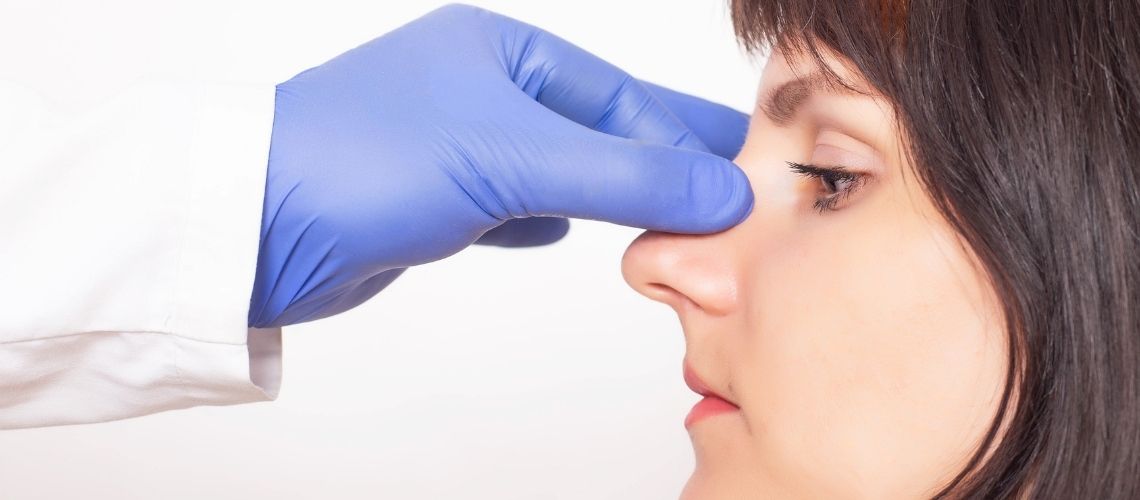
A ball-shaped appearance of the nasal tip after rhinoplasty is usually caused by edema and tissue swelling. This is a natural part of the healing process and gradually resolves over time. In most cases, the swelling decreases significantly within a few months.
In some skin types, nasal tip swelling may persist for a longer period. Especially in patients with thick skin, it may take more time for the nasal tip to reach its final appearance. Patience and regular follow-up are essential throughout the healing process.
In rare cases, the rounded appearance of the nasal tip may become permanent. In such situations, revision surgery or minor corrective procedures may be planned. However, it is generally recommended to wait at least 12 months before making a final evaluation.
Following the care instructions recommended by your physician helps reduce swelling more quickly. Regular follow-up appointments allow the changes in the nasal tip to be closely monitored, and additional treatment can be planned if necessary.
Methods for Managing Edema and Swelling After Rhinoplasty
Edema and swelling of the nasal tip after rhinoplasty are common conditions experienced by many patients. Certain measures can be taken to make the healing process easier. First, it is important to keep your head elevated during the postoperative period. This can be achieved by using high and comfortable pillows. In addition, applying cold compresses to the nasal area may help reduce swelling and edema. These measures should be followed in addition to the other instructions provided by your doctor.
- Sleep and rest with your head elevated.
- Apply cold compresses regularly.
- Follow your doctor’s recommendations completely.
Every patient experiences this process differently. Therefore, it is necessary to be patient while waiting for the edema and swelling to subside. If swelling and edema increase unexpectedly or fail to improve, it is important to contact your doctor. This situation can often be managed with additional recommendations from your physician. It should be remembered that the healing process after rhinoplasty requires patience and proper care.
Precautions and Expectations for the Improvement of the Nasal Tip After Rhinoplasty
The reduction of edema and swelling after rhinoplasty varies depending on the patient’s skin type. In individuals with thick and oily skin, this process may take up to 2 years. The key is to go through this period patiently while following your doctor’s recommendations.
To reduce edema and swelling after rhinoplasty:
- Drink plenty of water,
- Reduce salt intake,
- Sleep using a high pillow,
- Use anti-edema treatments,
- Take the medications prescribed by your doctor regularly.
These are effective methods for accelerating the healing process and increasing comfort. In addition, nasal tip drooping after rhinoplasty is a rare condition and the risk is generally minimized when the procedure is performed by experienced surgeons. Cases requiring revision are more likely to occur when excessive cartilage and tissue have been removed during surgery. Therefore, choosing the right surgeon and maintaining open communication with your surgeon are extremely important. If nasal tip drooping occurs after surgery, it is generally recommended to wait at least 6 months, monitor the condition, and consult your doctor regarding revision surgery if necessary. During this period, it is important to carefully observe how the shape of the nose changes and how the healing process progresses. Being patient after rhinoplasty and following proper postoperative care instructions are critical for a successful recovery.
Frequently Asked Questions
What should be done to prevent the nasal tip from drooping after rhinoplasty?
There are several precautions patients should take to help prevent nasal tip drooping after rhinoplasty. First, direct pressure on the face should be avoided during the first few weeks after surgery. Patients should also avoid excessive facial expressions and limit movements such as smiling. Keeping the head elevated while sleeping contributes positively to the healing process. These measures help the nasal tip maintain its intended shape.
When does the ball-shaped appearance of the nasal tip disappear after rhinoplasty?
The rounded appearance of the nasal tip after rhinoplasty generally begins to decrease within six weeks. During the first few weeks, the swelling gradually subsides. As the incisions heal, the shape of the nose becomes more defined. However, achieving the final result may take up to one year.
When is it safe to wear glasses after rhinoplasty, and what precautions should be taken?
After rhinoplasty, it is generally recommended to wait at least 4–6 weeks before wearing glasses. This period allows the nasal bones and cartilage to heal and the new nasal shape to stabilize. During the early healing phase, glasses that place pressure on the nasal bridge may cause unwanted changes in the shape of the nose or lead to pain. Your doctor will provide a more specific timeline based on your healing process. During this period, contact lenses may be used as an alternative, or if glasses are necessary, temporary solutions such as taping the glasses to the forehead to avoid contact with the nose may be considered.
How do smoking and alcohol consumption affect the healing process after rhinoplasty?
Smoking and alcohol consumption after rhinoplasty can significantly impair the healing process. Smoking constricts blood vessels, reducing the oxygen and nutrients reaching the tissues, which slows wound healing, increases the risk of infection, and may prolong swelling. Alcohol dilates blood vessels, increasing the risk of bleeding and bruising, while also promoting fluid retention that can worsen edema. Therefore, surgeons generally recommend quitting smoking completely for at least 2–4 weeks before and after surgery and avoiding alcohol for at least 1–2 weeks after the procedure.
When can sports and strenuous activities be resumed after rhinoplasty?
Returning to sports after rhinoplasty should be gradual. During the first two weeks after surgery, it is important to rest and avoid strenuous activities. Light walking can usually be resumed after the second week. However, it is generally recommended to wait at least 4–6 weeks before engaging in vigorous exercise such as running, weightlifting, or fitness training, which can increase blood pressure. Contact sports (such as football, basketball, volleyball, and martial arts) that carry a risk of nasal trauma, as well as swimming, may need to be avoided for at least 2–3 months. In all cases, it is best to obtain your surgeon’s approval before returning to sports.
How should the inside of the nose be cleaned and cared for after rhinoplasty?
Postoperative nasal care is an important part of the healing process and helps reduce the risk of infection. Your surgeon will usually recommend special saline sprays (sea water sprays) or solutions for use during the first days after surgery. These sprays help keep the nasal passages moist while softening and removing accumulated blood clots and crusts. In addition, antibiotic or moisturizing ointments for application around the nostrils may also be prescribed. During the first few weeks, patients should strictly avoid blowing the nose, wiping it forcefully, or attempting to clean the inside of the nose with their fingers. Your doctor will explain all postoperative care instructions in detail.
Is it normal to experience changes in the sense of smell after rhinoplasty, and if so, when does it improve?
A temporary decrease or change in the sense of smell after rhinoplasty is quite common. Swelling (edema) and mucosal changes inside the nose caused by surgery may temporarily prevent odor molecules from reaching the olfactory nerves. This usually begins during the first few weeks after surgery and gradually improves as the swelling subsides and the nasal tissues heal. In most patients, the sense of smell returns to normal within a few weeks to several months. In rare cases, recovery may take longer, but permanent loss of smell is extremely uncommon. If you have any concerns, it is important to discuss them with your doctor.

Prof. Dr. Murat Songu – Burun Estetiği (Rinoplasti) Uzmanı
Prof. Dr. Murat Songu, 1976 yılında İzmir’de doğmuş, tıp eğitimini Ege Üniversitesi Tıp Fakültesi’nde tamamladıktan sonra Celal Bayar Üniversitesi Kulak Burun Boğaz Anabilim Dalı’nda uzmanlık eğitimini tamamlamıştır. 2005–2006 yıllarında Fransa’nın Bordeaux kentinde Prof. Vincent Darrouzet ve Dr. Guy Lacher gibi rinoloji alanının önde gelen cerrahlarıyla çalışarak rinoplasti, fonksiyonel burun cerrahisi ve kafa tabanı cerrahisi üzerine ileri eğitim almıştır.
Burun estetiğinde doğal görünüm, nefes fonksiyonunun korunması ve yüz estetiği dengesini ön planda tutan Prof. Dr. Songu, açık teknik rinoplasti, piezo (ultrasonik) rinoplasti, revizyon rinoplasti, burun ucu estetiği ve fonksiyonel septorinoplasti operasyonlarında ulusal ve uluslararası düzeyde tanınan bir cerrahtır. Yurt içi ve yurt dışında çok sayıda rinoplasti kongresinde eğitici ve konuşmacı olarak yer almış; yüz estetiği ve burun cerrahisinde modern tekniklerin yaygınlaşmasına öncülük etmiştir.
100’den fazla bilimsel yayını, kitap bölümü yazarlıkları ve 1700’ü aşkın uluslararası atfıyla rinoplasti alanında Türkiye’nin en saygın akademisyenlerinden biri olan Prof. Dr. Murat Songu, doğal, yüzle uyumlu ve fonksiyonel sonuçlar hedefleyen cerrahi yaklaşımıyla hem bilimsel hem estetik başarıları bir araya getirmektedir.