Türkçe
 Deutsch
The most noticeable change in your life after rhinoplasty is not only an improved aesthetic appearance but also the ability to breathe more comfortably. This creates positive effects both physically and psychologically. Increased self-confidence in social life is one of the most commonly observed outcomes.
The balance and harmony of your face become more noticeable after rhinoplasty. This provides a more aesthetic appearance in photographs, daily communication, and facial expressions. Natural harmony enhances the perception of beauty without altering the individual’s facial expression.
Functionally, the correction of breathing problems improves sleep quality. Better sleep has positive effects on overall health. Rhinoplasty is not only a cosmetic procedure but also an intervention that improves quality of life.
Psychologically, rhinoplasty can also change the way a person perceives themselves. Increased self-confidence and greater comfort in social relationships are among the effects most frequently reported after surgery. This change improves the individual’s life in many different ways.
Stages Over Time After Rhinoplasty
During the first few days after surgery, patients generally experience swelling and bruising.
- These symptoms decrease during the first week, although complete recovery may take several weeks.
- By the first month after surgery, most of the swelling in the nose is noticeably reduced.
- During the second month, the shape of the nose becomes more defined, and its contours begin to appear. During this period, there may be firmness and tenderness at the nasal tip.
- Between the third and sixth months, as the nasal cartilage settles, the nose achieves an aesthetically satisfying appearance. Breathing functions also return to normal during this period.
- From the sixth to the twelfth month, the nasal tissues continue to heal, and the final results become more clearly visible.
During these stages, various changes occur in the patient’s life. Increased self-confidence, improvements in social relationships, and positive developments in overall quality of life are among the primary changes. However, every patient’s experience varies depending on personal circumstances and the unique aspects of the surgical process. Therefore, following the physician’s recommendations and attending regular follow-up appointments play a critical role in the success of the operation.
The Process of the Nose Reaching Its Final Shape After Rhinoplasty
After rhinoplasty, patients eagerly await the time when their nose reaches its final shape. This process generally varies depending on individual factors and skin type. Initially, swelling and edema begin to decrease during the first few weeks after surgery. However, it takes a longer period for the nose to fully assume its final shape. In particular, the resolution of swelling and edema at the tip of the nose:
- May take 3–6 months in mild cases.
- May take up to 1 year in more complex cases.
The settling of the cartilage tissues and completion of the healing process:
- Generally takes between 6 and 12 months.
Healing times that vary according to skin type:
- Individuals with thin and elastic skin generally heal more quickly.
- Individuals with thick and less elastic skin may experience a longer healing period.
As a result, the nose generally reaches its final shape within 1 to 2 years. During this period, it is very important for patients to remain patient and follow their physician’s recommendations. Since every individual’s experience is different, the results may also vary accordingly.
Methods for Managing Swelling and Edema After Rhinoplasty
Managing edema and swelling after rhinoplasty is extremely important. During this period, certain measures should be taken to accelerate healing and reduce discomfort. Patients should carefully follow their physician’s recommendations after surgery. Following these recommendations reduces the risk of complications and positively affects the healing process. To manage swelling, it is beneficial to follow these steps:
- Keeping the head elevated while sleeping and resting during the first few days is highly effective for controlling swelling.
- Applying cold compresses regularly to the nasal area during the first 48 hours after surgery helps reduce swelling and edema.
- Pain relievers prescribed by the physician provide comfort while also helping reduce swelling.
- Drinking plenty of water and avoiding salty foods during recovery help reduce fluid retention in the body, thereby easing edema.
- Since smoking and alcohol consumption may negatively affect healing, it is important to avoid these substances during this period.
- Physical activities should be gradually increased according to the physician’s recommendations, as excessive movement may trigger swelling.
- Supplements containing bromelain (pineapple extract) help edema resolve more quickly.
In summary, the precautions taken during this period help patients experience a more comfortable recovery and improve the success of the aesthetic results.
Effects of Smoking After Rhinoplasty
Smoking after rhinoplasty negatively affects the healing process. Cigarettes, which contain nicotine and other harmful substances, slow blood circulation and reduce the oxygen supply to tissues. This prolongs the healing time of the surgical area and increases the risk of complications. Avoiding smoking during the postoperative period is critically important for a successful recovery. Physicians recommend not smoking for at least 3–4 weeks before and after surgery. Refraining from smoking during this period reduces the risk of infection and accelerates the body’s natural healing process.
- Smoking negatively affects the healing process by slowing blood circulation. It may cause bruising around the eyes to persist.
- Nicotine and other harmful substances reduce oxygen delivery to tissues. They also thicken the skin.
- It prolongs the healing period and increases the risk of complications.
- Smoking after surgery may have negative effects on the aesthetic results.
- Physicians’ recommendation to avoid smoking for 3–4 weeks is important for ensuring healthy recovery.
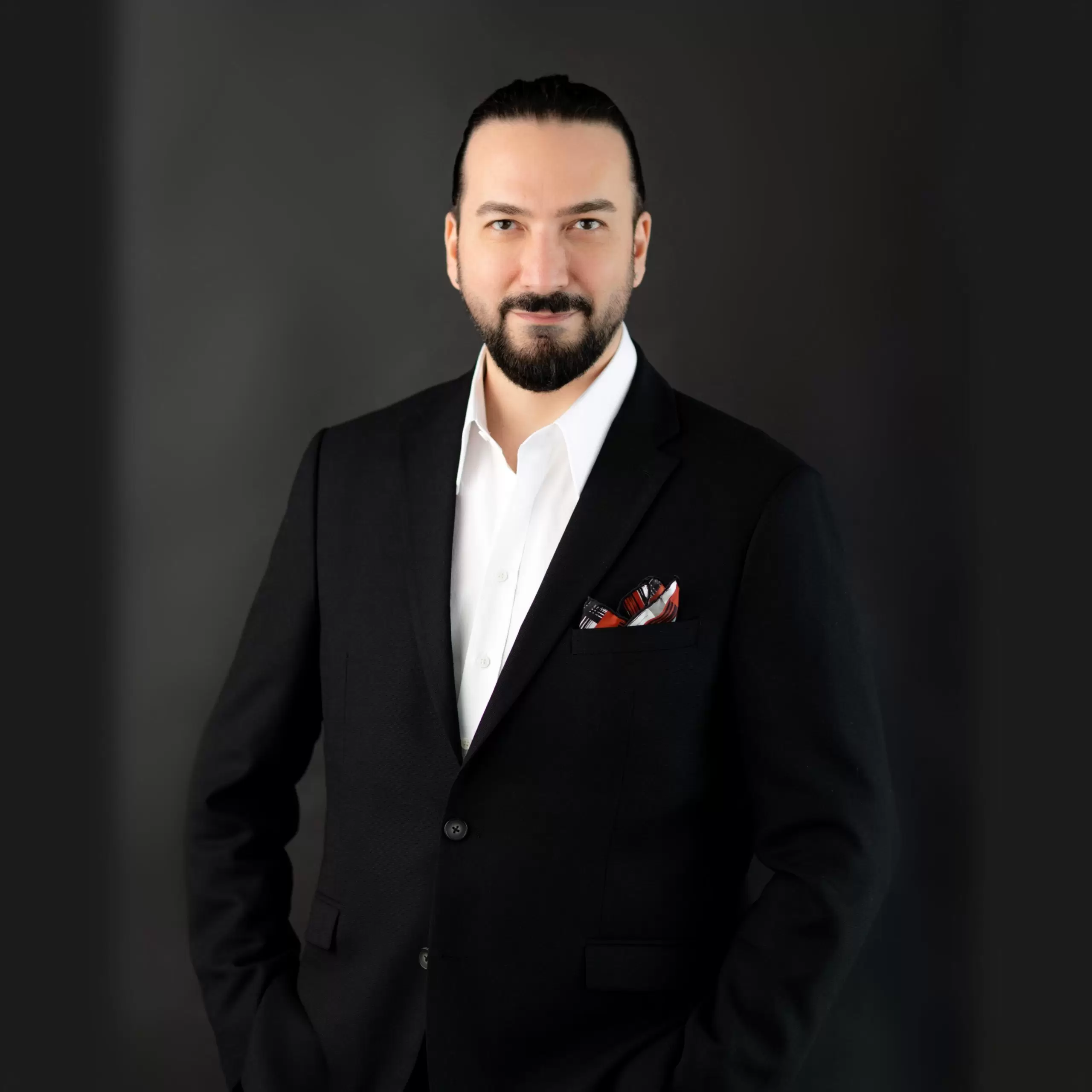
Prof. Dr. Murat Songu – Rhinoplasty (Nose Aesthetics) Specialist
Prof. Dr. Murat Songu was born in 1976 in Izmir and completed his medical education at the Ege University Faculty of Medicine. He then completed his residency training in the Department of Otorhinolaryngology at Celal Bayar University. Between 2005 and 2006, he received advanced training in rhinoplasty, functional nasal surgery, and skull base surgery in Bordeaux, France, working with leading rhinologists such as Prof. Vincent Darrouzet and Dr. Guy Lacher.
Prioritizing natural appearance, the preservation of breathing function, and facial aesthetic harmony, Prof. Dr. Songu is nationally and internationally recognized for his expertise in open rhinoplasty, piezo (ultrasonic) rhinoplasty, revision rhinoplasty, tipplasty, and functional septorhinoplasty. He has participated as an instructor and speaker at numerous rhinoplasty congresses worldwide.
With over 100 scientific publications, book chapters, and more than 1700 citations, Prof. Dr. Murat Songu is one of Türkiye’s most respected academics in the field of rhinoplasty, combining natural, facially harmonious, and functional results with scientific and aesthetic excellence.