Türkçe
 Deutsch
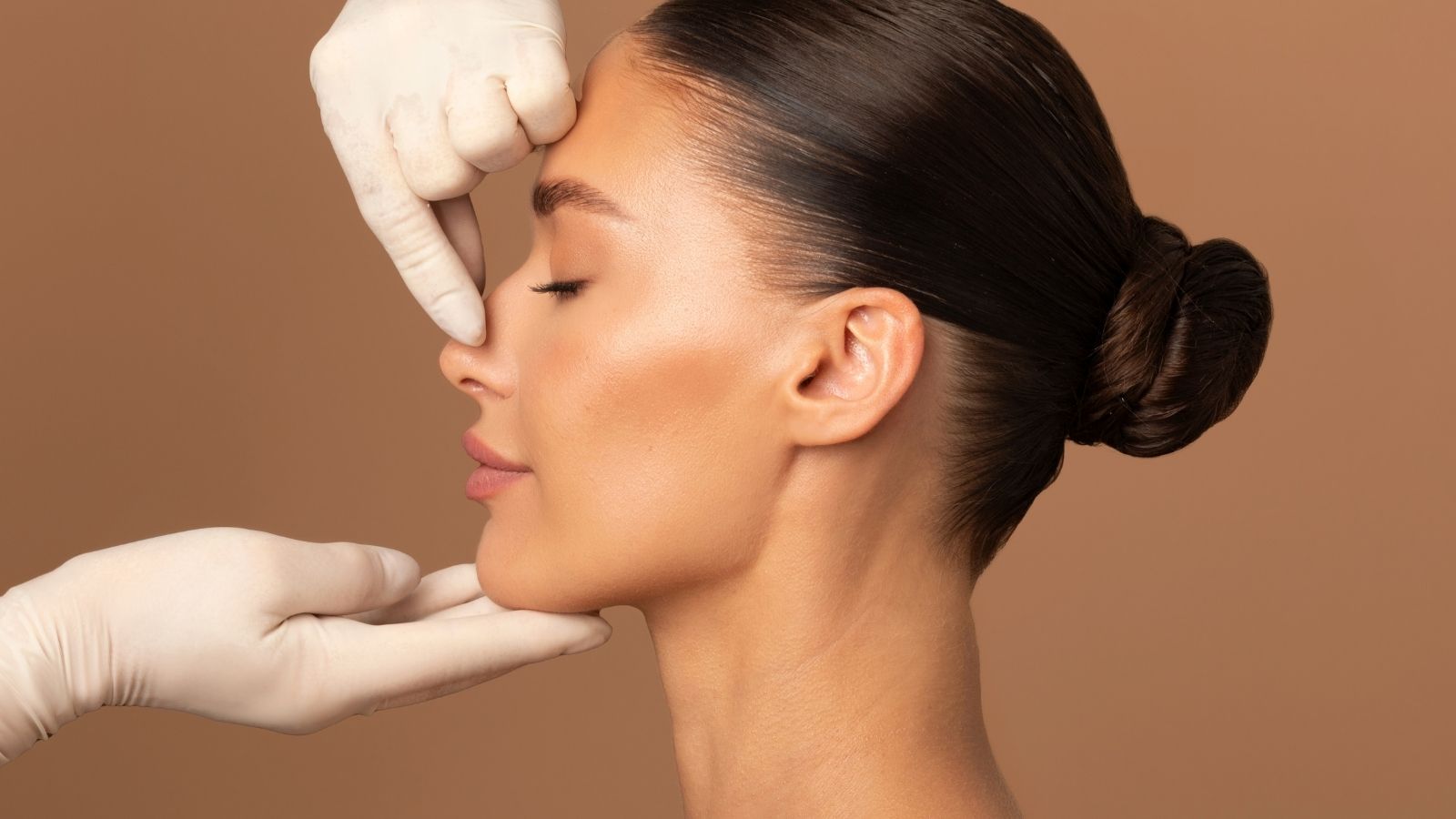
Rhinoplasty is a surgical procedure that can be performed for both functional and aesthetic reasons. It is suitable for individuals with nasal deformities or breathing problems.
Individuals who wish to undergo rhinoplasty should have completed their physical development. Generally, the period after the age of 17–18 is considered the most appropriate time.
Before surgery, the patient’s expectations, facial structure, and overall health are evaluated in detail. This allows the most appropriate surgical plan to be created for the individual.
Rhinoplasty may be preferred not only for cosmetic purposes but also to correct functional problems such as a deviated septum.
Reasons for Undergoing Rhinoplasty
Rhinoplasty, also known as a nose job, is a surgical procedure that individuals undergo for various reasons. In addition to aesthetic concerns, functional needs are among the primary reasons. In particular, some people choose this procedure because they are dissatisfied with the physical appearance of their noses. Furthermore, according to a study conducted by the American Society of Plastic Surgeons, 220,000 people undergo this surgery every year. In addition, certain congenital defects or deformities resulting from injuries may also lead individuals to choose rhinoplasty.
To explain the reasons for the procedure in more detail:
- Changing the size of the nose
- Correcting nasal deviation
- Reshaping the nasal bridge
- Changing the shape of the nasal tip
- Narrowing the nostrils
These are only some of the changes made for aesthetic concerns. However, people undergo rhinoplasty not only for cosmetic purposes but also for health-related reasons. In particular, individuals experiencing breathing difficulties may choose rhinoplasty to resolve these issues. In other words, rhinoplasty is important not only for physical beauty but also for a healthy life.
Another important issue is the age limit for rhinoplasty. If an individual plans to undergo this procedure solely for aesthetic reasons, they should wait until the nasal bones have fully developed. Generally, this age is 17 for girls. For boys, this process may take a little longer. However, rhinoplasty may also be performed at younger ages for health problems such as breathing difficulties.
Who Can Undergo Rhinoplasty?
Rhinoplasty is a procedure that many people choose today to create facial balance and meet their aesthetic expectations. However, it may not be suitable for everyone considering the procedure.
There are certain criteria for the operation to be completed successfully and for the patient to be satisfied:
- Individuals with functional nasal problems,
- Those with aesthetic concerns about the appearance of their nose,
- Individuals over the age of 18 whose bone development is complete,
- Those with a humped, crooked, or wide-nostril nose,
- Individuals under 18 with completed nasal bone development and parental consent,
- Those experiencing breathing problems,
- Those with a wide or drooping nasal tip,
- Those whose nose is disproportionate to their face,
- Those considering surgery solely for aesthetic concerns.
In addition, it is preferable for individuals to be in good physical health and not to smoke in order to reduce the risks of surgery. They should also understand the limitations of rhinoplasty and have realistic expectations regarding the procedure. Finally, it is essential that the individual wants the surgery entirely of their own free will and not because of the opinions of others.
Rhinoplasty Suitable for Facial Features
Rhinoplasty is a procedure that directly affects the overall aesthetics of the face. However, the primary goal during rhinoplasty is not only to achieve an aesthetically pleasing nose but also to create a nose that is harmonious with the face. A rhinoplasty that suits the facial structure and features adds harmony and balance to the individual’s overall appearance.
In rhinoplasty procedures, it should be remembered that every face has unique characteristics. Therefore:
- Each individual’s anatomical structure should be taken into consideration.
- Harmony should be achieved between the nose and the other facial features.
- Rather than pursuing aesthetic ideals, the goal should be to achieve the result that best suits the individual’s facial structure.
During this process, doctors listen to their patients’ wishes and determine the best approach to achieve the most suitable result for their facial features. However, it should be noted that there is no standard approach when it comes to rhinoplasty. A nose considered perfect or aesthetically pleasing may not look equally attractive on every face. Ultimately, rhinoplasty that suits the facial features is essential for achieving a natural and harmonious appearance that complements the overall facial aesthetics.
Age Limits and Pregnancy
Rhinoplasty is a nasal aesthetic procedure performed for aesthetic or functional reasons. Certain criteria must be met for this type of procedure to be successful. These criteria generally include age, overall health, and the individual’s personal reasons for wanting the operation. As George Bernard Shaw said, “Those who cannot change their minds cannot change anything.” Rhinoplasty should be approached with a similar understanding. The individual should genuinely want the cosmetic surgery and fully understand the process.
Age is perhaps the most important criterion for rhinoplasty. The individual’s bone structure must be fully developed before the procedure can be performed. Therefore, the operation is generally performed after the ages of 15 or 16 for girls and after the ages of 17 or 18 for boys.
Pregnancy is also an important consideration for this procedure. Surgery is not performed during pregnancy. The main reason is the possibility that the medications used during and after the operation could harm the baby. Therefore, it is recommended to wait at least 6 months after childbirth. At the same time, allowing postpartum swelling and edema to completely resolve is also important for achieving optimal surgical results.
Who Cannot Undergo Rhinoplasty?
Rhinoplasty is a widely preferred cosmetic procedure. However, it may not be suitable for everyone. Certain medical conditions and psychological factors may prevent this operation from being performed. For example, the risks may be higher for individuals with active mental health disorders or unrealistic expectations. In addition, this operation is not recommended for people with obstructive sleep apnea or those who continue to use cocaine. Furthermore, individuals with other health problems that may interfere with surgery are also not suitable candidates for rhinoplasty.
Patients with Body Dysmorphic Disorder
Individuals with body dysmorphic disorder are not ideal candidates for rhinoplasty. This condition is characterized by the person’s excessive preoccupation with imagined defects in their appearance. These patients are generally not satisfied even after surgery because their underlying problem is psychological. Therefore, when surgeons suspect this condition:
- Patients should be referred for psychiatric evaluation.
- This evaluation helps ensure the proper management of the treatment process.
- Early diagnosis helps prevent symptom progression and is important for maintaining the patient’s quality of life.
Risks of Rhinoplasty in Patients with Obstructive Sleep Apnea
Obstructive sleep apnea is a condition characterized by repeated airway obstruction during sleep. Patients with this condition have an increased risk of complications during rhinoplasty. Although the diagnosis is generally based on symptoms, some patients may be asymptomatic. Therefore, polysomnography is recommended for an accurate diagnosis. This test is the gold standard for determining the presence and severity of sleep apnea.
Before deciding on surgery, individuals with this condition should be informed about the following:
- Risks and possible complications
- Precautions that should be taken before surgery
Preoperative precautions may include:
- Use of a continuous positive airway pressure (CPAP) device
- Rearranging the sleep schedule if necessary
Cocaine Addiction and Suitability for Rhinoplasty
Cocaine use is an important contraindication for rhinoplasty. In chronic cocaine users, the additives contained in inhaled substances cause severe inflammation and vasoconstriction in the mucosal tissues. This condition may result in varying degrees of damage to the nasal structure:
- Mild or severe mucosal inflammation
- Septal perforations
Such damage complicates the postoperative healing process. In addition, complications such as structural collapse in the septal region and impaired healing may occur. Therefore, individuals addicted to cocaine should avoid rhinoplasty. These patients have a higher risk of postoperative complications, so surgical intervention is not recommended.
Effects of Tobacco Use on Rhinoplasty
Tobacco use poses certain risks for patients considering rhinoplasty. Tobacco may negatively affect wound healing and increase the risk of infection. Therefore, doctors encourage patients to quit smoking before surgery. Avoiding tobacco products is important to reduce postoperative complications. The possible effects of tobacco use on rhinoplasty include:
- Delayed wound healing,
- Increased risk of infection,
- Higher rate of postoperative complications.
These effects may prolong the patient’s recovery process and reduce the quality of the results. Therefore, tobacco use requires serious attention before rhinoplasty surgery, and ideally, tobacco should be discontinued before planning the operation. This can improve both the success of the surgery and the patient’s overall health. Patients who use tobacco products should always inform their physicians about this habit.

Prof. Dr. Murat Songu – Burun Estetiği (Rinoplasti) Uzmanı
Prof. Dr. Murat Songu, 1976 yılında İzmir’de doğmuş, tıp eğitimini Ege Üniversitesi Tıp Fakültesi’nde tamamladıktan sonra Celal Bayar Üniversitesi Kulak Burun Boğaz Anabilim Dalı’nda uzmanlık eğitimini tamamlamıştır. 2005–2006 yıllarında Fransa’nın Bordeaux kentinde Prof. Vincent Darrouzet ve Dr. Guy Lacher gibi rinoloji alanının önde gelen cerrahlarıyla çalışarak rinoplasti, fonksiyonel burun cerrahisi ve kafa tabanı cerrahisi üzerine ileri eğitim almıştır.
Burun estetiğinde doğal görünüm, nefes fonksiyonunun korunması ve yüz estetiği dengesini ön planda tutan Prof. Dr. Songu, açık teknik rinoplasti, piezo (ultrasonik) rinoplasti, revizyon rinoplasti, burun ucu estetiği ve fonksiyonel septorinoplasti operasyonlarında ulusal ve uluslararası düzeyde tanınan bir cerrahtır. Yurt içi ve yurt dışında çok sayıda rinoplasti kongresinde eğitici ve konuşmacı olarak yer almış; yüz estetiği ve burun cerrahisinde modern tekniklerin yaygınlaşmasına öncülük etmiştir.
100’den fazla bilimsel yayını, kitap bölümü yazarlıkları ve 1700’ü aşkın uluslararası atfıyla rinoplasti alanında Türkiye’nin en saygın akademisyenlerinden biri olan Prof. Dr. Murat Songu, doğal, yüzle uyumlu ve fonksiyonel sonuçlar hedefleyen cerrahi yaklaşımıyla hem bilimsel hem estetik başarıları bir araya getirmektedir.